The Ultimate Lake Balaton Travel Guide
A comprehensive pre-trip guide for travelers who have already booked their Balaton holiday
Lake Balaton is not a single city, and it is not just a lake. It is a whole region — Hungary’s beloved “inland sea”, a summer world of resort promenades, shallow warm water, wine hills, lavender fields, medieval castles, aristocratic palaces, thermal spas, music festivals, family beaches, quiet piers, rural villages, and national-park landscapes.
If you have already booked your trip, the most important thing to understand is that Balaton changes dramatically depending on where you are. The north shore feels cultured, hilly, wine-soaked, historic, and scenic. The south shore is flatter, sunnier, more beach-oriented, more family-friendly in places, and more nightlife-heavy in towns like Siófok and Zamárdi. The western end adds Keszthely’s palaces and museums plus the restorative thermal world of Hévíz. Inland from the lake, the Balaton Uplands reveal basalt hills, watermills, ruined castles, agricultural heritage, and villages that feel far removed from the resort strip.
This guide combines attraction research, history, atmosphere, practical details, and real-world review insights so you can make the most of the trip you have already booked.
1. Balaton at a Glance
What Balaton is really like
Balaton is often described as a blend of:
- Mediterranean-feeling lakeside resort life
- Hungarian summer nostalgia
- Wine hills and volcanic landscapes
- Historic spa culture
- Family beach holidays
- Youth nightlife and festival energy
- Quiet villages and reflective promenades
- Castles, abbeys, museums, and rural heritage
Its sensory identity is unmistakable: lake water, sunscreen, fried lángos, grilled fish, lavender, wine cellars, mineral spa steam, mown grass, cicadas, church bells, boat masts pinging in marinas, and DJ beats drifting over the water after dark.
Balaton is beautiful in a soft, horizontal way. Do not expect cliffs like the Amalfi Coast or ocean drama. Expect broad water, gentle hills, warm shallows, reeds, piers, villas, vineyards, castles on volcanic knolls, and long summer evenings.
The main regions
North Shore
Best for:
- Scenic views
- Wine
- Historic towns
- Tihany Abbey
- Balatonfüred promenade
- Badacsony vineyards
- Balaton Uplands National Park
- Castles and geology
Atmosphere: elegant, hilly, cultural, romantic, slower.
South Shore
Best for:
- Shallow beaches
- Families
- Sandy or grass beaches
- Siófok nightlife
- Zamárdi festivals
- Balatonlelle family resort energy
- Balatonboglár viewpoints and beaches
Atmosphere: flatter, sunnier, more casual, beach-focused, livelier in places.
Western Balaton
Best for:
- Keszthely
- Festetics Palace
- Balaton Museum
- Georgikon Manor Museum
- Hévíz Thermal Lake
Atmosphere: historic, aristocratic, spa-oriented, cultural.
Inland and Uplands
Best for:
- Castles
- Watermills
- hiking
- rural villages
- basalt formations
- national park interpretation sites
Atmosphere: quiet, agricultural, authentic, scenic, less crowded.
2. Essential Balaton Attraction Directory
Below is a practical directory of major attractions and points of interest identified around Balaton, including ratings, review counts, and locations where available.
| Attraction | Type / Experience | Rating | Reviews | Location |
|---|---|---|---|---|
| Janus Xantos Lookout / Sphere Lookout | Observation tower / amusement-style lookout | 4.7 | 12,834 | Balatonboglár, Kilátó u. 8, 8630 |
| Festetics Palace | Palace / museum | 4.7 | 20,298 | Keszthely, Kastély u. 1, 8360 |
| Szigliget Castle | Medieval castle ruin | 4.8 | 17,329 | Szigliget, 8264 |
| Balaton Museum | Regional museum | 4.6 | 1,380 | Keszthely, Múzeum u. 2, 8360 |
| Siófok Water Tower | Town landmark / viewpoint | 4.6 | 11,486 | Siófok, Fő tér 11, 8600 |
| Fülöp-hegy Millennium Lookout | Lookout tower | 4.7 | 958 | Révfülöp, 8253 |
| Tapolca Lake Cave Visitor Centre | Underground cave boat experience | 4.6 | 20,201 | Tapolca, Kisfaludy Sándor u. 3, 8300 |
| Bonnie Blue Hole | Local attraction / water feature | 5.0 | 3 | Balatonlelle, QMQG+JX, 8638 |
| Pepsi Strand | Beach | 5.0 | 7 | Balatonlelle, Margaréta u., 8638 |
| Tihany Benedictine Abbey | Abbey / historic religious site | 4.7 | 18,255 | Tihany, I. András tér 1, 8237 |
| Lavender Field | Lavender landscape / seasonal attraction | 4.4 | 1,461 | Tihany, Levendula u. 36, 8237 |
| Platán Strand | Beach | 4.7 | 5,769 | Balatonboglár, Szentmihályi u. 1, 8630 |
| Sea of Stones, Szentbékkálla | Geological landscape | 4.8 | 2,846 | Szentbékkálla, 8281 |
| Viewpoint over Belső-tó | Tihany Inner Lake viewpoint | 4.8 | 77 | Tihany, Aranyház u. 14, 8237 |
| Keszthely Beach / Kąpielisko Keszthely | Lakeside beach | 4.4 | 8,753 | Keszthely, 8360 |
| Mandulavirág Strand | Beach | 4.7 | 1,439 | Balatonakali, Balaton u. 1, 8243 |
These are not the only worthwhile stops. Additional major experiences covered in this guide include:
- Balatonfüred Tagore Promenade and Esterházy Beach
- Hévíz Thermal Lake
- Badacsony wineries
- Sümeg Castle
- Kinizsi Castle at Nagyvázsony
- Csillagvár Museum
- Georgikon Manor Museum
- Amazon House Visitor Centre
- Tihany Lavender House Visitor Centre
- Örvényes Watermill
- Kotsy Watermill
- Somogyvár St. Ladislaus National Memorial Site
- Balatonszárszó Attila József Memorial House
- Hegyestű Geological Formation
- Veszprém Zoo
- Balaton Sound Festival
- Laposa Birtok, Németh Pince, Szászi Birtok, Konyári Pincészet
- Postamúzeum
- Buggyeg Brick Gallery
- Dutra Museum
3. The Story of Balaton: From Ice Age Lake to Hungarian Summer Icon
A geologically young lake
Lake Balaton is a geologically young lake, formed roughly 15,000–17,000 years ago at the end of the last Ice Age. Crustal movements created a shallow basin that gradually filled with water. At first, the basin contained several small, separate ponds. Only about 5,000 years ago did these ponds coalesce into a single continuous lake recognizable as Balaton today.
This long natural history explains Balaton’s shape and character. It is shallow, broad, and sensitive to water-level changes. Its basin produced wetlands, marshes, fertile slopes, fish-rich waters, and gentle shorelines that later attracted human settlement.
Balaton is not a deep alpine lake. Its beauty comes from its breadth, light, reeds, vineyards, and the way its shallow water warms quickly in summer.
Prehistoric settlement
Archaeological findings show that the Balatonfüred area has been inhabited since the Neolithic, or New Stone Age. Excavations around Füred and nearby Arács indicate continuous settlement from prehistoric times.
Early communities were drawn by:
- fishing
- forests
- fertile soils
- freshwater
- protective hills
- lake transport routes
There was no single “founding” of Balaton. The region developed gradually through scattered lakeside settlements.
Celtic and Roman Balaton
By around 500 BCE, Celtic tribes were among the first historically identifiable peoples living around Lake Balaton. They farmed, fished, and traded locally.
The Roman period brought major development. After the region became part of Pannonia, the Romans used Balaton for:
- viticulture
- fisheries
- agriculture
- settlement
- transport
Roman presence is confirmed in the Balatonfüred area and along the northern shore. The lake’s mild microclimate made vineyards especially important, beginning a wine tradition that still defines areas like Badacsony and the Balaton Uplands today.
Slavs, Blatnohrad, and early medieval power
After Roman rule collapsed, Germanic and Slavic groups occupied the region. Around the 9th century, a fortified settlement known as Blatnohrad — meaning something like “mud” or “lagoon fortress” — emerged in the Balaton area.
This reflects the lake’s strategic importance. Wetlands, marshes, and waterlogged terrain could defend settlements, while control of the basin meant control over movement, food, and local power.
Medieval Balaton and the rise of villages
During the Middle Ages, what is now Balatonfüred consisted of several small villages:
- Magyaré
- Arács
- Kék
- Füred
- Papsoka
- Siske
- Szentkirályparragja
The name Füred appears in written records in 1211, in the estate register of Tihany Abbey. This shows how strongly monastic and ecclesiastical landholding shaped the region.
Over time, Magyaré merged into Arács, and the other small settlements gradually amalgamated into Füred by the 16th century.
Medieval Balaton’s economy relied on:
- vineyards
- fishing
- mixed agriculture
- monastic estates
- noble lands
- village services
Ottoman frontier
From the 16th to 17th centuries, Lake Balaton formed part of the defensive frontier of Royal Hungary during the Ottoman–Habsburg wars. Fortified positions and watch posts around the lake defended against Ottoman incursions from the south.
Several castles in this guide — including Szigliget, Sümeg, and Tihany Abbey in its fortified phase — are best understood against this frontier background.
The marshes and waters of the lake acted as natural barriers. Warfare, migration, destruction, and fortification shaped the region’s settlement pattern.
Balaton becomes a spa and resort region
The modern identity of Balaton, especially Balatonfüred, emerged in the 18th and 19th centuries.
Balatonfüred’s acidulous, carbonated springs were first mentioned in 1717, and their medicinal properties were scientifically analyzed in 1722. These waters were later officially recognized as healing waters, laying the foundation for Balatonfüred’s spa reputation.
During Hungary’s Reform Era in the early 19th century, Balatonfüred became an important social and cultural center. It was known for:
- bathing culture
- spa facilities
- aristocratic gatherings
- the famous Anna Ball
- promenades and villas
- intellectual and nationalist social life
Balatonfüred and nearby Hévíz became resorts for Hungarian aristocracy and upper classes before mass tourism arrived.
Phylloxera and the rise of villas
In the late 19th century, the phylloxera crisis devastated local vineyards. Many landowners lost their traditional income from wine.
In response, landowners began building summer houses and villas, renting them to the growing middle class. Tourism became a substitute for viticulture in some areas.
Railways in 1861 and 1909 improved access to Lake Balaton and helped transform it into a national holiday destination.
World War II and Operation Spring Awakening
In March 1945, Lake Balaton was the setting for Operation Spring Awakening, Nazi Germany’s last major offensive. The operation aimed to secure remaining oil resources and halt the Soviet advance. It failed, and the region suffered destruction.
This wartime layer is often invisible during a sunny lakeside holiday, but it is part of the modern history of Balaton.
Communist-era mass tourism
After 1945, under socialism, Lake Balaton became a central mass-tourism destination for Hungary and other Eastern Bloc citizens. State investment created:
- hotels
- campgrounds
- holiday resorts
- beaches
- infrastructure
- affordable family tourism
Balaton shifted from an aristocratic spa region to a people’s holiday region.
At the same time, agricultural runoff and urban development caused eutrophication and water-quality problems. Scientific and governmental restoration efforts began from the 1960s onward.
Balatonfüred was officially designated Hungary’s first spa and resort town in 1971. In 1987, it received the title International Town of Grapes and Wine.
Modern Balaton
Today, Balaton is Hungary’s largest lake and one of Central Europe’s key inland recreation regions. Modern Balaton is defined by:
- tourism
- sailing
- spa culture
- environmental management
- wine tourism
- festivals
- family beaches
- cultural heritage
- rural and national-park tourism
The Sió Canal, completed in 1863, remains important for water-level regulation. Environmental protection is now central to the lake’s future.
Sailing has a documented tradition of more than two hundred years, especially around Balatonfüred and nearby marinas.
Balaton today is both nostalgic and modern: a place of old villas, socialist-era holiday memories, renovated wine terraces, electronic music festivals, thermal spas, and medieval ruins.
4. The Big Experiences You Should Build Your Trip Around
4.1 Lake Balaton itself: beaches, promenades, swimming, and sunsets
The lake is the main attraction. Reviews rate Lake Balaton around 4.3/5, with travelers praising it as the Hungarian Sea.
Why people love it
Visitors consistently praise:
- beautiful scenery
- wide lake views
- sunsets
- relaxed atmosphere
- shallow warm water
- family suitability
- cycling opportunities
- promenades
- swimming
- low-cost beach days
- variety of towns and moods
The water is especially good for children and weaker swimmers in many south-shore areas because it is shallow and warms quickly.
What to watch out for
Common complaints include:
- variable water quality by beach and town
- occasional algae
- litter in crowded areas
- peak-season crowds
- overdevelopment in busy resorts
- concrete promenades and loud music in some places
- higher prices in tourist strips
- paid beach access
- pricey sunbeds
- expensive lakefront snacks
- strict paid parking and possible fines
- off-season quietness, with many restaurants and services closed
Realistic verdict
Balaton is worth the hype if you enjoy relaxed lake holidays. It is not a luxury Mediterranean coast. It is about simple pleasures: swimming, cycling, wine, walking, beaches, piers, and summer rhythm.
4.2 Balatonfüred: elegant north-shore spa atmosphere
Balatonfüred is often described as the elegant heart of the north shore.
Tagore Promenade
The Tagore Promenade is one of the most atmospheric walks around the lake. It feels like an open-air salon, with:
- plane trees
- stone benches
- old villas
- cafés
- lake railings
- white sailboats
- soft evening light
- marina sounds
It is named after Indian poet Rabindranath Tagore, who recovered here in the 1920s and reportedly planted a tree. The promenade later became associated with healing, cultural openness, and notable visitors planting trees.
Solo-traveler writing often singles out the Balatonfüred promenade as perhaps the best solo walk around the lake: safe, graceful, social but not overwhelming.
Esterházy Beach and Plage 18
Balatonfüred’s Esterházy Beach and nearby Plage 18 are social beach spaces combining resort polish with relaxed summer energy.
Expect:
- sunscreen
- lángos
- grilled fish
- café terraces
- sailing culture
- children jumping from piers
- multilingual conversations
- humid lake air
- older visitors in linen
- families, couples, and social groups
Nightlife: Blaha Lujza Street
Balatonfüred is refined, but it is not dead at night. Blaha Lujza utca is the center of its nightlife.
Expect:
- wine bars
- beer terraces
- grilled street food
- live music
- DJ tracks
- clinking glasses
- summer crowds
- a more sophisticated vibe than Siófok
This is the place for conviviality rather than wild club excess.
4.3 Tihany Peninsula: abbey, lavender, Inner Lake, and views
Tihany is one of Balaton’s signature destinations: a peninsula of lavender, volcanic scenery, white-walled houses, abbey towers, and legendary lake views.
Tihany Benedictine Abbey
Rating: 4.7
Reviews: 18,255
Address: Tihany, I. András tér 1, 8237
The Tihany Benedictine Abbey was founded in 1055 by King Andrew I of Hungary. It was dedicated to the Virgin Mary and Saint Aignan of Orléans. King Andrew I was buried there, and his grave remains in the crypt.
The abbey’s founding charter is the oldest surviving original document in Hungary. Written mostly in Latin but containing early Hungarian words, it is crucial to the history of the Hungarian language and state.
Historical layers
- Founded in 1055
- Royal burial site of Andrew I
- Medieval Benedictine monastery
- Fortified during Ottoman advance
- Monastic life ended in 1534 when it became a military fortress
- Resisted Turkish conquest
- Rebuilt in Baroque style after Ottoman wars
- Fire in 1763 interrupted reconstruction
- Closed by Joseph II in 1786
- Reopened in 1802
- Charles IV, last Hungarian king, was briefly interned here in 1921
- Closed again under communist rule in 1950
- Returned to Benedictines in 1990
- Since 2012, an autonomous priory of the Hungarian Benedictine Congregation
Architecture and atmosphere
The visible church and monastery are primarily 18th-century Baroque, with:
- twin-towered façade
- Baroque altars
- frescoes
- carved woodwork
- royal crypt
- museum spaces
- views over Lake Balaton
Inside, the atmosphere is beeswax, old wood, incense, stone, and subdued voices. Outside, bells, swallows, lavender scent, and lake wind define the experience.
Practical information
Recent abbey opening pattern:
- Monday–Saturday: 09:00–18:00
- Sunday: 11:15–18:00
- Ticket office / last admission: until 17:30
Museum seasonal hours may vary:
- Jan 1–Mar 31: 10:00–16:00
- Apr 1–Apr 30: 10:00–17:00
- May 1–Sep 30: 09:00–18:00
- Oct 1–Oct 31: 10:00–17:00
- Nov 1–Dec 31: 10:00–16:00
Ticket estimates:
- Full price: 3,400 HUF
- Student / pensioner: 2,500 HUF
- Family ticket: 9,700 HUF for 2 adults + 1–2 children, with additional child supplement
Museum-only prices may be lower:
- Adult: 1,800 HUF
- Student / pensioner: 990 HUF
- Family: 4,600 HUF
Access can change due to liturgical services, weddings, funerals, and church feasts.
Review verdict
Tihany Abbey is widely considered one of Balaton’s must-see sites. Reviewers praise:
- lake views
- historical significance
- clean, maintained church
- 1000-year-old crypt
- charming village setting
Caveats:
- interiors are modest compared with major European cathedrals
- crowds in peak season
- limited English information in some areas
- touristy surrounding cafés and souvenir shops
- paid, busy parking
Still, it is absolutely worth visiting.
Tihany Village and Peninsula
Beyond the abbey, Tihany itself is beloved for:
- traditional architecture
- flower decorations
- lavender products
- walking paths
- viewpoints
- cafés
- small shops
- lake panoramas
Visitors often call it one of the prettiest places at Balaton.
Tihany Echo
Local lore says the peninsula echoes: shout from certain spots and your voice returns from the basalt cliffs. The myth gives Tihany a slightly eerie charm, especially at dusk.
Lavender Field
Rating: 4.4
Reviews: 1,461
Address: Tihany, Levendula u. 36, 8237
In June and July, lavender dominates the senses — sweet, herbal, slightly medicinal, mixing with hot stone and pine resin.
Viewpoint over Belső-tó
Rating: 4.8
Reviews: 77
Address: Tihany, Aranyház u. 14, 8237
This small viewpoint over the Inner Lake / Belső-tó is ideal if you want a quieter Tihany angle away from the abbey crowds.
Tihany Lavender House Visitor Centre
Hungarian: Levendula Ház Látogatóközpont
Address: Major utca 67, 8237 Tihany
GPS: approx. 46.90922, 17.88794
Phone: +36 30 019 1384
Email: levendulahaz@gmail.com
The Lavender House is operated by the Balaton-felvidéki National Park Directorate. It is both a lavender-themed interpretation center and the eastern gate of the Bakony–Balaton Geopark.
It interprets:
- Tihany’s lavender cultivation
- monastic agricultural history
- volcanic geology
- basalt and geyser stone formations
- Inner Lake ecosystem
- protected species
- relationship between traditional agriculture and conservation
It is connected to the Tihany Peninsula Volcanic Formations, a European Diploma site of the Council of Europe.
What to see
- lavender history exhibition
- cultivation and harvesting tools
- historical photographs
- geological displays
- volcanic cone interpretation
- geyser stone explanations
- local flora and fauna displays
- multimedia and interactive elements
- educational films
- temporary events
- gift shop with essential oils, soaps, sachets, honey, herbal goods, publications
Practical information
Ticket estimates:
- Adult: 2,000 HUF
- Discounted / student / senior: 1,800 HUF
- Youth 15–18: 1,800 HUF
- Children 3–14: 900 HUF
- Family ticket: 5,000 HUF for 2 adults + at least 2 children under 14
Seasonal opening pattern:
- Jan 1–Mar 13: closed
- Mar 14–31: Sat–Sun 10:00–16:00
- Apr 4–6: daily 10:00–16:00 around Easter
- Apr 11–30: Wed–Sun 10:00–16:00
- May 1–Aug 31: daily 10:00–18:00
- Sep 1–Oct 4: daily 10:00–16:00
- Oct 5–Nov 1: weekends and school holidays 10:00–16:00
- Winter: generally closed except possible special dates
It is especially useful on cooler or rainy days, and it is a good introduction before walking to lavender fields and volcanic formations.
4.4 Keszthely: palaces, museums, lakefront, and aristocratic Balaton
Keszthely, on the western shore, is a cultural anchor of Balaton. It combines lake promenades, beaches, museums, and one of Hungary’s most important aristocratic residences.
Festetics Palace
Hungarian: Festetics-kastély
Rating: 4.7
Reviews: 20,298
Address: Keszthely, Kastély u. 1, 8360
Festetics Palace is one of Hungary’s largest aristocratic residences, sometimes compared to a small Hungarian Versailles.
History
- 1739: Kristóf Festetics purchased the Keszthely estate
- 1745: construction began as a Baroque country house
- 1745–1750: eastern wing built
- Original palace was U-shaped, two-storey, with about 34 rooms
- 1769–1770: Pál Festetics III enlarged the wings
- 1792–1804: György Festetics I added the southern library wing
- 1797: György Festetics founded the Georgikon agricultural college, considered the first agricultural college in Europe
- 1883–1887: under Tasziló Festetics II, the northern wing was demolished and rebuilt; tower and new central section added; palace nearly doubled in size
- Final form includes mansard roof, central heating, plumbing, Neo-Baroque and Neo-Rococo character
The Festetics family held the palace for about 200 years and were influential in Hungary’s economic, political, scientific, and cultural life.
Architecture
Expect:
- U-shaped plan around a courtyard
- Baroque origins
- historicist Neo-Baroque / Neo-Rococo final appearance
- prominent central tower
- mansard roof
- ornate stone and stucco decoration
- French-style garden and park
- ballrooms and guest suites
- grand staircases
- library wing
Interior highlights
The library is one of the palace’s great treasures, with tens of thousands of volumes, woodwork, galleries, and decorative ceilings.
Other highlights:
- reception rooms
- ballrooms
- chandeliers
- stucco interiors
- exhibitions on Festetics family
- aristocratic life displays
- regional history
- possible carriage, hunting, or thematic exhibitions depending on current curation
Practical information
Ticket estimates:
- Adult palace ticket: roughly 3,500–5,500 HUF
- Reduced student/senior: roughly 2,500–4,000 HUF
- Combined tickets: roughly 5,000–8,000 HUF
Opening pattern:
- Main season: usually around 09:00–18:00
- Weekends similar, sometimes extended
- Off-season may close around 17:00
- Weekly closure possible, often Monday at Hungarian museums, so verify
Plan 2–3 hours for a thorough visit.
Review verdict
Travelers praise:
- well-preserved palace
- impressive architecture
- interiors
- gardens
- organized visitor route
- cultural value
Caveats:
- traditional museum style may be less engaging for young children
- tour groups can crowd rooms
- foreign-language signage may not always be extensive
- nearby cafés and parking may be pricier
Still, it is one of Balaton’s top cultural attractions.
Balaton Museum
Hungarian: Balatoni Múzeum
Rating: 4.6
Reviews: 1,380
Address: Keszthely, Múzeum u. 2, 8360
The Balaton Museum is the principal museum devoted to the lake’s:
- natural history
- archaeology
- ethnography
- cultural history
- modern tourism development
History
- Idea emerged in late 19th century around Hungary’s Millennium celebrations
- June 1897: Balaton Museum Association established
- Counts existence from founding general assembly and first collection donation in August 1898
- Key promoters: Árpád Csák and Sándor Lovassy
- Early collections displayed in rented rooms
- Museum building constructed 1925–1928
- Designed by Dénes Györgyi in neo-Baroque style
- Used stones from demolished Festetics Palace stables
- First museum of Zala County
- Opened fully around 1935–1936
- Permanent exhibition organized under Béla Dornyay from 1941
- WWII disrupted development
- Valuable collections transported by rail were destroyed in a bombing at Zalaegerszeg station in 1945
- Nationalized in 1949
- Became central repository for Balaton-region archaeology, ethnography, history, and natural science
Exhibitions
Expect a “time travel spanning millions of years” through:
- geological evolution
- lake ecosystems
- flora and fauna
- Stone Age, Bronze Age, Iron Age finds
- Roman Pannonia material
- medieval artifacts
- fishing culture
- viticulture and winemaking
- rural household tools
- folk costumes
- traditional crafts
- local peasantry and town bourgeoisie
- bathing culture
- holiday homes
- steamships
- postcards
- early tourism promotion
- transport and infrastructure
The permanent exhibition covers about 11 rooms.
Practical information
Current baseline hours:
- Monday: closed
- Tuesday–Saturday: 09:00–17:00
- Sunday: closed
Ticket estimates:
- Adult: 3,000 HUF
- Student 6–26: 1,500 HUF
- Pensioner 62–70: 1,500 HUF
- Family discounted adult: 1,500 HUF per adult when accompanying at least two under-18s
Older English pages may show lower outdated prices.
Amazon House Visitor Centre
Hungarian: Amazon Ház Látogatóközpont
Address: Kastély utca 17–19 or sometimes 15–17, Keszthely
The Amazon House is an interactive museum housed in an 18th-century former inn, the Amazon Szálló. It is part of the Festetics Castle museum network and focuses on aristocratic travel culture.
History
- One of Keszthely’s earliest lodging houses
- 18th-century structure
- Mihály Csokonai Vitéz stayed here in 1798, commemorated by a plaque
- Renovation completed in 2016
- Opened as the Amazon House Visitor Centre
- Exhibition theme: “High nobility travel and travel adventures” / “Aristocratic journeys, travel adventures”
- Covers land, water, and air travel in the 19th and early 20th centuries
What to see
- carriages
- automobiles
- boats
- airships
- transport artifacts
- interactive displays
- items to touch, explore, or operate
- romantic travel stories
- technical development of transport
- historic courtyard
There is free parking in the inner courtyard, and accessible parking nearby at Kastély utca 11.
Practical information
High season:
- July–August: daily 09:00–18:00
Shoulder/off-season:
- generally 10:00–17:00
- September: often daily
- October–April: Tuesday–Sunday, closed Monday
- May–June: often daily
Ticket estimates:
- Adult: 2,000–3,500 HUF
- Reduced/student/senior: 1,000–2,500 HUF
- Combined tickets with Festetics Castle may exist
Georgikon Manor Museum
Hungarian: Georgikon Majormúzeum
Address: Keszthely, Bercsényi Miklós u. 65–67
The Georgikon Manor Museum is a branch of the Hungarian Agricultural Museum and Library and preserves the farm environment connected to the Georgikon agricultural school founded by György Festetics in 1797.
Why it matters
The Georgikon was one of Europe’s earliest higher-level agricultural training institutions. The museum preserves:
- estate farm buildings
- tools
- machinery
- rural lifeways
- viticulture history
- animal husbandry
- agricultural innovation
What to see
- long single-storey farm buildings
- courtyards
- stables
- barns
- granaries
- tiled gable roofs
- arched entrances
- hand tools
- early machinery
- crop production displays
- animal husbandry displays
- viticulture and winemaking exhibits
- experience farm elements
- family and school programs
- craft and harvest-themed events
Practical information
Opening pattern:
- April: Mon–Fri 10:00–16:00
- May: Mon–Sat 10:00–17:00
- June–August: daily 10:00–18:00
- September–October: Mon–Sat 10:00–17:00
- November: Mon–Fri 10:00–16:00
- December–March: groups by prior arrangement only
Ticket estimates:
- Exhibition adult: 1,200 HUF
- Child/student/pensioner: 300 HUF
- Exhibition + experience farm adult: 1,000 HUF
- Child/pensioner combined: 500 HUF
- Family per-person adult: 800 HUF
- Family per-person child: 400 HUF
- Group adult: 800 HUF
- Group child: 400 HUF
- HungaryCard: 20% discount on full-price adult tickets
- First Sunday of each summer month: free entrance for families
Contact:
- Phone: +36 83 311 563
- Email: georgikon.major@mmgm.hu
Keszthely Beach
Rating: 4.4
Reviews: 8,753
Location: Keszthely, 8360
Keszthely’s lakeside is a classic western-Balaton beach area. Expect families, promenade walks, snack stands, bicycle bells, lake water, fried food, and a calmer mixed-age atmosphere than the busier south-shore party zones.
5. Castles and Fortresses Around Balaton
5.1 Szigliget Castle
Hungarian: Szigligeti vár
Rating: 4.8
Reviews: 17,329
Address: Szigliget, 8264
Szigliget Castle is one of Balaton’s most scenic castle ruins, standing on the 239-meter Várhegy, a volcanic hill overlooking the northern shore.
History
- Built after the Mongol invasion of 1241–1242
- King Béla IV granted the hill to the Benedictine Abbey of Pannonhalma
- Abbot Favus/Flavus oversaw construction between 1260–1262
- Béla IV later exchanged it back into royal hands
- Settlement below developed around 1300
- Later held by the Újlaki family
- In 1521, donated to the Tóti-Lengyel family
- Modified in the 16th century by Bálint Török
- Served as a border fort against Ottomans under captains such as Bálint Magyar
- Never conquered by the Ottomans
- Damaged by lightning in the late 17th century
- Partially blown up after Emperor Leopold I’s 1702 dismantling order
- Stones reused during Rákóczi’s War of Independence
- Conservation began in the 20th century, with organized funding from 1991 onward
What to see
- curtain walls
- gate system
- defensive outworks
- multiple levels
- courtyards
- ramparts
- stabilized walkways
- archaeological remains
- exhibition spaces
- views over Lake Balaton and Balaton Uplands National Park
Atmosphere
The climb smells of leaf-mold, pine, sun-heated earth, and old masonry. On windy days, air whistles through broken walls. The lake spreads below in a way that makes the ruin feel romantic and melancholic.
Practical information
Ticket estimates:
- Adult: 2,000 HUF
- Child 6–18: 1,000 HUF
- Under 6: free
Opening hours:
- July–August: daily 08:00–20:00
- May–June: daily 09:00–19:00
- April & September: daily 09:00–18:00
- March & October: daily 09:00–17:00
- November–February: daily 10:00–16:00
Weather and events may affect access.
Review verdict
Szigliget is widely loved for its dramatic views and intact ruin profile. It is excellent for photography, history, children who like castles, and travelers who want something quieter than Tihany.
5.2 Sümeg Castle
Location: about 30–35 km north of Lake Balaton
Sümeg Castle is one of the best-preserved medieval castles in Transdanubia.
History
- Name Sümeg appears in 1280
- Castle first mentioned in 1318
- Built mid–late 13th century after the Mongol invasion
- Linked to King Béla IV’s stone castle-building program
- Possibly first stronghold by Béla IV or bishops of Veszprém, especially Bishop Zalaudus around the 1260s
- Became ecclesiastical estate of the Archdiocese of Veszprém
- After Veszprém fell in 1552, Sümeg was heavily fortified
- Bishopric of Veszprém moved into the castle
- Ottomans never captured it
- Expanded in 15th century
- Burned by Austrian imperial troops in 1713 after Rákóczi’s War of Independence
- Restoration began in 1950s–1960s
- Private management since 1989
- Developed as tourist attraction with historical events and tournaments
What to see
- Castle Hill
- inner citadel
- Old Tower / Öregtorony
- curtain walls
- ramparts
- gatehouse
- outer bailey
- restored halls
- courtyards
- cellars
- medieval rooms
- exhibitions on warfare and bishops of Veszprém
- torture and dungeon exhibits
- panoramic views
Practical information
Ticket estimates:
- Adult: 3,000 HUF
- Children 6–14: 1,500 HUF
- Under 6: free
- Students/pensioners: 1,500 HUF
- Family ticket: around 6,000 HUF
- Group ticket: around 2,400 HUF per person
- Guided tour fees may apply
Opening pattern:
- Closed Mondays
- Winter, roughly Nov 1–Mar 31: Tue–Sun 09:00–17:00
- Summer, roughly Apr 1–Oct 31: Tue–Sun 10:00–18:00
- Older peak schedules sometimes list longer hours in July–August, up to 08:00–19:00
Special tournaments and evening events may have separate schedules.
5.3 Kinizsi Castle, Nagyvázsony
Hungarian: Kinizsi-vár / Castle of Nagyvázsony
Kinizsi Castle is a late-medieval fortress associated with Pál Kinizsi, the famous general of King Matthias Corvinus.
History
- Built late 14th–early 15th century
- Originally known as Vázsonykő
- Document from 1469 mentions Pál Udvary as castellan
- Royal carpenter László Vezsenyi received permission to build the castle
- In 1472, King Matthias granted it to Pál Kinizsi
- Kinizsi transformed it into a fortified residence and military center
- Passed to the Zichy family around 1640
- Later lost defensive importance and served residential/administrative functions, partly as a prison
- Now a castle museum
Architecture
Unusually, it is a low-lying quadrangular fortress rather than a hilltop castle. Its defense relied on:
- a strong spring
- water-filled moat
- compact rectangular walls
- square multi-storey residential tower
- fortified gate
- inner courtyard
What to see
- climbable tower
- courtyard
- moat remains
- fortifications
- museum exhibitions on Pál Kinizsi
- medieval life and military displays
- views over Nagyvázsony and Balaton Uplands
Practical information
Current-style ticket estimates:
- Adult: 3,300 HUF
- Student/pensioner: 2,600 HUF
- Family ticket: 10,000 HUF
- Over 70: 1,500 HUF registration fee
Opening pattern:
- March: 10:00–17:00
- April: 10:00–17:00
- May: 09:00–18:00
- June–August: 09:00–19:00
- September: 09:00–18:00
- October: 10:00–17:00
- November–February: 10:00–16:00
Recent practice suggests reduced open days in shoulder seasons, sometimes Thursday–Sunday from mid-March. Verify before traveling.
6. Caves, Geological Formations, and Natural Wonders
Tapolca Lake Cave Visitor Centre
Hungarian: Tapolcai-tavasbarlang Látogatóközpont
Rating: 4.6
Reviews: 20,201
Address: Tapolca, Kisfaludy Sándor u. 3, 8300
The Tapolca Lake Cave is one of Balaton’s most popular non-beach attractions.
Experience
Visitors enter a cave system with an underground lake and take a short boat ride through narrow passages. It is family-friendly, unusual, and especially welcome on hot summer days because of the cool cave temperature.
Pros from reviews
- unique natural phenomenon
- underground boat ride
- geology interpretation
- good for children
- easy access
- visitor center exhibitions
Cons from reviews
- boat route is short
- queues can be long in peak season
- experience may feel quick for the ticket price
- not a vast dramatic cavern system
Realistic verdict
Worth doing if you manage expectations. Go for a compact, atmospheric underground boat experience, not a massive cave adventure. Off-peak hours are best.
Sea of Stones, Szentbékkálla
Rating: 4.8
Reviews: 2,846
Address: Szentbékkálla, 8281
The Sea of Stones is one of the most atmospheric geological landscapes in the Balaton Uplands. It belongs to the quieter inland Balaton world of basalt, open fields, and village silence.
Expect:
- scattered rock formations
- rural views
- wildflowers
- sun-baked stone
- hiking atmosphere
- fewer resort crowds
It is ideal if you want to see Balaton beyond beaches.
Hegyestű Geological Formation
Hegyestű is a striking basalt geological formation and a notable Balaton Uplands natural site.
Pros
- dramatic basalt structure
- volcanic geology
- viewpoints
- less crowded than beaches
- good for photographers and hikers
Cons
- basic interpretation in places
- quick visit unless you love geology
- easier with your own transport
- some walking required
Verdict
Worth including if you enjoy landscapes, geology, or want a break from resort towns.
Fülöp-hegy Millennium Lookout Tower
Hungarian: Fülöp-hegyi Millenniumi kilátó
Rating: 4.7
Reviews: 958
Location: Révfülöp, 8253
Above Révfülöp, this lookout offers one of the most expansive panoramas of Balaton.
Atmosphere
The climb smells of forest and dry undergrowth. At the top, wind rushes around the rails. The lake stretches east to west, with hills and towns mapped beneath you. Many travelers describe this as a moment when the entire trip suddenly makes geographic sense.
Best for
- sunset
- photography
- hikers
- orientation
- contemplative breaks
Janus Xantos Lookout / Sphere Lookout
Rating: 4.7
Reviews: 12,834
Address: Balatonboglár, Kilátó u. 8, 8630
Also known as the Sphere Lookout, this distinctive spherical observation tower is one of Balatonboglár’s signature sights.
Why visit
- panoramic lake views
- unusual structure
- short, rewarding stop
- accessible “wow” view without a major hike
- easy to combine with Balatonboglár beaches
Caveats
- stairs can feel exposed
- may be uncomfortable if you dislike heights
- the experience is brief
Verdict
Worth visiting if you are nearby, especially at golden hour. Not necessarily a full destination by itself.
7. Thermal Balaton: Hévíz Lake Bath
Hévíz Thermal Lake
Hévíz is one of the most important spa experiences near Balaton. It is a natural thermal lake, often described as the largest biologically active natural thermal lake in the world.
History
Human activity around Lake Hévíz dates back 7,500 years. Roman remains show that it was known in antiquity.
- Name “Hévíz” appears in 1328
- Matthias Bel mentioned health treatments in 1731
- Dr. Ferenc Szláby gave an early scientific description in 1769
- 1795: Count György Festetics built the first rectangular spa/bathhouse complex
- Festetics family drained swamps, built roads and bathhouses
- Around 1905, Wenzel/Vencel Reischl modernized facilities
- 1911: Hévíz received official medicinal bath settlement status
- Nationalized after WWII
- 1952: State Medicinal Bath Hévíz and rheumatology hospital established
- Indoor winter baths built 1964–1968
Water samples suggest cold spring water is about 8,000 years old, and hot medicinal water about 12,000 years old.
Experience
The lake covers about 4.4 hectares and is surrounded by protected parkland. It is famous for white and pink water lilies and warm mineral-rich water, usually around 24–38°C depending on season.
Sensory atmosphere
- mineral water
- slightly sulfurous mud
- water lilies
- warm enveloping water
- foam neck floats
- quiet floating bodies
- multilingual spa staff
- changing-room doors
- massage oils
- herbal teas
- low-volume calm
Floating here can feel surreal and deeply soothing, especially in cooler weather.
Facilities
- open-air lake bathing
- floating areas
- indoor winter bath
- changing rooms
- showers
- lockers
- floating aids
- saunas
- massages
- mud packs
- medical treatments
- rheumatology and balneotherapy services
- Dr. Schulhoff Vilmos promenade
Practical information
Ticket estimates:
- One-day adult lake admission: 7,500 HUF
- Senior 60+: around 7,000 HUF
- Student 14+ with ID: around 7,000 HUF
- Children 6–14: 3,600 HUF
- Group 3-hour ticket 20+ people: around 4,000 HUF
- Late-day ticket with wellness: 6,000 HUF
- Full-day entrance + wellness: 10,000 HUF
- 10-hour pass + wellness: 20,500 HUF + 2,000 HUF deposit
- 3-hour entrance + wellness mud pack: 10,500 HUF
- Full-day entrance + manager massage: 15,000 HUF
- 10-hour pass + 5 mud packs: 40,000 HUF + 2,000 HUF deposit
Opening:
- generally open every day
- hours vary seasonally
- wellness and treatments may end earlier
- book treatments for specific time slots
- check official schedule before visiting
Verdict
Hévíz is one of the most distinctive experiences near Balaton. It is ideal for wellness travelers, older visitors, couples, winter visits, and anyone wanting a quiet restorative break from beach crowds.
8. South Shore: Beaches, Families, Nightlife, and Festivals
Siófok: nightlife capital and the Water Tower
Siófok is often called the Capital of Balaton, especially for nightlife.
Siófok Water Tower
Hungarian: Wieża Ciśnień Siófok / Siófok Water Tower
Rating: 4.6
Reviews: 11,486
Address: Siófok, Fő tér 11, 8600
The Water Tower is one of Siófok’s central landmarks and a useful town orientation point.
Golden Beach and party strip
At night, Siófok’s Golden Beach is defined by:
- bass from Palace and Flört
- EDM, Balkan beats, chart pop
- open-air bars
- shouted conversations
- cigarette smoke
- beer
- cocktails
- garlic and grilled meat
- humid lake air
- sunrise walks after clubbing
German-language nightlife guides describe Siófok as Hungary’s legendary summer capital and party mecca.
Daytime Siófok
By day, the beaches become lighter and more family-oriented:
- swimmers
- inflatable toys
- sunscreen
- fried lángos
- half-empty bars recovering from the night before
Practical warning
If you want quiet, do not stay near the nightlife strip in high summer. If you want nightlife, Siófok is the obvious choice.
Zamárdi: beaches and Balaton Sound
Zamárdi balances relaxed south-shore beach life with major music events.
Ordinary Zamárdi
Expect:
- open shoreline
- gentle beach soundscape
- paddleboards
- kayaks
- grill stands
- soft music
- views toward north-shore hills
Balaton Sound Festival
Balaton Sound is a major electronic music festival held at Zamárdi.
Reviewers rate it around 4.4/5 and describe it as one of Europe’s standout large electronic festivals.
Pros:
- major lineups
- lakeside setting
- staging
- organization
- camping infrastructure
- security
- fireworks
- swimming between sets
- high-energy atmosphere
Cons:
- crowds
- loud noise
- late nights
- exhaustion
- standard areas less comfortable than VIP
- high festival prices
Warnings:
- use official ticket channels
- watch for pickpockets
- expect food and drinks to cost more
- VIP may significantly improve toilets and comfort
Verdict: worth the hype for electronic music fans, but not a general attraction for travelers seeking calm.
Balatonlelle: family resort energy
Balatonlelle is popular with families for sandy beaches, amusement facilities, and marina life.
Geo-listed local spots
Bonnie Blue Hole
Rating: 5.0
Reviews: 3
Location: Balatonlelle, QMQG+JX, 8638
A very small-review-count local attraction, but highly rated in available data.
Pepsi Strand
Rating: 5.0
Reviews: 7
Address: Balatonlelle, Margaréta u., 8638
A small, highly rated beach listing.
Atmosphere
Balatonlelle smells of:
- warm sand
- sunscreen
- sweet snacks
- marina fuel
- grilled fish
- lake water
Sounds include:
- children
- carousel music
- pedal boats
- families
- evening amusement park energy
Its emotional tone is simple joy: children learning to swim, first amusement rides, ice cream after sunset.
Balatonboglár: family beaches and Sphere Lookout
Balatonboglár is gentler than Siófok but still has nightlife pockets.
Platán Strand
Rating: 4.7
Reviews: 5,769
Address: Balatonboglár, Szentmihályi u. 1, 8630
A major family-friendly beach with strong reviews.
Sphere Lookout
Already covered above, but it pairs naturally with Balatonboglár beach days.
Club Bastille
Balatonboglár also has nightlife spots like Club Bastille, giving younger travelers a dance option without committing to Siófok-level intensity.
Atmosphere shifts:
- daytime: cut grass, lake water, ice cream, families
- nighttime near club: bass, cigarettes, cheap mixed drinks
- a few streets away: crickets and lake darkness
9. North Shore Beaches and Small-Town Balaton
Révfülöp
Révfülöp is quieter and slightly under the radar.
Révfülöp Pier
The pier is a classic slow Balaton stop:
- strong lake smell
- waffles and ice cream nearby
- kids jumping from ladders
- creaking pier
- sunset watchers
- gentle water sounds
Szigeti Strand
A relaxed beach with:
- grass
- water
- towels
- books
- intermittent radio music
- low-intensity atmosphere
It is excellent for travelers who want pause and reflection.
Balatonakali and Mandulavirág Strand
Mandulavirág Strand
Rating: 4.7
Reviews: 1,439
Address: Balatonakali, Balaton u. 1, 8243
Balatonakali represents smaller north-shore beach life: local families, radios playing old Hungarian hits, grassy banks, simple snacks, dogs splashing, distant trains, wooden changing huts.
These places are not spectacle-driven. Their appeal is routine, belonging, and unpretentious summer.
Balatonalmádi and Wesselényi Beach
Balatonalmádi combines north-shore views with beach and bar culture.
BÁRmikor at Wesselényi Beach
A nightlife spot at the entrance to Wesselényi Beach, known for cocktails and panorama.
Expect:
- citrus and rum
- sugary syrups
- wooden pallet furniture
- lake water
- DJ sets
- waves
- conversations by the shore
- mixed local and tourist crowd
It is scenic and social rather than purely chaotic.
Balatonakarattya
Balatonakarattya often functions as a symbolic eastern gateway to the lake, especially for arrivals from Budapest.
Its higher vantage points offer first views of Balaton. The emotional mood is threshold-like: the city drops away, the lake opens up, and the holiday begins.
10. Wine Country: Badacsony and Beyond
Badacsony Hill
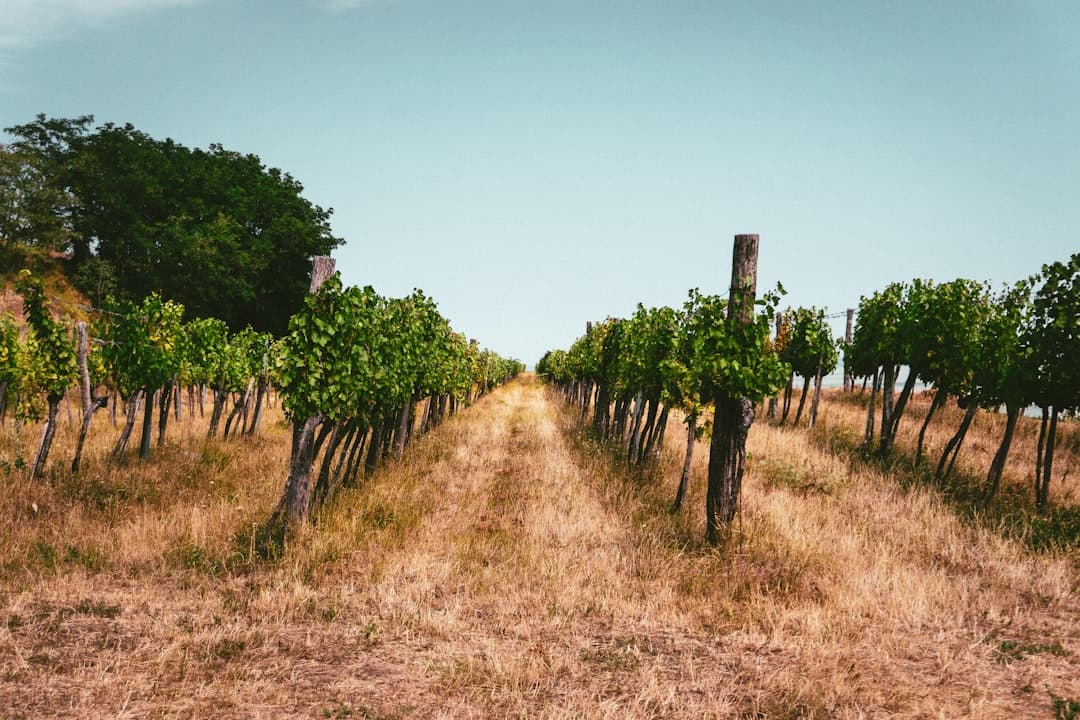
Badacsony is one of Balaton’s most iconic wine hills, a volcanic formation covered in vineyards and dotted with press houses and cellars.
Atmosphere
Climbing Badacsony, expect:
- dry grass
- crushed grape leaves
- dusty basalt stone
- subtle ripening grape scent
- lake moisture in the breeze
- village bells below
- tractor sounds
- terrace restaurants
- white wines
- clinking glasses
- mineral, citrus, honeyed aromas
At sunset, the lake turns turquoise, silver, then dark with lights on the opposite shore.
Emotional core
Badacsony feels grounded and contented. It is about physical effort, wine, hill, water, and slow afternoons that become evenings.
Laposa Birtok
Laposa Birtok is one of Badacsony’s top winery and restaurant experiences.
Pros
- high-quality local wines
- panoramic terrace
- relaxed dining
- professional service
- introduction to volcanic terroir
- varieties such as Olaszrizling and Kéknyelű
Cons
- above-average prices
- crowds at busy times
- reservations may be needed
Verdict
A premium experience, not a scam. Check prices in advance and book if visiting during peak times.
Németh Pince
Németh Pince has around 52 reviews and a rating around 4.8/5.
Pros
- excellent wines
- family-run atmosphere
- authentic and unpretentious
- good value
- repeat visitors
Caveats
- smaller venue
- limited capacity
- plan ahead
- mainly about tasting and buying wine
Verdict
Highly recommended for authentic local wine.
Szászi Birtok
Szászi Birtok is known for tranquil vineyard experiences and quality-focused production.
Pros
- brilliant wine tasting
- amazing wines
- beautiful surroundings
- relaxing atmosphere
- organic or quality-focused approach
Caveats
- easier with a car
- less interesting for non-wine drinkers
Verdict
Top-tier for wine-focused travelers.
Konyári Pincészet
Konyári Pincészet contributes to the southern Balaton wine scene.
Pros
- reputable wines
- vineyard setting
- adds depth to south-shore itineraries
- proves Balaton is not only beaches
Caveats
- less detailed review data
- transport and language may be modest constraints
Verdict
Worth including in a wine-focused itinerary.
11. Rural Heritage, Watermills, and Small Museums
Örvényes Watermill
Örvényes Watermill is one of Hungary’s oldest functioning watermills, with references going back to 1055 and 1211.
History
- Mill existed in 1055
- Confirmed in 1211 under Tihany Benedictine Abbey
- Present building dated to 1748
- Built on Pécsely stream
- Operated industrially until 1985
- Now a mill museum
What to see
- water wheel
- historic milling machinery
- miller’s trade displays
- folk-life materials
- grain-processing interpretation
- streamside setting
Practical information
Ticket estimates:
- Adult: about 400 HUF
- Children under 14: about 300 HUF
Opening:
- May 1–Sep 30
- Tuesday–Sunday 09:30–15:30
- Another source: Tuesday–Sunday 09:00–16:00
- Closed Oct 1–Apr 30, with possible visits by prior arrangement
- Cash only reported
Kotsy Watermill, Zalaszántó
Address: Ádám utca 2, Zalaszántó, access from Fő utca side
History
- Earlier water-driven grinding mill likely existed in Turkish-era / 17th century
- In 20th century known as Major János watermill
- Other milling facilities existed in Zalaszántó around 1915
- Later owned by Kotsy family
- Used for animal-feed grain grinding until 1974
- Fell into neglect
- Purchased by Balaton-felvidéki National Park in January 2000
- Restored in 2003
- Developed as visitor venue in 2004
- Public opening noted in 2005
What to see
- restored mill building
- interior equipment
- traditional milling mechanisms
- village craftsmanship interpretation
- national park heritage context
Practical information
Ticket estimates:
- Child under 3: 300 Ft
- Child 3–14: 500 Ft
- Child 15–18: 1,000 Ft
- Adult: 1,200 Ft
- Discounted: 1,000 Ft
- Registration ticket: 300 Ft
Access:
- all year except holidays
- only by prior arrangement
- book at least 1 week in advance
- minimum group size: 10 people
Some listings mention March 15–Oct 15, 10:00–17:00, but advance booking is the safest assumption.
Csillagvár Museum, Balatonszentgyörgy
Csillagvár is a small but distinctive attraction known for its star-shaped floor plan.
History and architecture
- Built 1820–1821
- Associated with Count László Festetics
- Used as a hunting lodge
- Surrounded by wooded game-rich area
- Four-pointed star-like ground plan
- Main body about 16.5 x 16.5 meters
- Romantic-era estate building rather than true military castle
What to see
- star-shaped architecture
- medieval border castle life exhibition
- petting zoo
- restaurant
- family-oriented leisure facilities
Practical information
2025 ticket prices:
- Adult: 1,650 HUF
- Child / pensioner: 1,450 HUF
- Family ticket, 2 adults + 2 children: 5,550 HUF
- Group adult over 15 people: 1,500 HUF
- Group child/pensioner: 1,300 HUF
Opening:
- closed January, February, March, November, December
- April: Sat–Sun 10:00–16:00
- May–June: open weekdays and weekends, around 10:00–18:00
- July–August: daily 10:00–18:00
- Sep 15–October: Sat–Sun 10:00–16:00
- may close in bad weather during spring/autumn
Postamúzeum
The Postal Museum is a niche specialty museum near the Balaton region.
Best for:
- postal history fans
- communication history
- small indoor stop
- bad-weather backup
Caveats:
- not a mainstream must-see
- may be compact
- language may be primarily Hungarian
Verdict: worthwhile for niche interests, not essential for most lake-focused travelers.
Buggyeg Brick Gallery
A specialty museum/gallery focused on bricks, design, or architecture.
Best for:
- architecture enthusiasts
- art/design travelers
- unusual small stops
Caveat: very niche.
Verdict: a quirky add-on, not a core Balaton sight.
Dutra Museum
A specialty museum likely focused on industrial or mechanical heritage.
Best for:
- machinery enthusiasts
- engineering history
- quiet small-museum visits
Caveats:
- limited opening
- small scale
- language may be limited
Verdict: worth it if nearby and interested in industrial history.
12. Literary and National Memory Sites
Attila József Memorial House, Balatonszárszó
Address: József Attila u. 7, 8624 Balatonszárszó
Email: jaemlekhaz.szarszo@gmail.com
This small literary museum is dedicated to Attila József, one of Hungary’s greatest 20th-century poets.
History
- Located in the former Horváth Pension on Balatonszárszó’s villa row
- Attila József spent his last month here while recovering from illness
- A freight train struck and killed him nearby at the railway line
- Museum has operated since 1972
- Major EU-funded renovation in 2012
- New permanent exhibition installed
It is a memorial house, not his birthplace, despite some loose guide references.
What to see
- biography
- literary career
- Balatonszárszó connection
- final days
- poems and manuscripts
- photographs
- archival materials
- period furnishings
- multimedia displays
- discussion of illness and debates around death
The house is small but emotionally intense. It can usually be visited in under an hour.
Practical information
Opening:
Pre/post-season:
- Apr 11–Jun 30 and Sep 1–Oct 31
- Tuesday–Sunday 10:00–17:00
- Monday closed
High season:
- Jul 1–Aug 31
- daily 10:00–12:00 and 14:00–20:00
Winter:
- roughly Nov 1–Apr 10
- Wednesday–Thursday 12:00–17:00
- Friday–Sunday 10:00–17:00
- Monday–Tuesday closed
Group/off-hours visits possible by prior arrangement.
Tickets:
- Adult: 1,000 HUF
- Student/child: 500 HUF
- Pensioner: 500 HUF
Tip: ask whether English or German materials are available.
Somogyvár St. Ladislaus National Memorial Site
Hungarian: Szent László Nemzeti Emlékhely
Address: 8698 Somogyvár, Besliahegy 64
Phone: +36 70 331 8547
Email: szentlaszloemlekhely@gmail.com
This is a major medieval monastic and royal memorial complex on Kupavár Hill, inland from the southern shore.
History
- Founded by King St. Ladislaus in 1091
- Benedictine abbey dedicated to St. Giles
- Settled by French Benedictine monks
- One of the largest and most elegant abbey complexes in medieval Hungary
- Site associated with Koppány, regional ruler opposing Christianization and centralization under King Stephen
- Abbey symbolically asserted Christian royal authority
- Became an ecclesiastical, cultural, and pilgrimage center
- Later declined into ruins
- Opened to visitors in 1991, the 900th anniversary of foundation
- Declared a National Memorial Site by Hungarian Parliament in 2011
What to see
- large Romanesque abbey church foundations
- cloister traces
- monastic building outlines
- open-air archaeological park
- paths and information boards
- views from Kupavár Hill
- modern visitor center
- exhibitions on St. Ladislaus, St. Giles, Koppány, Benedictines, archaeology
Practical information
Closed Mondays.
Opening:
- Nov 1–Mar 14: Tue–Sun 10:00–16:00
- Mar 15–May 31: Tue–Sun 09:00–17:00
- Jun 1–Aug 31: Tue–Sun 10:00–18:00
- Sep 1–Oct 31: Tue–Sun 09:00–17:00
- Ticket office closes 30 minutes before closing
Tickets:
- Adult: 2,300 HUF
- Reduced: 1,150 HUF
- Family: 4,600 HUF
- Somogyvár residents: 1,000 HUF
- Children up to 6 and visitors 70+: free
13. Other Major Family and Regional Attractions
Veszprém Zoo
The Kittenberger Kálmán Zoo & Botanical Garden in Veszprém is a major family day trip from Balaton.
Pros
- modern, well-maintained zoo
- wide range of animals
- spacious enclosures
- botanical landscaping
- strong family reputation
- one of the best non-lake experiences nearby
Cons
- lots of walking
- tiring in summer heat
- more shade/rest areas would help in some parts
- on-site food can be expensive
Verdict
Highly recommended for families with children or animal lovers.
Siófok Water Tower
Already listed in the Geo directory, but worth highlighting as a central landmark if you are staying on the south shore.
Best for:
- orientation
- town-center walk
- viewpoint experience
- combining with Siófok cafés and nightlife
14. Beaches Mentioned in the Research
Platán Strand, Balatonboglár
Rating: 4.7
Reviews: 5,769
Address: Balatonboglár, Szentmihályi u. 1
One of the stronger-rated beach entries in the dataset. Good for family-oriented south-shore beach time.
Keszthely Beach
Rating: 4.4
Reviews: 8,753
Location: Keszthely
Useful if you want a beach day near Festetics Palace and Keszthely museums.
Mandulavirág Strand, Balatonakali
Rating: 4.7
Reviews: 1,439
Address: Balatonakali, Balaton u. 1
Good for calmer north-shore beach atmosphere.
Pepsi Strand, Balatonlelle
Rating: 5.0
Reviews: 7
Address: Balatonlelle, Margaréta u.
A small-review-count listing but highly rated.
Esterházy Beach, Balatonfüred
Polished, social, resort-style beach near Balatonfüred’s promenade.
Szigeti Strand, Révfülöp
Low-key, reflective, less intense than major resort beaches.
Wesselényi Beach, Balatonalmádi
Beach by day, bar-and-panorama energy around BÁRmikor by night.
15. Food, Drink, and Local Experiences
Foods and smells you will encounter
Balaton’s food atmosphere includes:
- lángos with garlic
- grilled fish
- fried snacks
- ice cream
- waffles
- beach burgers
- grilled meats
- local cheeses
- smoked meats
- wine terrace plates
- lavender products in Tihany
- honey and herbal goods
- café cakes
- festival street food
Wine
Wine is central, especially on the north shore and around Badacsony.
Look for:
- Olaszrizling
- Kéknyelű
- mineral white wines
- volcanic terroir
- family cellars
- panoramic terraces
- informal tastings
- premium estates
Lavender
Tihany lavender appears in:
- essential oils
- soaps
- sachets
- sweets
- drinks
- decorative products
- seasonal fields and festivals
Thermal wellness
Hévíz is the main wellness experience:
- mud packs
- massages
- mineral water
- floating therapy
- rheumatology treatments
- winter bathing
Nightlife
Main nightlife zones:
- Siófok: strongest party scene
- Zamárdi: festivals and youth culture
- Balatonfüred Blaha Lujza Street: refined nightlife
- Balatonalmádi BÁRmikor: cocktails and lake panorama
- Balatonboglár Club Bastille: moderate nightlife option
16. Practical Tips and Warnings
Crowds
Peak season is July–August.
Expect crowds in:
- Tihany village
- Tihany Abbey viewpoints
- Siófok beaches and nightlife
- popular south-shore beaches
- Tapolca Lake Cave
- Balaton Sound periods
- major beach parking areas
- Festetics Palace during tour-group times
For quieter travel:
- go early morning
- visit attractions near closing
- choose June or September if possible
- stay in smaller north-shore towns
- explore uplands and inland sites
Prices
Balaton is more expensive in tourist-heavy lakefront strips than inland Hungary.
Watch for:
- expensive lakefront restaurants
- paid beach entry
- sunbed rental costs
- high festival food/drink prices
- premium winery pricing
- paid parking
- tourist-zone souvenirs
Always check menus and posted prices.
Parking
Parking near major attractions can be difficult and strictly enforced.
Be especially careful in:
- Tihany
- major beaches
- Siófok
- Balatonfüred
- Keszthely center
- festival periods
Read signs carefully and pay at machines to avoid fines.
Transport
Trains connect many lakeside towns, especially along the shore. For inland castles, mills, wineries, and geological sites, a car is often much easier.
Taxi caution:
- use reputable companies
- confirm fares
- avoid unmarked or unclear-pricing taxis
Language
Hungarian is dominant. German is common in many tourist areas. English varies by attraction and town.
At smaller museums, watermills, and niche sites, English signage may be limited. If you care deeply about context, contact ahead or bring translation tools.
Cash
Some small attractions may be cash-only, including reports for Örvényes Watermill. Carry some HUF cash, especially for:
- small museums
- village attractions
- parking machines
- snack stands
- local beaches
- rural sites
Opening hours
Balaton attractions are often seasonal. Always verify current hours before going, especially for:
- Lavender House
- Csillagvár Museum
- watermills
- Georgikon Manor Museum
- Kinizsi Castle
- small museums
- off-season restaurants
- beach facilities
Many museums close Mondays. Some small places require prior arrangement.
Safety
Balaton is generally considered safe for families, couples, and solo travelers.
Use normal precautions:
- watch phones and bags in crowds
- be careful at festivals and nightlife areas
- avoid swimming intoxicated
- respect storm warnings on the lake
- keep children supervised in shallow water
- use official festival tickets
- protect yourself from sun and heat
There is little evidence of unique systemic scams around Balaton. The main issues are ordinary tourist-area concerns: overpricing, parking fines, taxis, and cash-only situations.
Water quality
Water quality varies by beach and season. Some reviews mention algae, litter, or crowded public beaches. If water quality matters to you, ask locally or check recent information for your specific beach.
Off-season reality
Balaton can feel “dead” outside the main season. This can be beautiful if you want solitude, but inconvenient if you expect:
- open beach bars
- frequent boats
- nightlife
- full restaurant choice
- long museum hours
17. Suggested Ways to Organize Your Trip
If you are staying in Balatonfüred
Prioritize:
- Tagore Promenade
- Esterházy Beach
- Blaha Lujza Street nightlife
- Tihany Abbey
- Lavender House
- Belső-tó viewpoint
- Balaton Uplands day trip
- Badacsony wine day
- Révfülöp and Fülöp-hegy lookout
If you are staying in Siófok
Prioritize:
- Siófok Water Tower
- Golden Beach
- nightlife strip
- Zamárdi
- Balaton Sound if dates match
- Balatonlelle family beaches
- Balatonboglár Sphere Lookout and Platán Strand
- Somogyvár inland cultural trip
If you are staying in Keszthely
Prioritize:
- Festetics Palace
- Balaton Museum
- Amazon House
- Georgikon Manor Museum
- Keszthely Beach
- Hévíz Thermal Lake
- Szigliget Castle
- Badacsony wineries
- Csillagvár Museum
If you are traveling with children
Best options:
- shallow beaches on south shore
- Balatonlelle
- Balatonboglár Platán Strand
- Sphere Lookout
- Tapolca Lake Cave
- Veszprém Zoo
- Csillagvár Museum and petting zoo
- Georgikon experience farm
- Keszthely museums if children like interactive displays
- Hévíz only if children are comfortable with spa rules and thermal bathing
If you love history
Best options:
- Tihany Abbey
- Festetics Palace
- Balaton Museum
- Szigliget Castle
- Sümeg Castle
- Kinizsi Castle
- Somogyvár St. Ladislaus Memorial Site
- Attila József Memorial House
- Amazon House
- Georgikon Manor Museum
- watermills
If you want quiet and atmosphere
Choose:
- Révfülöp
- Balatonakali
- Szentbékkálla Sea of Stones
- Balaton Uplands villages
- Szigliget village
- Fülöp-hegy lookout
- Badacsony sunset terraces outside peak crowds
- Balatonfüred promenade at dusk
- Hévíz in cooler weather
If you want nightlife
Choose:
- Siófok
- Zamárdi during festival periods
- Balatonfüred Blaha Lujza Street
- Balatonalmádi BÁRmikor
- Balatonboglár Club Bastille
18. Final Verdict: What Balaton Will Give You
Balaton is not a destination of one single mood. It is a living summer ecosystem.
It can be:
- elegant in Balatonfüred
- spiritual in Tihany
- loud in Siófok
- healing in Hévíz
- aristocratic in Keszthely
- romantic in Szigliget
- grounded in Badacsony
- nostalgic in Balatonlelle
- cinematic in Zamárdi
- quiet in Révfülöp
- rural in the Balaton Uplands
- educational in the museums
- playful on the beaches
- reflective on the piers
The best Balaton trips combine contrasts. Swim in the morning, visit a palace in the afternoon, drink volcanic wine at sunset, walk a promenade at night. Or float in warm thermal water one day and climb a ruined castle the next. Or spend a loud night in Siófok and recover beside the Inner Lake in Tihany.
Balaton’s magic is not only in its landmarks. It is in repetition, return, and rhythm: families revisiting the same beaches, friends meeting at the same bars, older couples returning to the same spa, children eating ice cream by the same lake their grandparents loved.
If you arrive expecting a polished luxury coastline, you may notice crowds, kiosks, paid parking, variable service, and high-season chaos. But if you arrive ready for Hungary’s lake culture — water, wine, lavender, ruins, neon, grass beaches, warm shallows, and long evenings — Balaton is deeply rewarding.
It is scenic, safe, nostalgic, varied, and full of stories. And because you have already booked your trip, the best advice is simple:
Do not stay in only one mood of Balaton. Let the lake show you its many faces.