# Orihuela (and Orihuela Costa) — The Massive “You’ve-Already-Booked-It” Travel Guide
*A comprehensive, practical, experience-forward guide for travelers arriving in the coming weeks/months — combining **every detail** from four research agents (Geo, Historian, Vibe, Critic) into one long, usable article.*

> **Important orientation (so you don’t get lost on arrival):**
> **“Orihuela”** is the historic inland city (cathedral, castle hill, museums, monasteries, murals, old streets).
> **“Orihuela Costa”** is the modern coastal district of the same municipality (beaches like La Zenia, Cabo Roig, Punta Prima; nightlife strips; Zenia Boulevard mall; golf-oriented plazas like Villamartin Plaza).
>
> You can absolutely enjoy both in one trip — and most people do — but they feel like two different destinations connected by municipal borders and a 20–30 km journey.

---

## Table of Contents
1. [Introduction: What You’re Actually Visiting](#introduction-what-youre-actually-visiting)
2. [The Story of Orihuela (Deep History + Key Facts)](#the-story-of-orihuela-deep-history--key-facts)
3. [How Orihuela Costa Fits In (A “Young Coast” Built on an Ancient Municipality)](#how-orihuela-costa-fits-in-a-young-coast-built-on-an-ancient-municipality)
4. [Top Experiences — Inland Orihuela (Monuments, Museums, Views, Walks)](#top-experiences--inland-orihuela-monuments-museums-views-walks)
5. [Top Experiences — Orihuela Costa (Beaches, Promenades, Plazas, Shopping, Nightlife)](#top-experiences--orihuela-costa-beaches-promenades-plazas-shopping-nightlife)
6. [Hidden Gems & “Small-Name, Big-Reward” Stops](#hidden-gems--small-name-big-reward-stops)
7. [Culture & Atmosphere (What It Feels Like, Sounds Like, Smells Like)](#culture--atmosphere-what-it-feels-like-sounds-like-smells-like)
8. [Food & Local Experiences (What to Eat + Where the Vibes Live)](#food--local-experiences-what-to-eat--where-the-vibes-live)
9. [Practical Tips & Warnings (Real-World Insights)](#practical-tips--warnings-real-world-insights)
10. [Conclusion: How to Make Orihuela “Click”](#conclusion-how-to-make-orihuela-click)

---

## Introduction: What You’re Actually Visiting

Orihuela is one of those places that can surprise you **after** you’ve booked—because what most people imagine as a single destination is actually a **two-part experience**:

- **Orihuela (city)**: a historic, monument-dense inland city in the Vega Baja del Segura (Alicante province), shaped by **prehistoric settlement**, **Roman consolidation**, a defining **Islamic era**, the **Christian Reconquest**, and centuries of religious and civic power. It’s a place of **cathedrals built on mosques**, museums inside excavations, and a castle that’s now “glorious ruins” above the river plain.
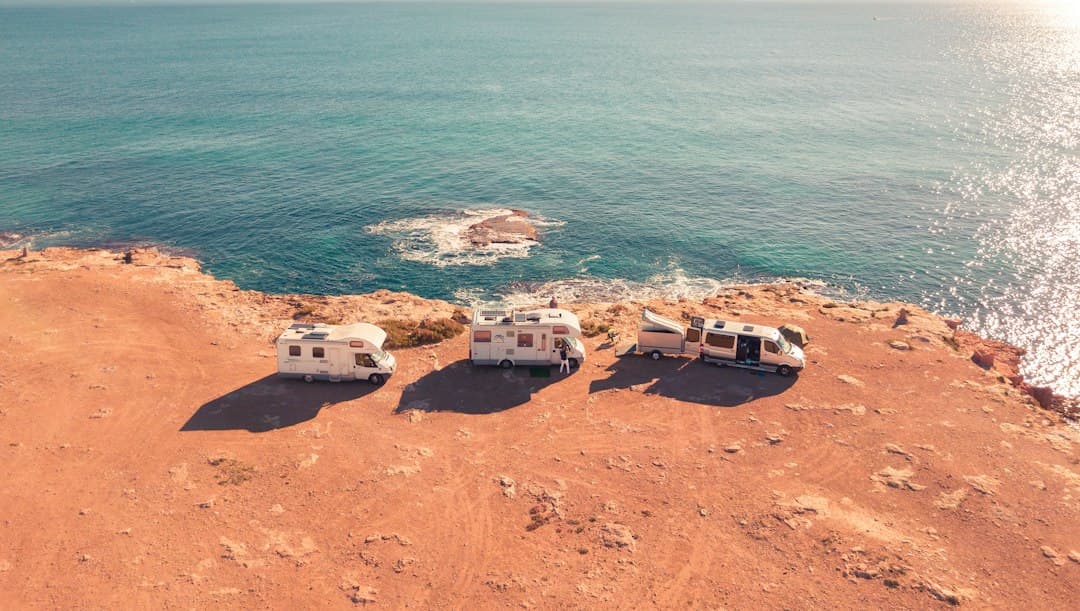
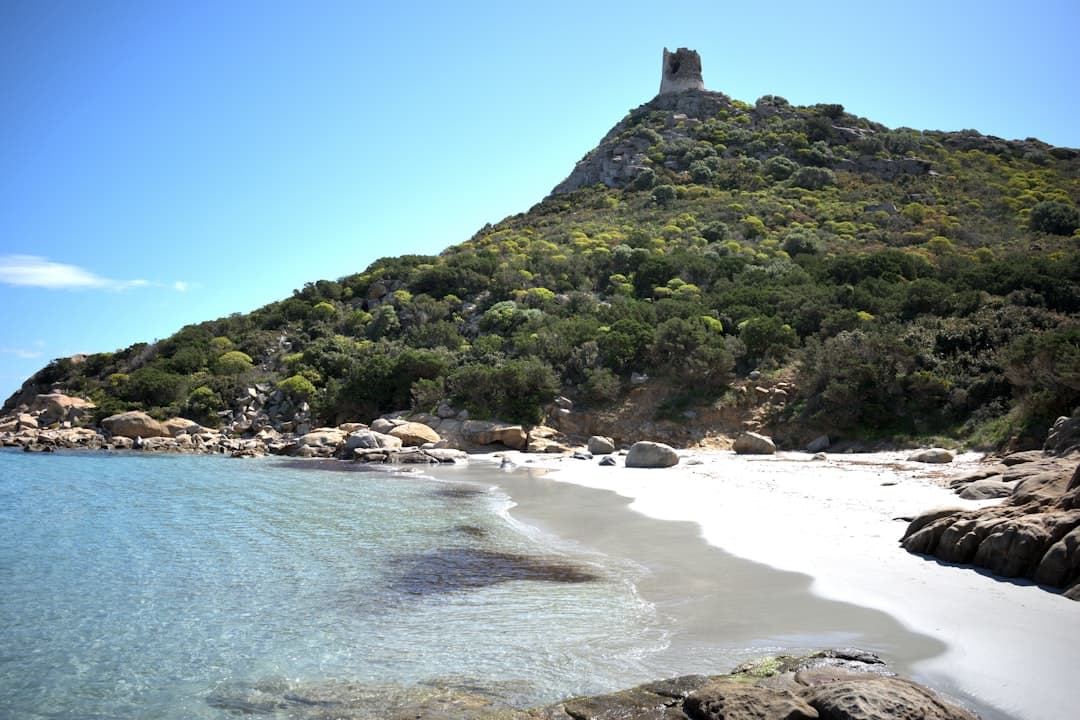
- **Orihuela Costa**: a **sun-soaked resort coast** with **Blue Flag beaches**, promenade life, restaurant strips, open-air shopping, and an **international community** that makes it feel like a Mediterranean crossroads of languages and habits.

If you’re staying on the coast, you’ll likely spend most time on beaches and coastal hubs—yet the inland city provides cultural depth and “why this place exists” context. If you’re staying inland, the coast is your escape hatch to coves, snorkeling, and that easy coastal leisure rhythm.

This guide is written for people arriving soon—so it leans heavily practical (opening times, costs, what to do when it’s busy, what’s free, what’s seasonal) while still giving you the long story and sensory feel that makes a trip memorable.

---

## The Story of Orihuela (Deep History + Key Facts)

### Orihuela’s “founding” isn’t one moment — it’s layers upon layers
There isn’t a single clean founding date. The territory shows human presence as early as the **Chalcolithic**, with traces continuing through the **Bronze Age**, **Iron Age**, then **Iberian** and **Roman** cultures. Orihuela’s origin is best understood as a **succession of settlements**, not a single documented foundation moment.

Some popular histories emphasize Roman-era names like *Orcelis* or *Aurariola*. What’s more secure is that **Roman occupation integrated the region into Hispania** and consolidated a pre-existing inhabited zone into a more durable urban structure. The strategic position near the **Segura River** and the fertile plain made the area valuable for settlement and agriculture.

### Roman Orihuela: consolidation of a strategic agricultural plain
In Roman times, the region’s strategic location and fertile land mattered. Roman remains noted in archaeological and municipal histories support the idea that Orihuela was already an important population center before the Middle Ages—even if later traditions sometimes overstate a formal Roman “foundation.”

### The Moorish period: one of the biggest turning points
In the early 8th century, Orihuela came under Muslim control and became associated with the **Cora of Tudmir**, linked to the pact with **Teodomiro (Tudmir)**. Sources describe Orihuela as a key center under this semi-autonomous arrangement, which later lost autonomy as Umayyad control tightened. This era shaped agriculture, irrigation, settlement patterns, and urban development—and remains one of the defining layers of Orihuela’s identity.

### Christian Reconquest & medieval politics: 13th century transitions
The medieval Christian period begins with the Reconquest. Accounts place key steps around **1264–1265**, followed by political shifts as Orihuela passed between Castilian and Aragonese spheres of influence before becoming embedded in the **Crown of Castile**.

Orihuela’s status rose over late medieval and early modern centuries:
- **City status granted in 1437**
- The church’s prominence grows: by **1281**, Alfonso X established the primacy of Orihuela’s main church among parishes.
- Raised to **collegiate** status in **1413** by **Benedict XIII (Papa Luna)**
- Became a **cathedral** in **1510** under **Pope Julius II**
- The **Diocese of Orihuela** created in **1564**
These milestones reflect Orihuela’s regional power as a religious and administrative center.

### Early modern turbulence: wars, expulsions, plague
Orihuela’s fortunes were mixed:
- **War of the Germanies (1521)** impacts the region
- **War of the Spanish Succession** hits hard; Orihuela suffered serious consequences after supporting the Austrian claimant
- The **17th century** brought demographic disruption: **expulsion of the Moriscos** and **plague**

### Earthquakes: disasters that reshaped monuments
A key disaster: the **1829 earthquake**, causing extensive destruction across the municipality.
And another major shock: the **earthquake of 15 August 1748** collapsed much of the then-existing **Santuario de Monserrate**, prompting major rebuilding (details below).

### Orihuela Costa: modern growth on an ancient municipal foundation
Unlike Orihuela city, **Orihuela Costa developed relatively late**, transforming especially in the late 20th and early 21st centuries through tourism-driven growth and residential expansion. Earlier coastal insecurity (including raids) encouraged defensive measures like towers in nearby settlements—then, much later, modern urbanizations and resorts arrived.

---

## How Orihuela Costa Fits In (A “Young Coast” Built on an Ancient Municipality)

To understand the coast you’re about to visit, it helps to hold two truths at once:

1. **The coast is modern** as a built-up tourist zone—more about beaches, promenades, and planned neighborhoods than medieval streets.
2. **The coast belongs to a municipality with more than two millennia of history**—and the inland capital city preserves that history in stone, art, and ruins.

This explains why reviews often praise Orihuela Costa for beaches and convenience, but also note a **lack of deep historical attractions “on the strip”**—because the history lives inland in Orihuela city.

---

## Top Experiences — Inland Orihuela (Monuments, Museums, Views, Walks)

This section combines the Geo Agent’s mapped attractions (with ratings, counts, addresses) and the Historian Agent’s deep site research (history, architecture, practical details).

### 1) Castillo de Orihuela / Castillo de San Miguel (Castillo – Alcazaba de Orihuela)
**Type:** castle / ruins (hilltop fortress)
**Geo rating:** **4.4** (277 reviews)
**Geo location:** 03300 Orihuela, Alicante, Spain
**Lat/Lng:** 38.0910051, -0.9460396
**Place ID:** ChIJE3Q9Kx2ZYw0RTGxuRqscbB4

**What it is now:** a free-access ruin on **Monte de San Miguel**, dominating the city and the Segura plain.

**Historical layers (all reported traditions preserved):**
- Many sources describe it as **pre-califal / Andalusí**, around the **9th century** (Muslim emirate-caliphate era).
- Other traditions attribute the first fortress to the Visigothic ruler **Teodomiro (Tudmir)** around **759**, as defense against incursions sometimes described as “Norman,” later taken and modified by Arab forces.
- One tourism article even mentions construction “around the **7th century AD**,” tying it to early medieval frontier conditions.

**Strategic role:** It crowned a fortified city with an upper alcazaba and **concentric rings of walls** descending the mountain to protect Orihuela and control the Segura valley.

**Why it’s in ruins (“glorious ruins”):**
- War of Spanish Succession damage, plus a famous local tradition: in **1709** lightning struck the powder magazine, causing explosion and fire.
- The **1829 earthquake** further weakened the remains.

**Protection:** declared “Monumento Histórico-Artístico” **03/06/1931**, later **BIC**; described as “Ruinas Históricas y Gloriosas.”

**Architecture you’ll actually see:**
- Tower remains (torreones)
- Stretches of curtain wall along ridge lines
- Foundations of internal structures
- The larger system once linked to urban walls

**Seven defensive circles:** heritage descriptions say the castle had **seven concentric defensive circuits**, with the highest reserved for senior military figures.

**Views:** panoramic over Orihuela city, the Segura River, and the vega.

**Restoration:** active stabilization/recovery noted, including work on **Torre Taifal** and walls—meaning occasional restrictions may occur.

**Practical reality:**
- **Ticket:** effectively **€0** (“Visita: Libre”, “Recinto abierto”).
- **Hours:** not a fixed schedule; treat as **daylight access**.
- **Safety note:** because it’s a hill ruin, avoid night visits; check for restoration closures via tourist offices (including Tourist Info Orihuela Playa at Zenia Boulevard if you’re coast-based).

---

### 2) Catedral del Salvador y Santa María (Catedral de Orihuela)
**Geo listing:** “Catedral de Orihuela”
**Type:** tourist attraction / cathedral
**Geo rating:** **4.6** (564 reviews)
**Address:** C. Mayor de Ramón y Cajal, 13, 03300 Orihuela, Alicante, Spain
**Lat/Lng:** 38.085748, -0.9462615
**Place ID:** ChIJOY1-1h2ZYw0REJVnhpT8-fs

**Why it matters:** It’s the cathedral seat of the Diocese of Orihuela-Alicante and one of the region’s key monuments.

**Built on earlier remains:**
- Built on the site of **Visigothic and Islamic remains**, including the former **aljama mosque**.

**Timeline highlights:**
- Construction begins late 13th / early 14th century
- By **1281**, Alfonso X establishes its primacy among parishes
- **1413**: collegiate status (Benedict XIII, Papa Luna)
- **1510**: becomes cathedral (Pope Julius II)
- Evolves through multiple phases up to the 18th century

**Architecture & what to look for:**
- Valencian/Levantine Gothic base
- Later Renaissance and Baroque additions
- Three naves, Gothic ambulatory/girola, chapels between buttresses
- Key exterior portals:
  - **Puerta de las Cadenas**
  - **Portada del Loreto**
  - **Portada de la Anunciación**
- Renaissance-influenced bell tower
- Transept and presbytery
- **Renaissance cloister** (one of the most distinctive elements)
- Gothic grillwork in chapels/presbytery

**Tickets (estimates across sources):**
- General admission often listed at **€2**
- Combined ticket with Diocesan Museum / Sacred Art Museum around **€6**
- Discounts for students/pensioners/teachers; some free/reduced categories may apply

**Opening hours (variable by source — treat as estimates):**
- Common report:
  - Tue–Fri **10:30–14:00** and **17:00–19:00**
  - Sat **10:30–14:00**
  - Sun/feast days: often only during services or closed to tourists
  - Mon closed
- Another source:
  - Tue–Fri **10:30–14:00** and **16:00–18:30**
  - Sat **10:30–14:00**
  - Summer (15 Jun–8 Sep): Mon–Sat **10:30–14:00**
Because schedules vary slightly, confirm locally.

---

### 3) Palacio Episcopal de Orihuela (Museo Diocesano de Arte Sacro inside)
**Historian + museum detail (and separate museum section below)**

**What it is:** Episcopal palace next to the cathedral; now houses **Museo Diocesano de Arte Sacro**.

**History layers:**
- Origin site: **Hospital del Corpus Christi** (15th century), assisting poor, beggars, pilgrims; run by cathedral chapter and Brotherhood of the Most Holy Sacrament
- **1558**: Renaissance palace construction begins after exchange by Portuguese bishop **Esteban de Almeyda** (bishop of Cartagena)
- Remodeled Baroque in 17th–18th centuries
- Royal visits: **King Charles IV** and **Queen Isabella II** stayed there
- Declared **Monumento Nacional** by decree **31 Oct 1975**
- Adapted in 2010; inaugurated early 2011 as Museo Diocesano de Arte Sacro

**Architecture & key interior highlight:**
- Primarily Baroque (18th century), incorporating Renaissance elements
- **Red marble staircase** with ornate wrought-iron balustrade is singled out as a highlight

**Museum collection highlights:**
- Works by **Diego Velázquez**
- Works by sculptor **Nicolás de Bussy**
- Plus broader sacred art holdings (painting, sculpture, textiles, silverwork, furniture)

**Practical info (Palace/Museum):**
- Address references: Calle Mayor de Ramón y Cajal, s/n or no. 26 (also nº 24 and nº 9 appear in museum references)
- Ticket: **€4 standard**; seniors/students 50% discount (~€2); schoolchildren/groups (25+) 25% discount (~€3); under 7 and disabled: free
- Hours:
  - General: Tue–Sat **10:00–14:00 & 16:00–19:00**; Sun/holidays **10:00–14:00**
  - Summer (15 Jun–8 Sep): Mon–Fri **09:00–14:00**; Sat **09:00–14:00 & 21:00–23:00**; Sun **09:00–14:00**; specific dates like 17 Jul, 15 Aug **09:00–14:00**

---

### 4) Colegio Diocesano Santo Domingo (“Escorial of Levante”)
**Why you should go:** It’s one of Orihuela’s most important religious-educational complexes, a monumental ensemble with university history.

**Origins and institutional milestones:**
- Origin: Hermitage of Nuestra Señora del Socorro; Dominicans settle **1510**
- Convent approved **1512** (Pope Julius II)
- **1547**: Orihuela-born **Fernando de Loazes** (then Bishop of Lleida) founds Dominican college
- **1569**: elevated to **Estudio General** (university) by bull of **Pope Pius V**
- Associated with what sources describe as **the first public library in Spain**: **Biblioteca Fernando de Loazes**

**Architecture timeline:**
- Designed **1553** by **Jerónimo Quijano**
- Built mainly 2nd half of 16th and through the 17th century
- Works directed by **Juan Inglés** until death 1563
- **Agustín Bernardino** takes over from 1602
- Significant changes in first half of 18th century
- Styles: synthesis of **Renaissance, Mannerist, Baroque**
- Key elements: church/temple, cloisters, library, classrooms/collegiate spaces
- Nickname: **“Escorial of Levante”** (scale/prestige)

**Practical info (critical):**
- **Location note:** This is in **Orihuela city**, not Orihuela Costa.
- **Tickets:**
  - General admission **€2**
  - Reduced **€1** for retirees, students, accredited teachers
  - Groups 15+ **€1**
  - Groups 25+ **€0.50**
- **Opening hours (as listed):**
  - Tue–Fri: **10:00–11:00, 12:00–13:15, 16:00–19:00**
  - Sat: **10:00–14:00, 16:00–19:00**
  - Sun/holidays: **10:00–14:00**
- **Summer schedule (20 Jun–13 Sep):**
  - Mon–Fri: **09:00–15:00**
  - Sat: **09:00–14:30**
  - Some special night openings on selected Fridays
- **Warning:** school operational hours ≠ monument visiting hours

---

### 5) Iglesia Parroquial de Santiago Apóstol (Historic Orihuela church)
**Geo-nearby items:** also near Museo de la Reconquista
**Important clarification preserved:** The historically significant “Iglesia de Santiago Apóstol” described in sources is in **Orihuela city**, not clearly in Orihuela Costa.

**History:**
- Built over a former **mosque**
- Oldest factory docs: **1402 and 1417**
- Style: **Gothic Levantine (Valencian Gothic)**; single nave with chapels between buttresses
- Main late Gothic portal dated about **1488**, linked to Cortes held by Catholic Monarchs in Orihuela; their coat of arms and motto in tympanum
- 16th-century Renaissance expansion:
  - Chapel Major & Sacristy begin ~**1546**
  - Capilla Mayor developed **1549–1609**
- 18th century: Baroque additions:
  - Capilla de la Comunión
  - Important **Baroque organ**
- Spanish Civil War destruction: image of Santiago destroyed; replaced by sculptor **Ángel Ferrant** around **1947–1948**
- Declared Monumento Nacional **1933**, later BIC

**Artworks inside (as reported):**
- “La Sagrada Familia” by **Francisco Salzillo**
- “Santos Dominicos” by **Salzillo**
- An “Apostolado” attributed to **José Puchol**

**Practical info:**
- **Entry:** listed as **free (“Acceso gratuito”)**
- Visiting hours (vary by source; volunteer-dependent):
  - Tue–Fri **11:00–13:00** (one fiche)
  - Another source: Tue–Fri **10:00–13:00 & 16:00–18:30**; Sat **10:30–13:00**
- Mass times (helpful for access expectations):
  - Mon–Fri: Rosary 19:00; Mass w/ vespers 19:30
  - Sat/vigils: Mass 19:30
  - Sun/holydays: Masses 9:00, Lauds 10:00, Mass 11:00, Mass 12:30, Mass 19:30
- Note for Orihuela Costa: sources emphasize coastal churches are modern/parish-use with limited “tourist visit” data; likely no ticketing.

---

### 6) Iglesia Parroquial de las Santas Justa y Rufina (BIC)
**Why it matters:** major city monument, patron saints tied to Reconquest tradition.

**History & identity:**
- Gothic core (14th–15th c.), Catalan/Levantine Gothic
- Plant: single wide nave + chapels between buttresses
- Deeply reworked Renaissance and Baroque (16th, 18th, early 20th)
- Patron saints linked to Reconquest tradition dated **17 July 1243**
- Capilla de la Comunión built 18th c. by architect **Antonio de Villanueva**; reopening after restoration noted in **2026**
- Civil War damage: loss of main altarpiece (per Hispania Nostra mention)

**Architecture highlights:**
- Gothic nave and chapel system
- Capilla de la Comunión: oval plan, elliptical dome (baroque)
- Neoclassical organ (18th c.)

**Practical info:**
- Visiting/opening hours (volunteer-managed; minor variations):
  - Tue–Fri **10:00–13:30 & 17:00–19:00**
  - Sat **10:00–13:30**
  - Sun/holidays closed (tourism listing)
- Ticket: no published fixed tariff; best estimate **free / no price published**

---

### 7) Real Monasterio de la Visitación de Santa María (“Las Salesas”) — Neoclassical landmark (BIC)
**What it is:** A large neoclassical monastery/church complex in historic Orihuela.

**History:**
- Occupies former Jesuit college/house until Jesuit expulsion late 18th c.
- **April 1826**: Salesas nuns from Madrid settle here
- Foundation promoted/financed by Infantes **Carlos María Isidro de Borbón** and **María Francisca de Braganza**
- Bishop **Félix Herrero Valverde** facilitated transfer/use
- **March 1829**: King grants rights equal to Madrid monastery, perpetual pension 50,000 reales, official title “Real Monasterio… regla de San Francisco de Sales”
- Long-standing religious home; interruptions around liberal suppression (c. 1837–1844) and during Civil War
- **2010**: declared **BIC, Monument**
- Recent community notes: in 2018, Peruvian sisters of **Pro Ecclesia Sancta** welcomed

**Architecture & what to look for:**
- Neoclassical, high-quality
- Large volume, skyline-defining silhouette
- Façade noted for **red and black marble** elements
- Holds important paintings by **Vicente López** (19th-century court painter)
- Church sometimes used for exhibitions (e.g., “Vicente López. La Corte y Orihuela”)

**Practical info:**
- A 2010 tourism document gives visiting schedule:
  - Tue–Fri **10:00–14:00 & 16:00–19:00**
  - Sun/holidays **10:00–14:00**
- That document stresses free municipal guide service (bookable)
- Up-to-date daily schedule is less explicit; plausible that access is by guided routes / specific openings
- Ticket: implied **free** for standard monument visit; special exhibitions may have small fee (estimated range mentioned: **2–4 €**, not confirmed)

---

### 8) Santuario de Nuestra Señora de Monserrate (BIC) — Patron Virgin shrine built over a cave
**Why it matters:** spiritual heart of Orihuela; built over the cave where the Virgin image was “found.”

**Legends of origin (preserved as reported):**
- Image sculpted by **San Nicodemo** and brought by **San Trifón**, disciple of Apostle Santiago, around **7th century (Visigothic)**
- Or brought by **Goths** who built a chapel

**Virgen de la Puerta story:**
- Before Muslim conquest, venerated in parish of San Julián as **Virgen de la Puerta** (church near a gate)
- During Islamic occupation, hidden
- After reconquest, search begins
- Manuscript dated **1310**: three nights of mysterious subterranean bell sound at foot of castle hill near Segura; drilling reveals small olive-wood statue (~42 cm), Virgin seated holding child with bird; dressed red with blue mantle

**Built over the discovery cave:** sanctuary constructed directly over the cave; cave remains central.

**Patronage:**
- Declared co-patron early 17th c.
- Vatican confirms patronage **1920**

**Earthquake & rebuilding:**
- **15 Aug 1748** earthquake collapses much of temple; image moved to cathedral
- Bishop **Juan Elías Gómez de Terán** drives reconstruction
- Works by **Bernardino Ripa**, **1750–1776**
- Image returns **1776**

**Architecture:**
- 17th-century baroque temple with medieval remains
- 18th-century neoclassical central nave added
- Façade includes medallion with Virgin symbol; coat of arms of Gómez de Terán
- Two towers with bells:
  - “Virgen de Monserrate” (1653)
  - “María de Monserrate” (1776)
  - “Virgen de la Puerta” (1898)
- Current image venerated: work by **José María Sánchez Lozano**
- Chapel of Cristo: historically main chapel, at exact place of original finding

**Practical info (critical):**
- Address references: C/ Santiago, 10, 03300 Orihuela; also Plaza de Monserrate, 26
- Phones: +34 965 30 13 60 / +34 965 304 645
- Visiting hours (tourism listing):
  - Tue–Sat **11:00–13:00**
  - **Closed July and August** for tourist visits
  - Volunteer-managed; hours may change
- Ticket: no mention of fee → **free entry** (donations possible)

---

### 9) Museo de la Muralla (Wall Museum / Museo de la Muralla)
**Geo listing:** “Wall Museum”
**Geo rating:** **4.4** (124 reviews)
**Address:** Cl. Río, 03300 Orihuela, Alicante, Spain
**Lat/Lng:** 38.0849017, -0.949072
**Place ID:** ChIJB00MTxmZYw0RTMIoav5-01k

**What it is:** archaeological museum built around excavated remains of Orihuela’s defensive system in **Casa del Paso** (Calle Togores 1 / Plaza de Togores).

**Excavations & content:**
- Musealization of excavations **1998–2000**
- Finds include:
  - wall sections
  - remains of **four towers**
  - **Arab baths** (cold/warm/reception/hot rooms)
  - street layouts
  - Islamic and late medieval houses
  - later phases up to modern era
- Most important remains: **Almohad** period, 2nd half 12th to early 13th c.

**Visit design:**
- Perimeter walkway and **glass footbridges** above ruins
- Interpretive panels/models reconstruct city

**Practical info:**
- Admission: **free**
- Capacity: **25 people at a time**
- Hours (commonly cited):
  - Tue–Sat **10:00–14:00 & 16:00–19:00**
  - Sun/holidays **10:00–14:00**
- Summer variation noted (15 Jun–13 Sep): Mon–Fri **9:00–15:00**, selected Friday evenings, Sat **9:00–14:30**

---

### 10) Museo de la Reconquista (Moros y Cristianos museum)
**What it is:** museum dedicated to **Fiestas de la Reconquista y de Moros y Cristianos** (celebrated around **12–17 July**).

**History:**
- Created **1985** to conserve costumes, posters, photos, weapons, instruments, etc.
- Initially housed in ground floor of **Palacio de Rubalcava**
- Opened to public as museum **1990** (audio guide description)
- Relocated to current premises **2006**, in **two adapted 19th-century buildings**
- First hall (Bando Moro) inaugurated at start of 2006 fiesta

**Exhibits & layout:**
- Two floors; sections for **Bando Moro** and **Bando Cristiano**
- Ground floor: architectural ambientations evoking Visigothic and Arab styles
- Collections include:
  - costumes (trajes festeros)
  - weapons/arms, arcabuces
  - banners/standards (estandartes, guiones)
  - posters, archival photos, documents
  - interpretive panels explaining reconquest narrative and festival structure

**Practical info:**
- Address: C/ Francisco Díe 32–34, 03300 Orihuela (opposite Iglesia de Santiago)
- Contacts: 686 754 027; +34 965 30 46 45 mentioned
- Hours:
  - Standard: Tue–Sat **10:00–14:00 & 16:00–19:00**; Sun/holidays **10:00–14:00**; Mon closed
  - Summer (15 Jun–13 Sep): Mon–Fri **9:00–15:00**; selected Friday nights **20:00–00:00**; Sat **9:00–14:30**
- Ticket: **free** (“Entrada gratuita”), confirmed by multiple sources and reviews

---

### 11) Museo Arqueológico Comarcal San Juan de Dios (MARQUO)
**What it is:** municipal archaeological museum in former hospital church/ward spaces.

**Institutional origin:**
- Heir to early 20th-century “Museo de Antigüedades” created by Jesuits at Colegio Santo Domingo (often ~1902)
- Since **1997** housed in restored **Hospital San Juan de Dios** (church + Sala de Hombres)

**Collections span:**
- Paleolithic to 18th–early 19th centuries
- Highlights: Argaric Bronze Age materials; Islamic ceramics; late medieval Christian ceramics; regional finds from Orihuela/Callosa; plus material from Cerro de los Santos (Albacete)

**Signature artwork inside:**
- In presbytery: **“El Triunfo de la Cruz” (“La Diablesa”)** by **Nicolás de Bussy**, **1694**

**Practical info:**
- Address: Calle Hospital 3–5
- Ticket: **free**
- Hours (two variants appear):
  - Tue–Sat **10:00–14:00 & 17:00–20:00**; Sun/holidays **10:00–14:00**; Mon closed
  - Another listing: Tue–Sat **10:00–14:00 & 16:00–19:00**
- Note: some fichas mention possible temporary closure for reforms (“cerrado por reformas”) without dates → confirm before going
- Phone: +34 966 743 154 cited

---

### 12) Casa Museo Miguel Hernández
**Why go:** preserved childhood home of one of Spain’s major 20th-century poets.

**History:**
- Museum created **1981**
- House restored **1985** with support from Fundación del Banco Exterior de España and Banco de Alicante
- Inaugurated **28 March 1985**
- Since then open with municipal staff

**What you’ll see:**
- A modest masonry house with stone plinth and stone reinforcement around openings
- Focus is biographical and atmospheric: domestic scale, early 20th-century working-class environment shaping Hernández

**Practical info:**
- Ticket: **free** (Entrada gratuita) in direct museum source; third-party listings may confuse this, but the safest planning estimate is **€0** unless special event
- Hours:
  - Tue–Sat **10:00–14:00 & 16:00–19:00**
  - Sun/holidays **10:00–14:00**
  - Mon closed
- Seasonal: some sources note summer may shift afternoon to **17:00–20:00**, with special summer schedules (1 Jul–31 Aug) and occasional evening openings
- Guided visits possible by appointment; museum provides phone/email

---

### 13) Murales de Sant Isidre – Museu Urbà (Murales de San Isidro)
**Geo listing:** “Murals de Sant Isidre - Museu Urbà”
**Geo rating:** **4.3** (430 reviews)
**Address:** Carrer Camí Vj Oriolet, 2, 03300 Orihuela, Alicante, Spain
**Lat/Lng:** 38.0930879, -0.95186
**Place ID:** ChIJ7aaFDgWZYw0RprkOjtJgpZ4

**What it is:** an open-air urban mural museum in the San Isidro neighborhood — around **200 murals** honoring Miguel Hernández.

**Origins & political-art context:**
- Began in **1976**, just after Franco’s death (1975), honoring Hernández (persecuted and died in Francoist prison)
- Early accounts: **43+ artists**, about **43 walls**
- Restoration/revival in **2012** (70th anniversary of Hernández’s death):
  - restoration of original murals
  - some repainted with original artists
  - **50+ new murals** added
- Now: a living, evolving “Hernandiano museum”

**How it works as a museum:**
- Set across narrow hillside streets in a humble working-class barrio
- Styles: figurative social realism, abstract, modernist, street-art/graffiti
- A landmark mural: a recreation of **Picasso’s “Guernica”** near entrance
- **QR codes embedded in pavement** (200+), linking to a **Virtual Museum** with info per mural in Spanish and English

**Practical info (two realities):**
- Street access: effectively **24/7** (public streets); one guide explicitly lists 24/7
- Municipal guide also lists a formal seasonal program:
  - Open early December to Jan 6
  - Tue–Sat **10:00–14:00 & 16:00–19:00**
  - Sun/holidays **10:00–14:00**
  - Entry: free

---

### 14) Holy Week Museum (Museo de Semana Santa)
**Geo listing:** “Holy Week Museum”
**Type:** museum
**Geo rating:** **4.5** (308 reviews)
**Address:** C. Soleres, 1, 03300 Orihuela, Alicante, Spain
**Lat/Lng:** 38.0863763, -0.9442234
**Place ID:** ChIJN_-hdOKYYw0RjD8YsavwgPc

**Pricing detail preserved (from a municipal tourism document referenced under Salesas):**
- A tourism document notes **Museo de Semana Santa** charges **2 € individual / 1.50 € groups per person**, while “most monuments are free.”

(If you’re planning Holy Week season, this museum becomes a major context-builder.)

---

### 15) Glorieta Gabriel Miró (Park / city green heart)
**Geo listing:** “Glorieta Gabriel Miró”
**Type:** park
**Geo rating:** **4.2** (1,875 reviews)
**Address:** Av. Teodomiro, 6, 03300 Orihuela, Alicante, Spain
**Lat/Lng:** 38.0825412, -0.945138
**Place ID:** ChIJ3eCRtx-ZYw0RvlePGvcpMQA

Use this as a reset point: shade, strolling, and that “local daily rhythm” feeling between monuments.

---

### 16) Plaza de Ramón Sijé (small central square)
**Geo rating:** **4.3** (9 reviews)
**Address:** Pl. de Ramón Sijé, 1, 03300 Orihuela
**Lat/Lng:** 38.0864038, -0.9455894
**Place ID:** ChIJlZi72h2ZYw0RWpscU9Xp1do

A small-name stop that helps you stitch together literary/civic Orihuela.

---

### 17) Palmeral de Orihuela (historic palm grove)
**Geo listing:** “Palmeral de Orihuela”
**Type:** nature preserve
**Geo rating:** **4.5** (381 reviews)
**Address:** Avenida Doctor García Rogel, Orihuela, 03300
**Lat/Lng:** 38.0947518, -0.9410337
**Place ID:** ChIJA4TDjfuYYw0R1Gnmyg-gR90

**Why it’s a big deal:**
- Believed planted after Muslim conquest in **713**, linked to pact of Tudmir
- Date palm (**Phoenix dactylifera**) introduced by Moors in 8th century
- Worked as a layered irrigation agricultural system:
  - palms (shade/dates)
  - mid-layer trees like pomegranate
  - lower crops/grazing plants
- Produced dates, cotton, olives, mulberries, vegetables, hemp (local/export)
- Continued under Christian rule with little change
- Historical size: ~30,000 palms (current lower)
- Declared **Paraje Pintoresco** in **1963** (Decreto 2262/1963)
- Later BIC; also EU Site of Community Importance (Natura 2000)
- Described as second largest/most important palmeral in Europe after Elche; one of only European palm “forests” considered historically autochthonous
- Contains/near **San Antón necropolis** (800+ burials)

**Visitor infrastructure:**
- Visitor/Interpretation Center is described as starting point for visits

**Practical info caveat (preserved):**
- Sources retrieved did not provide explicit 2024/2025 ticket/hours
- Best inference: palm grove itself likely open daylight/free; visitor center has set hours; guided tours may have modest fees (estimate range 3–10€ mentioned as typical, not confirmed)
- Bring shoes, sun protection, water; go early or late in hot months

---

### 18) “Vista típica de Orihuela” (viewpoint-style attraction)
**Geo rating:** **4.8** (12 reviews)
**Address:** Mal. de Levante, 70, 03300 Orihuela
**Lat/Lng:** 38.084863, -0.9460369
**Place ID:** ChIJnyc15oCZYw0RcE6Gkia2d1c

If you like photographing a city as a whole rather than single monuments, this is your “frame Orihuela” stop.

---

### 19) Palacio de los Condes de Luna (tiny-review gem)
**Geo rating:** **5.0** (2 reviews)
**Address:** C. Alfonso XIII, 1, 03300 Orihuela
**Lat/Lng:** 38.0859115, -0.9446713
**Place ID:** ChIJp2Lc-VeZYw0RwtT_U3IKUBQ

Low review count but perfect rating: treat as a “walk-by and inspect” if you’re already in the center.

---

### 20) Fuente Artística de Orihuela (small attraction)
**Geo rating:** **4.7** (3 reviews)
**Address:** C. Francisco Die, 03300 Orihuela
**Lat/Lng:** 38.0868768, -0.9500287
**Place ID:** ChIJyVM6nG-ZYw0RojU4Dbe1M2E

Pairs naturally with the Reconquista museum area (same street name shows up).

---

### 21) Monumento al Nazareno
**Geo rating:** **4.3** (3 reviews)
**Address:** C. Soleres, 03300 Orihuela
**Lat/Lng:** 38.0864179, -0.943635
**Place ID:** ChIJUdWhrrKZYw0Rznlxii_nuhc

Connect this with Holy Week context (museum nearby).

---

### 22) Estatua de Fernando de Loazes (local historic figure in statue form)
**Geo rating:** **5.0** (2 reviews)
**Address:** Pje. Patriarca de Antioquia, 03300 Orihuela
**Lat/Lng:** 38.0856297, -0.9446582
**Place ID:** ChIJtTWYhzWZYw0RFQXCEPrZ42E

This ties into Colegio Santo Domingo history: Fernando de Loazes founded the Dominican college in 1547.

---

### 23) Cuartel de los Moros Viejos
**Geo rating:** **5.0** (1 review)
**Address:** C. los Arcos, 12, 03300 Orihuela
**Lat/Lng:** 38.0842408, -0.9415992
**Place ID:** ChIJK9Gcb3yZYw0RGvuMEDJ3hF0

A tiny-review but culturally resonant name — particularly if you’re engaging with Moros y Cristianos heritage.

---

### 24) Puente del Rey
**Geo rating:** **4.2** (5 reviews)
**Address:** Av. Principe de Asturias, 9-3, 03300 Orihuela
**Lat/Lng:** 38.0844511, -0.9393968
**Place ID:** ChIJlSDPIbSZYw0RD-sNGaLOwbM

Good connective tissue for walking routes and river orientation.

---

### 25) Monumento a la Guardia Civil
**Geo rating:** **5.0** (1 review)
**Address:** Cam. San Pedro, 9, 03300 Orihuela
**Lat/Lng:** 38.0857703, -0.9389002
**Place ID:** ChIJN4JfpFOZYw0RhhVf36lveOM

A micro-stop—include it if you like civic monuments.

---

### 26) Cruz de la Muela (hiking area)
**Geo rating:** **4.7** (537 reviews)
**Address:** 03316 Orihuela, Alicante
**Lat/Lng:** 38.102068, -0.951452
**Place ID:** ChIJS6xAFsiZYw0RPWUH6slaXWE

A major rated hiking draw with lots of reviews. Bring water; treat as a serious outdoor segment.

---

### 27) Cabezo de Hurchillo (hiking area)
**Geo rating:** **4.6** (74 reviews)
**Address:** 03312 Orihuela, Alicante
**Lat/Lng:** 38.0520114, -0.9296379
**Place ID:** ChIJwcFb9YKfYw0RpnOW62HYF1U

Lower review volume than Cruz de la Muela, but still strongly rated; good for a quieter hike option.

---

## Top Experiences — Orihuela Costa (Beaches, Promenades, Plazas, Shopping, Nightlife)

Now the coast: this combines the Vibe Agent’s sensory descriptions and the Critic Agent’s review-based pros/cons/warnings, plus coastal items in Geo.

### 1) La Zenia Beach (Playa de la Zenia / Cala Bosque)
**Why it’s famous:** consistently described as one of the most popular, vibrant beaches on Orihuela Costa, with **Blue Flag status**, golden sand, family-friendly waters, promenade life, and beach bars.

**Vibe & sensory details (as reported and expanded):**
- Soundscape: waves + kids + multilingual chatter (English, Spanish, northern European languages) + music from beach bar toward sunset
- Smell: salt + sunscreen + fried seafood + grilled meat drifting from chiringuitos; paella, calamari, chips
- Emotional feel: holiday freedom + reassurance (lifeguards, shallow entry, full facilities); a year-round soul even in winter (people walking promenade)

**Critic/reviews:**
- Pros: cleanliness, warm water summer into early autumn; good facilities; family-friendly; appears in many itineraries
- Cons: crowds in July–August; traffic/parking congestion; limited “authentic” feel for those seeking traditional village vibe
- Tourist-trap-ish notes: beachfront pricing higher; sunbed/umbrella rentals can feel expensive (typical rather than scam)

**Special ritual preserved:**
A blogger describes a **huge Christmas Day beach gathering** at La Zenia — called “Europe’s largest Christmas Day beach party” — sunshine, laughter, drinks, music, sea breeze, and an unofficial “family” vibe. Sound: portable speakers, laughter, clinking bottles/cans. Smell: cold sea air + picnic food + alcohol, sometimes barbecues.

---

### 2) Zenia Boulevard (Open-Air Shopping & Leisure Centre)
**Vibe Agent facts:**
- Largest shopping centre in Alicante province
- **150+ shops**, restaurants, entertainment spaces
- Parking for **~4,000 cars**
- Designed like a miniature town: streets, fountains, plazas

**Sensory feel:**
- Shaded arcades, fountains, espresso machine sounds, live entertainment in summer, perfume + waffles + grilled food smells

**Critic/reviews:**
- Pros: variety, family entertainment, convenience, modern cleanliness, parking
- Cons: generic “anywhere-mall” feel; crowded at peak hours; chain-restaurant food can be average
- Warning: prices similar to Western European malls; not necessarily “cheap Spain”; can distract from local culture if overdone

---

### 3) Cabo Roig Strip (restaurant & nightlife street)
**Vibe:**
- Terraces packed, overlapping British and Spanish dining schedules; summer multicultural from breakfast to midnight
- Winter: quieter; some venues close; a core remains open
- Sound: cutlery, football on TVs, karaoke/live bands (Bushwacka Australian pub mentioned), bar music at night
- Smell: grilled steak, kebabs, curry spices, pizza; gin-and-tonic citrus; occasional sea air

**Critic/reviews pattern:**
- Dining scene wide but can lean expat/international; quality variable; check ratings

---

### 4) Cabo Roig Beaches (Cala Capitán & Cala Caleta) + Cabo Roig Beach reviews
**Vibe:**
- Scenic coves, family friendly, snorkeling, clear water, reddish cliffs (“Red Cape” name)
- Cala Capitán singled out as snorkeling highlight; sheltered cove structure; “initiation into the coast” feeling

**Critic/reviews:**
- Pros: promenade, sea views, cleanliness, family suitability, bars/restaurants nearby; can feel less crowded than other costas outside peak
- Cons: seasonal overcrowding; resort-like commercial feel; occasional litter/noise after busy days
- Warnings: beach bars can be pricey; parking pressure

---

### 5) Punta Prima Beach & Promenade
**Vibe facts:**
- Blue Flag beach, ~200 meters, exclusive yet relaxed; rocky areas/coves; promenade dining
- Sound: waves on rock shelves, restaurant cutlery, muted traffic; softer music
- Smell: sea spray + seafood + garlic/olive oil; charcoal barbeque notes
- Emotional: calmer “date-night beach”; winter walks feel like home

**Critic/reviews generalizations (coast-wide):**
- Beaches praised; peak crowds and pricing typical; no unique scam patterns

---

### 6) Playa Flamenca Beach & area
**Vibe:**
- Notable family beach; value-for-money area; slightly more low-key than La Zenia
- Residential sound layers (balconies, distant dogs), café smell of coffee/tostadas/tapas

---

### 7) Campoamor Beach (Playa de Campoamor)
**Vibe:**
- More elegant/upmarket feel; golden sands; clearer, calmer; marina flavor
- Sound: waves + rigging + boat engines; less dense bar noise than La Zenia
- Smell: clean maritime air + faint diesel + seafood rice dishes; sometimes resinous warmth from vegetation

---

### 8) Orihuela Costa Coastal Path (walking thread that stitches it together)
**Why do it:** praised for stunning sea views, pleasant walking, access to restaurants and beaches.

**Sensory:**
- Sea-dominant soundscape; fresh salt smell, marine plants, damp rock/algae
- Emotional: continuity, reflection, sunrise runs, sunset strolls; provides human-scale movement in car-heavy urbanizations

---

### 9) Villamartin Plaza
**Vibe Agent:** vibrant hub near golf course; Andalusian-style architecture; central courtyard with plants/palms/water features; stacked levels of bars/restaurants; summer entertainment schedule with international artists and local talent several nights per week; booking recommended.

**Sensory:**
- Echoing courtyard chatter; overlapping live music; water trickle; smell tapestry of Argentinian grills, Indian curries, pizza, tapas, paella; night scents of candles/perfume/smoke

**Emotional:**
- social oasis; golfers end day here; holidaymakers use it as town square; seasonal rituals and returning bands

---

### 10) Passion Music Lounge / Sala Passion (Villamartin Plaza nightlife)
**Vibe Agent details preserved:**
- Open every night; often until **~7:30am**
- Small but extremely lively; house + commercial music; DJs; drinks promotions; free entry offers
- Sensory: heavy beats, lighting; outside bar seating as “cooldown”

**Critic-style practical caution (implicit):**
- Late-night venues can lead to perceived poor value if expectations mismatch; standard moderation advised (more in tips section)

---

### 11) The Hub Bar (Villamartin Plaza)
Self-described “epicenter of social vibes and unbeatable energy.” Music-forward, dance-friendly, social anchor for meeting friends and transitioning from dinner to dancing.

---

### 12) La Zenia Street Market
**Critic Agent:**
- Pros: great fresh produce (fruit/veg), good meat, clothing/shoes/accessories, practical holiday shopping, more “local flavor” than malls
- Cons: touristy stalls, crowding on market days
- Warnings: variable quality/pricing; potential counterfeit/low-quality “designer” items; focus on produce/everyday goods; standard pickpocket awareness in crowds

---

### 13) Casino Mediterraneo Orihuela-Costa
**Critic Agent:**
- Low rating (~2.5/5 from ~20 reviews)
- Pros: alternative nightlife, modern facility
- Cons: indifferent service, lack of buzz, sterile; limited appeal for non-gamblers
- Warning: standard casino risks; may feel poor value compared to bars/beaches

---

### 14) Say Yes To Play (kids activity venue)
**Critic Agent:**
- Decent rating (~4/5); family-friendly; useful on hot/rainy days
- Niche, limited review volume; no scam pattern

---

### 15) El Capitan Sport Center
**Critic Agent:**
- Good rating (~4.3/5) with few reviews; quality sports training; niche appeal

---

### 16) Winery And Friends (wine-related venue)
**Critic Agent:**
- Positive listing but limited reviews; may be more shop than full winery experience; price awareness advised

---

### 17) Meow Thai Massage (wellness)
**Critic Agent:**
- Very high rating (~5/5); appointment-based; appears professional/clean; standard pricing awareness only

---

### 18) Boat Rentals & Tours
**Critic Agent:**
- Highly positive example review: staff explained everything well; “fabulous morning” family boat outing
- Warning: cost can be high; weather dependency; verify inclusions (fuel, skipper, equipment) to avoid add-ons

---

### 19) Orihuela Costa (Geo listing)
**Geo:** “Orihuela Costa”
**Type:** tourist attraction
**Geo rating:** **4.8** (18 reviews)
**Address:** Calle Cuarzo, 12, 03189 Orihuela, Alicante
**Lat/Lng:** 38.0801987, -0.9489184
**Place ID:** ChIJX-35Mk0HYw0Rpn4FiBoeb-A

Use it as the label for the district — but the real “attractions” are the beaches, strips, mall, path, and plazas described above.

---

### 20) Cala Morla (Geo coastal cove)
**Geo rating:** **4.5** (38 reviews)
**Address:** Orihuela, 03189, Alicante
**Lat/Lng:** 37.9105819, -0.7218359
**Place ID:** ChIJF_pWJgAHYw0RBz-nThHs42w

A smaller-name coastal stop to diversify your beach list.

---

## Hidden Gems & “Small-Name, Big-Reward” Stops

These are places that either have very low review counts (so they’re not overrun) or are “connective tissue” experiences that make your trip feel personal.

### In Orihuela city (inland)
- **Palacio de los Condes de Luna** (5.0, only 2 ratings): C. Alfonso XIII, 1
- **Fuente Artística de Orihuela** (4.7, 3 ratings): C. Francisco Die
- **Monumento a la Guardia Civil** (5.0, 1 rating): Cam. San Pedro, 9
- **Cuartel de los Moros Viejos** (5.0, 1 rating): C. los Arcos, 12
- **Estatua de Fernando de Loazes** (5.0, 2 ratings): Pje. Patriarca de Antioquia
- **Puente del Rey** (4.2, 5 ratings): Av. Principe de Asturias
- **PLAZA DE RAMÓN SIJÉ** (4.3, 9 ratings): small square energy, literary resonance
- **Vista típica de Orihuela** (4.8, 12 ratings): for the “I want the whole city in one frame” photo
- **Museo de la Muralla**: free, capacity 25; glass walkways over Almohad walls and Arab baths
- **Museo de la Reconquista**: free; deeply local festival heritage and costume culture
- **Murales de San Isidro**: free; QR-coded open-air museum; includes a Guernica recreation mural
- **Glorieta Gabriel Miró**: use as slow-time local park in between monuments
- **Cruz de la Muela / Cabezo de Hurchillo**: when you want landscape and movement, not museums

### On Orihuela Costa (coast)
- **Orihuela Costa Coastal Path**: the slow “stitch” across beaches and restaurants
- **Cala Morla**: lower-profile cove
- **Cala Capitán snorkeling** (Cabo Roig): repeatedly singled out as “special”
- **Punta Prima promenade at sunset**: calmer, date-night vibe
- **La Zenia Street Market**: local practical shopping + open-air energy
- **Boat tour morning**: highly praised when done with a good operator; verify inclusions

---

## Culture & Atmosphere (What It Feels Like, Sounds Like, Smells Like)

This section deliberately leans into the Vibe Agent’s sensory reporting — because the feeling of a place is what you’ll remember.

### Orihuela Costa: “sun-soaked resort coast” with a polycentric identity
Orihuela Costa is repeatedly characterized as an **unashamed resort coast**—built around beaches, promenades, plazas, commercial centers, and an international community. It doesn’t have one single old-town heart; instead it’s **polycentric**:
- La Zenia (beach + Zenia Boulevard)
- Cabo Roig (strip + coves)
- Punta Prima (compact bay + promenade)
- Playa Flamenca (solid, value-friendly coastal living)
- Campoamor (quieter, more exclusive)
- Villamartin (golf community + plaza nightlife)

That polycentric layout creates a **mood-based destination**: you choose your “micro-world” depending on what you want that day—shopping, beach calm, nightlife, or long walk.

**The international layer:**
Many visitors experience Orihuela Costa as a “soft landing” into Mediterranean life because multilingual signage and expat-oriented businesses reduce friction. You’ll overhear multiple languages daily; the coast feels like a shared European leisure zone under Spanish sun.

**The sea as the anchor:**
No matter how modern the strip feels, the constant presence of the Mediterranean (sound of waves, smell of salt, horizon-blue light) anchors the experience in something older and elemental. The coastal path intensifies this—turning the coastline into a continuous sensory thread.

### Inland Orihuela: calmer, older, “stone-and-bells” rhythm
The historic center is described as narrow streets, small squares, ancient buildings, and a calm authentic atmosphere with daily life unfolding amid churches and monasteries rather than tourist infrastructure.

**You’ll notice:**
- Sounds: church bells, café espresso machines, quieter conversations on doorsteps, the hum of distant traffic
- Smells: stone heat, coffee, baked goods, and (depending on where you eat) citrus/artichoke notes associated with local cuisine
- Heat behavior: in hot months, narrow streets can hold warmth; shade becomes a real tool

Emotionally, inland Orihuela acts as a grounding counterweight to the resort coast—a reminder that your beach holiday belongs to a much older municipal story.

---

## Food & Local Experiences (What to Eat + Where the Vibes Live)

This guide doesn’t pretend you need one “best restaurant” list to be happy here. Instead, Orihuela rewards you by matching **place + time + mood**.

### Coastal dining: sea-view convenience and terrace culture
Lifestyle descriptions emphasize that La Zenia, Cabo Roig, Punta Prima are filled with sea-view restaurants.

**What it feels like:**
- The soundtrack is plates, wine pours, low background music, and the sea.
- Smells: paella saffron, grilled fish, garlic-rich sauces, tomato bread, olives, fruit-forward wine aromas.

**Critic Agent reality check:**
- There’s a wide casual dining scene; many venues cater to British/Irish/Scandinavian and other European tastes.
- Menus can skew touristy (English breakfast, burgers, generic international).
- Quality varies: use ratings and choose carefully.

**Price warning preserved:**
- Beachfront venues often charge more; this is common rather than abusive, but it can surprise travelers expecting “Spain = cheap.”

### Cabo Roig social hub: Smiling Jacks (named venue)
**Critic Agent:**
- **Smiling Jacks** in Cabo Roig is very positively reviewed (~4.7/5), praised as “just the best,” friendly staff, good value, sociable.
- Caveat: it’s a British/Irish-style bar vibe; great if you want that, not ideal if you want purely Spanish tavern atmosphere.
- Busy at peak; timing matters.

### Villamartin Plaza: dinner + live music as an “event”
The plaza experience is dining woven with entertainment:
- Live music echoing across courtyard
- Multiple cuisines competing in the air (grill smoke, curry spice, pizza, tapas)
- A shared festival feel in peak season

If you’re traveling with friends, it’s one of the easiest “everyone will like something” areas.

### Markets: La Zenia Street Market as food shopping + atmosphere
If you self-cater even slightly:
- Go for produce (fruit/veg), and meat quality noted positively.
- Expect crowding; keep valuables secure.
- Be cautious with “designer” bargains; counterfeits/low quality possible.

### Inland cultural food pairing: museums + a slow café reset
In Orihuela city, the experience often becomes:
- Monument → small square → café → museum → park
Rather than long beach days. Use **Glorieta Gabriel Miró** and **Plaza de Ramón Sijé** as slow-time anchors between visits.

---

## Practical Tips & Warnings (Real-World Insights)

This section preserves the Critic Agent’s caution points and the Historian Agent’s “volunteer hours vary” reality—and adds trip-planning structure (without contradicting any source).

### 1) Know what is inland vs coast (to avoid “why is it 30 minutes away?” surprises)
Many major cultural monuments promoted in “Orihuela Costa” materials are actually in **Orihuela city**:
- Cathedral
- Episcopal Palace / Sacred Art Museum
- Colegio Santo Domingo
- Salesas monastery
- Monserrate sanctuary
- Wall Museum, Archaeological Museum, Reconquista Museum
- Miguel Hernández house museum
- San Isidro murals

If you’re coast-based, plan a dedicated inland day (or two) rather than trying to squeeze monuments between beach swims.

### 2) Volunteer-run church hours can change
Multiple church/monument listings note they’re attended by **volunteers**, so published hours can shift. This affects:
- Santuario de Monserrate (short Tue–Sat visiting window; closed July–Aug for tourist visits)
- Churches like Santiago, Justa y Rufina (visiting windows vary by source)

### 3) Peak-season crowding is real (especially July–August)
From reviews and vibe notes:
- La Zenia and Cabo Roig beaches get crowded
- Parking becomes stressful
- Zenia Boulevard gets very busy evenings/holidays

**Tactics that match the reality described:**
- Go early mornings for beach parking and calmer water
- Use shoulder-season afternoons for coastal path walking
- For Villamartin Plaza nights, consider booking ahead in peak summer as suggested

### 4) Pricing: expect beachfront premiums and “mall pricing”
Preserved warnings:
- Beach bars and seafront venues can be pricier than inland
- Zenia Boulevard pricing can be similar to Western European malls (not a bargain zone)
- Market stalls: variable pricing; be price-aware

### 5) Pickpocket awareness in crowds (markets/malls)
No special scam pattern is reported for Orihuela Costa, but standard resort vigilance applies:
- Crowded markets
- Busy mall evenings
- Summer promenade crowds

### 6) Casino Mediterraneo: set expectations
Reviews paint it as low-buzz and sometimes poor value. If you go, go because you like casinos—not because you expect it to be a highlight of the coast.

### 7) Boat rentals/tours: verify inclusions
A key “avoid bad surprise” tip preserved:
- Confirm fuel, skipper, equipment, and add-ons upfront.
Weather dependency matters; pick calmer days if possible.

### 8) Museums and “free entry” — this is a genuine advantage here
Multiple inland museums are explicitly **free**:
- Museo de la Muralla (free; cap 25)
- Museo de la Reconquista (free)
- Museo Arqueológico San Juan de Dios (free)
- Casa Museo Miguel Hernández (free)
- Murales de San Isidro (free)
Churches often free as well (Santiago explicitly free; Justa y Rufina no price published; Monserrate implied free)

Paid highlights (as reported):
- Cathedral often **€2** (with combined ticket ~€6 with sacred art museum)
- Episcopal Palace / Sacred Art Museum **€4**
- Colegio Santo Domingo **€2** (with discounts)
- Holy Week Museum **€2** (and groups 1.50 per person)

### 9) Hiking areas: treat them like real outdoor activities
- **Cruz de la Muela** (4.7, 537 ratings) suggests popularity and reward; bring water and plan daylight
- **Cabezo de Hurchillo** (4.6, 74 ratings) is a quieter hiking option

### 10) Seasonality isn’t just weather — it changes the personality of places
Preserved vibe truth:
- Cabo Roig strip: festival avenue in summer, village street in winter
- La Zenia: still alive year-round, but peak summer amplifies everything
- Punta Prima: winter promenades become “home-like”
- Villamartin Plaza: entertainment schedule peaks in summer; book ahead

---

## Conclusion: How to Make Orihuela “Click”

Orihuela works best when you stop trying to treat it as a single place and instead embrace it as a **two-speed destination**:

- **Speed 1 (Coast):** beaches, coves, promenades, sunset dinners, nightlife plazas, open-air shopping, the international resort rhythm.
- **Speed 2 (City):** layered history, Islamic walls, Gothic cathedrals on mosque sites, neoclassical monasteries, baroque museums, literary memory in murals and a poet’s home, and a ruined castle that explains why this inland city mattered.

If you give both halves at least one full day each, the trip stops being “just another Costa Blanca beach break” and becomes a deeper story: a modern coast built under the shadow (historically, culturally, geographically) of a city that has been reinventing itself since prehistoric settlement, through Rome, through al-Andalus, through reconquest, earthquakes, wars, and into the present.

---

## Appendix: Quick Reference — Geo Agent’s 20 Mapped Attractions (with ratings & addresses)

1. **Castillo de Orihuela** — 4.4 (277) — 03300 Orihuela, Alicante, Spain — (38.0910051, -0.9460396)
2. **Murals de Sant Isidre - Museu Urbà** — 4.3 (430) — Carrer Camí Vj Oriolet, 2, 03300 Orihuela
3. **Holy Week Museum** — 4.5 (308) — C. Soleres, 1, 03300 Orihuela
4. **Vista típica de Orihuela** — 4.8 (12) — Mal. de Levante, 70, 03300 Orihuela
5. **Wall Museum** — 4.4 (124) — Cl. Río, 03300 Orihuela
6. **Glorieta Gabriel Miró** — 4.2 (1875) — Av. Teodomiro, 6, 03300 Orihuela
7. **Palacio de los Condes de Luna** — 5.0 (2) — C. Alfonso XIII, 1, 03300 Orihuela
8. **Fuente Artística de Orihuela** — 4.7 (3) — C. Francisco Die, 03300 Orihuela
9. **Catedral de Orihuela** — 4.6 (564) — C. Mayor de Ramón y Cajal, 13, 03300 Orihuela
10. **Monumento a la Guardia Civil** — 5.0 (1) — Cam. San Pedro, 9, 03300 Orihuela
11. **Puente del Rey** — 4.2 (5) — Av. Principe de Asturias, 9-3, 03300 Orihuela
12. **Palmeral de Orihuela** — 4.5 (381) — Avenida Doctor García Rogel, 03300 Orihuela
13. **Orihuela Costa** — 4.8 (18) — Calle Cuarzo, 12, 03189 Orihuela
14. **Cuartel de los Moros Viejos** — 5.0 (1) — C. los Arcos, 12, 03300 Orihuela
15. **Monumento al Nazareno** — 4.3 (3) — C. Soleres, 03300 Orihuela
16. **Estatua de Fernando de Loazes** — 5.0 (2) — Pje. Patriarca de Antioquia, 03300 Orihuela
17. **Cruz de la Muela** — 4.7 (537) — 03316 Orihuela
18. **Cabezo de Hurchillo** — 4.6 (74) — 03312 Orihuela
19. **PLAZA DE RAMÓN SIJÉ** — 4.3 (9) — Pl. de Ramón Sijé, 1, 03300 Orihuela
20. **Cala Morla** — 4.5 (38) — Orihuela, 03189, Alicante

---

If you tell me:
- where you’re staying (La Zenia / Cabo Roig / Punta Prima / Villamartin / inland Orihuela),
- your travel dates (roughly), and
- whether you have a car,

…I can turn this into **day-by-day itineraries** that respect the museum opening hours, summer schedules, volunteer-run church windows, and the peak-season crowd patterns described above.
Orihuela
Show Notes
Episode Info
46:55
Europe
CultureBeachShoppingHistoryNightlife
Join the journey
Get new episodes and travel notes delivered straight to your inbox.