The Massive, Do-Everything Torrevieja Guide (for Travelers Who’ve Already Booked)
You’re going to Torrevieja soon. That means you don’t need convincing—it’s already on the calendar. What you do need is a field-ready, ultra-detailed, real-world guide you can actually use over the coming weeks/months: what to see, how it feels, when things are open, what’s free vs paid, what’s genuinely worth it, what’s overrated, and how to stitch it all into days that make sense.
Torrevieja is repeatedly described (across vibe-focused writing, destination guides, and review culture) as a laid-back seaside town—sunny, social, easy-going—with promenades full of terraces, a working-class salt-town heritage, and a mix of Spanish locals and international residents/expats. It’s less about grand monuments and more about everyday Mediterranean life: beaches, salt lakes, evening strolls, parks, family-friendly rhythms, and low-pressure fun. That “normal-life-by-the-sea” character is exactly what many people come for—and also the reason some travelers call it “flat” and “less picturesque” than other Spanish towns. The point is: Torrevieja’s charm is experiential. You’ll feel it in the paseo at night, the glare of Costa Blanca light on calm water, the salty air near the lagoons, and the way a working harbor sits right next to tourist stroll zones.
This guide preserves every detail from all four research agents (Geo, Historian, Vibe, Critic). It does not filter for consensus. If one source says something is open 24 hours and another gives a specific schedule, you’ll see both—because that is how real travel planning works on the ground.
Table of Contents
- 1) Torrevieja in One Breath: What You’re Actually Visiting
- 2) The Story of Torrevieja (Deep History + Key Facts)
- Ancient & Roman Roots (La Mata, salt, maritime life)
- Medieval era: lagoon donation, fishing hamlet, Moorish context
- Watchtowers & pirates: why Torrevieja is “Torrevieja”
- 1802–1803 royal decrees + 1803 “official founding”
- 1829 earthquake: one of the most destructive in 500 years
- Railway, salt exports, then tourism expansion
- 3) Top Experiences (Narrative, do-this-first)
- A) The Pink Lake + Salinas (and the reality of “pinkness”)
- B) Parque Natural de las Lagunas de La Mata y Torrevieja
- C) Torrevieja’s promenades: Paseo Juan Aparicio + Dique de Levante
- D) Beaches that define the trip: Cura, La Mata, Los Locos, Punta Prima
- E) Parks and slow afternoons: Parque de las Naciones, Doña Sinforosa, Aromático, Molino de Agua
- F) Museums & heritage you can actually fit into a beach trip
- G) On-the-water thrills: parasailing, jetski, boat experiences
- H) The tourist train: the “easy button” for orientation
- 4) Hidden Gems & Lesser-Known Stops (Still Worth Your Time)
- 5) Culture & Atmosphere (What it feels like, hour by hour)
- 6) Food, Nightlife, Markets & Local Experiences
- 7) Practical Tips & Warnings (Crowds, pricing, closures, expectations)
- 8) Conclusion: How to Make Torrevieja “Work” for Your Trip
1) Torrevieja in One Breath: What You’re Actually Visiting
Torrevieja is best understood as a functional coastal town with a strong expat presence, good weather, decent beaches, and a few genuinely distinctive features—especially the pink salt lake and the broader system of salt lagoons and protected nature. Travelers consistently describe it as relaxed and affordable, with simple pleasures: beach time, long walks, tapas, casual drinks, parks, boat trips. It’s often framed as solid but not spectacular, and that’s not an insult—it’s a type of destination.
The identity thread that shows up again and again is: salt + sea + towers.
- Salt: continuous exploitation from Roman times through royal saltworks into the present day.
- Sea and fishing: a maritime tradition that shaped early settlement.
- Towers: coastal watchtowers built and rebuilt to warn against pirate raids, giving the city its name and defensive heritage.
And then there’s the modern overlay: tourism, promenades, water parks, beach bars, nightlife pockets around the marina.
This guide assumes you’re arriving soon and want:
- A list of what’s actually worth prioritizing
- A realistic sense of crowds, pricing, quality, and “tourist trap” risks
- Clear details like addresses, opening hours, ticket prices (where known), and “what to expect”
2) The Story of Torrevieja (Deep History + Key Facts)
Torrevieja is often described as a young city administratively, founded in the early 19th century, but with much older roots tied to salt extraction, fishing, and coastal defense reaching back to Roman—and even pre-Roman—times.
Ancient & Roman Roots (La Mata, salt, maritime life)
Even though there was no Roman “city of Torrevieja” in the modern sense, the area’s role as a salt-and-maritime zone is clearly older than the town.
Pre-Roman / Iberian presence (~500 BC)
Near Laguna de La Mata, archaeological discoveries include ceramics and a bronze arrowhead, suggesting early Iberian settlement around 500 BC.
Roman era (1st century BC–3rd century AD)
The sources describe robust Roman activity in and around La Mata and offshore:
- Finds of amphorae, anchors, human skeletons, bracelets, coins, and funerary inscriptions (1st century BC to 3rd century AD) confirm a maritime presence.
- Evidence of a Roman salt-extraction factory buried under the La Mata salt lake points to organized industrial salt production.
- Roman chronicles noted the value of salt from the La Mata lagoon; the area served as an important salt supply and port for goods shipped around the empire, particularly via the area now known as La Mata.
Translation into your trip: when you stand at the lagoons today—especially La Mata and the pink lake—you’re looking at a landscape that wasn’t merely scenic. It has been economically exploited for millennia.
Medieval era: lagoon donation, fishing hamlet, Moorish context
1283 donation of the Torrevieja lagoon
In 1283, the Infante of Castile Sancho (Sancho el Bravo) donated the Torrevieja lagoon to the city of Orihuela. Orihuela’s council attempted to use it as a fish farm, but the lagoon’s high salinity and lack of fresh water caused fish to die. Because of these “economic and technical difficulties,” the lagoon was eventually returned to the Crown.
Medieval fishing settlement
Municipal history notes that the first documented population center dates from the medieval period: a small fishing hamlet near Cala Cornuda. Not a town—more like clustered fishermen’s dwellings tied to coastal resources and salt marshes.
Moorish and Reconquista context
Torrevieja sits on the Mediterranean coast of the Vega Baja region, which passed through Moorish rule and later Christian reconquest. Specific urban development at Torrevieja itself is limited in the record, but the continuity is the exploitation of salt and fishing grounds before, during, and after Moorish control.
Watchtowers & pirates: why Torrevieja is “Torrevieja”
After the Christian reconquest, the Crown implemented a chain of coastal watchtowers (Torres Vigía) to defend against Berber pirate raids and other threats between the 15th and early modern centuries.
- The name “Torrevieja” is linked to “torres vigía” (watchtowers) or specifically the “Torre Vieja” (Old Tower).
- One key tower was built on the foundations of earlier—likely Roman—fortifications and later maintained as part of the coastal defense network.
- Towers acted as early-warning nodes, using smoke by day and fire by night to signal danger.
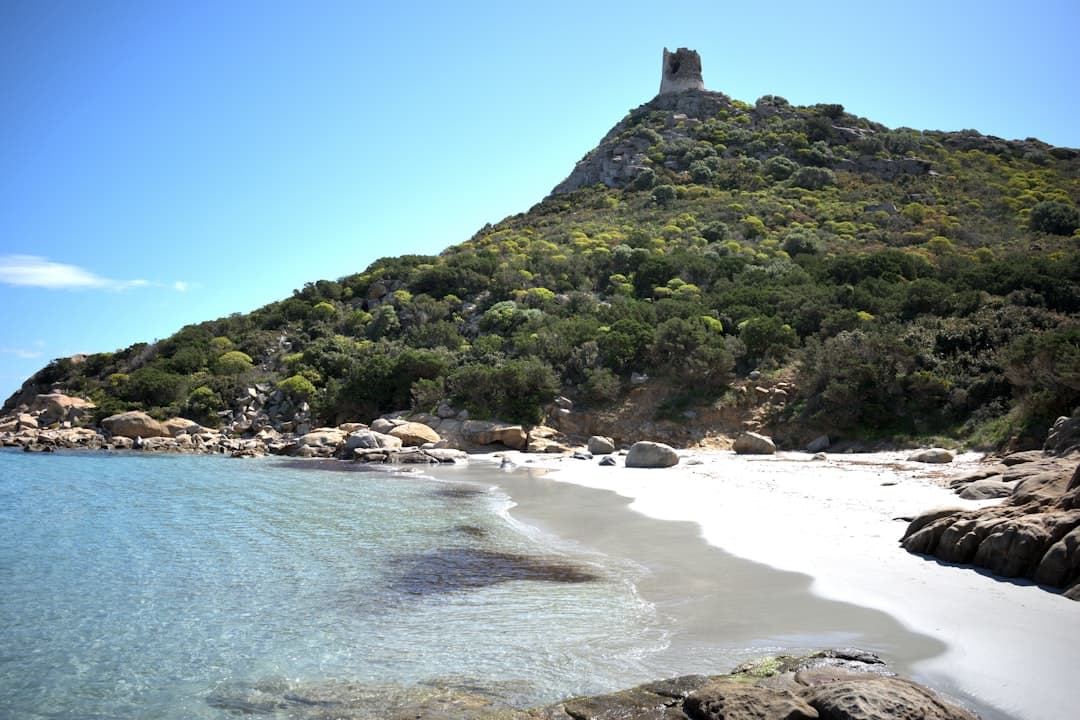
Translation into your trip: when you visit Torre del Moro or Torre de La Mata, you’re stepping into the defensive “skeleton” of the coastline—an older Mediterranean reality that predates beach tourism by centuries.
1802–1803 royal decrees + 1803 “official founding”
Torrevieja “begins” in most administrative histories in the early 19th century.
- 1802–1803: King Charles IV ordered the administration of the Royal Saltworks to be transferred from La Mata to the site of present-day Torrevieja.
- A decree in 1803 authorized moving salt administration and building residential houses for workers. This is widely treated as the official founding date.
- The local council’s historical narrative notes that the transfer of salt extraction and administration to the Torrevieja lagoon marks the administrative foundation of the current town at the beginning of the 19th century.
Torrevieja grew from a salt-mining and fishing village into an organized settlement, with a port exporting salt and shipping agricultural produce from the Vega Baja region.
1829 earthquake: one of the most destructive in 500 years
On 21 March 1829, a major earthquake struck near Torrevieja and devastated settlements across Vega Baja, described as the most destructive seismic event to affect the Iberian Peninsula in the last 500 years.
Reconstruction helped shape the urban configuration of the town. This is why certain “historic” buildings are actually post-1829 rebuilds, even if the institutions are older.
Railway, salt exports, then tourism expansion
19th–early 20th centuries:
Salt and fishing stayed central; the port exported salt, fruits, vegetables.
1884 railway (salt logistics):
The Albatera–Torrevieja narrow-gauge railway line opened in 1884, primarily to transport salt from the salinas to Alicante’s port for export. The station complex included:
- passenger building,
- locomotive shed,
- carriage houses,
- goods warehouse,
- open unloading platform.
The line closed; the station ended service on 12 January 1970.
Late 20th century:
Torrevieja—like much of the Costa Blanca—experienced tourism-driven growth. Beaches and the pink and green salt lakes attracted domestic and foreign visitors. Residential development accelerated, transforming it into a sizeable urban/tourist center.
3) Top Experiences (Narrative, do-this-first)
This section is written as if you’re planning your actual days—because you are. It blends the attraction list (Geo Agent), deep context and hours/prices (Historian Agent), sensory local texture (Vibe Agent), and review-based reality checks (Critic Agent).
A) The Pink Lake + Salinas (and the reality of “pinkness”)
1) “The Pink Lake Of Torrevieja” (Geo)
- Type: tourist attraction
- Rating: 4.2
- Total reviews: 4763
- Address: C. de las Lavanderas, 10, 03185 Torrevieja, Alicante, Spain
- Coordinates: 37.9958995, -0.7030558
2) “Visita las Salinas de Torrevieja” (Geo)
- Type: tourist attraction
- Rating: 4.2
- Total reviews: 685
- Address: Portalico, S/N, 03180 Torrevieja, Alicante, Spain
- Coordinates: 37.9960398, -0.7031059
What it feels like (Vibe Agent)
At the pink lagoon, the first impact is visual: a surreal rose tint driven by halophilic algae and bacteria. The color looks most intense under a clear blue sky—one writer calls it a “mood ring” effect: the bluer the sky, the pinker the water. The air smells strongly of salt—mineral and dry, like being near piles of sea salt or a saline spa. Underfoot, dusty paths and crunching gravel; in your ears, reeds shifting, distant birds, and at times the creak/chug of a small land train used for guided tours toward production areas.
What reviews warn you about (Critic Agent)
This is Torrevieja’s signature image, and it’s usually worth seeing—but manage expectations:
- Facilities are limited: few/no toilets, minimal shade, scarce food outlets.
- Viewpoints can be confusing; parts are fenced/off-limits due to protection and salt industry management.
- The pink color is seasonal and weather-dependent. Some visitors arrive expecting Instagram-pink and find it “just normal.”
Also: the lagoon itself isn’t a classic tourist trap (often no entry fee), but guided tours can oversell hyper-pink imagery and “spa mud bath” vibes.
On-the-ground strategy
- Treat it as a scenic stop + walk, not a full-service attraction.
- Bring water, sun protection, and assume no shade.
- If you see people ignoring “no swimming” signs, know that officially swimming is prohibited and can incur fines (Vibe Agent notes people still paddle in murkier edges despite regulations).
B) Parc Natural de Las Lagunas de La Mata y Torrevieja (Geo + Vibe + Critic)
Parc Natural de Las Lagunas de La Mata y Torrevieja (Geo)
- Type: nature preserve
- Rating: 4.4
- Total reviews: 6039
- Address: Ctra. Nacional, s/n, 03188 Torrevieja, Alicante, Spain
- Coordinates: 38.0244525, -0.6579908
Vibe
This is where Torrevieja turns quiet and open. The soundscape drops: wind through shrubs, distant road noise, bird calls. It’s a birdwatching hotspot, and flamingos are often part of the dream.
Critic reality check
Blog-review scoring notes attractiveness 4/5 and cleanliness 4/5, with moderate marks for attention and value. Pros: walking/cycling routes, viewpoints, tranquility compared with beaches. Cons: limited signage and information, sparse facilities, and wildlife sightings can be limited if you visit at the “wrong” time/day/year.
Your best use of it
- Go early or late to avoid heat and to improve the feel (and sometimes wildlife visibility).
- Treat it as a “depth layer”: it makes your beach trip feel less like mass tourism and more like “this place has a natural and industrial soul.”
C) Torrevieja’s promenades: Paseo Juan Aparicio + the Dique de Levante
Promenades are the defining Torrevieja ritual. The “paseo” tradition—an evening stroll with no destination—is where visitors say they start to feel like they belong.
Paseo Juan Aparicio (Geo)
- Type: tourist attraction
- Rating: 4.5
- Total reviews: 2005
- Address: P.º Juan Aparicio, 1, 03182 Torrevieja, Alicante, Spain
- Coordinates: 37.9744606, -0.6768692
Paseo Voladizo del Dique de Levante -Torrevieja (Geo)
- Type: tourist attraction
- Rating: 4.7
- Total reviews: 46
- Address: X888+82, Torrevieja, Alicante, Spain
- Coordinates: 37.965852, -0.6849145
Paseo de la Dique de Levante (Historian Agent deep practical details)
This is described as a 1.6 km elevated promenade built over the Levante breakwater in the port, inaugurated on 7 December 2000. It’s made of wood and metal, with modern railings and a contemporary maritime look over the older harbor wall.
- Length commonly cited as 1,600 metres (some sources mention 1,300–1,400 m, but municipal/tourism descriptions standardize 1.6 km).
- Begins near where Paseo de la Libertad and Paseo Juan Aparicio meet; ends at the Torrevieja lighthouse.
- Has five small plazas/wider squares with pergolas for shade.
- Includes a lower lane for cyclists under parts of the walkway.
- Described as an easy walk with wheelchair access (but long if you do full return).
Historical context: the dyke protected fishing and salt boats from storms and Levante winds; by late 20th century it was run-down and avoided at night; the town regenerated it around 2000 into a civic public space.
Key feature: the statue La Bella Lola / “Mujer del marinero” at the entrance:
- Bronze sculpture of a seated woman looking out to sea, homage to fishermen’s wives.
- Sculptor: Carmen Fraile
- Installed: 2000
Cost & hours:
- Free to walk.
- Open 24 hours (explicitly listed as “Abierto 24 horas”).
Critic reality check (Dique de Levante)
Rated about 4.3/5 with roughly 362 reviews. Pros: long walk into the sea, expansive views, sunsets. Cons: exposed and harsh in heat/wind, can feel repetitive, and the surrounding marina zone can be crowded and tourist-priced.
Vibe layering (what you’ll actually sense)
By late afternoon and evening, the promenade becomes a moving river of people: strollers, elderly couples, joggers, teens, street performers in places, a blend of Spanish, English, Scandinavian languages. Smells: grilled fish, paella, garlic, waffles, churros, sweet ice cream. Lights reflect on the water; neon mixes with old-style street lamps. It’s gentle stimulation—lively, but not “extreme party” (except pockets near clubs).
D) Beaches that define the trip: Cura, La Mata, Los Locos, Punta Prima
Torrevieja is “beach-first” for most travelers—yet each beach has a different crowd density, soundscape, and emotional tone.
Playa del Cura (Vibe + Critic)
Described as the heart of Torrevieja’s seaside life: compact urban beach backed by a lively promenade, bars, ice cream.
Sensory detail (Vibe):
- Sound: kids squealing, splash rhythm, café terrace chatter, waiters calling orders, clink of glasses, bar music, distant scooters.
- Smell: sunscreen, fried seafood, salty tang near chiringuitos.
- Feel: warm sand; water often described as crystal-clear and calm reflecting intense Costa Blanca light.
- Sunset: prime spot for evening drinks; orange-pink sky; city lights behind; promenade fills.
Stories:
- Nickname “Priest’s Beach” (“Priest’s Beach” allusion) tied to historical respectability as central town beach.
- Evokes belonging despite crowds; it’s lived-in, family-coded.
Reviews (Critic):
- ~3.7/5 from about 401 reviews.
- Pros: atmosphere, walkability, bars and restaurants, classic seaside town vibe.
- Cons: small and very crowded; towels almost touching; water quality opinions vary; some litter/murkiness complaints.
- Warning: promenade venues can have mixed service; example: La Terracica gets complaints about slow/inattentive service and being ignored despite nice setting.
Verdict: Must-see for the Torrevieja “pulse,” but if you want tranquil sunbathing, you may prefer La Mata or other spots.
Playa de La Mata (Vibe + Critic)
Often highlighted as longer and more spacious, slightly away from tight urban core.
Vibe: Long golden sand, more open horizon, dunes and low-rise buildings. Strong marine smell; more distinct waves; bird life and walking routes that connect toward nature park. Lower density of voices than Cura.
Reviews (Critic):
- Pros: long stretch of sand = easier to find space; praised for cleanliness and maintenance; beach bars/restaurants.
- Cons: still crowded in high summer; vibe can be “resort and expat-heavy” with lots of English menus; parking tough peak season; public transport planning needed.
Verdict: Often seen as one of the better beaches, especially for space + classic strand feel.
Playa de Los Locos (Vibe Agent)
Listed among Torrevieja’s most popular beaches: golden sands and clear waters.
Vibe: Classic sea-and-sand with apartments behind; kids, gentle surf, occasional music in season; smells of salt spray and sunscreen plus nearby cafés. Name (“Beach of the Crazy”) triggers expectations of wildness, but blogs say it’s often family-friendly, with name tied to historical sanatorium/local stories rather than current chaos.
Punta Prima (Vibe + Critic)
A beach option further south, often part of beach-hopping.
Vibe: Rocky outcrops, small coves, textured wave sound on rocks. Bars and terraces but less dense than central areas; feels like someone’s neighborhood.
Reviews (Critic):
- ~3.9/5 from 348 reviews.
- Pros: scenic setting, relaxed day, nearby bars, good if you’re staying close.
- Cons: crowds peak season; limited parking; more residential/holiday-home than “destination.”
E) Parks and slow afternoons: Parque de las Naciones, Doña Sinforosa, Aromático, Molino de Agua
Torrevieja is not only sea-and-salt; parks are key “breathing spaces,” especially for families, walkers, and anyone who wants shade or a slower rhythm.
Parque de las Naciones (Geo + Critic + Vibe)
- Type: park
- Rating (Geo): 4.4
- Total reviews (Geo): 8571
- Address: Rda. Cesar Canovas Girada, 03181 Torrevieja, Alicante, Spain
- Coordinates: 37.9829246, -0.689211
Reviews (Critic):
- Ranked around #3 of 60 things to do.
- ~4.1/5 from 444 reviews.
- Pros: ponds, wildlife, play areas, open grassy spaces; “paradise for moms with kids,” roosters/ducks, safe paths; cafés nearby; can spend an hour or whole day.
- Cons: can be worn or poorly maintained; occasional litter/vandalism/aging equipment; noisy/crowded peak times; wildlife droppings/mess.
Vibe: Birdsong, kids’ playground sounds, soft traffic rumble, smells of cut grass and ornamental plants, palpable shade and coolness compared to sun-baked streets.
Verdict: One of the best low-cost family-friendly stops; not a manicured botanical garden.
Parque Doña Sinforosa (Geo)
- Type: park
- Rating: 4.2
- Total reviews: 2061
- Address: C. Doña Sinforosa, 2, 03185 Torrevieja, Alicante, Spain
- Coordinates: 37.9758005, -0.6896975
Use it as part of your “Acequión + station area + waterfront” wandering.
Aromático Park (Geo)
- Type: park
- Rating: 4.2
- Total reviews: 1499
- Address: Av. Torreblanca, 29, 03183 Torrevieja, Alicante, Spain
- Coordinates: 38.008627, -0.6636788
Molino de Agua Park (Geo)
- Type: city park
- Rating: 4.5
- Total reviews: 2383
- Address: 03188 Torrevieja, Alicante, Spain
- Coordinates: 38.014191, -0.6577263
F) Museums & heritage you can actually fit into a beach trip
Torrevieja’s cultural attractions are described (Critic Agent) as modest in scale—so the key is choosing the ones that punch above their weight, are central, and fit into beach/promenade days.
1) Museo del Mar y de la Sal (Geo + Historian)
- Type: museum
- Rating (Geo): 4.1
- Total reviews (Geo): 613
- Address: C. Patricio Perez, 10, 03181 Torrevieja, Alicante, Spain
- Coordinates: 37.976801, -0.684337
History & significance (Historian):
- Municipal ethnological museum dedicated to maritime and salt heritage.
- Inaugurated February 1995 at Patricio Pérez 10 in the center—described as still “provisional premises.”
- Often described as “probably the most important museum in the locality” because it explains Torrevieja’s origins and transformation into a salt-exporting center.
- Focus: everyday work and culture (ethnology), not fine art.
Collections & highlights:
- Salt craftsmanship: artesanía salinera (decorative objects made of salt crystals).
- Historical photographs (salt works, harbor, sailing ships, daily life 19th–20th centuries).
- Ship models (maquetas de barcos).
- Fishing/navigation equipment (nets, tools, instruments).
- Archaeological material.
- Star exhibit: model/diorama of sailing vessel “Pascual Flores”.
Practical:
- Free entrance (multiple sources explicitly say free).
- Hours vary slightly across sources. Common pattern:
- Closed Monday
- Tuesday: 10:00–14:00
- Wednesday–Saturday: 10:00–14:00 and afternoon ~17:00–21:00 (or 16:30–20:30 depending on source)
- Sunday: 10:00–13:00
- Contact: 966 704 643 (municipal), and some list 603 86 33 26.
How to use it: Do it on a hotter day as a midday break from sun, then walk to the port/promenade.
2) Submarine S-61 “Delfín” – Floating Museum (Geo + Historian + Critic)
Geo lists:
- Name: Submarine S-61 - Floating Museums
- Type: museum
- Rating: 4.3
- Total reviews: 1184
- Address: Av. del Puerto, 03181 Torrevieja, Alicante, Spain
- Coordinates: 37.972468, -0.681195
Historian deep details:
- Only Spanish Navy submarine converted into a floating museum in Spain; one of the most unique attractions in the port.
- Class Delfín (derived from French Daphné).
- Built/launched 1973, entered service same year; served approx 1973–2003.
- Donated to Torrevieja in 2004; city had “sponsored” it after launch and gave first combat flag in 1971.
- First Navy ship converted into floating museum; only Navy submarine open to public.
- First 10 years: over a million visitors.
Inside experience:
- Torpedo compartment.
- Command/control center with navigation/sonar/comms, analog 1970s instrumentation.
- Periscopes and observation systems.
- Compact bunks, mess, shared spaces—claustrophobic feel.
- Engine room with diesel engines; diesel-electric propulsion.
- Panels often Spanish, sometimes English.
Practical (Historian):
- Ticket: around 2 €.
- Minimum height: 1.15 m.
- Some sources: residents with Torrevieja “tarjeta ciudadana” may get free entry.
- Hours vary:
- Often Tuesday–Saturday mornings around 9:30–13:00/13:30 (sometimes to 14:00).
- Seasonal alternative mentioned: Oct–Mar Wed–Sun 09:00–14:00; Apr–Sep Wed–Sun 17:00–21:00.
- Summer sometimes afternoons/nights ~17:00–22:00 (varies; verify).
- Closures: Mondays, sometimes Sundays, public holidays, rainy days (strongly emphasized).
Critic reality check: Floating museums are “cheap things to do,” around 4.1/5 with ~230 reviews (for the pair). Pros: surprisingly interesting, good value, central. Cons: small, brief visit, tight spaces and ladders; limited language support.
3) Patrullero Albatros III – Floating Museum (Historian)
- Served in Servicio de Vigilancia Aduanera (Customs Surveillance).
- Became museum ship on 23 March 2006.
- Approx dimensions: 32 m length, 5.38 m beam, draft ~3 m.
- Speed up to 30 knots.
- Ticket: municipal listing says €2 (older write-ups say €1).
- Hours: municipality lists Tuesday–Saturday 09:30–13:00, another city listing says 09:30–14:00.
- Closed rainy days and public holidays.
- Often visited together with submarine.
4) Iglesia Arciprestal de la Inmaculada Concepción (Historian + Critic)
Why it matters: Main parish church; key religious and historical landmark; neoclassical rebuild after earthquake; free entry.
Timeline:
- First church built 1789 in small fishing settlement (precursor to modern Torrevieja).
- Destroyed/severely damaged in 1829 earthquake.
- Reconstruction began 1844, reusing stones from destroyed church and from the Torre Vigía de las Eras de la Sal (the old watchtower tied to the town’s name).
- Main body completed 1880.
- Twin towers finalized 1907.
- Dedicated to the Immaculate Conception (La Purísima), patron saint central to festivals and habaneras culture.
Tickets: free (active parish; no admission fee listed).
Mass/opening hours (indicative):
- Winter (approx Oct–Apr):
- Mon–Sat: 10:00 and 19:30
- Sun/holidays: 09:00, 11:00, 12:00, 19:30
- Summer (approx May–Sep):
- Mon–Sat: 10:00 and 20:00
- Sun/holidays: 09:00, 11:00, 12:00, 20:00 Visiting outside mass times not formally specified; practical approach: arrive shortly before/after masses.
Critic reviews:
- Church around 4.3–4.4/5 with ~116–117 reviews.
- Plaza around 4.2/5 with ~80 reviews.
- Pros: pretty, well-kept, local culture.
- Cons: pleasant but not remarkable for some; busy area; limited interpretive material.
5) Plaza de la Constitución (Historian)
Central civic square framed by Town Hall and church.
- Described as the “center” and “heart” of the city.
- Mediterranean square with palm trees, flowerbeds, central fountain.
- Seasonal atmosphere notes:
- Spring: scents of orange blossoms and flowering plants.
- Summer: vibrant stage for music and outdoor social life.
- Autumn: mature trees offer softer shade.
- Christmas: illuminated festive space with nativity scenes, Christmas tree, decorations; major seasonal attraction.
- Open 24 hours, free.
- Nearby Tourist Info Torrevieja office hours (important planning reference):
- Sep–Jun: Mon–Fri 09:00–19:00
- Jul–Aug: Mon–Fri 09:00–20:00
- Sat/public holidays: 09:30–13:30
- Sundays: closed
6) Sociedad Cultural Casino de Torrevieja (Historian)
A major emblematic building and social/cultural institution.
History:
- Founded 1867 (some sources cite 1 Feb 1867) as Casino de Torrevieja; soon called Casino la Numancia.
- Current building constructed 1896 in Valencian modernist/eclectic historicist style.
- Architects: José Guardiola Picó and Tomás Aznar (per encyclopedic sources).
- During Spanish Civil War used as republican army barracks; later restored.
Interior highlights:
- Main hall with magnificent artesonado (coffered wooden ceiling).
- Neo-Nazarí / neo-nazarite Moorish hall built in 1901 by Andalusian experts; described as “mozárabe” style in municipal sources; evokes Granada/Nazarí motifs.
- “Generación del 98” room mentioned in some guides.
- Location: Paseo Vistalegre, 14, seafront.
Practical:
- A recent official tourist sheet: open daily 9:00–24:00, may vary on holidays.
- No published ticket prices; best inference: no general paid entry (likely free access to café/public areas; events may be paid).
7) Eras de la Sal (Historian)
Historic salt-loading complex turned cultural venue, strongly linked to the habaneras contest.
History:
- Origin late 18th century; works around 1776–1777.
- Initial jetty and West Pier (masonry) built 1776–1777.
- Expanded 1835–1841 with East Pier.
- Active industrial use until 1958–1959, when loading shifted to new Muelle de la Sal.
- In 1990s, transferred from State to city on condition used for culture; restored.
- Designated Conjunto Histórico Monumental.
- Hosts Certamen Internacional de Habaneras y Polifonía (International Tourist Interest).
- A 2020s transformation includes new open-air auditorium facing sea, capacity about 1,502 seats (fixed and removable stands), designed as tourist viewpoint.
What to see:
- Historic piers (Poniente and Levante).
- Reconstructed wooden caballete gravity-loading structure with hoppers (tolvas).
- Esplanade where salt mounds once stood and events now staged.
- Views of bay and salinas geography.
Practical:
- Site itself: inferred free outdoor access (public space; no standard entrance fee described).
- Events: ticketed, event-dependent; check municipal culture / Música y Sal / Habaneras contest channels.
- Hours: not explicitly listed; assumed accessible most of day like waterfront spaces; verify signage due to construction/event restrictions.
8) Museo de la Habanera “Ricardo Lafuente” (Historian)
A small museum tied to Torrevieja’s habanera identity, but may be temporarily closed.
Who: Ricardo Lafuente Aguado (1933–2008) composer of habaneras incl. “Torrevieja” and Himno de Torrevieja; director of choir “Salinas de Torrevieja”; named Hijo Predilecto.
Museum:
- Given his own museum in 1996.
- Located in old railway station complex: Parque/Avenida de la Estación s/n.
- Holds recordings, photos, instruments, paintings, plaques, awards, personal belongings.
- Connected to habanera tradition and contest started 1955.
Practical uncertainty:
- Some inventories say temporarily closed with reopening planned.
- Various hours listed across sites:
- Mon–Fri 10:15–13:15 and 16:30–19:30
- Or Mon–Fri 9:00–14:00
- Or Tue–Sat 10:00–13:30 (coordinated with Natural History Museum area)
- Ticket price unclear; likely free or symbolic (0–2 €) when open.
Plan: Treat it as a “check locally” stop—pair with station complex visit.
9) Museo de Semana Santa “Tomás Valcárcel Deza” (Historian)
Holy Week museum with free entry; strong cultural identity.
History:
- First stone: 3 Feb 1991
- Inaugurated/blessed: 30 May 1992
- Managed by Junta Mayor de Cofradías.
- Named for Tomás Valcárcel Deza (director artístico, hijo predilecto/adopted citizen).
- Houses replica of La Purísima Concepción carved by Antonio Castillo Lastrucci in 1947 (donated by Valcárcel).
Collections:
- Processional images (Cristo, Virgen, saints) used in Semana Santa.
- Thrones/pasos, embroidered banners, sculpture school works, paintings.
- Example: image of San Juan Evangelista kept there with complete patrimony.
- Closed in weeks prior to Semana Santa due to procession preparations (explicitly stated).
Practical:
- Free entrance.
- Hours vary by source:
- Mon–Fri 10:00–13:30 and 17:00–20:00
- Or Mon–Sat 10:00–13:00 and 16:00–19:00
- Address: Calle Formentera, s/n.
- Phone: 966 70 80 37
- Email: museo@semanasantatorrevieja.com
10) Antigua Estación del Ferrocarril / Parque de la Estación (Historian)
Old station complex turned park + exhibitions + salt interpretation center.
History:
- Albatera–Torrevieja line opened 1884, mainly for salt export logistics.
- Closed; station ended service 12 Jan 1970.
- Late 1990s: city requested RENFE cession; restored buildings into exhibition rooms, museums, and Centro de Interpretación de las Salinas; old tracks area became Parque de la Estación.
What to see:
- Passenger building (now exhibition hall).
- Three attached warehouse naves; one is Salinas interpretation center.
- Urinal hut and cargo warehouse.
- Locomotive shed with large arched doors.
- Outside: vagoneta salinera and a serpentín (salt process structure).
- Park includes skatepark and open areas.
Practical contradictions (preserved):
- Park hours: one source says daily 10:00–21:30; another says open 24 hours.
- Park entry: free.
- Exhibition room hours:
- One guide: Tue, Thu, Sat 10:00–14:00 (free).
- Another: two daily shifts 11:00–13:30 and 17:00–20:00, closed Mondays.
- Recommendation: call 966 70 68 38 to confirm.
G) On-the-water thrills: parasailing, jetski, boat experiences
Torrevieja isn’t only walking and lounging; there’s a clear “marina activity” layer, especially around the Club Náutico.
Parasailing Torrevieja (Geo)
- Rating: 4.3
- Total reviews: 250
- Address: Pso. vistalegre (Real, Club Náutico, 03181 Torrevieja, Alicante, Spain
- Coordinates: 37.9751403, -0.683228
JetSki Club Torrevieja (Geo)
- Rating: 4.2
- Total reviews: 732
- Address: Club Náutico de Torrevieja, P.º Vistalegre, s/n, 03181 Torrevieja, Alicante, Spain
- Coordinates: 37.9752712, -0.6831144
Bella Torrevieja (Geo)
- Rating: 5.0
- Total reviews: 42
- Address: Paseo vistalegre, Pantalan B, P.º Dique de Levante, s/n, amarre 04, 03181 Torrevieja, Alicante, Spain
- Coordinates: 37.9702857, -0.683923
Critic/Vibe cross-notes:
- The marina area is framed as nightlife hub (bars, clubs) and a social focus; Real Club Náutico offers “amazing views” of boats.
- On busy nights: layered hum of laughing groups, footsteps on decking, music, motorbikes.
- Smell blend: fuel + sea + cooking aromas (grilled seafood, paella).
- This zone is also where tourist-oriented pricing is more likely (cocktails, sea-view premiums).
H) The tourist train: the “easy button” for orientation
Tren Turístico de Torrevieja - Trainvision Spain S.L. (Geo)
- Type: tourist attraction
- Rating: 4.6
- Total reviews: 2981
- Address: Calle Zv 54, 64A, 03184 Torrevieja, Alicante, Spain
- Coordinates: 37.97866, -0.69609
This is especially useful early in your stay: it gives you a mental map without walking in full heat. (Also: vibe sources mention land-train tours to salt production areas that are otherwise closed to public; those are a distinct “train experience” in the lagoons context.)
4) Hidden Gems & Lesser-Known Stops (Still Worth Your Time)
These are the kinds of places that don’t always headline “Top 10” lists, but can become the most memorable parts of a real trip—especially if you’re staying more than a few days.
Miradors, sculptures, and small “why is this here?” moments
Mirador Playa Del Cura (Geo)
- Type: scenic spot
- Rating: 4.5
- Total reviews: 23
- Address: C. Ramón y Cajal, 74, 03181 Torrevieja, Alicante, Spain
- Coordinates: 37.9761582, -0.6714374
A tiny-reviewed but high-rated lookout—perfect for quick pauses, photos, and a less crowded “Cura moment.”
Bufador Torrevieja (Geo)
- Type: tourist attraction
- Rating: 4.6
- Total reviews: 20
- Address: Torrevieja, Alicante, Spain
- Coordinates: 37.9741677, -0.6768849
“Bufador” implies a blowhole-like sea feature—often best when the sea is active. Because it’s small-review-count, treat it like a scavenger-hunt stop on your promenade walk.
Musicos der Torrevieja (Geo)
- Type: tourist attraction
- Rating: 4.6
- Total reviews: 16
- Address: Centro, 03181 Torrevieja, Alicante, Spain
- Coordinates: 37.9756076, -0.6814829
A micro-attraction—likely a statue/marker connected to music culture (Torrevieja’s habaneras tradition makes this feel thematically aligned). Great for “walk and notice” travelers.
Lighthouses and edges of the city
Faro Torrevieja (Geo)
- Type: scenic spot
- Rating: 4.5
- Total reviews: 1202
- Address: Torrevieja, Alicante, Spain
- Coordinates: 37.9645293, -0.6873124
The lighthouse is a destination anchor at the end of the Dique de Levante walk—your classic “walk out into the sea” finish line.
Historic watchtowers (views + defensive history)
Torre del Moro (Historian + Critic)
- Coastal watchtower on Cabo Cervera; viewpoint park area.
- Origins tied to early 14th century permissions by James II; authorization 1312, tower documented around 1320 in some sources.
- Destroyed/damaged in 1378 by Muslim galleys; 16th-century reconstruction linked to engineer Juan Bautista Antonelli; named Torre del Moro from this intervention.
- Signals: smoke by day, fire by night; linked between Torre Vieja and Torre de La Mata.
- Restored 1960; declared BIC 1985; refurbished 1994.
- Architecture: circular plan, truncated conical profile; masonry; about 10 m height.
- Ticket: free (inferred).
- Hours: municipal listing says open 24 hours.
- Critic rating around 3.6/5 from 141 reviews; “mildly interesting,” limited inside.
Torre de La Mata (Historian)
- At least 14th-century origins; bombarded 1358; reconstructed 1383 by Orihuela council (with two large houses next to tower).
- Present structure largely 16th-century rebuild by Juan Bautista Antonelli; part of pirate-defense network.
- Protects salt trade: guarded Era de la Sal de la Mata and adjacent loading pier; 1787 military description says armed with a bronze cannon.
- Repair interventions 1982; BIC status.
- Architecture: circular truncated conical masonry tower, approx 5–5.5 m diameter, about 5.5 m height; contiguous protective wall mentioned.
- Likely free external viewing; effectively accessible all day (some commercial listing claims 24/7).
- Nearby Tourist Info La Mata office: weekdays around 09:00–14:00/14:30; weekends usually closed.
5) Culture & Atmosphere (What it feels like, hour by hour)
Torrevieja’s culture is not primarily “museum culture” (though it has meaningful heritage). It’s street-level culture—a daily rhythm.
Morning: calm, practical town energy
In the town center, the soundscape is café chatter, cups and cutlery, scooters weaving through streets, TVs in sports bars. Smells shift through the day: coffee and pastries in the morning; fried tapas and grilled dishes later; perfume and sometimes cigarette smoke at night. Some bloggers emphasize “cool, quirky stores,” sports bars, and veggie/ethical options—creating a sub-vibe of unexpected diversity for dietary or lifestyle travelers.
Afternoon: beach amphitheaters and heat management
Playa del Cura becomes a dense social amphitheater in summer—extremely busy. The beach is not a secluded nature scene; it’s a city beach with services, noise, and the comfort of being surrounded. La Mata offers more space and a more open horizon.
The salt lake and natural park become intense in heat: limited shade, minimal facilities. Plan accordingly.
Evening: the paseo ritual (Torrevieja’s signature)
The promenade becomes a moving river of people. Languages mix: Spanish, English, Scandinavian languages, others. You can blend in easily—great for solo travelers who like people-watching without feeling “observed.” There’s a low carnival edge near night markets and marina pockets: vendors, the whirr of rides in some areas, street performers.
Night: marina-focused nightlife vs gentle buzz elsewhere
If you want nightlife, guides point you toward the marina and seaclub-style venues; otherwise, Torrevieja is more “steady buzz” than full-on party town. Critics note some waterfront venues lean on views more than quality/value; service can be uneven.
6) Food, Nightlife, Markets & Local Experiences
This section preserves the agents’ specifics: named nightlife venues mentioned in review research, the market atmosphere descriptions, and the “how it works” advice.
A) Nightlife & bars (marina and promenade zones)
The Critic Agent lists nightlife/dining as prominent and names venues that show up in nightlife guides:
- Bianco Seaclub – stylish décor and marina views; cocktails and tapas; “captures the essence of relaxation.”
- Keeper Bar – live music or DJ sets; popular among younger crowds.
- Tropic 222 – mentioned among nightlife references.
Pros (reviews/guides):
- Variety: British-style pubs, Spanish tapas bars, seafront lounges.
- Social energy especially in summer.
- Many visitors find a few places they genuinely enjoy.
Cons / warnings:
- Service inconsistency: some staff/owners perceived as unfriendly or inattentive.
- Many places lean on location rather than food quality: mediocre tapas/generic menus.
- Peak season: crowded and noisy near marina.
- Tourist-oriented pricing more likely: high cocktail prices, higher drink costs than inland, occasional unclear charges (bread/service). Advice: check menus and bills carefully.
B) The night market / “Hippy Market” (Vibe Agent)
Described as a night market running through marina area toward Playa del Cura—souvenir and craft stalls, locally called “hippy market.”
Sensory map:
- Sound: soft vendor calls, rustle of clothes, shuffle of footsteps; bar music; occasional street performance.
- Smell: incense/oils, leather goods, sugary crepes/churros, roasted nuts; warm summer air mixed with sea humidity and perfume/cologne.
- Visual: ribbon of light along water; jewelry and crafts sparkle; colorful fabrics move in breeze.
Emotional effect: Gentle nostalgia; easy “holiday night” feeling; buying small mementos becomes part of the ritual.
C) Mercadillo Torrevieja (Critic Agent)
Street market listed among popular attractions.
Pros:
- Variety: clothes, household items, produce, souvenirs.
- Often reasonable prices vs promenade tourist shops.
- Local-life feel.
Cons:
- Crowded/chaotic, narrow aisles.
- Uneven quality, especially cheap clothing/trinkets.
Warnings:
- Be cautious with cheap electronics, counterfeit brands, unclear prices.
- Verify prices and check change in crowds.
D) “Local experience” that’s actually local: fishing heritage in the port (Vibe Agent)
Some travel narratives mention fishermen mending nets near cafés. Smells: raw fish, damp nets, diesel; sounds: clatter of equipment, low voices. This working reality sits next to polished yacht culture—one of Torrevieja’s most authentic contrasts.
E) Habaneras identity (Historian + Critic)
Torrevieja’s habaneras tradition is not just a “festival thing”; it’s a cultural signature:
- Certamen Internacional de Habaneras y Polifonía began 1955.
- Eras de la Sal is a key venue; contest is of International Tourist Interest.
- Museo de la Habanera Ricardo Lafuente exists (though may be temporarily closed), anchoring this tradition in place.
If you can align your dates with habaneras programming, you’ll see Torrevieja’s identity at full volume.
7) Practical Tips & Warnings (Crowds, pricing, closures, expectations)
This section is intentionally blunt, because it’s what you need right before a trip.
A) Crowd reality: when Torrevieja feels “mass tourism”
Repeated complaint: crowding in high season. Beaches, water parks, promenades—especially August—can feel packed.
How to win anyway:
- Go to beaches early morning or late afternoon.
- Use La Mata for more space.
- Do promenades after sunset when it’s lively but cooler.
- If you hate crowds, treat central Cura beach as a “visit” not an all-day base.
B) Water parks: Aquopolis vs Aquapark Flamingo (Critic Agent)
Aquopolis Torrevieja
- ~1,400–1,480 reviews, rating ~3.5/5.
- Pros: kids enjoy it; variety of slides/pools; can be clean/maintained on good days.
- Cons: overcrowding, very long queues; difficulty getting rings; food outlet service slow/chaotic (up to 45 minutes for a drink); high prices with many add-on charges (loungers, lockers); lifeguards sometimes seen as unfriendly/whistle-obsessed.
- “Tourist trap” language appears in negative reviews (“robbed”)—not scam, but value disappointment.
- Best approach: go on quieter day, accept extras, manage expectations.
Aquapark Flamingo
- Rating around 4.1/5, ~379 reviews.
- Pros: clean, friendly, manageable size; shorter queues; better reputation/value than Aquopolis for families.
- Cons: fewer thrill slides; limited food/facilities; often better for half-day.
- Still can be crowded peak weeks, but usually less severe.
C) Lagoon expectations: pink is not guaranteed
The pink lake is weather/season dependent. Also, facilities are limited and viewpoints can be fenced. Don’t plan it like a theme park; plan it like a nature stop.
D) Marina/promenade dining: location premiums and service variability
Critic Agent repeatedly notes tourist-oriented pricing and mediocre service in some seafront venues. Specific example: La Terracica complaints (slow, inattentive). This doesn’t mean you’ll have a bad time—it means:
- Use recent reviews,
- compare menus,
- step one or two streets inland for better value.
E) Floating museums: closures and access constraints
Submarine and Albatros:
- Can close on rainy days and public holidays.
- Submarine has minimum height requirement 1.15 m and tight spaces; not ideal for mobility issues or claustrophobia.
- Hours vary by season; safest window is typically Tue–Sat mornings around 9:30–13:00, but verify.
F) Hours contradictions: trust but verify (and why you’re seeing both)
This guide preserves all research detail, including contradictory hour listings (e.g., Parque de la Estación: 10:00–21:30 vs 24h). In Spain, municipal facilities often shift schedules seasonally, by staffing, or due to events. Your move:
- Use Tourist Info Torrevieja as your “truth anchor.”
- Call numbers provided (museum contacts, station interpretation center, etc.).
- Check signage on arrival.
G) Safety and scams: normal coastal-town precautions
No strong pattern of serious crime or unique Torrevieja scams is highlighted; it’s treated as typically safe. Standard precautions:
- Pickpockets in crowded promenades and markets.
- Check bills, taxi fares, tour inclusions.
- Be alert to “view-first” venues charging more than inland.
8) Conclusion: How to Make Torrevieja “Work” for Your Trip
Torrevieja rewards travelers who stop trying to make it something else.
If you arrive expecting an ancient hilltop old town with dramatic vistas, you may agree with the critical blog that it’s “flat” and “less picturesque.” But if you arrive ready to live a Mediterranean rhythm—beach mornings, salt-lake strangeness in the afternoon, paseo evenings, and casual tapas nights—Torrevieja becomes deeply satisfying.
The experiences most likely to live up to the hype (Critic Agent):
- Parque de las Naciones
- The lagoons / pink lake (with realistic expectations)
- Walking the Dique de Levante
- Floating museums (cheap and different)
The experiences most likely to disappoint:
- Aquopolis on peak days (queues + costs)
- Central beaches when packed (especially Playa del Cura)
- Some promenade restaurants relying on location
Your Torrevieja formula:
- Choose one “iconic” thing per day (pink lake / Dique / museum / beach).
- Add one “local rhythm” thing (evening paseo + a market browse).
- Add one “breather” (park, mirador, or quieter beach stretch).
- Keep expectations realistic: this is a living coastal town built on salt and sea, not a curated open-air museum.
Appendix: Complete Geo Agent Attraction List (All 19, Preserved with Details)
Below is the full set of attractions identified by the Geo Agent, included verbatim in content form so you can plan around them:
- Visita las Salinas de Torrevieja — Portalico, S/N, 03180 Torrevieja — Rating 4.2 (685) — 37.9960398, -0.7031059
- The Pink Lake Of Torrevieja — C. de las Lavanderas, 10, 03185 — Rating 4.2 (4763) — 37.9958995, -0.7030558
- Paseo Juan Aparicio — P.º Juan Aparicio, 1, 03182 — Rating 4.5 (2005) — 37.9744606, -0.6768692
- Parasailing Torrevieja — Pso. vistalegre (Real, Club Náutico, 03181 — Rating 4.3 (250) — 37.9751403, -0.683228
- Tren Turístico de Torrevieja - Trainvision Spain S.L. — Calle Zv 54, 64A, 03184 — Rating 4.6 (2981) — 37.97866, -0.69609
- Parque de las Naciones — Rda. Cesar Canovas Girada, 03181 — Rating 4.4 (8571) — 37.9829246, -0.689211
- Parque Doña Sinforosa — C. Doña Sinforosa, 2, 03185 — Rating 4.2 (2061) — 37.9758005, -0.6896975
- Parc Natural de Las Lagunas de La Mata y Torrevieja — Ctra. Nacional, s/n, 03188 — Rating 4.4 (6039) — 38.0244525, -0.6579908
- JetSki Club Torrevieja — Club Náutico de Torrevieja, P.º Vistalegre, s/n — Rating 4.2 (732) — 37.9752712, -0.6831144
- Bella Torrevieja — Paseo vistalegre, Pantalan B, P.º Dique de Levante, s/n, amarre 04 — Rating 5.0 (42) — 37.9702857, -0.683923
- Aromático Park — Av. Torreblanca, 29, 03183 — Rating 4.2 (1499) — 38.008627, -0.6636788
- Faro Torrevieja — Torrevieja — Rating 4.5 (1202) — 37.9645293, -0.6873124
- Paseo Voladizo del Dique de Levante -Torrevieja — X888+82 — Rating 4.7 (46) — 37.965852, -0.6849145
- Museo del Mar y de la Sal — C. Patricio Perez, 10, 03181 — Rating 4.1 (613) — 37.976801, -0.684337
- Mirador Playa Del Cura — C. Ramón y Cajal, 74, 03181 — Rating 4.5 (23) — 37.9761582, -0.6714374
- Molino de Agua Park — 03188 — Rating 4.5 (2383) — 38.014191, -0.6577263
- Musicos der Torrevieja — Centro, 03181 — Rating 4.6 (16) — 37.9756076, -0.6814829
- Bufador Torrevieja — Torrevieja — Rating 4.6 (20) — 37.9741677, -0.6768849
- Submarine S-61 - Floating Museums — Av. del Puerto, 03181 — Rating 4.3 (1184) — 37.972468, -0.681195
If you want, I can generate ready-to-use day-by-day itineraries (3 days / 5 days / 7–10 days) that explicitly weave in: pink lake timing for best color, museum opening windows, sunset promenade routing, and “avoid the trap” dining zones—using only the hours/prices/warnings preserved above.