Pescoluse Travel Guide: The Complete “Already Booked” Guide to the Maldives of Salento
You’ve already booked your trip to Pescoluse, so this guide is written for the moment you are in right now: not “Should I go?” but “How do I make the most of it?”
Pescoluse — officially Marina di Pescoluse — is a small seaside hamlet of the municipality of Salve, in the province of Lecce, in southern Puglia. It sits on the Ionian coast of the Salento peninsula, between Torre Vado and Torre Pali, not far from Santa Maria di Leuca, the symbolic southern tip of Italy’s heel.
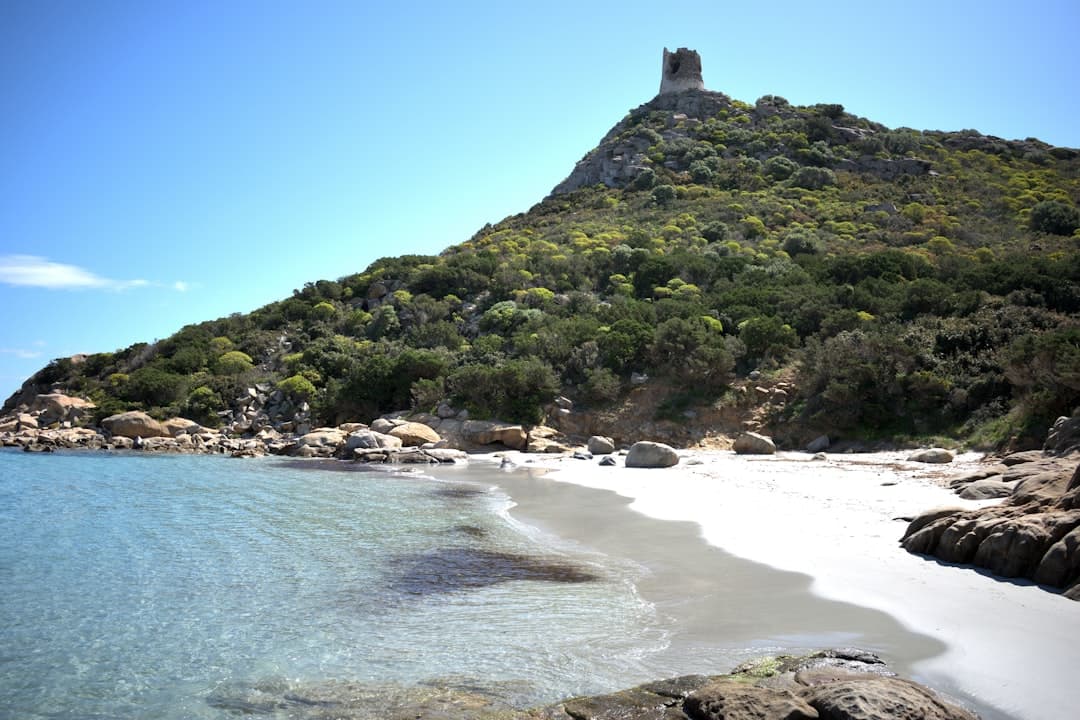
It is famous above all for one image: fine pale sand, shallow transparent turquoise water, and a long low coastline nicknamed “Le Maldive del Salento” — the Maldives of Salento. But Pescoluse is not only a beach. Around it are prehistoric dolmens, fortified farm towers, dry-stone rural huts, pilgrimage sanctuaries, coastal watchtowers, inland historic centers, museums, boat excursions, sunset rituals, summer markets, lidos, free beaches, and a whole practical reality of parking, crowds, prices, and seasonal rhythms.
This guide combines every major attraction, historical detail, atmosphere note, practical tip, review insight, and warning from the research. It is intentionally extensive, so you can use it as a full planning companion before and during your stay.
Quick Orientation: What Pescoluse Is — and Is Not
Pescoluse is not a large historic town with a dense old center, major museums, or nightlife districts. It is a modern seaside resort hamlet attached to the inland town of Salve. Its main “monument” is the beach itself: a long sweep of soft sand and shallow sea.
Pescoluse at a Glance
- Official identity: Marina di Pescoluse, a seaside hamlet (frazione) of Salve
- Region: Puglia / Apulia
- Province: Lecce
- Area: Salento peninsula
- Sea: Ionian Sea
- Nearby coastal points: Torre Vado, Torre Pali, Lido Marini, Posto Vecchio, San Gregorio
- Nearby cultural bases: Salve, Ugento, Presicce, Santa Maria di Leuca, Gallipoli, Otranto, Lecce
- Nickname: Maldive del Salento
- Best for: beach days, families, shallow swimming, sunsets, lidos, free beach, boat trips, relaxed summer life
- Less ideal for: major nightlife, urban culture without a car, museum-heavy itineraries, quiet seclusion in August
The Core Reality
Pescoluse is genuinely beautiful, and the water really can look Caribbean-like in the right light. But it is also popular, commercialized in high season, and crowded in July and especially August. The smartest way to enjoy it is to arrive with realistic expectations:
- Think top Italian family beach, not remote tropical island.
- Use June and September if you want the best balance of sea, services, and space.
- In peak season, arrive early, book lidos in advance, and expect parking pressure.
- If prices at famous beach clubs feel inflated, use the free beach sections or compare secondary lidos.
1. The Story of Pescoluse: From Prehistory to Beach Resort
Pescoluse does not have the history of an independent city because it has never been one. Its story is the coastal chapter of the longer history of Salve and lower Salento. The land behind today’s beach was inhabited long before there was a resort, a seafront, or rows of umbrellas.
Prehistoric Pescoluse and the Salve Territory
Human presence in the Pescoluse–Salve area goes back to prehistoric times. The most important local symbol of this deep past is Dolmen Argentina, also known as Dolmen Argentina–Graziadei, located just inland from the modern resort.
This small megalithic monument proves that the countryside around Pescoluse was already a humanized landscape in prehistoric or very early times. It belongs to the wider network of dolmens and menhirs in Salento, monuments connected to ritual, funerary, pastoral, and possibly solar or cultic symbolism.
The broader territory of Salve has archaeological evidence of Bronze Age settlements, confirming occupation from at least the second millennium BCE. Some local traditions and archaeological references even speak of human presence in the Salve area going back around 60,000 years.
Roman Origins of Salve
According to local tradition, the inland town of Salve traces its origin to a Roman centurion named Salvius, who in 267 BCE received land here as a reward. His name is said to have given rise to the settlement of Salve.
Pescoluse itself was not a Roman city or port, but its coastline formed part of the wider rural and maritime hinterland of Salve. In the Roman period, this area would have been used for:
- Agriculture
- Grazing
- Fishing
- Small-scale coastal access
- Possibly salt and minor maritime activities
- Rural villas and estates in the interior
The region was connected to broader Roman networks linking Salento with larger centers like Tarentum / Taranto and Brundisium / Brindisi.
Early Medieval Insecurity: Saracen Raids
After the decline of Western Roman authority, the Salento coast became exposed to Byzantine, Lombard, and later Saracen / Arab-Muslim raids.
In the 9th century, Salve built defensive walls to protect against Saracen attacks. Even though those walls protected the inland town rather than the shoreline, they were a response to danger arriving from the sea — the same sea that now draws swimmers to Pescoluse.
For centuries, the coast was not viewed as a safe place for dense settlement. The open shoreline near Pescoluse remained more of a frontier and resource zone than a permanent urban area.
The 15th and 16th Centuries: Ottoman Threats and Watchtowers
In the late medieval and early modern period, the Salento coast faced repeated pressure from Ottoman and pirate attacks. Under Spanish rule in southern Italy, a system of coastal watchtowers was built along the Ionian and Adriatic coasts.
The most important nearby tower is Torre Pali, completed in 1563, west of Pescoluse. It was built on a low offshore islet to:
- Spot Turkish and pirate ships
- Relay alarms inland and to neighboring towers
- Communicate by fire and smoke signals
- Symbolize royal and military authority over a vulnerable shoreline
At the same time, inland rural estates developed fortified masserie with towers, including the Torre di Masseria Borgino, dated to the 16th century and located on the hills behind Marina di Pescoluse.
In Salve itself, additional fortifications were built in the 15th century against Ottoman raids. Remains of old castle structures, later transformed into houses, testify to the militarized nature of this area.
The 20th Century: Reclamation and Tourism
Until the early 20th century, much of the Ionian coastline of Salento, including Pescoluse, was marked by:
- Wetlands
- Marshy areas
- Dunes
- Underdeveloped coastal land
- Malaria-prone environments
A key turning point came with the great reclamation / bonifica of the Ionian coasts of Salento, beginning around 1930 and concluding after World War II. This program:
- Drained marshes
- Reduced malaria
- Made the coast more habitable
- Opened the way for beach tourism
- Allowed seasonal resorts to develop
In the postwar decades, Marina di Pescoluse gradually transformed from a sparsely inhabited shoreline into a seaside resort. Much of what visitors see today is relatively recent construction: holiday homes, B&Bs, small hotels, lidos, bars, beach facilities, parking areas, and coastal roads.
Contemporary Pescoluse
Today Pescoluse is known as one of the most beautiful beaches in Puglia. Its waters have earned Blue Flag / Bandiera Blu recognition for cleanliness and environmental quality, and the beach is also associated with Bandiera Verde, meaning it is considered especially child-friendly due to its shallow seabed.
Modern Pescoluse functions as:
- A major summer destination from roughly May to October
- A beach resort centered on about 4 km of sandy coastline
- The heart of the wider Maldive del Salento area
- A family-friendly destination with lidos and free beaches
- A base for exploring Salve, Ugento, Santa Maria di Leuca, Gallipoli, Lecce, and inland Salento
The area’s transformation from prehistoric countryside to fortified frontier to reclaimed coast to mass-tourism destination is the key to understanding it. Pescoluse may feel modern and beachy, but the land around it carries thousands of years of human presence.
2. Essential Map of Attractions and Points of Interest
Below are the principal attractions, beach clubs, bars, natural sites, historic places, and day-trip points mentioned in the research. Ratings and review counts are included where available.
Main Pescoluse and Nearby Attraction List
| Place | Type | Rating | Reviews | Location / Notes |
|---|---|---|---|---|
| Spiaggia libera Marina di Pescoluse | Free beach | 4.2 | 209 | R6PM+83, 73050 Salve |
| Spiaggia di Pescoluse / Maldive del Salento | Main beach | 4.3 | 8,564 | Loc. Pescoluse, 73050 Salve |
| Agri Beach Eden Salento | Beach establishment | 4.3 | 791 | Litoranea Pescoluse–Torre Pali, Contrada Cabina |
| Grotta delle Tre Porte | Sea cave near Leuca | 4.8 | 1,466 | Via Marco Polo 19, Castrignano del Capo |
| Fanum Pescoluse | Beach establishment | 3.7 | 439 | SP91, Località Cabina |
| Marina di Pescoluse | Seaside hamlet | 4.3 | 995 | Corso Leuca |
| Dolmen Argentina | Megalithic site | 4.2 | 9 | Litoranea Leuca, Salve |
| Le Cinque Vele Beach Club e Restaurant | Beach club / restaurant | 4.3 | 2,089 | SP91, Pescoluse |
| SPIAGGIA LIBERA | Free beach | 3.7 | 8,534 | Litoranea, Corso Leuca |
| Spiaggia dell’Isola della Fanciulla | Beach | 4.0 | 337 | Via Salvador Allende, Salve |
| Comune di Salve Spiaggia Libera per Tutti | Accessible free beach | 3.5 | 10 | Unnamed Road, Salve |
| SIDEREUS, the 1st Astronomy Park in Salento | Astronomy park | 4.8 | 372 | Contrada Via Leopardi, Salve |
| Fumisia – grill beach side bar / spiaggia attrezzata | Bar / beach facility | 4.9 | 148 | Via Pitagora 2 |
| Lido del Sol | Lido | 4.2 | 1,144 | Via Socrate |
| La Conca Lido | Lido | 3.9 | 393 | Via Socrate 01 |
| Bar ristorante Playa San Pedro | Bar / restaurant | 4.2 | 292 | Largo delle Rose 2 |
| Cave of Poetry / Grotta della Poesia | Natural swimming cave | 4.4 | 17,543 | Roca Vecchia, LE |
| Lido Maldive del Salento | Bar / beach club | 3.9 | 504 | SP91, Salve |
| Boteguita Beach Pub Pescoluse | Bar | 4.3 | 750 | Via Pitagora 1 |
| Lido 77 | Lido | 4.3 | 362 | Litoranea Leuca–Gallipoli |
Some of these are directly in Pescoluse; others are nearby or suitable as day trips.
3. The Main Beach: Spiaggia di Pescoluse and the “Maldive del Salento”
What It Is
Spiaggia di Pescoluse, often called Maldive del Salento, is the signature beach of the area. It is a long sandy coastline with:
- Fine pale sand
- Shallow turquoise water
- Sandy seabed
- Low waves on calm days
- Dunes and Mediterranean vegetation behind parts of the shore
- A mix of private lidos and free beach sectors
The broader “zona Maldive” extends for roughly 6–7 km between Torre Vado and Torre Pali, with Pescoluse at its heart. Some sources describe the beach stretch as 4 km; others refer to 4–6+ km or even 8 km when including neighboring sandy sectors and public stretches.
Origin of the Name “Maldive del Salento”
The name has an interesting history. It originally referred to a specific historic beach club / stabilimento balneare founded around 2000 near Pescoluse: Lido Maldive del Salento. Over time, because of the extraordinary water color and the success of the brand, the name spread to identify the entire sandy coast.
Today, travelers use “Maldive del Salento” in two ways:
- The specific Lido Maldive del Salento
- The wider Pescoluse beach area
Why People Love It
Reviews repeatedly praise:
- Crystal-clear shallow water
- Fine golden-white sand
- Gradual sea entry
- A sea that can feel “like a pool”
- Safety for children and non-strong swimmers
- Beautiful water colors: emerald, turquoise, intense blue
- Long walks along the shore
- Good photography, especially in morning light and sunset
- Family-friendly beach conditions
The shallow water is central to Pescoluse’s appeal. You can often walk dozens of meters out before needing to swim. This creates a playful, relaxed feeling: adults chatting waist-deep in water, children safely splashing, families throwing balls, and people floating in the sun.
The Sensory Experience
At late morning, the beach is almost shockingly bright. The sand reflects sunlight so strongly that sunglasses are essential. Near the waterline, the sand feels soft and flour-fine; further back, it becomes hot and dry.
Common smells include:
- Sea salt
- Warm sand
- Sunscreen
- Coconut and monoi oil
- Occasional seaweed
- Coffee and food from nearby lidos
The soundscape includes:
- Gentle low waves
- Children playing
- Italian, French, German, and some English conversations
- Beach vendors moving along the sand
- Background music from lidos in high season
- Wind across the dunes and umbrellas
The emotional effect is one of sweet suspension: time slows, heat softens ambition, and the rhythm of the day becomes swim, sun, eat, nap, repeat.
What People Dislike
The most common complaints are:
- Overcrowding in July and August
- Commercialization and rows of umbrellas
- High lido prices
- Crowded free beach sections near main entrances
- Parking difficulty and cost
- Pushy beach vendors
- Occasional seaweed accumulations
- Variable cleanliness on free sections after busy days or storms
Some reviewers say the “Maldives” label creates unrealistic expectations. It is not a secluded tropical island; it is a famous Italian beach with all the popularity that comes with fame.
Best Months
- June: warm, services open, fewer crowds
- September: sea still warm, softer light, better prices, fewer people
- July: busy but manageable if planned
- August: peak crowding, highest prices, early starts essential
- May / October: pleasant on good days, fewer services, quieter
4. Spiaggia Libera Pescoluse: The Free Beach Experience
What It Is
Spiaggia Libera Pescoluse refers to the public free-access beach sections along the same famous coastline. These are not one single fenced site but a sequence of natural public sectors between and around private beach clubs.
The free beach offers the same sea and sand without paying for umbrellas or loungers.
Cost
- Access: €0
- Bring your own towel, umbrella, chair, food, water, and shade.
- Optional nearby costs may include:
- Parking: around €1–2 per hour or €5–10 per day in high season
- Umbrella + 2 sunbeds in nearby free-equipped or lido sectors: €20–30 low season, €30–45 peak/front rows
- Single sunbed: about €8–15
- Showers/toilets in nearby lidos if available to non-guests: often €1–2 per shower, €0.50–1 toilet
Atmosphere
The free beach feels more spontaneous and local than the lidos. You see:
- Families with their own umbrellas
- Coolers and packed lunches
- Grandparents sitting near the water
- Teenagers playing paddleball
- Children with inflatables
- Solo swimmers with only a towel and book
There is usually no centralized music unless someone brings a speaker, so you hear the sea more clearly.
Accessibility
Important accessible beach initiatives exist in free beach sections of Pescoluse, Posto Vecchio, and Torre Pali, including:
- Wooden walkways toward the sea
- Dedicated disabled parking spaces
- JOB amphibious wheelchairs for people with mobility impairments
Access is not identical everywhere, so look for signposted accessible points or ask locally.
Practical Advice
- Arrive before 9:00 in high season.
- Bring real shade; the sun is strong and there is little natural shade.
- Bring water and snacks; beach bars can be pricey.
- Walk away from main access points for more space.
- Expect variable cleanliness in August and after weekends.
- Respect dunes and vegetation; use walkways where provided.
5. The Lidos and Beach Clubs of Pescoluse
Pescoluse has many lidos, from famous and branded to quieter and more family-run. You pay for convenience: umbrella, loungers, showers, toilets, changing rooms, bar, restaurant, sometimes parking, music, and lifeguards.
Typical Lido Prices
Indicative 2024/2025 ranges:
Low Season: May, early June, September
- Umbrella + 2 sunbeds, rear rows: €15–25
- First rows: €15–30
High Season: July–August
- Umbrella + 2 sunbeds, rear rows: €30–40
- First rows at popular lidos: €50–70
Parking
- Low season: €3–5 per day
- High season: around €5 per day, sometimes €5–10 depending on lot and distance
Hours
Most lidos typically operate:
- Beach service: 08:30/09:00 – 18:30/19:00
- Bar/restaurant: often 08:00/09:00 into evening
- Full services: usually late May / early June to September, sometimes early October depending on weather
Always verify directly, especially outside peak summer.
Lido Maldive del Salento
Identity
This is the iconic beach club that helped create the “Maldive del Salento” name. It is a branded, famous, full-service lido.
What People Love
- Iconic location
- Organized rows of umbrellas and loungers
- Bar and restaurant
- Restrooms, showers, changing cabins
- Lifeguards
- Direct access to clear shallow water
- Lively beach-club atmosphere
- Convenience for families and couples
Atmosphere
The vibe is curated: wooden walkways, beach-chic decor, rows of umbrellas, staff moving efficiently, espresso in the morning, lunch smells at midday, background music, glassware, cocktails, and the feeling of a managed Mediterranean paradise.
Smells include:
- Espresso
- Fresh pastry
- Sunscreen
- Sea salt
- Fried fish
- Toasted panini
- Grilled octopus
- Fruit cocktails
Criticisms
- Expensive compared with other lidos
- Premium front-row pricing
- Crowding and dense umbrellas in August
- Music and announcements may feel intrusive
- Mixed service reviews in peak season
- Occasional complaints about unclear extra fees
Verdict
Good if you want the famous full-service experience and do not mind paying for it. Not necessary if your priority is simply the water, since the sea is similar at other lidos and free beach zones.
Le Cinque Vele Beach Club e Restaurant
Rating: 4.3 from 2,089 reviews
Address: SP91, 73050 Pescoluse, Salve LE
Also known as Lido Le 5 Vele, this is one of the refined, design-oriented lidos of Pescoluse.
What to Expect
- Minimalist, elegant atmosphere
- Light wood structures
- White or neutral fabrics
- More generous spacing
- Restaurant service
- A calmer, more polished tone
Sensory Feel
Bare feet on cool smooth wood, then warm silky sand. The scent is ocean salt, sun-warmed wood, Mediterranean scrub, citrus perfumes, grilled fish, olive oil, rosemary, and thyme.
Music tends to be lower-volume and more lounge-like. It often feels more spa-like than chaotic.
Best For
- Couples
- Honeymoons
- Anniversaries
- Special beach days
- Travelers who want understated comfort
Emotional Vibe
Many people experience Le 5 Vele as a quiet upgrade: a place where stress dissolves into saltwater, shade, and slow conversation.
Lido Venere
Mentioned among welcoming and beautiful beach clubs near Pescoluse, Lido Venere has a more convivial and family-oriented energy.
What to Expect
- Bright umbrella colors
- Family groups
- Teenagers playing games
- Friendly staff
- Multi-generational gatherings
Sensory Feel
Smells of focaccia, fried calamari, panini, sunscreen, coconut, vanilla, and sea salt. Sounds of children, paddleball, beach volleyball, Italian pop, and families calling across umbrellas.
Best For
- Families
- Groups of friends
- Travelers who want warmth more than minimalist quiet
Vibe
Lido Venere feels like a summer neighborhood on sand: social, inclusive, slightly noisy, and emotionally warm.
Tropical Lido
Tropical Lido is associated with a more relaxed, youthful, upbeat beach mood.
What to Expect
- Exotic-style décor
- Palm-like umbrellas
- Wooden bar
- Colorful details
- Cocktails and music
Sensory Feel
Fresh fruit, citrus, pineapple, coconut, cocktails, grilled food, fried snacks, salt, sunscreen, and warm sand. Music is louder, often Latin rhythms, house, or chart hits.
Best For
- Younger travelers
- Groups
- Social beach days
- Sunset aperitivo that turns into drinks
Vibe
Holiday freedom: cocktail at noon, nap under an umbrella, music in the background, spontaneous conversations with other travelers.
Lido Playa Blanca
Playa Blanca is known for white-sand calm with a social but not overwhelming tone.
What to Expect
- Pale sand
- White and neutral lido design
- Clear organized facilities
- Relaxed atmosphere
Sensory Feel
Strong brightness, open space, salt, faint seaweed, sunscreen, coffee, fruit, pastries, simple warm dishes.
Best For
- Couples
- Families
- People who want balance: calm but not isolated
Vibe
Quiet contentment. Many visitors describe feeling mentally “rinsed out” by the light and water.
Lido La Conga Katabba
This lido appears in review platforms as a well-liked Pescoluse beach club.
What People Love
- Very clean beach area
- Comfortable sunbeds and umbrellas
- Friendly staff
- Family-run feel
- Good food and drinks
- Better-than-average lido meals, including salads, seafood, pasta
Potential Downsides
- Advance reservation important in high season
- Not cheap, though often seen as fairer than the most famous lidos
- Family noise if you seek adult-only quiet
Verdict
A high-quality, well-run option worth booking if you want service without the strongest mass-tourism feel.
Other Pescoluse Lidos and Bars
Agri Beach Eden Salento
Rating: 4.3 from 791 reviews
Address: Litoranea Pescoluse, Torre Pali, Contrada Cabina
A beach establishment on the coastal road between Pescoluse and Torre Pali. Useful if you want a serviced beach setup slightly outside the most central areas.
Fanum Pescoluse
Rating: 3.7 from 439 reviews
Address: Marina di Pescoluse, SP91, Località Cabina
A known establishment in the Pescoluse beach zone. Ratings suggest mixed experiences; compare recent reviews before booking.
Lido del Sol
Rating: 4.2 from 1,144 reviews
Address: Via Socrate, Marina di Pescoluse
A central lido option with a significant review base.
La Conca Lido
Rating: 3.9 from 393 reviews
Address: Via Socrate 01
Another lido option in the central Pescoluse area; check current reviews for cleanliness, spacing, and service.
Lido 77
Rating: 4.3 from 362 reviews
Address: Litoranea Leuca–Gallipoli
A well-rated lido along the coastal road.
Fumisia – Grill Beach Side Bar / Spiaggia Attrezzata
Rating: 4.9 from 148 reviews
Address: Via Pitagora 2
A highly rated bar/beach-side facility. The name suggests grilled food, beach service, and a casual food-and-sea focus.
Boteguita Beach Pub Pescoluse
Rating: 4.3 from 750 reviews
Address: Via Pitagora 1
A beach pub option for drinks, casual food, and evening beach atmosphere.
Bar Ristorante Playa San Pedro
Rating: 4.2 from 292 reviews
Address: Largo delle Rose 2
A bar/restaurant near the beach, useful for meals or drinks close to the sand.
6. Marina di Pescoluse Lungomare: The Seafront and Evening Strip
What It Is
Marina di Pescoluse does not have a monumental urban promenade like a large seaside city. Its lungomare is more practical and diffuse: coastal road, beach-access paths, sidewalks, small parking areas, lidos, bars, restaurants, kiosks, low-rise buildings, and wooden walkways over dunes.
It is the main interface between the village and its beach.
Cost and Hours
- Walking the lungomare: free
- Public roads and seafront spaces: effectively open 24/7
- Beach access: generally available at all hours, though services are daytime
- Bars/restaurants in summer: often morning to late evening, sometimes 23:00–01:00
- Lidos: typically 08:00/09:00 – 19:00/20:00 for beach service
What to Do
- Walk the 4 km beach stretch
- Cross wooden walkways through dunes
- Stop for gelato, coffee, cocktails, or dinner
- Watch sunset over the Ionian Sea
- Browse summer stalls
- Walk after dinner under the stars
- Use it as a base for choosing lidos and beach access points
Atmosphere
In the morning, the lungomare is practical: people carrying bags, umbrellas, towels, strollers, coolers, and beach toys. By sunset, it becomes softer: aperitivo, gelato, families strolling, children playing, and people walking barefoot or in flip-flops after a day in the sea.
The Critic view is realistic: it is pleasant but modest. If you expect a grand boulevard with nightlife and shopping, you may be underwhelmed. If you expect a relaxed seaside strip, it works beautifully.
7. Sunset in Pescoluse: The Daily Ritual
Pescoluse’s west-facing Ionian coast gives it one of its most emotional experiences: sunset over the sea.
What Happens
Late afternoon changes everything:
- Midday white light softens into gold.
- Turquoise water becomes reflective blue.
- Orange, rose, pink, violet, and amber tones appear.
- Families begin leaving.
- Lidos shift to aperitivo.
- The air cools.
- Conversation lowers.
- Couples and groups linger on towels.
Sensory Shift
The smell changes from hot sand and sunscreen to:
- Cooler salt air
- Humidity
- Spritz
- Prosecco
- Olives
- Chips
- Flowering plants from gardens behind dunes
Sounds become:
- Softer music
- Clinking ice
- Low voices
- Gentle waves
Why It Matters
Travelers often remember Pescoluse sunsets as much as the beach itself. People propose, take annual group photos, sit in silence, clap lightly, or simply absorb the sky.
The emotional tone is bittersweet: gratitude, reflection, contentment, and the awareness that this particular sunset will never happen again.
8. Pescoluse at Night: Stars, Silence, and Surf
Many visitors only see Pescoluse during the day. But at night, especially outside the brightest peak weeks, the beach becomes a different world.
What It Feels Like
- The sand cools.
- The sea becomes silver or black.
- The sky opens with stars.
- Distant voices drift from bars.
- Waves become the dominant sound.
- The beach feels larger and more intimate at the same time.
Smells and Sounds
Without sunscreen and food dominating, you notice:
- Cool damp salt air
- Iodine
- Seaweed
- Cold mineral sand
- Metallic freshness in the breeze
Sounds simplify to:
- Waves
- Footsteps
- Occasional laughter
- Distant music
Practical Note
Although the beach is physically accessible, be aware that municipal regulations may restrict:
- Fires
- Loud music
- Camping
- Night gatherings
- Certain beach uses after dark
Use common sense, go with company if possible, and avoid unlit isolated areas if you feel uncomfortable.
9. The Dunes and Mediterranean Scrub
Behind parts of the beach are low dunes and macchia mediterranea, the Mediterranean scrubland that forms a fragile natural border between sea and human development.
What to Look For
- Sandy dunes
- Hardy grasses
- Acacias
- Sea lilies / gigli marini in summer
- Reeds / canneti
- Juniper, rosemary, and aromatic shrubs
- Wind-shaped vegetation
Atmosphere
The scent is resinous, herbal, dusty, and warm. In the heat, plants release essential oils that mingle with salt air. The soundscape is quieter: wind in grasses, insects, distant voices, birds hidden in scrub.
Environmental Reminder
These dunes are fragile. Do not trample vegetation or make new paths. Use wooden walkways where present.
10. Dolmen Argentina: Pescoluse’s Prehistoric Monument
What It Is
Dolmen Argentina, also called Dolmen Argentina–Graziadei, is a small megalithic funerary monument in the countryside just north of Marina di Pescoluse.
Geo listing:
- Rating: 4.2
- Reviews: 9
- Address: Litoranea Leuca, 73050 Salve
- Approximate coordinates: 39.838° N, 18.24738° E
History and Dating
Most tourist and territorial sources describe it as Neolithic, roughly 4000–3000 BCE, connecting it to the earliest megalithic monuments of Salento.
However, a specialist local study records a minority scholarly view proposing a much later date, possibly even medieval, and explicitly states the date is uncertain.
The safest conclusion is:
- It is generally classified as prehistoric / Neolithic-Eneolithic in tourism and regional heritage narratives.
- Its exact scientific dating remains debated.
- It may also have been reused or reconstructed in later periods.
Name
The full name Dolmen Argentina–Graziadei is said to commemorate Argentina Graziadei. The modern name is therefore commemorative, even if the structure itself is ancient.
Function
It is described as a hypogeal-megalithic funerary monument, composed of:
- An entrance or short corridor
- A grave / burial chamber
- Vertical stone slabs
- A horizontal capstone
It belongs to a wider Salento landscape of dolmens, menhirs, rituals, burials, and solar/cultic symbolism.
Setting
It stands in rural countryside near:
- Dry-stone walls
- Pajare / traditional stone huts
- Olive groves
- The Leuca–Gallipoli coastal road
- The contrast of ancient countryside and modern resort
What to Look For
- The capstone resting on side slabs
- The separation between entrance and chamber
- The slight hypogeal / sunken quality
- Local stone construction
- The surrounding dry-stone rural landscape
Practical Information
- Ticket: Free, no ticket office
- Estimated price: €0 adults, €0 children
- Opening hours: effectively 24/7, as an open-air rural monument
- Services: no visitor center, toilets, café, or museum
- Best time: morning or late afternoon in summer
- Access: short walk from roadside/path; verify locally if agricultural boundaries or access conditions change
- Footwear: closed shoes recommended
- Bring: water, sun protection
- Guided visits: possible through local guides, estimated €15–40 per person for broader half-day excursions
Combine With
- Pajare countryside walk
- Canale Tariano path
- Salve historic center
- Torre di Masseria Borgino
- Beach time before or after
11. Torre di Masseria Borgino: The Fortified Rural Tower
What It Is
Torre di Masseria Borgino — also called Torre di avvistamento della Masseria Borgino / Borgin — is a 16th-century fortified rural tower on the hills behind Marina di Pescoluse, about 2 km from the sea.
It forms part of a fortified masseria, a traditional Salento farm estate adapted for defense.
Historical Context
The tower dates to the 16th century and belongs to the broader system of:
- Coastal watchtowers
- Fortified masserie
- Rural towers
- Anti-pirate defense
- Protection against Ottoman, Saracen, pirate, and armed raids
In 1537, Emperor Charles V launched a major program of tower construction along the Salento coast. Inland fortified farm towers like Borgino complemented coastal towers such as:
- Torre Vado
- Torre Pali
- Torre Mozza
The tower’s functions included:
- Watching for suspicious coastal landings
- Offering elevated refuge
- Protecting owners and farm workers
- Guarding grain, animals, and agricultural stores
- Maintaining visual connection with coastal towers
Architecture
CartApulia describes it as:
- 16th century
- Square plan
- Two floors above ground
- Machicolations / caditoie on each side
Typical features likely include:
- Massive local stone masonry
- Compact defensive form
- Small openings
- Possibly raised original entrance
- Reduced ground-floor apertures for security
The masseria is described as being in a state of abandonment, but the high 16th-century tower remains well preserved.
Nearby are two threshing floors / aie, one of which is carved directly into the rock — an important clue to the agricultural economy of the site.
Practical Information
- Ticket: no standard ticket known
- Opening hours: no official hours
- Access: likely private or restricted; external viewing only unless permission is arranged
- Condition: abandoned, not museumized
- Services: none
- Best approach: treat as a landscape/historical photo point, not a formal attraction
Important Warning
Abandoned does not mean open. Respect:
- Private property
- Fences
- Signs
- Unsafe structures
Ask the tourist office / Pro Loco of Salve or your accommodation whether external viewing is feasible or whether occasional guided visits exist.
12. Pajare di Pescoluse: Dry-Stone Rural Huts
What They Are
The pajare di Pescoluse are not a single attraction but a network of traditional rural dry-stone huts scattered in the countryside around Pescoluse and Salve.
They are one of the symbols of Salento’s rural civilization.
Origins
Pajare are very ancient rural buildings. Most scholars place the first examples around 1000 CE, in the Byzantine period, though some hypotheses trace their origins back to the end of the Bronze Age, around 2000 BCE.
In the Salve–Pescoluse territory, they are described as among the earliest rural constructions following the first dry-stone field walls used to tame the stony land of Capo di Leuca.
Who Built Them
They were built by local:
- Farmers
- Shepherds
- Rural workers
They used stones cleared from fields and built them with dry-stone walling / muro a secco, without mortar.
Functions
Pajare served as:
- Temporary shelters during field work
- Protection from sudden storms
- Summer dwellings near crops and animals
- Storage for tools, hay, produce
- Small animal shelters
- Rustic seasonal family spaces
Architecture
Typical features:
- Dry-stone construction
- Circular or quadrangular plan
- Conical, truncated-conical, pyramidal, or truncated-pyramidal form
- Often single-room
- One entrance
- Usually no windows
- Thick walls keeping interiors cool in summer and warm in winter
- Interior hearth niches in more residential examples
- External staircases to roofs
- Roofs used to dry tomatoes, peppers, and produce
- Sometimes outdoor ovens
They are often compared to:
- Trulli in Valle d’Itria
- Nuraghi in Sardinia
Pescoluse Landscape Context
Local walking routes mention:
- Pajare
- Ancient olive trees
- Reeds / canneti
- Dry-stone walls
- Prehistoric shelters
- Roman kilns
- The Canale Tariano path
Some pajare are restored as holiday rentals or agriturismo structures; others remain rustic and are seen from roads or paths.
Practical Information
There is no single “Pajare di Pescoluse” ticket.
Costs
- Viewing from public roads/paths: free
- Guided group countryside walk including pajare: estimated €15–30 per person
- Private/custom tour: estimated €80–180 per group
- Restored pajara accommodation: roughly €80–250 per night, depending on season and property
Hours
- Visible anytime from public routes
- Interior access not guaranteed
- Many stand on private land
- Tours by reservation, usually morning or late afternoon/evening
- Typical rural trek times: 08:00–09:30 or 16:30–19:00
Tips
- Respect private property.
- Do not enter unless clearly part of a tour or rental.
- Wear closed shoes.
- Bring water and sun protection.
- Consider a guide if you want historical context.
13. Chiesa di San Giovanni Bosco, Pescoluse
What It Is
The Chiesa di San Giovanni Bosco is a modern parish church in Pescoluse connected to the growth of the seaside hamlet.
History and Significance
The church was promoted by Mons. Giuseppe Ruotolo and was planned as part of a broader parish complex including:
- Church
- Oratory
- Cinema hall
- Social center
- Sports field
Its importance is therefore pastoral and community-oriented rather than monumental.
The dedication to San Giovanni Bosco / Don Bosco recalls the founder of the Salesians, a major Catholic figure in youth education:
- Born in 1815
- Founded the first festive oratory on 8 December 1844
- Canonized in 1934
The church is likely a 20th-century or late-20th-century structure serving the expanding tourist and residential community.
Practical Information
- Ticket: no standard ticket; likely free
- Opening hours: not reliably published
- Best chance of access: around Mass times or parish activities
- Value: community identity rather than major art history
14. Torre Pali: Coastal Tower, Beach, and Fishing Harbor
What It Is
Torre Pali is a nearby seaside hamlet west of Pescoluse and the site of a 16th-century coastal watchtower standing partly submerged offshore.
History
The tower is part of the coastal defense system built in the 16th century under Spanish rule and associated with Charles V, designed to defend Salento from Saracen / Ottoman-Barbary pirate raids.
It was completed in 1563 and gave the village its name.
Architecture and Present Condition
- Circular base
- About 20 m offshore
- Built in local stone
- Originally part of line-of-sight tower network
- Now ruined and partly submerged
- Just over half visible above water
- The rest below due to erosion/subsidence
- Appears like a small stone island in turquoise water
It is one of the most photographed views near Pescoluse.
Surroundings
Torre Pali also offers:
- A wide sandy beach over 3 km
- Golden sand
- Mediterranean scrub dunes
- A small tourist/fishing harbor
- Fishing boats and leisure boats
- Nearby Isola della Fanciulla
- Quieter, more nautical atmosphere than central Pescoluse
Practical Information
- Ticket: free
- Viewing: from shore, beach, promenade, or boat
- Hours: effectively 24/7
- Interior access: no evidence of public access
- Best times: daytime for photos/swimming, sunset for atmosphere
- Beach lidos: optional sunbeds/umbrellas roughly €15–30/day
- Nearby lidos mentioned: Lido Elite, Lido Tropical, Calòma Beach
Vibe
Torre Pali feels more working-coast than resort. Smells of salt, ropes, fuel, fish, and seaweed mix with warm sand. Sounds include clinking rigging, hulls creaking, fishermen talking, seabirds, and children on the beach.
It is grounding after the polished lido world of Pescoluse.
15. Spiaggia dell’Isola della Fanciulla
Rating: 4.0 from 337 reviews
Address: Via Salvador Allende, 73050 Salve
This beach near Torre Pali is associated with the Isola della Fanciulla area, listed among things to see near Torre Pali. It is useful for visitors wanting to explore beyond the main Pescoluse strip and combine beach time with a more local coastal landscape.
16. Torre Vado: Port, Promenade, and Evening Passeggiata
What It Is
Torre Vado is a nearby small marina and seaside village often combined with Pescoluse. It is used as a departure point for boat tours and has a pleasant evening promenade.
What People Like
- Small harbor
- Boat excursions
- Evening walks
- Casual bars
- Gelato
- Seafood spots
- More residential seaside feel
- A classic Italian passeggiata
Atmosphere
In the evening, smells include:
- Gelato
- Fried dough
- Crepes
- Grilled seafood
- Coffee
- Salt air
Sounds include:
- Children on bikes
- Families talking
- Dogs on pavement
- Cutlery from outdoor restaurants
- Street musicians
- Boats in the marina
Critic Notes
Torre Vado is pleasant and practical rather than spectacular. Some visitors find it functional, not picturesque. Around the port, tour sellers can be pushy in high season, so compare operators and prices before booking.
17. Boat Trips from Pescoluse, Torre Vado, Torre Pali, and Leuca
Boat excursions are among the most highly rated experiences for visitors staying in Pescoluse.
Typical Tours
Common options include:
- 3-hour coastal cruises
- 3.5-hour cave tours
- Santa Maria di Leuca grotto tours
- Ionian and Adriatic side cave trips
- Swim stops
- Snorkeling stops
- Aperitivo onboard
- Sunset boat tours
What People Love
- Seeing sandy Pescoluse from the water
- Exploring rocky coastline near Leuca
- Swimming in clear coves
- Visiting sea caves
- Local skippers explaining geology, legends, and history
- Aperitivo at sea
- Sunset light on cliffs and water
One 3.5-hour cave tour is reported with very high satisfaction, around 9.6/10 on Viator-style review platforms.
Sensory Experience
On the boat:
- Sea spray on skin
- Briny wind
- Engine fuel
- Water slapping hull
- Wind in ears
- Voices raised over the engine
When the engine cuts near caves, the silence becomes dramatic: water lapping, cave echoes, drips from rock.
Critic Notes
Potential downsides:
- Crowded boats in high season
- Short swim stops
- Choppy sea on windy days
- Busy caves with many boats
- Overpaying if booking impulsively at the port
- Confusion about departure port
Practical Tips
- Confirm departure point: Pescoluse, Torre Vado, Torre Pali, or Leuca.
- Confirm duration and inclusions.
- Ask whether aperitivo, drinks, snorkeling gear, and cave entry are included.
- Book in advance in peak season.
- If prone to seasickness, choose calm-weather days and shorter tours.
- Sunset tours are more atmospheric but can cost more.
Verdict
Very worth doing if you stay more than a couple of days. Boat trips add dramatic cliffs, caves, and deeper water to an otherwise beach-centric holiday.
18. Grotta delle Tre Porte and Leuca Sea Caves
Grotta delle Tre Porte
- Rating: 4.8
- Reviews: 1,466
- Address: Via Marco Polo 19, Castrignano del Capo
This is one of the famous caves near Santa Maria di Leuca, usually visited by boat. The Leuca coast is known for caves, rock formations, clear water, and stories of saints, smugglers, storms, and miraculous escapes.
Boat tours around Leuca often include caves on the Ionian and Adriatic sides and may combine with swimming and aperitivo.
19. Santa Maria di Leuca: Historic Center, Lighthouse, Villas, and “End of the Earth”
Santa Maria di Leuca is one of the most important excursions from Pescoluse.
Distance from Pescoluse
Roughly 10–15 km by road, depending on route and exact departure point. It is easy by car, scooter, or sometimes bus in season.
Why Go
Santa Maria di Leuca offers what Pescoluse lacks:
- Historic sanctuary
- Lighthouse
- Monumental staircase
- Old villas
- Port
- Rocky coast
- Sea caves
- Symbolic geography
- The “end of Italy’s heel”
History
The area was originally a Greek settlement called Leukos, meaning “sunlit” or “bright.” The modern name combines ancient Leuca with Santa Maria, linked to Christianization of a pre-Roman temple.
Tradition says Saint Peter landed here on his way from Palestine to Rome and converted the local population, rededicating a pagan temple to the Virgin Mary.
The headland was seen as the end of the known world, giving rise to the name Santa Maria de Finibus Terrae — “Saint Mary at the ends of the earth.”
The site suffered repeated destruction from Saracen and Turkish raids, and the sanctuary was rebuilt multiple times.
In the 19th and early 20th centuries, Leuca became an elite seaside resort, with eclectic and Liberty / Art Nouveau villas along the waterfront.
Key Sites
Basilica / Sanctuary of Santa Maria de Finibus Terrae
The spiritual heart of Leuca, on the promontory.
Lighthouse / Faro di Leuca
- Built in 1864
- On the site of a 16th-century coastal watchtower
- Octagonal
- 47 m tall
- More than 100 m above sea level
- Internal staircase of 254 steps
- One of Italy’s most important lighthouses
Monumental Staircase and Column
A wide stone staircase links the sanctuary plateau with the port below. Research gives two step counts in different contexts:
- Around 284 steps in sanctuary descriptions
- Also described as a wide monumental stairway descending to the harbor
A column commemorates St Peter’s landing.
Seafront Villas
Late 19th- and early 20th-century villas line Lungomare Colombo and nearby streets. Styles include:
- Liberty / Art Nouveau
- Neo-Moorish
- Neo-Gothic
- Neo-Renaissance
- Eclectic revival styles
Most are private or accommodation structures and are viewed from outside.
Practical Information
- Historic streets and seafront: free, open 24/7
- Basilica: generally free, donations welcome
- Lighthouse: usually admired from outside; interior only on special open days
- Villas: mostly private, viewed from outside
- Optional guided tours or special access: budget €5–10 if available
- Basilica likely hours: daily, roughly 08:00–12:00 and 16:00–19:30, but verify locally
Critic Verdict
Well worth a half-day or day trip, especially combined with a boat tour. Some may find the town small or the sanctuary interior modest, but the setting, lighthouse, and symbolism make it memorable.
20. Basilica Santuario Santa Maria de Finibus Terrae
Location
Piazza Giovanni XXIII, 73040 Santa Maria di Leuca, Castrignano del Capo (LE)
Meaning
“De Finibus Terrae” means “at the end of the earth/land.”
Sacred History
According to tradition:
- A pagan temple to Minerva or Athena stood here.
- Saint Peter landed here on his journey to Rome.
- He converted the local population.
- The pagan temple was transformed into a Christian place of worship.
- A bishopric existed here as early as 59 AD, according to tradition.
- The early church was destroyed during the Diocletian persecutions.
- A new church dedicated to Santa Maria dell’Angelo was consecrated by Pope Julius I on 1 August 343.
- The sanctuary was later repeatedly destroyed by Turkish and Saracen raids.
The present basilica was built between 1720 and 1755 and consecrated in 1755. Some accounts describe it as approximately the sixth church built on the site.
In 1990, during a visit by Pope John Paul II, it was raised to the rank of Minor Basilica.
Architecture
The basilica is:
- 18th-century
- Baroque in period but austere in feel
- Simple and fortress-like
- Built in light stone
- Designed with defensive history in mind
- Located on a vast paved esplanade high above the sea
Interior
The interior is sober and devotional rather than lavish. Visitors may find:
- Image of the Madonna of Santa Maria de Finibus Terrae
- Side chapels
- Altars
- Paintings and statues
- Ex-votos from sailors and pilgrims
- Maritime devotional objects
Its power lies less in opulence and more in the combination of faith, cliff-top location, and “end of the world” symbolism.
Practical Information
- Entrance: likely free, no standard ticket
- Donations: optional
- Hours: not centrally published; likely daily morning and afternoon/evening access
- Mass: quiet required; some areas may be restricted during services
- Verify locally for current 2024/2025 times
21. Belvedere Capo di Leuca / Leuca Piccola
Important Clarification
The site often called “Belvedere Capo di Leuca” in the Pescoluse area corresponds to the Sanctuary of Santa Maria di Leuca del Belvedere, better known as Leuca Piccola, in Barbarano del Capo, municipality of Morciano di Leuca.
It was the historic rest and service station for pilgrims traveling to the main sanctuary at Santa Maria di Leuca.
History
- Built between 1685 and 1709
- Founded and financed by Baron Annibale / Annibale Francesco Capace / Capece
- His coat of arms with rampant lion is visible above the church entrance
- Located on the historic pilgrimage route from Lecce and northern Italy to Leuca
- Served pilgrims from northern Italy, Puglia, and northern Europe
Function
Leuca Piccola offered pilgrims:
- Shelter
- Refreshment
- Liturgical services
- Stables
- Water
- Underground sleeping spaces
- Market area
It was a religious, logistical, and economic hub before the final stretch to Leuca.
Architecture and Features
The complex includes:
- Church/chapel
- Sacristy
- Underground spaces / sotterranei
- Three wells
- Stables
- Courtyard
- Market area
- Arcades
- Decorated entrance portal with floral motifs
The church:
- Dates to late Renaissance / early modern period
- Has a portico / pronaos with large arches
- Has a single nave
- Contains 18th-century paintings and frescoes
- Displays Latin and Greek saints, reflecting Salento’s cultural crossroads
A major feature is the underground area with:
- Rock-cut bunks
- Stone partitions
- Three fresh-water wells
The church was restored in 1988 and was designed to reproduce the Basilica of Santa Maria di Leuca as it looked in 1685.
Practical Information
- Entrance: free
- Guided tours: possible; fee to confirm locally
- Opening hours: in-season sources indicate daily 17:00–19:00, Monday–Sunday
- 2024 info specified opening until 8 September 2024
- For 2025, verify before visiting
- Contact provided for info/guided visits: +39 340 5897632
Best Use from Pescoluse
Combine with:
- Santa Maria di Leuca basilica
- Leuca lighthouse
- A coastal drive
- Inland villages
- Late-afternoon cultural break after beach
22. Centro Storico di Salve: The Historic Heart Behind Pescoluse
What It Is
Salve is the inland municipality to which Pescoluse belongs. Its historic center gives context to the beach: here you find the older civic, religious, defensive, and agricultural identity of the territory.
History
- Very ancient human presence, with evidence in the territory going back around 60,000 years
- Historic center documented as a grid plan / centro storico a scacchiera dated 1577
- Developed amid the defensive pressures of Saracen and Ottoman raids
- From the 1500s, Salve had towers, fortified buildings, and defensive urban elements
Main Sights
Chiesa Madre di San Nicola Magno
- Main church on Piazza Concordia
- Original core dates to the 6th century
- Present appearance strongly Baroque
- Rich altars and decorations
- Contains one of the most important pipe organs in Italy and Europe
Palazzo Ramirez
- Located beside the Mother Church
- 19th-century noble palace
- Ground-floor arcade
- Elegant loggia
- Houses the Tesoro di Salve, a coin collection used between the 4th century BC and 3rd century AD
Frantoi Ipogei
Underground oil mills are characteristic of Salento. In Salve, a key example is:
- Le Trappite
- 17th-century hypogean oil mill
- Carved underground
- Connected to olive oil production and storage
Fortified Palaces and Tower-Houses
Look for:
- Baronial residences
- Fortified houses
- 16th-century towers embedded in later buildings
- Narrow slits / embrasures
- Defensive openings
Practical Information
- Historic streets: free, open 24/7
- Chiesa Madre: likely free, donations welcome; hours around Mass
- Guided church/town tours: estimated €5–10
- Palazzo Ramirez / Tesoro: possible small ticket €3–6 if open
- Frantoi: often free on special days or guided visits €3–5
- Hours for small sites vary, often late afternoon/evening in high season or by appointment in low season
Best Time
Late afternoon or early evening, especially in summer.
Suggested Route
Piazza Concordia → Chiesa Madre di San Nicola Magno → Palazzo Ramirez → historic streets with fortified houses → Le Trappite if open.
23. Museo Archeologico di Ugento
What It Is
The Museo Archeologico di Ugento is in Ugento’s historic center, inland from Pescoluse. It is the main archaeological museum for understanding the broader territory.
Pescoluse is not part of Ugento administratively according to the Salve identity given elsewhere, but Ugento is a nearby historic center and major reference point for the surrounding area.
History
- Created as Museo della Città di Ugento on 13 August 1966
- Instituted by decree of President Giuseppe Saragat
- Petitioned by mayor Francesco Corvaglia
- Inaugurated in October 1968 as the Museo Civico di Archeologia e Paleontologia
- Housed in the former convent of Frati Minori Osservanti / Santa Maria della Pietà
- Renewed after restoration ending in 2009
- Reopened as the Nuovo Museo Archeologico di Ugento
- Part of the Sistema Museale di Ugento
Historical Importance
Ugento is ancient Ozan, a major Messapian center. The museum documents:
- Prehistory
- Protohistory
- Messapian civilization
- Roman and later periods
- Continuity into the Middle Ages
Building
The museum occupies a former Franciscan convent attached to the church of Sant’Antonio. After 1866, the building served as:
- Carabinieri barracks
- School
- Municipal offices
- Museum
It has:
- Cloister
- Vaulted rooms
- Two floors
- Chronological and thematic layout
- Didactic panels
Collections
- Prehistoric and protohistoric finds
- Messapian ceramics
- Weapons
- Inscriptions
- Grave goods
- Necropolis materials
- “Tomba dell’atleta”
- Cult and religion objects
- Votive objects
- Numismatic section
- Materials related to sanctuaries
- Integration with Collezione archeologica Adolfo Colosso, around 794 objects from 7th century BC to early Middle Ages
Practical Information
There are discrepancies in online schedules.
System-level timetable
Sistema Museale di Ugento lists:
- Every day: 09:00–13:00
- 15:00–21:00
Visitor-reported core times
Recent visitor information suggests:
- Wednesday: 16:00–19:00
- Thursday: 10:30–12:30
- Friday: 16:00–19:00
- Saturday: 16:00–19:00
- Sunday: 10:00–13:00
- Monday/Tuesday often not listed
Ticket
- Estimated standard adult ticket: about €5
- Reduced/free categories likely but verify
- Integrated museum system tickets may exist; confirm locally
From Pescoluse
- Roughly 15–20 minutes by car
- Parking along historic center streets
- Accessibility may be limited in parts of the historic convent
24. Museo del Mare di Gallipoli and Marea
Museo del Mare di Gallipoli
The Museo del Mare di Gallipoli is a small natural history and maritime museum dedicated to marine biodiversity and local seafaring.
History
- Established in 2007
- Founded through initiative of Professor Giorgio Cataldini
- Located in a wing of Palazzo Rocci, seat of the Municipality
- Focuses on the waters of Gallipoli and Salento
Collections
Sections include:
- Cetological section
- Marine reptiles
- Marine invertebrates
- Ornithological section
- Aquariums
The cetological section is especially important, described as the most important collection of cetaceans in Puglia, including complete skeletons of:
- Bottlenose dolphin / tursiope
- Striped dolphin / stenella
- Risso’s dolphin / grampo
- Cuvier’s beaked whale / zifio
Practical Information
- Full ticket: €1.00 according to a repertory updated to 30/01/2026, likely stable for 2024/2025 but verify
Seasonal Hours
- November–February: Friday 17:00–19:00; Saturday–Sunday 16:00–20:00
- March–May: Tuesday–Friday 10:00–13:00 / 15:00–18:00; Saturday–Sunday 17:00–20:00
- June and September: Tuesday–Sunday 10:00–13:00 / 18:00–21:00
- July and August: Tuesday–Sunday 18:00–24:00
- October: Wednesday–Friday 17:00–19:00; Saturday–Sunday 16:00–20:00
Closures:
- Winter: closed Monday–Thursday
- March–September: closed Monday
- October: closed Monday and Tuesday
Marea – Centro Cultura del Mare
Separate from the traditional museum, Marea is a multimedia sea-culture center in the 16th-century Chiostro dei Domenicani.
It offers:
- Immersive digital installations
- Virtual reality
- Oculus viewers
- Sea-floor simulations
- Interactive sound and sensory exhibits
Hours are not published as fixed; they must be requested by phone.
25. Museo Diocesano di Lecce
Location
The Museo Diocesano d’Arte Sacra di Lecce / MUDAS is in Piazza Duomo, Lecce, about 1 hour to 1 hour 15 minutes by car from Pescoluse.
History
- Established by Archbishop’s Decree on 25 March 2003
- Inaugurated in December 2003
- Located in the 18th-century Palazzo del Seminario
- Palazzo inaugurated in 1709
- Designed by Giuseppe Cino
- Built under Bishop Michele Pignatelli
- Expanded in 1729 by Bishop Fabrizio Pignatelli
The complex also houses:
- Biblioteca Innocenziana
- Archivio della Curia Vescovile
- Istituto Superiore di Scienze Religiose Metropolitano
- Museo Diocesano di Arte Sacra
Collections
Includes sacred art from the late 15th to 18th centuries:
Paintings
- Paolo Finoglio: Sacra Famiglia “del cucito”
- Paolo Finoglio: Martirio di S. Orsola
- Crocifissione di San Pietro, attributed to circle of Luca Giordano
- Pasce oves meas, cautiously attributed to Nicolas Poussin
- San Oronzo by Serafino Elmo
- Bozzetto for Trasporto dell’Arca santa by Oronzo Tiso
Sculpture
- Polychrome wood Assunta by Nicola Fumo, 1689
Liturgical Objects
- Chalices
- Ciboria / pissidi
- Censers
- Reliquaries
- Sacred silverware
Vestments
- Chasubles
- Copes
- Liturgical textiles from 16th–18th centuries
Practical Information
Tickets
- Ground floor only: cloister, chapel, contemporary sacred art gallery — €1
- Complete entrance with museum — €4
- Reduced for groups of 10+ and students
- Children under 10: free
- Cumulative Duomo complex ticket: around €12–13, may include Cathedral/crypt, Santa Croce, Santa Chiara, San Matteo, Seminary palace, cloister, chapel, museum
Hours
Winter:
- Cloister: Monday–Saturday 09:30–13:00 / 15:30–19:30
- Museum: Monday–Saturday 09:30–12:30
- Sunday: by reservation only
Summer:
- Cloister: Monday–Saturday 09:30–13:00 / 15:30–19:30
- Museum: Monday–Saturday 09:30–12:30 / 16:00–19:00
- Sunday: by reservation only
Contacts
- Phone: 0832 333506
- Mobile: 328 8322577 active Monday–Saturday 09:30–12:30
- Email: beniculturalidiocesilecce@gmail.com
- PEC: ufficiobeniculturali@pec.diocesilecce.org
26. SIDEREUS: The First Astronomy Park in Salento
Rating: 4.8 from 372 reviews
Address: Contrada Via Leopardi, 73050 Salve
SIDEREUS is listed as the 1st Astronomy Park in Salento and is located inland from Pescoluse in the Salve area.
It fits beautifully with the nighttime side of Pescoluse: after beach sunsets and starry walks, this offers a more structured astronomy experience. It is especially appealing for families, curious travelers, and anyone staying long enough to want something different from beach and lido life.
Because specific operating hours and ticket prices were not included in the research, verify directly before visiting.
27. Cave of Poetry / Grotta della Poesia
Rating: 4.4 from 17,543 reviews
Address: Strada Statale San Cataldo, 73026 Roca Vecchia LE
The Cave of Poetry is not near Pescoluse in the immediate sense; it is in Roca Vecchia, on the Adriatic side north of Otranto. But it is a major Salento natural attraction and appears in the attraction research.
It is famous as a natural swimming cave / collapsed sea pool. Because it is heavily visited, expect crowds in peak season and check current access rules, as swimming restrictions and preservation measures may apply.
28. Food and Local Experiences
Pescoluse is not a gourmet city, but food is central to the travel experience because your days revolve around beach rhythms: breakfast, beach snacks, seafood, gelato, aperitivo, masseria dinners, and late-night casual drinks.
Beach Bars and Kiosks
Typical experiences:
- Morning espresso and cornetto before the beach
- Panini, salads, pasta, fried snacks
- Cold drinks, beer, spritz, wine
- Gelato after the beach
- Sunset aperitivo
What People Love
- Convenience
- Sea views
- Ritual feeling
- Relaxed atmosphere
- Easy access from the sand
Warnings
- Some gelato is industrial, not artisanal
- Cocktails can be overpriced
- Check menus before sitting
- Watch cover/service charges
- Walk a little off the main strip for better value
Seafood Restaurants
Typical dishes:
- Grilled fish
- Seafood pasta
- Frutti di mare
- Fried calamari
- Octopus
- Crudo where reputable
- Local wine
Warnings
- Be cautious with fish sold by weight.
- Ask price per 100 g before ordering.
- Avoid places where staff pressure you in from the street.
- Tourist-front seafront venues may charge for views more than food.
- Slower service is common in peak evenings.
Masserie and Agriturismi
One of the most praised food experiences near Pescoluse is a countryside meal at a masseria or agriturismo.
Expect:
- Orecchiette
- Local vegetables
- Fresh cheeses
- Grilled meats
- House olive oil
- Fixed-price menus
- Courtyards or olive groves
- Rustic stone settings
- Warm hospitality
- Long, slow meals
Downsides
- Car usually required
- Advance booking often necessary
- Set menus may not suit picky eaters
- Service can be slow, but that is part of the rhythm
Verdict
Often more memorable and better value than seafront dining.
29. Small Summer Markets and Beachfront Stalls
In peak season, small temporary stalls appear near beach access points and along roads behind the sand.
They sell:
- Beachwear
- Hats
- Towels
- Inflatables
- Toys
- Souvenirs
- Local food products
- Taralli
- Olive oil
- Liqueurs
- Cheap holiday accessories
Atmosphere
Smells include plastic inflatables, synthetic fabrics warming in the sun, sweets, flavored ice, salumi, cheese, taralli, and sea air.
Sounds include stallholders, children negotiating toy choices, hangers clacking, zippers, plastic bags, flip-flops, traffic, and summer music.
These markets are ephemeral and playful — part of the pop-up summer village feeling of Pescoluse.
30. Inland Roads Between Pescoluse and Salve
The short drive or bike ride from Marina di Pescoluse to Salve is one of the simplest ways to understand the area’s dual identity.
What You See
- Olive groves
- Dry-stone walls
- Rural lanes
- Low hills
- Pajare
- Shrines and chapels
- Agricultural land
- Occasional farm animals
- Views back toward the sea
Sensory Shift
The smell moves from marine to agricultural:
- Dry soil
- Olive leaves
- Wild herbs
- Figs
- Wet stone after rain
- Earth
- Animal musk
Sounds are minimal: wind in olive trees, insects, dogs, birds, passing scooters.
This transition from beach to land is essential to the spirit of Pescoluse.
31. Reviews, Warnings, and Real-World Advice
Pescoluse’s Overall Reputation
Pescoluse is widely loved as a:
- Family-friendly beach destination
- Safe and calm resort
- Base for broader Salento exploration
- Place of shallow turquoise water and soft sand
Most disappointment comes from mismatched expectations.
Common Complaints
- Crowding in July–August
- Commercialization of the beach
- High lido prices
- Parking chaos
- Pushy vendors
- Limited nightlife
- Limited cultural attractions directly in Pescoluse
- Some overpriced seafront dining
- Variable free-beach cleanliness
Tourist Trap Zones
Not scams in a dangerous sense, but watch for:
- Famous-name lidos charging premium rates
- Front-row sunbed prices
- Unclear fees for showers or services
- Overpriced umbrellas and beach gear
- Unofficial parking helpers asking money
- Fish sold by weight without clear pricing
- Seafront restaurants with aggressive staff
- Port tour sellers pressuring you into boat trips
Safety
Personal Safety
Pescoluse is perceived as safe, especially for families. Violent crime and pickpocketing are not major themes in reviews.
Sea Safety
The shallow water is safe under normal conditions, but:
- Watch children
- Follow lifeguard flags
- Beware occasional jellyfish
- Do not underestimate sun exposure
- Seaweed and visibility change with wind and storms
Traffic and Parking
The main practical hazard is summer road congestion and parking stress. In August, patience is essential.
32. Practical Transportation
By Car from Northern Italy / Bari Side
Typical route:
- A14 to Bari
- SS16 toward Brindisi–Lecce
- SS274 Gallipoli–Santa Maria di Leuca
- Exit for Salve / Pescoluse
From Brindisi Airport
The nearest airport is Brindisi / BDS – Aeroporto del Salento, about 1 hour 20 minutes by car from Pescoluse.
By Train / Bus
- Train to Lecce
- Regional FSE train to Salve-Ruggiano or nearby stops
- Bus toward Torre Vado / Pescoluse
- Local taxi or transfer may be needed
Public transport can work, but a car greatly improves access to inland towns, masserie, Leuca, Ugento, Salve, and boat ports.
33. Best Times of Day
Morning
Best for:
- Clearer light
- Easier parking
- Better beach spots
- Families
- Calm water
- Photography before crowds
Arrive by 09:00 in high season.
Midday
Best for:
- Long swims
- Lido lunches
- Maximum beach brightness
But be careful: sun is intense, sand is hot, and shade matters.
Late Afternoon
Best for:
- Softer heat
- Sunset preparation
- Beach walks
- Aperitivo
- Cultural visits inland after beach
Evening
Best for:
- Lungomare walks
- Gelato
- Torre Vado promenade
- Seafood dinners
- Salve historic center
- Pescoluse beach under stars
34. Suggested Itineraries
If You Have 2–3 Days
Day 1: Classic Pescoluse
- Morning: Spiaggia di Pescoluse
- Lunch: lido or beach bar
- Afternoon: swim, walk dunes
- Sunset: free beach or lido aperitivo
- Evening: Boteguita / Fumisia / beach strip drinks
Day 2: Free Beach and Torre Pali
- Early morning: free beach section
- Midday: simple lunch
- Afternoon: Torre Pali beach and tower
- Evening: harbor walk, seafood or gelato
Day 3: Santa Maria di Leuca
- Morning: boat tour to caves
- Afternoon: Leuca basilica, lighthouse, staircase
- Sunset: return to Pescoluse or stay in Leuca
If You Have 5–7 Days
Add:
- Dolmen Argentina
- Pajare countryside walk
- Salve historic center
- Leuca Piccola
- Ugento Archaeological Museum
- Masseria dinner
- Torre Vado evening promenade
- SIDEREUS astronomy park
- One refined lido day at Le 5 Vele or similar
- One budget free beach day
If You Want Culture Beyond the Beach
- Salve Centro Storico
- Ugento Archaeological Museum
- Santa Maria di Leuca
- Leuca Piccola
- Gallipoli Museo del Mare
- Lecce Museo Diocesano and baroque churches
- Presicce and underground oil mills
35. Final Practical Checklist
Before you go, confirm:
- Lido reservations if traveling July/August
- Current lido prices
- Parking options near your chosen beach access
- Boat tour departure port and inclusions
- Weather and wind for boat days
- Current opening times for Leuca Piccola
- Ugento museum hours
- Salve historic site access
- Restaurant reservations for masserie and popular seafood spots
- Accessibility needs: free beach walkways/JOB chairs
- Whether your accommodation provides beach umbrellas/chairs
Pack:
- Sunglasses
- Strong sunscreen
- Hat
- Water bottle
- Beach umbrella if using spiaggia libera
- Snorkel mask if you care about swimming visibility
- Closed shoes for dolmen/pajare walks
- Light evening layer for breezy nights
- Cash for parking, small bars, markets, and minor tickets
- Patience if traveling in August
Conclusion: How to Really Enjoy Pescoluse
Pescoluse is simple on the surface: sand, shallow sea, sun. But once you understand it fully, it becomes richer.
It is a prehistoric landscape marked by Dolmen Argentina.
A rural landscape shaped by pajare, olive trees, dry-stone walls, and masserie.
A defensive coastline watched by Torre Pali and inland towers like Masseria Borgino.
A modern resort born from 20th-century reclamation and postwar tourism.
A branded beach destination whose “Maldives” identity brings beauty, fame, crowds, and commercialization.
A family-friendly summer world of lidos, free beaches, gelato, sunset walks, boat trips, and long warm nights.
The key is to let Pescoluse be what it is: not an untouched tropical island, not a museum city, not a nightlife capital, but a luminous Salento beach hamlet where the sea is shallow, the light is overwhelming, and the best days often have very little structure.
Float in the water. Walk through the dunes. Try a free beach day. Book a lido if you want comfort. Watch the sunset more than once. Go inland to Salve. Visit Leuca. Eat at a masseria. See the tower at Torre Pali. Look up at the stars.
If you do that, Pescoluse will likely stay with you not as a checklist destination, but as a feeling: warm sand, turquoise water, salt on your skin, and time slowing down under the wide Ionian sky.