Comprehensive Travel Guide: Barcelona
Barcelona: The Already-Booked Traveler’s Mega Guide (Deep-Dive, Practical, Sensory, and Real-World)
You’ve already booked Barcelona—so this guide is built for the weeks-before-you-go mindset: how to experience the city’s icons without wasting time, how to understand what you’re seeing, how to tune into the atmosphere, and how to avoid the classic Barcelona pitfalls (crowds, queues, scams, and “tourist-trap pricing”).
Barcelona is a city of layers: Roman Barcino under medieval streets; Catalan Gothic churches built by merchants and dockworkers; an industrial boom that birthed Modernisme; and a Mediterranean coastline that keeps everything sunlit and slightly hedonistic. It’s also a city where the most famous building is still unfinished after more than one hundred and forty years—an ongoing construction site that somehow feels like a sacred promise.
This article combines all research from four different “agents”:
- Geo Agent: twenty attractions with ratings, review counts, and addresses
- Historian Agent: deep history + architecture + practical info (with noted data gaps) for fifteen historical sites
- Vibe Agent: sensory atmosphere, legends, emotional pull, and “what it feels like” in eighteen places + overall city vibe
- Critic Agent: review consensus, warnings, crowd realities, pricing complaints, and scam notes for the most reviewed experiences
You’ll see overlaps (that’s good), and you’ll also see places that only one agent mentioned (also good). The goal is not to filter—it's to give you a complete Barcelona playbook.
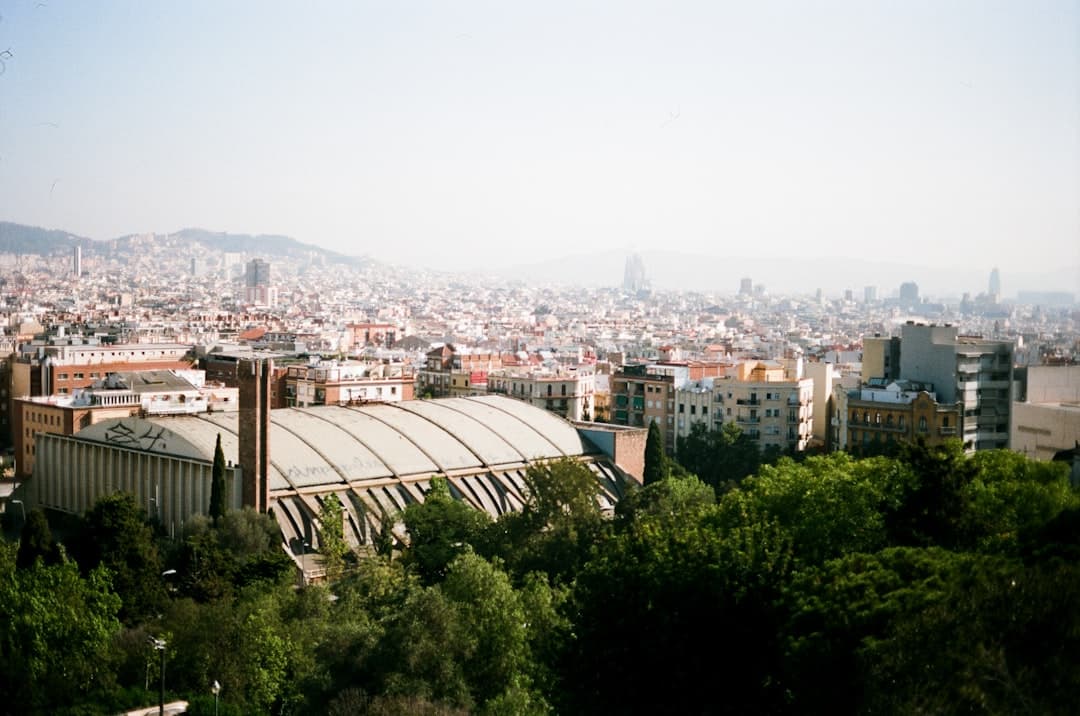
Quick Orientation: Barcelona’s Mental Map (So You Don’t Feel Lost on Day One)
Barcelona’s most-visited zones cluster into a few “gravity wells”:
- Eixample: the grid city (Ildefons Cerdà’s plan), home to Passeig de Gràcia, Casa Batlló, Casa Milà (La Pedrera), and the Sagrada Família.
- Ciutat Vella (Old City): includes the Gothic Quarter (Barri Gòtic), El Born, and the waterfront edge of Port Vell. Here you’ll find Barcelona Cathedral, MUHBA Plaça del Rei, Picasso Museum, Santa Maria del Mar, La Rambla, Boqueria, Rambla de Mar, and the Aquarium.
- Gràcia: village-like, bohemian, and hilly—gateway to Park Güell and home to Casa Vicens.
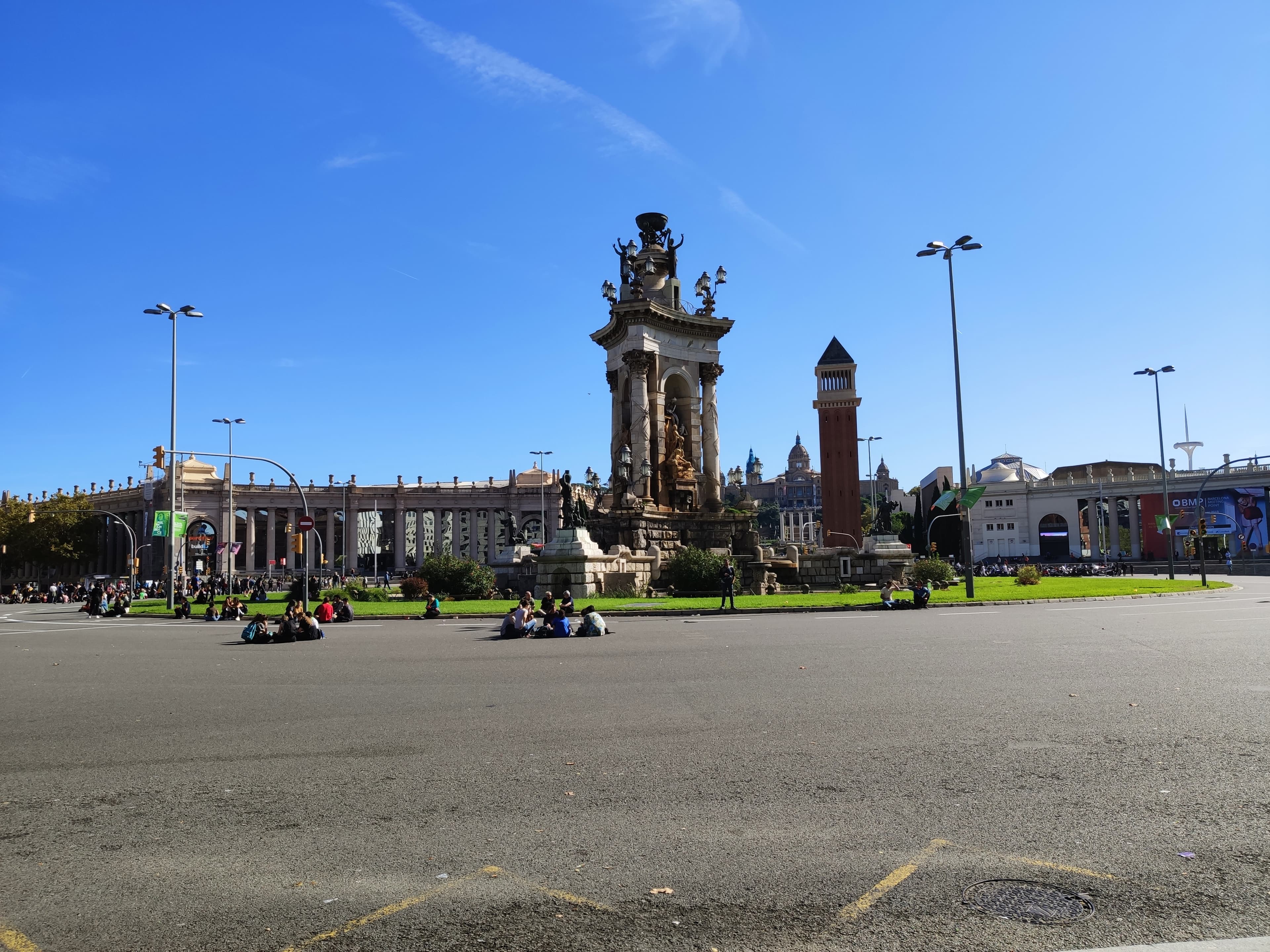
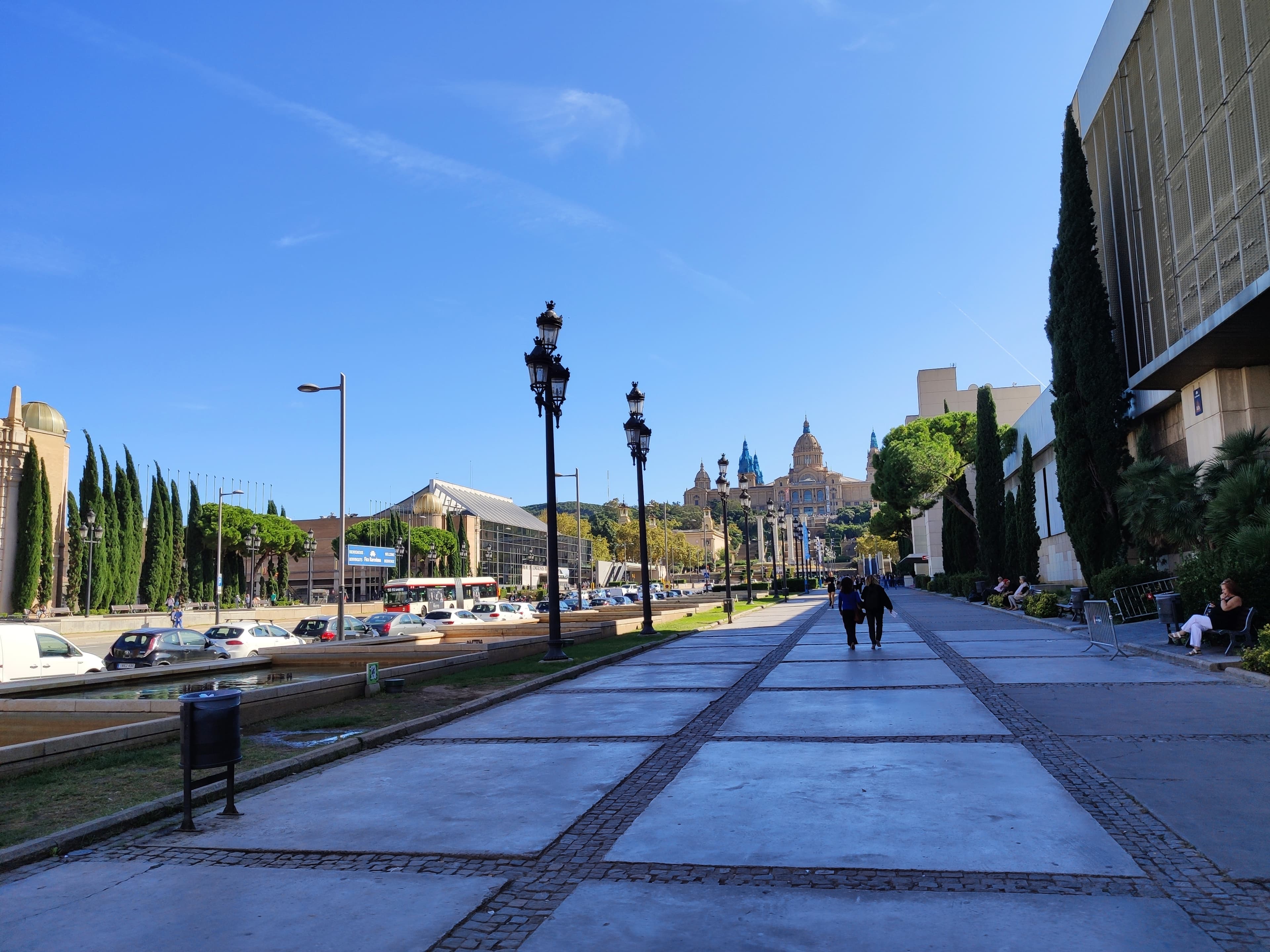
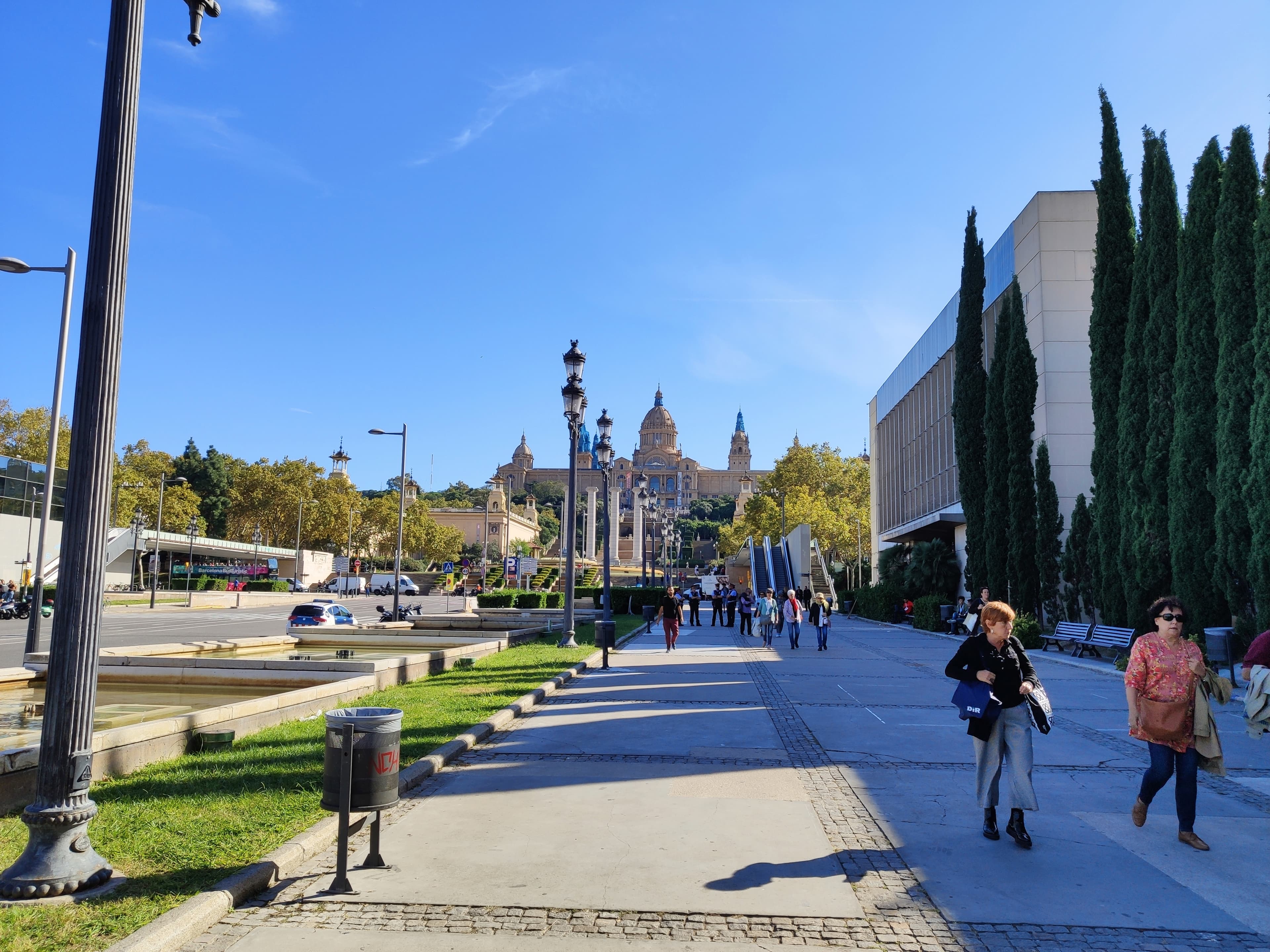
- Montjuïc: the big hill of museums, viewpoints, gardens, castle history, and spectacle—MNAC, Barcelona viewpoint near Palau Nacional, Poble Espanyol, Montjuïc Castle, plus the vibe of cable cars and fountain shows.
- Tibidabo / Collserola ridge: the high overlook with Tibidabo Amusement Park and that “above the city” feeling.
- Barceloneta & beaches: the Mediterranean exhale—Barceloneta Beach, Port-side museums, and the party-and-sun rhythm.
The Story of Barcelona (A Layered Timeline You’ll Actually Feel Under Your Feet)
Barcelona’s power is that its history isn’t sealed in a museum—it’s embedded in the streets, stones, and even the way neighborhoods “sound.”
Roman Barcino: the city’s first grid and its hidden summit
Barcelona began as Barcino, a Roman colony established after Roman conquest of Carthaginian territories around nineteen BC (as noted in the Temple of Augustus research). The Roman city had a forum at its highest point on Mount Tàber—and you can still stand near that summit today.
Temple of Augustus (Carrer del Paradís 10): four columns, two thousand years of continuity
- What it is: four Corinthian columns from a Roman temple dedicated to Emperor Augustus, built between fifteen and thirteen BC.
- Original scale: about thirty-seven meters long by seventeen meters wide, with eleven columns around a central cella.
- What happened: dismantled after the fifth century as Christianity rose; stones reused in medieval buildings; documented in the fourteenth century but not recognized as Roman until rediscovery in eighteen thirty-five.
- Restoration: acquired by the Centre Excursionista de Catalunya; restored by architect Lluís Domènech i Montaner.
- Today’s experience: a “secret patio” moment—quiet courtyard, towering fluted columns, a sense of stumbling into antiquity inside the Gothic Quarter’s medieval maze.
- Practical detail: free entry (no ticket). Typical opening pattern cited: around ten AM to two PM plus afternoon hours (like four PM to seven PM in summer), but exact weekday/weekend splits weren’t confirmed—check MUHBA/hosting center hours.
- Time needed: fifteen to thirty minutes; best early/late for photos without crowds.
Medieval Barcelona: Gothic power, merchants, and the “people’s church”
Barcelona’s medieval identity is most vivid in the Gothic Quarter and El Born. Here, the city’s religious architecture tells you who held power—and who built anyway.
Barcelona Cathedral (Cathedral of the Holy Cross and Saint Eulalia)
- Construction: current Gothic cathedral built primarily twelve ninety-eight to fourteen forty-eight, with earlier layers beneath:
- paleo-Christian basilica (third–fourth centuries), destroyed by Moors in nine eighty-five
- Romanesque cathedral begun ten forty-six, completed ten fifty-eight
- Key dates:
- construction began May first, twelve ninety-eight under King James II of Aragon and Bishop Bernat Pelegrí
- cloister completed fourteen forty-eight
- west façade was simple in fourteen seventeen
- neo-Gothic façade funded by industrialist Manuel Girona i Agrafel starting eighteen eighty-seven, completed nineteen thirteen by his children
- Why it matters: seat of the Archbishop; relics of Saint Eulalia; hosted the fifteen nineteen Order of the Golden Fleece meeting with coats of arms painted by Juan de Borgonya.
- Architecture notes: pseudo-basilica layout; five vaulted aisles (outer two as chapels); truncated transept; nine radiating chapels linked by an ambulatory; raised high altar over an older crypt; choir stalls from thirteen ninety; stained glass from thirteen seventeen to thirteen thirty-four; Chapel of the Holy Sacrament holds a cross from the fifteen seventy-one Battle of Lepanto; cloister has thirteen geese symbolizing Saint Eulalia around the Well of the Geese (Font de les Oques).
- Practical info (with gaps): sources didn’t provide confirmed 2024/2025 pricing/hours; historically, main nave can be free during certain hours; fees apply for roof/cloister/museum (pre-2024 combined tickets cited roughly nine to twenty-eight euros, subject to change).
- Critic vibe: impressive cloister; early morning peace recommended; tour groups can overwhelm; pickpockets in the area are a known issue.
Santa Maria del Mar (El Born): Catalan Gothic, built by the people
- Construction: thirteen twenty-nine to thirteen eighty-three / eighty-four (some sources cite thirteen twenty-four start), completed in about fifty-four to fifty-nine years, remarkably fast for a Gothic church—this preserved stylistic unity.
- Builders: local merchants, dockworkers (bastaixos), parishioners—stones carried from Montjuïc quarries on the backs of bastaixos.
- Architects: Berenguer de Montagut and Ramón Despuig.
- Why it matters: called a “people’s church,” contrasting with nobility-linked cathedral projects; symbol of maritime prosperity and merchant power in Catalonia’s golden Mediterranean age.
- Survival story:
- Black Death pause in thirteen forty-eight
- fourteen twenty-eight earthquake destroyed rose window, killed thirty-plus; rose window replaced
- damage in seventeen fourteen War of Spanish Succession
- nineteen thirty-six Civil War fire gutted interiors
- restorations mid-twentieth century, aided by FC Barcelona; their crest appears in stained glass
- Roman remains found beneath
- Architecture notes: three equal-height naves creating a huge interior illusion; minimal decoration; no transept; ribbed vaults; slender columns; octagonal towers; sculpture of bastaixos above main door; stained glass includes Mary’s coronation rose window and FC Barcelona crest.
- Practical info (with gaps): sources didn’t confirm 2024/2025 hours/prices; typical pattern mentioned: free main entry, small fee (two to five euros) for rooftop/terrace or guided access; hours often around nine to one and five to eight weekdays, longer weekends—verify due to services.
Barcelona as a Mediterranean power—and the sea as identity
Barcelona’s maritime story is not optional; it’s central. You’ll feel it at Port Vell, in the shipyards, and even in how the city’s light changes near the water.
Maritime Museum (Museu Marítim) in the Royal Shipyards (Drassanes Reials)
- Shipyards history: first documented mention twelve forty-three; major building phases twelve eighty-three to thirteen twenty-eight and thirteen twenty-eight to thirteen ninety under the Crown of Aragon; begun under Peter III of Aragon.
- Purpose: Gothic arsenal for warships powering Mediterranean expansion to Balearic Islands, Corsica, Sardinia, Sicily.
- Later rebuild: major sixteenth-century rebuild over medieval structure; two thousand twelve excavations confirmed layers and found a Roman graveyard; restoration completed two thousand thirteen; museum reopened two thousand fourteen.
- Museum founded: opened nineteen forty-one, declared Museum of National Interest by Catalonia.
- Signature exhibit: full-scale replica of Don Juan of Austria’s Real galley, flagship of the fifteen seventy-one Battle of Lepanto victory. Details included: about sixty meters long, six point two meters wide, with fifty-nine oars for two hundred thirty-six to four hundred twenty rowers (range cited), bronze guns, lateen sails, cramped below-deck spaces.
- Other exhibits: models of galleons, frigates, schooners, Magellan’s Victoria, steamships, fishing vessels; navigation instruments (astrolabes, telescopes, sundials, chronometers); portolans and maps including Amerigo Vespucci’s; prints, paintings, photos; archive and library with twenty-eight thousand volumes and two hundred fifty boat plans; plus modern ship designs by Le Corbusier, Frank Gehry, Zaha Hadid, Alvar Aalto; outdoor gardens with a pioneering wooden submarine.
- Practical info: ticket about ten euros; free Sundays from three PM; open daily ten AM to eight PM.
Modern Catalan identity: museums that explain the “why” behind the city
If you want Barcelona to make emotional sense, you need at least one museum that tells the Catalan story beyond postcards.
Museu d’Història de Catalunya (MHC) at Palau de Mar
- Opened: nineteen ninety-seven in restored eighteen eighties Palau de Mar building.
- Permanent exhibition: “The Memory of a Country,” from Lower Paleolithic to present—medieval golden age under Jaume I and II, industrial boom, Civil War horrors, Franco repression, post-nineteen seventy-five democracy, contemporary independence debates.
- Style: multimedia, dioramas, artifacts, videos, models, touchscreens; signage in Catalan, Spanish, English; four floors; temporary exhibits on floor one; prehistory to seventeen fourteen on floor two; upper floors cover industrial growth, Modernisme, Civil War, modern era.
- Practical info (with gaps): no confirmed 2024/2025 prices/hours in sources; historical mentions suggest five to seven euros adult; hours often ten to eight weekdays and ten to two-thirty weekends, possibly closed Mondays—verify via mhcat.cat.
Top Experiences (Iconic Barcelona, Fully Covered)
This section blends: Geo Agent’s twenty attractions (with ratings, review counts, addresses), Historian deep dives, Vibe sensory storytelling, and Critic real-world reviews/warnings.
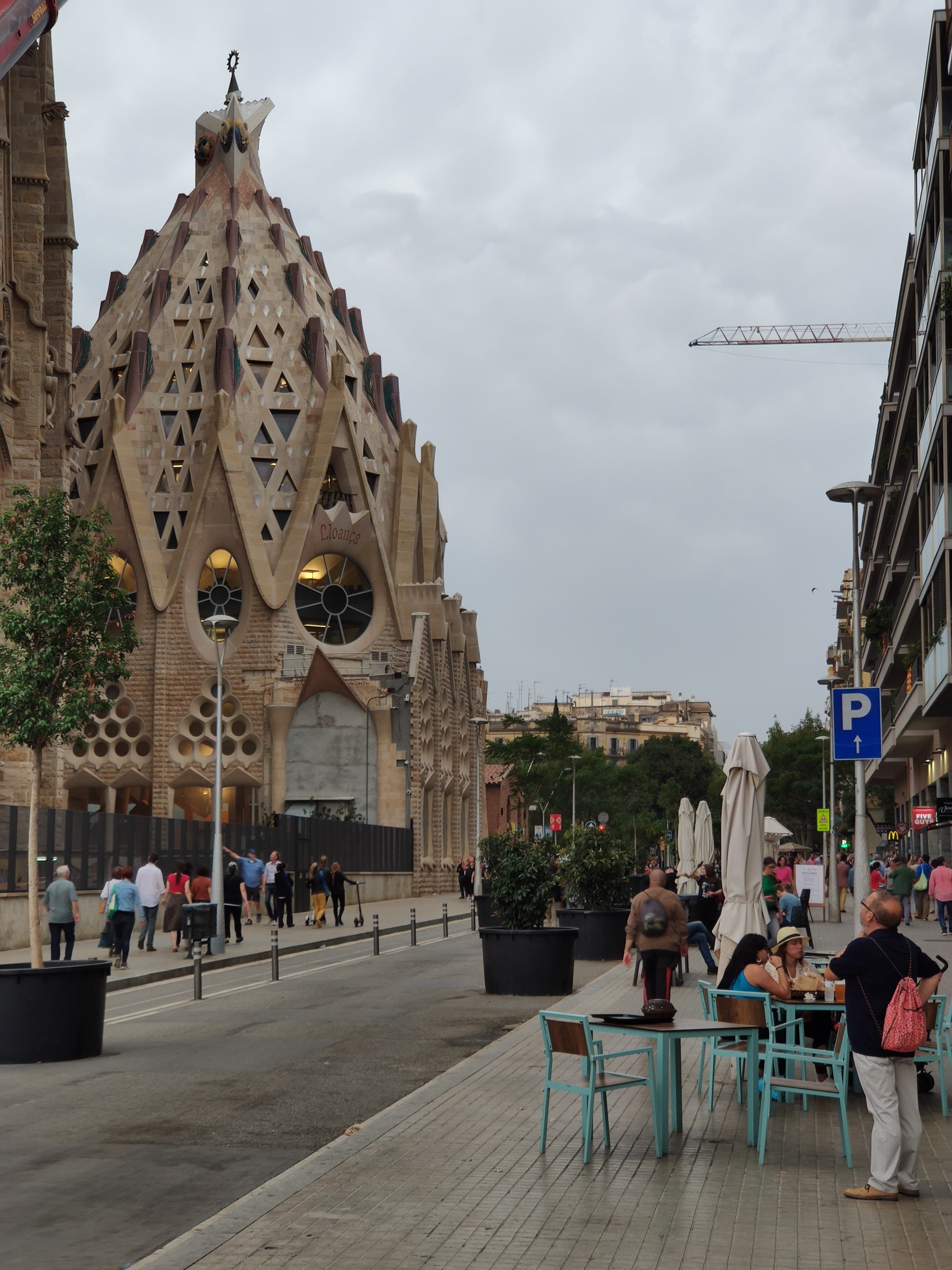
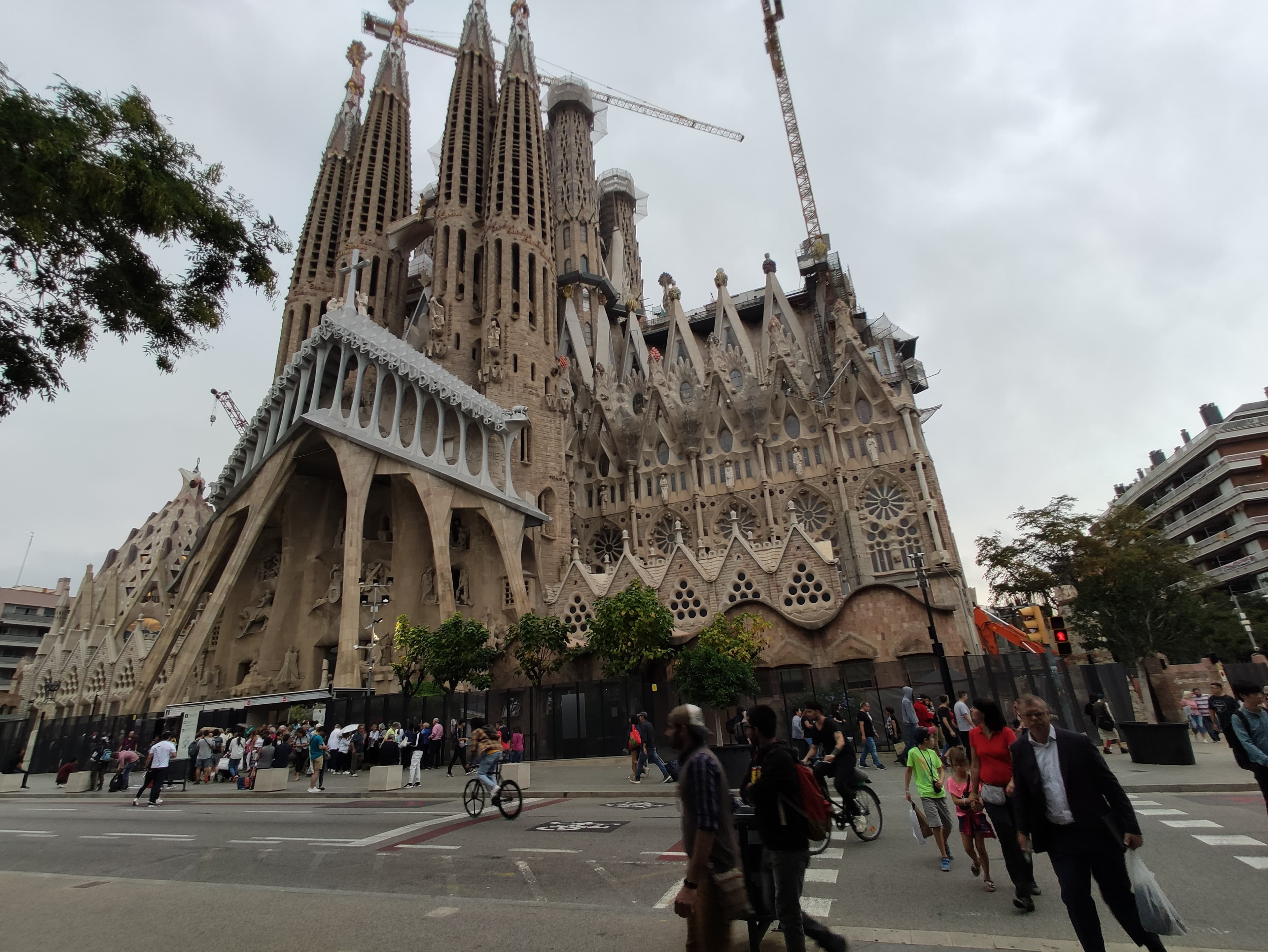
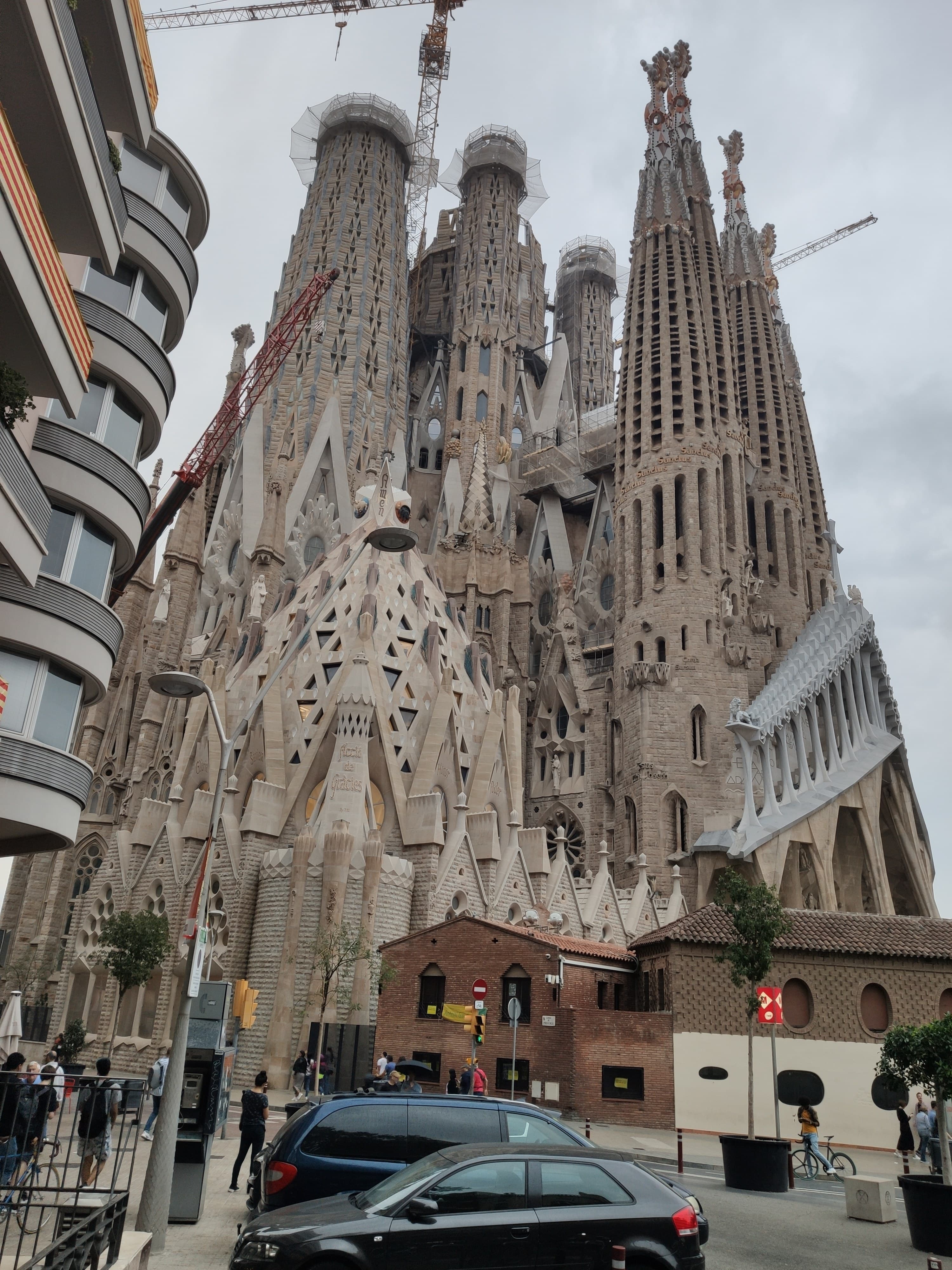
1) Basílica de la Sagrada Família (Eixample)
Geo data
- Rating: four point eight
- User ratings total: three hundred ten thousand six hundred one
- Address: Carrer de Mallorca, four hundred one, Eixample, zero eight zero one three Barcelona
- Place ID: ChIJk_s92NyipBIRUMnDG8Kq2Js
- Nearby related Geo item: Tower of the Virgin Mary (rating four point eight, one hundred thirty-six reviews, address Carrer de Provença, Eixample, zero eight zero one three; place_id ChIJcczWoEKjpBIR13QBALF3fqc)
Historian deep dive
- Construction began nineteen March eighteen eighty-two, initiated by the Spiritual Association of the Devotees of Saint Joseph on a plot purchased eighteen eighty-one.
- Original architect: Francisco de Paula del Villar (Gothic Revival). He resigned eighteen eighty-three after completing the apse crypt.
- Antoni Gaudí took over in eighteen eighty-three, transforming it into a blend of Gothic and curvilinear Art Nouveau / organic modernism.
- Gaudí devoted the last forty-three years of his life to it.
- Gaudí died in a tram accident on ten June nineteen twenty-six when less than a quarter was complete; he is buried in the crypt.
- Work paused during the Spanish Civil War in the nineteen thirties and briefly due to the COVID-19 pandemic.
- Work resumed in the nineteen fifties, using Gaudí’s plans; modern tools like computer-aided design accelerated progress.
- Interior finished and consecrated as a minor basilica by Pope Benedict XVI in two thousand ten.
- As of two thousand twenty-three, several towers completed: Virgin Mary, Luke, Mark, John, Matthew.
- Completion projections: initially two thousand twenty-six (Gaudí centenary), delays push structural finish to around two thousand twenty-six to two thousand thirty-two, decorative elements later.
- Significance: world’s longest-built church (over one hundred forty years), UNESCO World Heritage (Nativity Façade and crypt since two thousand five), funded by visitor fees supporting about twenty-five million euros annual budget.
Architecture and symbolism
- Three façades:
- Nativity Façade (east): started eighteen ninety-one, completed nineteen thirty; richly sculpted organic “dripping” forms; includes St. Barnabas bell tower finished nineteen twenty-five.
- Passion Façade (west): started nineteen fifty-four; bell towers nineteen seventy-six; sculptures by Josep Maria Subirachs from nineteen eighty-six; angular, austere, dramatic suffering scenes.
- Glory Façade: future main entrance.
- Interior: branching columns like tree trunks; hyperboloid vaults; stained glass flooding spectral hues; apse crypt hosts masses.
- Eighteen spires represent apostles, evangelists, Virgin Mary, and Jesus; tallest Jesus tower planned one hundred seventy-two meters.
- Engineering: post-tensioned stone for final structure; stone panels used since two thousand nineteen; cross crowns Passion pediment since two thousand eighteen.
- Symbolic details: tortoises at bases symbolizing land and sea.
Vibe Agent: what it feels like
- Approach: faint incense scent mixed with construction dust.
- Inside: kaleidoscopic stained glass in reds, blues, golds; rainbow patterns moving across stone.
- Soundscape: whispers, distant hammers, occasional choral hymns.
- Legends and anecdotes: Gaudí’s divine revelation; after tram accident his body lay unidentified for days as “some poor gypsy.”
- Emotional pull: proposals, tears at Passion façade; spiritual uplift; time slows; introspection; “unfinished promise of eternity.”
Critic Agent: review reality + warnings
- TripAdvisor’s number one global attraction for two thousand twenty-five; praised for Tolkien-esque interior and tower views.
- Pros: audio guides enhance; “more impressive up close.”
- Cons: queues can exceed two hours without timed tickets; high prices cited twenty-six to thirty-six euros; towers crowded; stairs and claustrophobia issues; some find exterior “gaudy” from afar.
- Tourist trap warnings: scalper scams; fake ticket hawkers nearby; pickpockets in lines; book official; go early/late.
Practical info (Historian + Critic, preserving both)
- Historian estimate: entrance fees fifteen to twenty euros (recent data) depending on access type; subject to updates.
- Critic cites higher typical ranges twenty-six to thirty-six euros (review-based reality).
- Opening hours not specified in sources; generally daily; check official site; seasonal changes; closures for masses; book in advance.
2) Park Güell (Gràcia)
Geo data
- Rating: four point four
- User ratings total: two hundred twenty-six thousand four hundred five
- Address: Gràcia, zero eight zero two four Barcelona
- Place ID: ChIJq0HUUq6ipBIRWM6qGqALmok
Historian deep dive
- Commissioned by Eusebi Güell in nineteen hundred as a private elite “garden city” with sixty homes.
- Construction nineteen hundred to nineteen fourteen; abandoned after only two or three houses built (show home + house for Martí Trias i Domènech).
- Reasons for failure: strict building restrictions (only one-sixth developable), complex lease terms, poor transport access, lack of buyers.
- Güell allowed public events like Sardana dances on main square—early tourist pull.
- After Güell died nineteen eighteen, heirs sold to city nineteen twenty-two; opened public nineteen twenty-six.
- Artistic monument nineteen sixty-nine; UNESCO nineteen eighty-four as part of Works of Gaudí.
- Gaudí’s house became Gaudí House Museum in nineteen sixty-three.
- Design integrates Mediterranean vegetation (carob, olive), water management, erosion prevention.
Architecture highlights
- Main entrance twin pavilions with turrets.
- Grand staircase with mosaic salamander/dragon in trencadís; symbol tied to Catalan mythology and Saint George; legend also says fertility and protection from evil spirits.
- Hypostyle Room: eighty-six Doric columns like a stone forest (market hall concept).
- Nature Square terrace: panoramic views; serpentine bench.
- Viaducts, arched walkways, bone/wave-like galleries; mosaics in greens, blues, whites.
- Monument to Calvari: religious symbolism.
Vibe Agent: what it feels like
- Piney scent, citrus wafts, sea breeze salty tang.
- Visual explosion: vivid blues/yellows/whites; bench like a wave; lizard gleaming.
- Sounds: kids, bubbles, buskers’ guitars echoing in Hypostyle Room, rustling leaves; nights softer murmurs under stars.
- Emotional pull: joy, childlike wonder, “healing balm,” fairy-tale nostalgia, panoramic epiphanies and romances.
Critic Agent: review reality + warnings
- Ranked number two most-reviewed.
- Pros: most photographed bench; iconic salamander; free lower park paths.
- Cons: Monumental zone can feel confined; lines snake even with bookings; hilly terrain; midday crowds.
- Tourist trap warnings: “overpriced entry for limited time” (one-hour slots mentioned); aggressive souvenir sellers; pickpocket haven; book official / GetYourGuide to dodge fakes; visit early AM.
Practical info (Historian + Critic)
- Timed tickets required for Monumental Zone; free areas exist but lack main features.
- Historian estimate: adult ten to thirteen euros peak; children seven–twelve seven to nine; seniors seven to nine; under six free; night tickets seven to ten; bundles add three to five.
- Opening hours: Monumental Zone generally eight thirty AM to eight thirty PM, summer to nine thirty PM, winter to six PM; free areas open twenty-four seven.
- Access: metro Lesseps or Vallcarca; bus recommended due to steep hill.
3) Casa Batlló (Passeig de Gràcia)
Geo data
- Rating: four point seven
- User ratings total: one hundred ninety-one thousand seven hundred seventy-two
- Address: Pg. de Gràcia, forty-three, Eixample, zero eight zero zero seven
- Place ID: ChIJYUFLSe2ipBIRD04uni940kA
Historian deep dive
- Original building built eighteen seventy-seven by Emilio Sala Cortés (Gaudí’s former professor).
- Purchased nineteen zero three by textile industrialist Josep Batlló; planned demolition but Gaudí convinced renovation.
- Plans submitted nineteen zero four, completed nineteen zero six; expanded light wells, added floors.
- Lost Barcelona’s best building award that year.
- Ownership: Batlló died nineteen thirty-four; insurance company owned from nineteen fifty-four; refurbishments nineteen seventy; Bernat family since nineteen ninety-three; reopened public nineteen ninety-five.
- UNESCO World Heritage two thousand five.
- Assistants: Domènec Sugrañes i Gras, Josep Canaleta, Joan Rubió.
Architecture and symbolism
- Facade: dragon scales / bones; bone-like columns; ceramic shards; oval windows like eyes.
- Roof: four-armed cross piercing dragon-back ridge—Saint George legend; nicknames “House of the Dragon” and “House of Bones.”
- Interior: staircase like dragon spine; mushroom-cap newel posts; sinuous handrails; central light well; bespoke oak floors; forest-like pillars.
Vibe Agent
- Dreamlike fantasy; polished wood scent; faint floral perfumes; iridescent mosaics; staircase like whale jaw; audio guide whispers; rooftop wind chimes; intimate surrealism; proposals on dragon roof; romantic enchantment and creativity.
Critic Agent
- Pros: immersive audio tours; rooftop views; light shows; “mind-blowing details.”
- Cons: pricey thirty-five euros plus; timed slots; some find it “over-restored gimmicky.”
- Warnings: upsells; crowded despite caps; book direct.
Practical info
- Historian notes no specific 2024/2025 prices/hours in sources—check casabatllo.es; operates year-round; extended evening hours typical; advance booking essential.
4) Casa Milà (La Pedrera) (Passeig de Gràcia)
Geo data
- Rating: four point six
- User ratings total: one hundred seven thousand two hundred eighteen
- Address: Pg. de Gràcia, ninety-two, Eixample, zero eight zero zero eight
- Place ID: ChIJ1eGKmZOipBIRah43T2Kjn8Q
Historian deep dive
- Built nineteen zero six to nineteen twelve, Gaudí’s last private residence project.
- Commissioned by Pere Milà and Roser Segimon; plot purchased nineteen zero five; began nineteen zero six.
- Innovative features: self-supporting stone façade; free-plan interiors without load-bearing walls; patios for light/ventilation; underground garage (advanced for nineteen twelve).
- Controversy: nickname “La Pedrera” (stone quarry); ridicule; city halted work; plan for Virgin Mary sculpture on roof rejected.
- Spanish Civil War nineteen thirty-six: partial collectivization; family fled.
- Post-Gaudí: furnishings removed; altered to Louis XVI style; restoration in nineteen nineties uncovered original designs.
- Bought by Caixa Catalunya nineteen eighty-six; managed by Fundació Catalunya La Pedrera since two thousand thirteen.
Architecture
- Wave-like rough-hewn limestone facade; wrought-iron balconies like seaweed/kelp (Jujol).
- Rooftop terrace: chimneys like warriors/sentinels; panoramic views; original plans included pool and stables.
- Parabolic arches, curved walls, restored decorations.
Vibe Agent
- Raw elemental power; rooftop herb scents; wind whistling through chimneys; legends of haunted caves; primal awe and resilience; night visits feel magical.
Critic Agent
- Pros: iconic undulating facade; surreal roof; night visits glow.
- Cons: price around twenty-eight euros; stairs tiring; crowds.
- Warnings: overhyped pricing; book ahead to avoid scalpers.
Practical info
- Historian: no current 2024/2025 prices/hours in sources; check lapedrera.com; advance booking essential.
5) Passeig de Gràcia + Illa de la Discòrdia (Block of Discord)
Geo data
- Illa de la Discòrdia
- Rating: four point seven
- User ratings total: two hundred sixty-six
- Address: Pg. de Gràcia, forty-one, Eixample, zero eight zero zero seven
- Place ID: ChIJyVF-Ne2ipBIRNW4_T1_ZVU4
- (Critic Agent also lists Passeig de Gràcia as a top reviewed “free highlight.”)
Historian: Casa Amatller (key Block of Discord building)
- Designed by Josep Puig i Cadafalch, remodeled eighteen ninety-eight to nineteen hundred for chocolatier Antoni Amatller.
- Original structure built eighteen seventy-five by Antoni Robert under Cerdà’s Eixample rules.
- Redesign defied uniformity with ornate stepped façade and greater height; influenced modernist excess.
- Stayed in family until nineteen sixty; declared historic-artistic monument nineteen ninety-two; restorations in the twenty-tens restored to nineteen hundred state; “only modernist house retaining authentic appearance.”
- Managed by Amatller Foundation; includes museum of nineteenth/twentieth-century art and furniture; Chocolate Museum tracing Barcelona chocolate history from eighteen ninety.
- Exterior: neo-Gothic + modernist + Flemish stepped gable; four corner towers; warrior stone figures; balcony sculptures representing arts; Sant Jordi slaying dragon; gargoyles, stained glass.
- Practical: open Tuesday–Sunday ten thirty AM to eight thirty PM (last admission six thirty PM); closed Mondays; pricing not provided—check amatller.org.
Vibe + Critic: Passeig de Gràcia
- Critic: stroll perfection, busy; “free highlight.”
- Vibe (implied through Batlló/Pedrera area): a corridor of fantasy architecture and city energy.
6) La Rambla + Rambla de Mar (Port Vell edge)
Geo data
- Rambla De Mar
- Rating: four point six
- User ratings total: eleven thousand two hundred sixty-six
- Address: Rambla de Mar, s/n, zero eight zero three nine
- Place ID: ChIJSTWtjVOipBIRj8k9C7up8Y8
- Plaça de Catalunya (often the “top” of La Rambla)
- Rating: four point five
- User ratings total: two hundred eleven thousand eight hundred six
- Address: Plaça de Catalunya, Eixample, zero eight zero zero two
- Place ID: ChIJGUgrYPGipBIRS9ZgHK_C7B4
Vibe Agent: La Rambla
- A mile-long artery; scents: jasmine/roses, churros, paella spices, occasional marijuana whiffs.
- Sounds: hawkers shouting “¡Cuidado bolsillos!”, castanets, laughter, flamenco riffs.
- Visuals: living statues, newsstands, mosaic pavements, Liceu opera house.
- Origin story: eighteenth century sewage ditch turned promenade.
- Legends: tied to Don Quixote.
- Emotional pull: exhilaration, belonging, romantic buzz, sensory overload bonding strangers.
Critic Agent: La Rambla reality
- Pros: vibrant energy, people-watching, central vibe; “must-walk.”
- Cons: dirty, overwhelming performers, high prices.
- Tourist trap warnings: prime pickpocket/scam zone (card tricks, overpriced cafés); “touristy hell” on Reddit; walk once, don’t linger.
Rambla de Mar
- Think of it as the bridge-like extension toward Port Vell—useful as a waterfront stroll connector to the Aquarium and harbor vibes.
7) Mercat de la Boqueria (Food market icon)
Vibe Agent
- “Market frenzy”: jamón slices, spice clouds, vendor calls, sizzling stalls; vibrant chaos; bargain hunts and sensory feast.
Critic Agent
- Pros: sensory overload; “best market ever” for samples.
- Cons: crowded, touristy stalls jack prices.
- Warnings: rip-off bars; go early to avoid worst crowds and pricing traps.
- Verdict: worth it for foodies if you’re savvy.
(Note: Geo Agent did not list Boqueria explicitly, but it’s central to La Rambla experiences and heavily featured by Vibe + Critic.)
8) Gothic Quarter (Barri Gòtic) + MUHBA Plaça del Rei (Roman-to-medieval time travel)
Vibe Agent: Gothic Quarter
- Labyrinth alleys; aromas: pan con tomate, aged cheese, faint mustiness from Roman walls.
- Sounds: cobblestone footsteps, fountains in Plaça Reial, accordions, church bells.
- Visuals: lantern-lit facades, pointed arches, gargoyles, brooding cathedral; geese-filled cloister “quirky secret.”
- Legends: Picasso sketched here as youth; ghosts of Inquisition victims haunt Plaça del Rei; lovers kiss under Bridge of Sighs.
- Emotional pull: melancholy wonder, introspection, romance, refuge from modernity.
Historian: MUHBA Plaça del Rei
- Origins: nineteen thirty-one relocation of Casa Padellàs from Carrer de Mercaders to Plaça del Rei (to make way for Via Laietana). During foundation work, Roman remains uncovered; excavations continued until Civil War.
- Adjacent Palau Reial Major recovered in nineteen thirty-two, including Saló del Tinell—fourteenth-century hall with six semicircular diaphragm arches, among Europe’s most impressive; housed Royal Court of Catalonia and Inquisition seat.
- Includes Capella de Santa Àgata (early fifteenth century), remnants of eleventh-century Bishop’s Palace and fourteenth-century Count’s Palace.
- Inaugurated as MUHBA core nineteen forty-three; spans four thousand square meters; presents history from first century BC to thirteenth century AD.
- Underground: Roman streets, houses, workshops, laundry facilities, garum factory (fish sauce).
- Features: interactive history map; modern displays; Eduardo Chillida steel sculpture Topos V (nineteen eighty-six) in the square.
- Practical: tickets about seven to nine euros; free after three PM Sundays and first Sundays (confirm); hours generally Tuesday–Saturday ten to seven, Sundays/holidays ten to eight, closed Mondays; uneven/dark underground paths—wear good shoes; metro Jaume I (L4) or Liceu (L3).
- Time: one and a half to three hours recommended.
9) Picasso Museum (Museu Picasso) (El Born / Ciutat Vella)
Geo data
- Listed as “Muzeum Picasso”
- Rating: four point four
- User ratings total: thirty-seven thousand three hundred fifty-four
- Address: Carrer de Montcada, fifteen to twenty-three, Ciutat Vella, zero eight zero zero three
- Place ID: ChIJa-K8mf6ipBIRY8wAB3EeASc
Critic Agent
- Pros: early works; intimate; Gothic setting; Articket value; go late.
- Cons: smaller collection.
- Warnings: queues; book.
Vibe Agent (Gothic Quarter mention)
- Picasso sketched in these quarters as a youth—adds emotional resonance when you’re walking the same stone corridors.
10) Palau de la Música Catalana (Modernist concert hall)
Vibe Agent
- Stained-glass splendor, orchestral swells, floral scents; “modernist jewel”; transcendent cultural pride.
Critic Agent
- UNESCO Art Nouveau gem; stained-glass dome and muse statues.
- Pros: affordable self-guided tours; “Instagram balcony gold.”
- Cons: concerts pricey; tours quick.
- Warnings: minimal; book ahead.
- Verdict: underrated treasure, fully worth it.
11) Barceloneta Beach (Mediterranean release valve)
Vibe Agent
- Sun-soaked hedonism; salty spray, sunscreen, grilled sardines, jasmine hedges.
- Sounds: waves, volleyball, seagulls, reggaeton; evenings laughter and sangria clinks.
- Visual: Frank Gehry golden fish sculpture at dusk; umbrellas like confetti.
- Don Quixote final battle placed here (Knight of the White Moon).
- Emotional pull: liberation, rebirth, sun-kissed joy, midnight swims bonding strangers.
Critic Agent
- Pros: relaxation, nightlife; beloved by locals/tourists.
- Cons: crowded, dirty at night.
- Warnings: beach scams, drink gouging.
- Verdict: great add-on, not the centerpiece.
12) Port Vell Aquarium (L’Aquàrium de Barcelona)
Geo data
- Listed as “Oceanarium w Barcelonie”
- Type: aquarium
- Rating: four point one
- User ratings total: seventy thousand six hundred seventy-four
- Address: del Port Vell, Moll d'Espanya, s/n, Ciutat Vella, zero eight zero three nine
- Place ID: ChIJtWCztVSipBIRYJl5aFMSIDs
Vibe Agent
- Salty brine scent, bubbles, fish whooshes, shark tunnel awe; calming depths; kid-wide-eyed wonder.
13) Montjuïc: MNAC, viewpoints, Poble Espanyol, castle, fountains, cable car vibes
Montjuïc is not one attraction—it’s a whole day (or two) of Barcelona’s “big views + big history.”
MNAC (Museu Nacional d’Art de Catalunya)
Geo data
- Rating: four point seven
- User ratings total: thirty-six thousand seven hundred twenty-one
- Address: Palau Nacional, Parc de Montjuïc, s/n, Sants-Montjuïc, zero eight zero three eight
- Place ID: ChIJMU59xHGipBIRkdwlcgUWAYY
Historian deep dive
- Holds over two hundred sixty thousand works from Romanesque frescoes to twentieth-century modernism.
- Romanesque fresco rescue: nineteen nineteen to nineteen twenty-three, experts detached Pyrenean church frescoes—world-unique collection (Sant Climent de Taüll highlighted).
- Palau Nacional built nineteen twenty-six to nineteen twenty-nine for nineteen twenty-nine Barcelona International Exposition; architects Eugenio P. Cendoya, Enric Catà, Pere Domènech i Roura; initial plans by Josep Puig i Cadafalch.
- Became Museu d’Art de Catalunya home nineteen thirty-four; Romanesque/Gothic/Baroque in Palau by nineteen forty-two; modern art moved from Arsenal until two thousand four; museum law nineteen ninety merged institutions; reopened post-renovation nineteen ninety-seven (some sources cite two thousand four for full setup).
- Architecture: Neo-Baroque/Beaux-Arts domes, columns, monumental staircase with panoramic views.
- Collections: Romanesque fresco halls; Gothic murals/statues/coffered ceilings; profane works like Conquest of Majorca murals; modern art through nineteen forties; Thyssen-Bornemisza permanent display since two thousand four.
- Practical: ticket estimates twelve to fifteen euros; possible free entry Saturday after three PM (subject to confirmation); hours generally Tuesday–Sunday ten to six, closed Mondays; verify for holidays.
Critic Agent
- Pros: epic views, Romanesque gems.
- Cons: vast, tiring.
- Warnings: none major.
- Verdict: worth it for culture.
“Barcelona viewpoint” (near Palau Nacional)
Geo data
- Name: Barcelona viewpoint
- Rating: four point six
- User ratings total: ninety-seven
- Address: Carrer del Mirador del Palau Nacional, nineteen, Sants-Montjuïc, zero eight zero three eight
- Place ID: ChIJK7wXI9yjpBIR76zt8ZqF-2s
This is your “stand on the steps and let the city spread out” moment—especially powerful at golden hour.
Poble Espanyol (open-air Spanish village)
Geo data
- Rating: four point two
- User ratings total: thirty-nine thousand four hundred sixty-two
- Address: Av. de Francesc Ferrer i Guàrdia, thirteen, Sants-Montjuïc, zero eight zero three eight
- Place ID: ChIJJ2JbaneipBIRpVQ6RTJSwLA
Vibe Agent
- Artisan hammers, flamenco claps, paella aromas; cultural immersion and nostalgia.
“Pawilon barceloński” (Barcelona Pavilion)
Geo data
- Rating: four point five
- User ratings total: three thousand four hundred sixty-five
- Address: Av. de Francesc Ferrer i Guàrdia, seven, Sants-Montjuïc, zero eight zero three eight
- Place ID: ChIJJ2JbaneipBIRaFPRmdUt7fA
(Historian Agent did not provide additional details for the Pavilion, but Geo confirms it as a key attraction in Montjuïc’s museum cluster.)
Montjuïc Castle (Castell de Montjuïc)
Geo data
- Listed as “Zamek Castell de Montjuïc”
- Rating: four point four
- User ratings total: fifty-nine thousand six hundred thirty-seven
- Address: Ctra. de Montjuïc, sixty-six, Sants-Montjuïc, zero eight zero three eight
- Place ID: ChIJN7FiCkGipBIR1PJn6ohejww
Historian deep dive
- Origin: built in sixteen forty during Catalan Revolt (Reapers’ War) around an ancient watchtower; built rapidly (in thirty days per one cited detail) with cannons.
- Expanded late seventeenth century; remodeled into star-shaped fortress in eighteenth century by engineer Juan Martín Cermeño during/after War of Spanish Succession.
- After seventeen fourteen defeat, became Bourbon control center; bombarded city multiple times, including eighteen forty-two by Espartero.
- Notorious prison; executions include Francesc Ferrer i Guàrdia; Lluís Companys executed nineteen forty under Franco; Spanish Civil War role.
- Transition: museum inaugurated as Military Armor Museum nineteen sixty-three by Franco; now city-owned cultural site.
- Architecture: star-shaped artillery design, bastions, battlements, thick walls, dry moat, water tanks, toilets; panoramic ramparts; exhibits interpret repression/resistance history.
- Practical (with gaps): typical adult entry five to ten euros estimated; hours generally ten to six/eight daily, later in summer; possible Monday closures—verify.
Vibe Agent
- Pine and sea air; cable car hum; ghostly chill from execution history; peaceful reflection with triumphant overview.
Critic Agent
- Pros: panoramic ride + fortress; “treasure chest” of sites.
- Cons: hilly, windy cable car.
- Warnings: low; combo tickets smart.
- Verdict: essential for vistas.
Magic Fountain of Montjuïc
Vibe Agent
- Wet mist scent; roaring synchronized sprays; built for nineteen twenty-nine Expo; crowd euphoria bonds strangers; “enchanted waters” legends.
Critic Agent
- Pros: free shows deliver hype.
- Cons: huge crowds; timed; drought pauses noted.
- Warnings: pickpockets in throngs.
- Verdict: hype-delivering freebie.
14) Tibidabo Amusement Park (views + vintage thrills)
Geo data
- Rating: four point four
- User ratings total: forty-seven thousand three hundred sixty-five
- Address: Pl. del Tibidabo, three, four, Sarrià-Sant Gervasi, zero eight zero three five
- Place ID: ChIJwYnKYCeYpBIRyz3MKkhZ5C8
Vibe Agent
- Retro rides, candy floss, laughter screams, huge city views; nostalgic excitement revives youth.
15) Arc de Triomf + Ciutadella Park (leisure, picnics, and that “Barcelona at ease” feeling)
Geo data
- Arc de Triomf
- Rating: four point six
- User ratings total: ninety-six thousand three hundred thirty-five
- Address: Passeig de Lluís Companys, Ciutat Vella, zero eight zero zero three
- Place ID: ChIJoXZqNuOipBIRsZU39a8r_qk
Vibe Agent: Ciutadella Park
- Lake cascades, palm scents, parrot calls, busker flutes; Arc de Triomf nearby; zoo legends like Copito de Nieve gorilla; picnics = tranquility and family bliss.
16) Palau Güell (Gaudí mansion museum)
Geo data
- Listed as “Pałac Güell”
- Type: museum
- Rating: four point six
- User ratings total: twenty-two thousand five hundred
- Address: Carrer Nou de la Rambla, three to five, Ciutat Vella, zero eight zero zero one
- Place ID: ChIJ3fHTIFiipBIRpKXCn_E_oJY
(Historian Agent referenced Palau Güell as part of Gaudí’s UNESCO set; detailed deep-dive wasn’t included in the provided historian excerpts, but Geo confirms it as a major museum stop near La Rambla.)
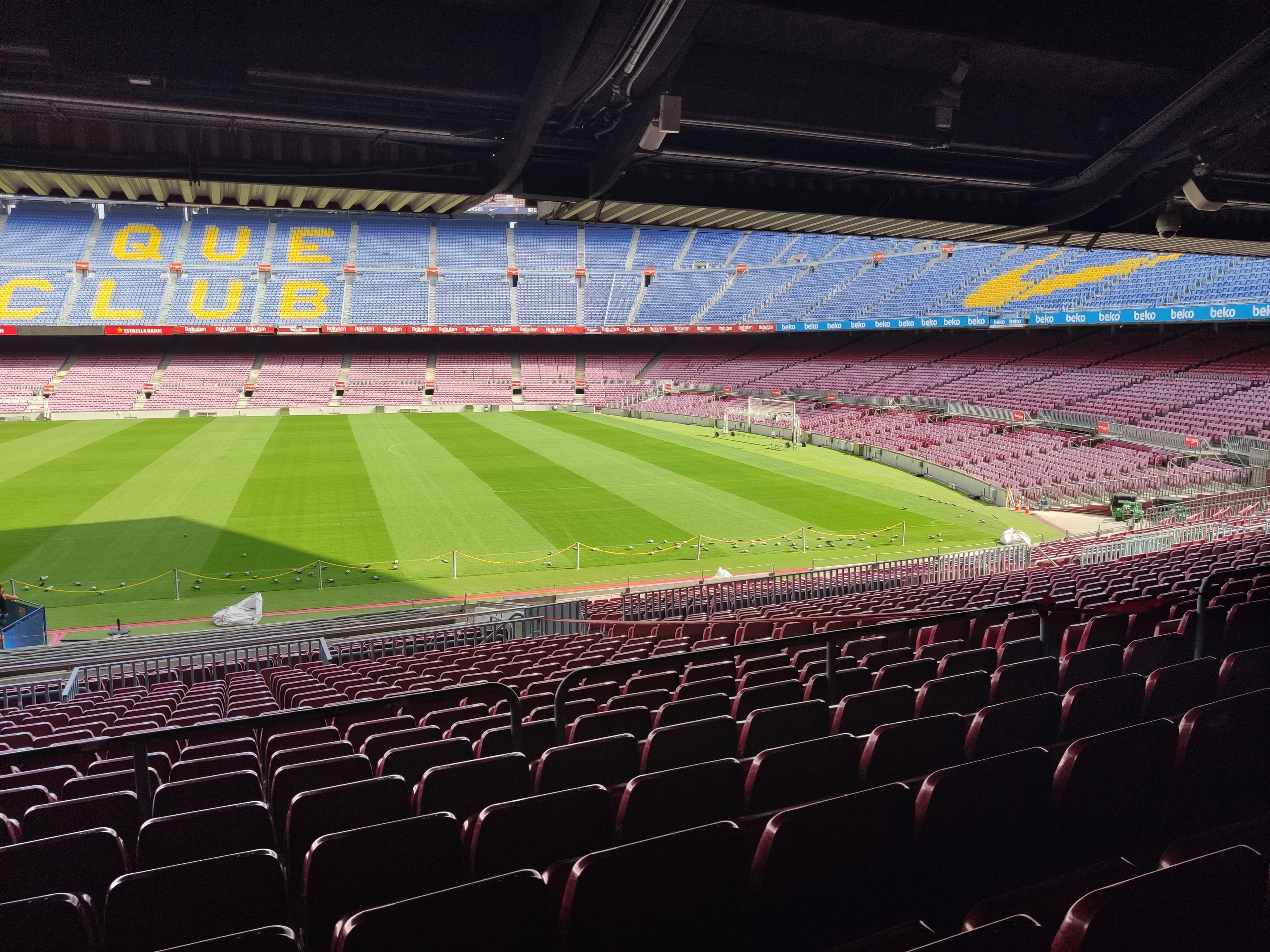
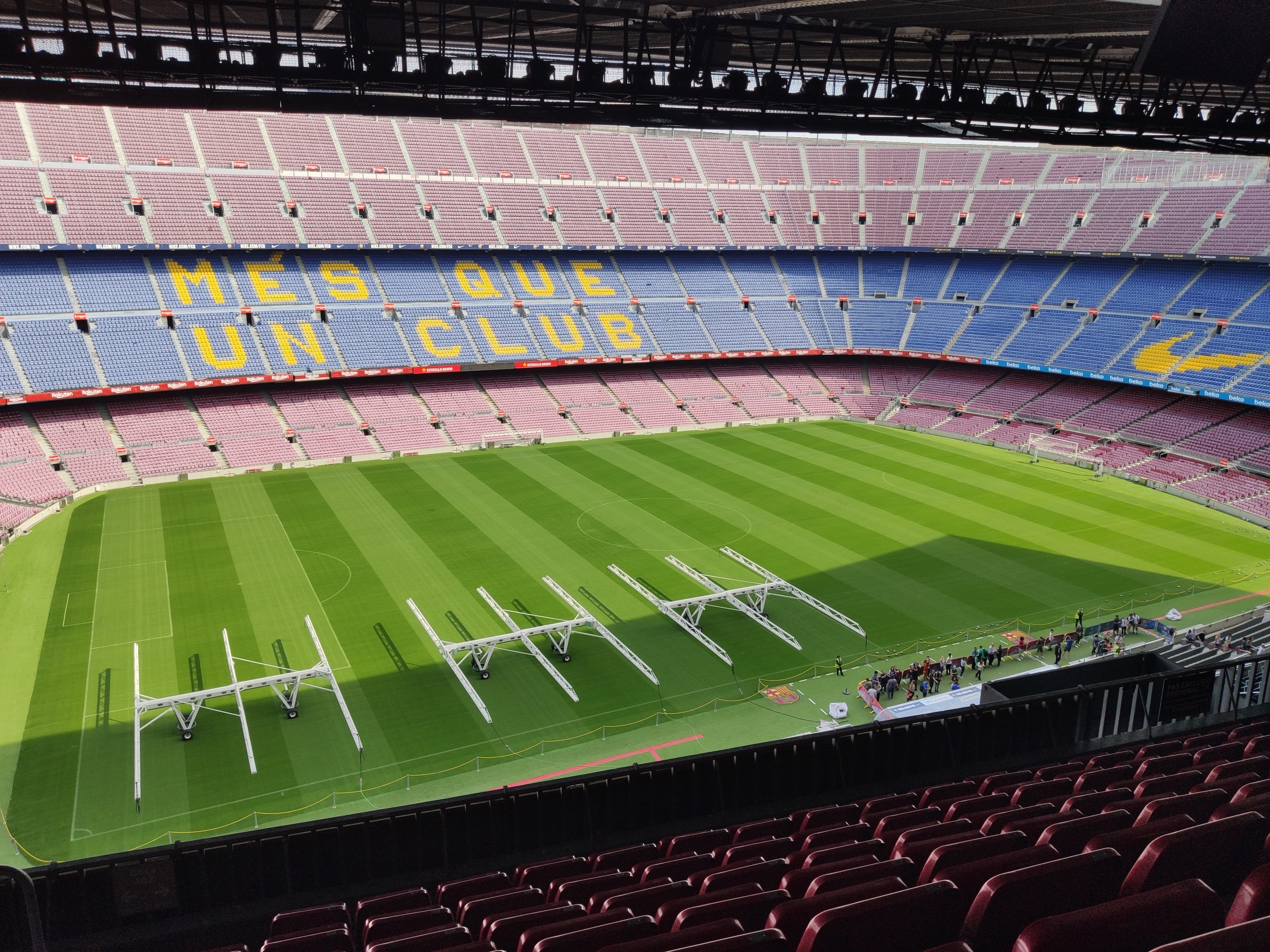
17) Camp Nou (football cathedral)
Vibe Agent
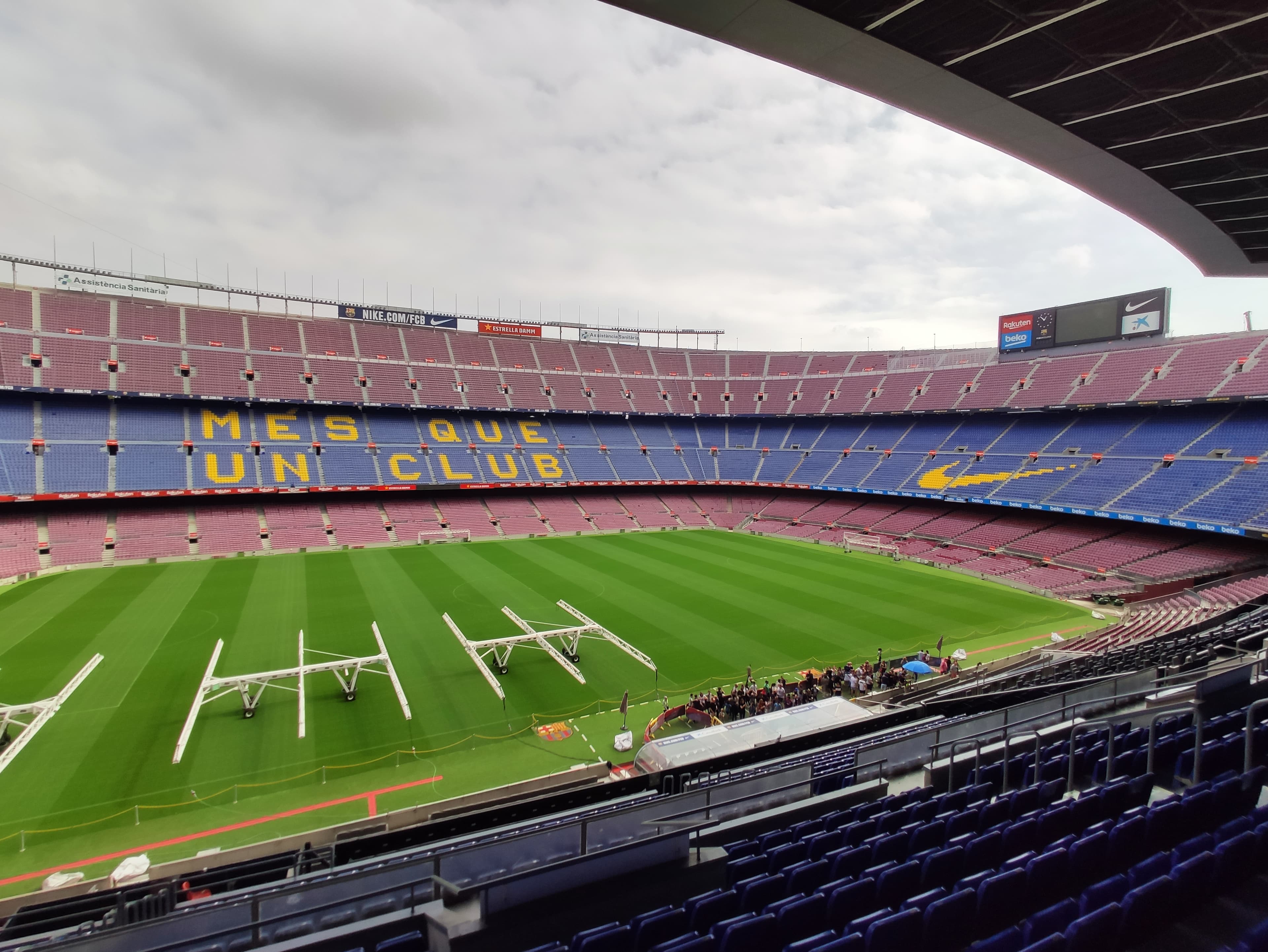
- Ninety-nine thousand chants shaking stands; grass-turf smells; Messi “ghosts”; tribal unity and adrenaline highs.
(Geo Agent did not list it, but Vibe + Critic’s “most talked-about” framing makes it a major atmospheric experience for many travelers.)
18) Gràcia District (beyond Park Güell)
Vibe Agent
- Bohemian charm in plaças; coffee roasts; indie tunes; festival fireworks; Festa Major legends; feels like hometown belonging.
19) Joan Miró Foundation (Montjuïc)
Vibe Agent
- Playful abstractions; garden breezes; color bursts; sparks inner artist.
Critic Agent
- Pros: playful exhibits, outdoors, views.
- Cons: niche appeal.
- Warnings: low.
- Verdict: Miró fans yes.
20) Barcelona’s Cathedral-of-the-sea vs Cathedral-of-power: a traveler’s “compare and feel it” exercise
Since you’re already booked, here’s a high-impact way to experience history emotionally:
- Visit Barcelona Cathedral early morning (quiet, solemn, institutional power).
- Then walk to Santa Maria del Mar (light-filled, egalitarian, merchant/dockworker devotion).
- End at MUHBA Plaça del Rei underground Roman ruins (the literal foundation).
- Optional: pop into Temple of Augustus courtyard for the “secret Roman columns” moment.
This sequence makes Barcelona’s timeline feel like a living story rather than separate attractions.
Hidden Gems and “Smaller-but-Mighty” Stops (Still Preserving Every Agent Detail)
Casa Vicens (Gaudí’s first major work)
Historian deep dive
- Built eighteen eighty-three to eighteen eighty-five (some accounts to eighteen eighty-eight).
- Commissioned by stockbroker Manel Vicens i Montaner; Gaudí was twenty-six, newly graduated eighteen seventy-eight.
- Designed by eighteen eighty; delays due to finances.
- Located on Carrer de les Carolines in Gràcia (then independent village, annexed eighteen ninety-seven).
- Gaudí oversaw construction personally, demolishing imperfect work.
- Sold nineteen zero three for forty-five thousand pesetas to Antonio Jover Puig.
- Expansion nineteen twenty-five by Joan Baptista Serra de Martínez (Gaudí declined due to Sagrada Família).
- Private for one hundred thirty-plus years; opened as museum two thousand seventeen after restoration uncovering polychrome elements.
- Style: early Modernisme with orientalist Mudéjar/Arabic influences; ceramics, forging, stained glass, cabinetry; azulejo tiles depicting palm leaves, marigolds, French marigolds; wrought iron palm motifs by Lorenzo Matamala.
- Practical (gaps): no confirmed 2024/2025 prices/hours; typical Gaudí site range cited eighteen to twenty-nine euros; verify casavicens.org.
Casa Amatller (Block of Discord + chocolate legacy)
Already covered above; remember the key practical: Tuesday–Sunday ten thirty to eight thirty, last admission six thirty, closed Mondays.
“Barcelona Pavilion” (Pawilon barceloński)
Geo-listed; located on Av. de Francesc Ferrer i Guàrdia seven; rating four point five; three thousand four hundred sixty-five reviews. Pair it with MNAC/Poble Espanyol in a Montjuïc architecture day.
“Barcelona viewpoint” (Mirador del Palau Nacional)
Geo-listed; small review count (ninety-seven) but high rating (four point six). Use it as your “breathing space” between museums.
Culture & Atmosphere: How Barcelona Feels (So You Can Travel With Your Senses)
Barcelona’s vibe, as described in the Vibe research, is an “intoxicating fusion”:
- Sun-drenched exuberance + introspective depth
- Gaudí whimsy + medieval shadows
- Salty beach breezes + pine-scented hilltops
- A city that feels like a fiesta, but with Civil War scars and resilient pride underneath
A day in sensory snapshots (Vibe Agent details preserved)
- Dawn on La Rambla: crisp sea air laced with fresh horchata; street sweepers’ brooms whisper against mosaic tiles.
- Noon: multicultural symphony—hawkers, guitarists, laughter; scents shift to grilled sepia and blooming jasmine.
- Montjuïc: cable cars hum upward; worries shrink under panoramic vistas.
- Evening: strangers bond over tapas in candlelit plaças; Gràcia stars overhead; sardana circles in squares; flags fluttering.
- Dusk at Barceloneta: sea crash mirrors fleeting joys; introspection arrives even in a party city.
Emotional “why” behind the icons
- Sagrada Família: not just architecture—“unfinished promise of eternity,” spiritual uplift, awe.
- Park Güell: joy, playfulness, healing balm.
- Gothic Quarter: melancholy wonder, romance, time travel.
- Magic Fountain: collective euphoria, strangers united by spectacle.
- Camp Nou: tribal unity, adrenaline, belonging.
Food & Local Experiences (Markets, Tapas Energy, and Where the City Feels Most “Alive”)
Mercat de la Boqueria (do it smart)
- Go early to avoid crowds and tourist pricing traps (Critic).
- Expect sensory overload: jamón, spices, sizzling stalls, vendor calls (Vibe).
- Watch for “rip-off bars” and touristy stalls jacking prices (Critic).
Tapas + plaças (the Barcelona social ritual)
The Vibe research emphasizes how strangers bond over tapas in candlelit squares—especially in Gràcia and the Old City’s smaller plaças. The key is to slow down: Barcelona rewards lingering when you choose the right places (not necessarily the center of La Rambla at peak time).
Beach chiringuitos and grilled sardines
Barceloneta’s smellscape includes grilled sardines and sunscreen; it’s joyful, but Critic notes it can be dirty at night and prone to scams and drink gouging—so treat it as a daytime-to-sunset experience unless you’re intentionally going for nightlife.
Practical Tips & Warnings (Crowds, Tickets, Scams, and How Not to Lose Time)
This section preserves the Critic Agent’s warnings and the Historian Agent’s practical notes (including where data was missing).
Tickets & timing: the Barcelona rule
If it’s famous, book ahead. This is especially true for:
- Sagrada Família: queues can exceed two hours without timed tickets; book official; avoid scalpers and fake ticket hawkers; pickpockets in lines.
- Park Güell: timed tickets for Monumental Zone; one-hour slot feeling; go early AM to avoid “shuffle crowds.”
- Casa Batlló and La Pedrera: timed entry; pricey; upsells; book direct to avoid scalpers.
- Picasso Museum: queues; book; go late.
Pricing reality check (preserving conflicting details)
- Sagrada Família: Historian cites fifteen to twenty euros (estimate); Critic cites twenty-six to thirty-six euros (review reality). Treat this as: expect higher unless you find a basic ticket tier—verify official site.
- Park Güell: ten to thirteen euros peak for Monumental Zone (Historian).
- Maritime Museum: about ten euros; free Sundays after three PM (Historian).
- MUHBA Plaça del Rei: about seven to nine euros; free after three PM Sundays and first Sundays (Historian).
- MNAC: often twelve to fifteen euros; possible free Saturday after three PM (Historian, subject to confirmation).
- Montjuïc Castle: estimated five to ten euros (Historian; not confirmed).
- Cathedral: fees for roof/cloister/museum; pre-2024 combined nine to twenty-eight euros cited; verify.
Pickpockets and scams (Critic Agent’s “general reputation” warnings)
Barcelona is widely seen as safe in daytime, but:
- Pickpockets are common on La Rambla and the metro, including bag slashing and distraction techniques.
- Reports of fake taxis, fake police, and club promoters scamming tourists.
- Extra caution at night in Ramblas and Barceloneta; women report catcalling.
Practical anti-scam habits
- Don’t keep phone/wallet in back pockets.
- In crowds and lines (Sagrada, Park Güell, Fountain shows), keep zippers closed and bags in front.
- Only buy tickets from official sites or reputable platforms; ignore street “helpers.”
- If approached by “police” demanding on-the-spot payment, be cautious—seek a station or ask to see clear identification and verify.
Crowd strategy: how to actually enjoy the icons
- Go early: Park Güell and the Cathedral are repeatedly recommended early for serenity.
- Go late: Picasso Museum “go late” suggestion; evening visits can reduce pressure.
- Accept that La Rambla is a walk, not a hangout: Critic’s verdict is to walk it once for buzz, then move into side streets or other neighborhoods for quality time.
Terrain and comfort notes
- Park Güell is hilly and can exhaust some; use bus/metro strategy and wear good shoes.
- MUHBA underground paths can be uneven and dark; comfortable shoes recommended.
- La Pedrera has stairs; can be tiring.
- Sagrada towers can feel crowded and claustrophobic for some.
Suggested Itinerary Building Blocks (Mix-and-Match Days)
These are not “summaries”—they’re structured ways to combine everything you’ve read above.
Day Block A: Gaudí Core (Eixample)
- Sagrada Família (book timed ticket; consider towers if not claustrophobic)
- Passeig de Gràcia stroll (free highlight)
- Casa Batlló (audio tour; expect high price and timed pacing)
- Casa Milà / La Pedrera (rooftop chimneys; consider night visit vibe)
- Optional: Block of Discord focus with Casa Amatller (and chocolate museum)
Day Block B: Old City Time Travel (Roman → Gothic → Picasso)
- Temple of Augustus (free, quick, hidden courtyard)
- MUHBA Plaça del Rei (Roman ruins + medieval halls)
- Barcelona Cathedral (cloister geese; consider roof/cloister ticket)
- Wander Gothic Quarter alleys (Bridge of Sighs kiss legend, fountains, bells)
- Picasso Museum (book; go late)
- Santa Maria del Mar (pure Catalan Gothic; FC Barcelona crest stained glass)
Day Block C: Montjuïc Panorama + Culture
- MNAC (Romanesque frescoes; palace architecture)
- Barcelona viewpoint (Mirador del Palau Nacional)
- Poble Espanyol (artisan + flamenco + paella vibe)
- Barcelona Pavilion (architecture stop)
- Magic Fountain (if operating; watch pickpockets)
- Montjuïc Castle (history of repression/resistance; panoramic ramparts; cable car vibe)
Day Block D: Sea Day (Port Vell → Barceloneta)
- Rambla de Mar stroll
- Aquarium (shark tunnel)
- Maritime Museum (Royal Shipyards + Real galley)
- Barceloneta Beach sunset (Gehry fish sculpture glow; watch for scams at night)
Day Block E: Gràcia + Park Güell + Casa Vicens
- Morning Park Güell (early slot)
- Lunch/coffee in Gràcia plaças (bohemian belonging vibe)
- Casa Vicens museum (Gaudí’s early orientalist phase)
Day Block F: Tibidabo “above it all”
- Tibidabo Amusement Park (retro rides + city views + candy floss nostalgia)
Conclusion: How to Make Barcelona Stick With You
Barcelona can be “too much” if you treat it like a checklist: crowds, queues, and tourist traps can flatten the magic. But if you travel with a layered approach—Roman foundations, Gothic devotion, Modernisme imagination, Mediterranean release—you’ll feel why people call it world-class even while complaining about overtourism.
Your best Barcelona is a rhythm:
- one big-ticket icon in the morning (pre-booked),
- one neighborhood wander with no agenda,
- one museum or church that deepens the story,
- and one sensory anchor—market smells, beach air, fountain mist, rooftop wind.
Do that, and you won’t just “see” Barcelona. You’ll absorb it—like the Vibe Agent said—becoming a temporary Barceloní with a sunnier heart.