Costa Blanca: The Massive “You’ve-Already-Booked-It” Travel Guide (Costa Blanca, Alicante Province)
You’re not deciding whether to go—you’re going. This guide is built for that exact moment: flights booked, accommodation sorted, and now you want to arrive in Costa Blanca feeling oriented, confident, and ready to squeeze every drop out of the region.
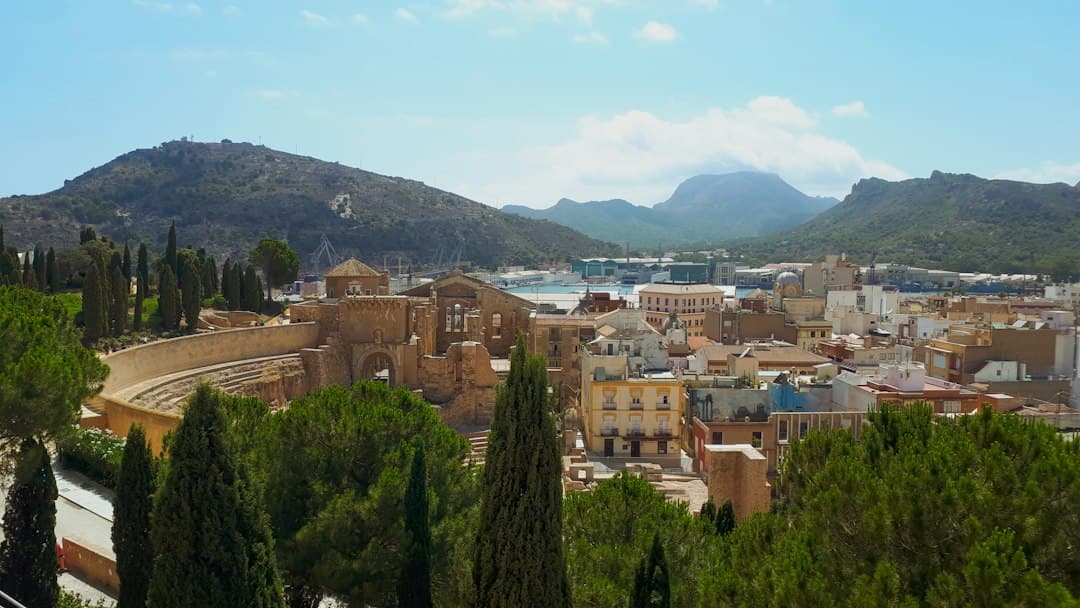
Costa Blanca (“White Coast”) isn’t a single place. It’s a coastal region in eastern Spain—a long, varied stretch of the Alicante coastline with an interior of mountains, valleys, reservoirs, palm groves, castles, archaeological sites, waterparks, theme parks, promenades, watchtowers, and neighborhoods that still feel like living communities rather than visitor zones.
What makes Costa Blanca special—and occasionally confusing—is its dual personality:
- On one side: bright, beach‑resort energy—promenades, nightlife, theme parks, water parks, urban beaches with full facilities, and big-name destinations like Benidorm and Alicante.
- On the other: a quieter, often more emotional Costa Blanca—whitewashed hill towns, hidden coves, pine‑scented trails, Roman ruins by the sea, castle villages on rocks, and local rhythms of markets and fiestas.
This guide preserves every detail from four separate research “agents” (Geo, Historian, Vibe, Critic) and combines them into one huge, practical, traveler-first manual. You’ll see hard logistics (hours, prices), deep historical context, sensory descriptions to help you choose experiences that match your mood, and real-world review patterns (what people love, what people complain about, what’s likely to feel crowded or overpriced).
Table of Contents
- Introduction: How to Use This Guide
- The Story of Costa Blanca (Big-Picture History)
- Top Experiences (Do Not Leave Without…)
- Hidden Gems & “Beyond the Beaches” Costa Blanca
- Culture & Atmosphere (What It Feels Like)
- Food & Local Experiences (Tapas, Markets, Chocolate, Wine, Garum…)
- Practical Tips & Warnings (Crowds, Heat, Pricing Traps, Ethics, Safety)
- Conclusion: Your Costa Blanca, Your Version
Introduction: How to Use This Guide
Costa Blanca is a region, not a city
Costa Blanca is best understood as a coastal region in southeastern Spain (Alicante province) rather than one destination. Its identity comes from a chain of coastal towns and an inland belt of villages, castles, valleys, and hiking landscapes. That’s why the most important travel skill here isn’t just “what to do,” but how to mix and match.
The region’s defining travel rhythm: coast vs. inland
You’ll likely experience Costa Blanca in two movements:
- Immediate pleasure: sun on skin, promenades, beaches, tapas, nightlife, sea views—Benidorm’s Levante energy, Alicante’s Esplanada and Old Town, Calpe’s seafront under the Peñón de Ifach.
- The deeper layer: quiet coves, old quarters, inland villages, archaeology, museums, watchtowers, palm groves—Santa Cruz neighborhood life in Alicante, Guadalest’s stone silence, Illeta dels Banyets’ Roman fish tanks, Elche’s shaded palm groves.
Many traveler narratives describe the second movement as the moment Costa Blanca becomes memorable: respect, tenderness, connection, and a sense of “real life behind tourism.”
What this guide covers (and why it’s huge)
You’ll find:
- 20 mapped attractions from Geo Agent (parks, nature preserves, beaches, theme parks, castles, coves, viewpoints, water parks, zoos).
- 15 deeply researched historical sites (with long-form history, architecture notes, ticket prices, opening hours, and closure dates).
- 18 “vibe” places described through sensory detail—smells (salt, pine, geraniums, grilled fish), sounds (waves, gulls, church bells, market shouts), and emotional tone (romantic, contemplative, electric).
- Review-driven reality checks (what’s crowded, what feels commercial, what’s great value, what’s questionable value, what tends to disappoint, what is consistently praised).
The Story of Costa Blanca (Big-Picture History)
Costa Blanca’s history is layered and region-wide, not confined to one town. The broad arc follows the story of the southeastern Iberian Peninsula:
Prehistory and early settlement
Human presence in the Costa Blanca area goes back extremely far. Archaeological evidence indicates prehistoric settlement long before formal towns existed. These early communities developed gradually around defensible hills, fertile valleys, and accessible coastal points.
Iberians and Mediterranean contact (Phoenicians and traders)
In antiquity the region was inhabited by Iberian communities. Along the coast, Phoenicians and other Mediterranean traders established contact and helped integrate the area into wider commercial networks. Settlements grew organically through trade, agriculture, and strategic positioning.
Roman urbanization: Lucentum and Ilici Augusta
Roman rule brought stronger urban organization and integration.
- Lucentum is the Roman predecessor of modern Alicante (covered in depth later).
- Near Elche, Ilici Augusta became an important Roman settlement with colonial status.
- The Via Augusta connected the coast to the rest of Roman Hispania—an infrastructure spine that helped shape long-term patterns of movement and economy.
Roman authority expanded after a brief Carthaginian presence. Roads, ports, and agricultural estates supported goods movement—wine, olives, and other Mediterranean products—and left a lasting imprint on settlement patterns, especially around Alicante and Elche.
Late antiquity: decline, transition, Visigoths
After the fall of the Western Roman Empire (5th century), political instability followed. The region passed under Visigothic control until the Islamic conquest in the early 8th century. Roman influence didn’t vanish, but power shifted in a transitional period of changing authorities.
Islamic conquest (711) and al-Andalus: irrigation and fortified landscapes
The Moorish conquest beginning in 711 brought the area into al-Andalus and transformed the landscape:
- Improved irrigation systems were introduced and expanded—critical in a dry coastal climate.
- These irrigation techniques enabled more intensive farming and supported population growth in valleys and inland plains.
- Moorish influence shaped architecture, urban planning, ceramics, agriculture, and everyday cultural practices.
The region moved through changing Islamic political entities: Umayyad emirate, Caliphate of Córdoba, and later taifa fragmentation. This era deeply shaped the landscape through irrigation networks and fortified settlements. Even after Christian conquest, many of these agricultural and architectural patterns remained embedded in local life.
Christian reconquest: James I of Aragon and the Kingdom of Valencia
The Christian reconquest was gradual:
- In the 13th century, James I of Aragon reconquered much of the area.
- By 1238, the region largely entered the orbit of the Crown of Aragon and the emerging Kingdom of Valencia—a major turning point that replaced Islamic political structures with Christian feudal systems, new laws, and repopulation from other Iberian regions.
A key milestone:
- Treaty of Almizra (1244) helped define the boundary between Castilian and Aragonese expansion—shaping political geography for centuries.
By the end of the 13th century, most of the Costa Blanca coastline had been reconquered and integrated into the Crown of Aragon and later the Spanish monarchy.
Early modern period: piracy, watchtowers, coastal defense
With the consolidation of the Spanish Crown (1492 coinciding with the end of the Reconquista in Granada), the Costa Blanca entered an early modern era marked by:
- Piracy threats and recurring instability from shifting Mediterranean power balances.
- Coastal towns built watchtowers, fortified points, walls, and defensive systems to protect against seaborne raids.
Economically the region depended on agriculture, trade, and local production—still supported by Roman transport legacies and Moorish irrigation.
Modern era: tourism becomes the defining force
While agriculture persisted, the 19th century brought improved transport and early visitor growth. In the 20th century—especially after WWII—tourism expanded dramatically and reshaped the region:
- Beaches, hotels, roads, and vacation infrastructure proliferated.
- The term “Costa Blanca” was popularized in the mid‑20th century as a tourism brand to unify the Alicante coastline into a distinct destination identity.
In short: Costa Blanca’s modern “sun-and-sea” image sits atop a much older story: Iberian settlement, Roman cities, Islamic irrigation and fortification, Christian conquest, piracy defense, and finally tourism-driven reinvention.
Major events that shaped the region (explicit list)
- Roman conquest and urbanization (Lucentum, Ilici Augusta)
- Collapse of Roman rule → Visigothic transition
- Islamic conquest in 711 and centuries of Moorish rule
- Introduction of irrigation and advanced farming under Islamic rule
- Christian reconquest in the 13th century under James I
- Treaty of Almizra (1244) defining borders
- Integration into Crown of Aragon and later Spain
- 20th‑century tourism boom transforming economy and image
Top Experiences (Do Not Leave Without…)
This section blends the Geo Agent’s top attractions list, the Historian Agent’s deep site write-ups, the Vibe Agent’s sensory field notes, and the Critic Agent’s review-based reality checks.
1) Castillo de Santa Bárbara (Alicante) — the flagship “worth it” fortress
What it is:
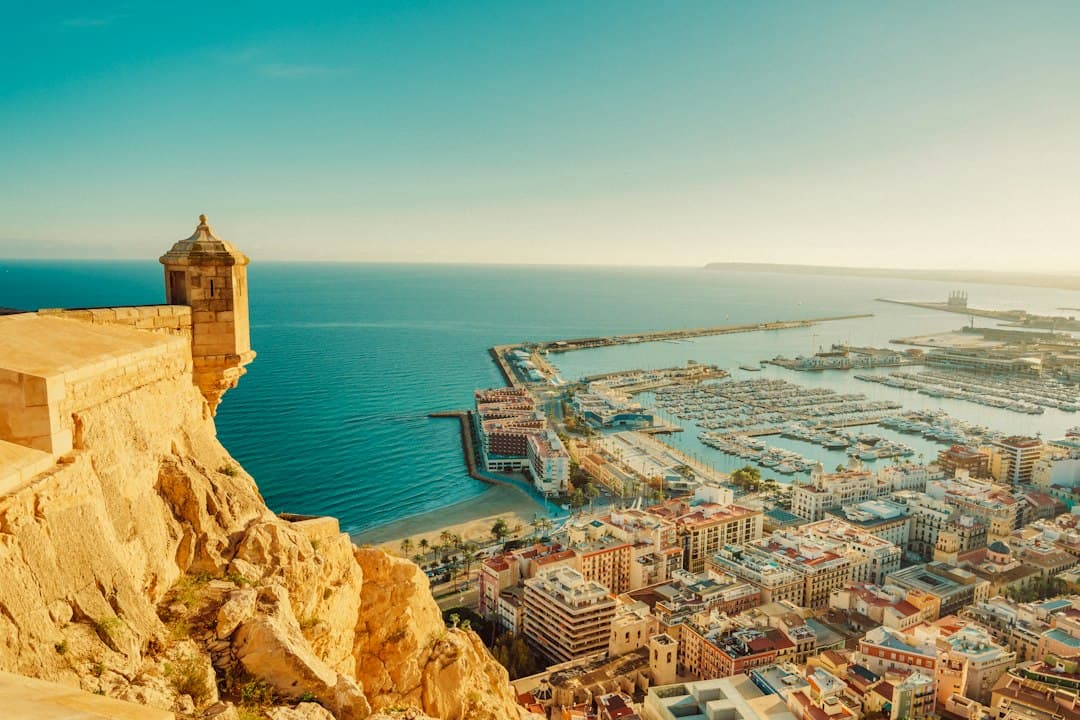
Alicante’s defining hilltop fortress, sitting on Mount Benacantil above the city and Mediterranean. A strategic site since antiquity, with a recognizable fortress form developed during the Islamic period (earliest structure described as a Muslim citadel with square towers).
Why it matters historically:
- Captured by Christian forces on 4 December 1248, feast day of Saint Barbara—this is the traditional origin of the castle’s name.
- Expanded and modified across centuries to adapt to new military needs and protect the city and trade routes.
- Opened to visitors in 1963, shifting from military installation to cultural landmark.
What you’ll actually do there:
This is a fortress complex with multiple enclosure levels shaped by centuries of reconstruction. Highlights include:
- Upper enclosure (highest/oldest defensive core)
- Walls and battlements tracing the mountain contour
- Courtyards and exhibition spaces interpreting history
- Lookouts and panoramic terraces—major crowd magnets
- A modern mountain lift carved into the rock (memorable and practical)
Practical info (critical):
- Castle entry itself: Free (official city site).
- Lift: Paid; official/near-official sources list €2.70 return.
- Note: third-party 2025 guides mention different pricing structures, but €2.70 return is the clearest figure in the gathered official info.
- Opening hours (daily; no weekday/weekend difference):
- 15 Nov – 27 Feb: 10:00–18:00
- 28 Feb – 16 Jun: 10:00–20:00
- 17 Jun – 4 Sep: 10:00–23:00
- 5 Sep – 14 Nov: 10:00–20:00
- Closures:
- Closed 24, 25, 31 Dec and 1, 6 Jan
- Special closure on 24 June and reduced/late closing rules around late June festivities.
Review reality (what travelers say):
- Often ranked #1 in Costa Blanca attractions.
- Massive review volume (over 52,000 Google reviews, ~4.7/5; plus 9,000+ TripAdvisor).
- People rave about panoramic views, history, preservation, and free entry.
- Most common complaint: elevator queues in peak season; also heat and lack of shade when walking up.
- Minor “trap” feel: overpriced snacks/drinks around the lift/castle cafés—buy water elsewhere first.
Geo Agent specifics:
- Castle of Santa Barbara (type: castle) rating 4.7, user ratings total 52,789
- Address: Castillo de Santa Bárbara, 03002 Alicante, Spain
- Lat/Lng: 38.3489718, -0.478029
- Place ID: ChIJ57iIa6U3Yg0RCD4iSor1MEM
2) Alicante Old Town + Barrio de Santa Cruz — the city’s “Spanish heart” vibe
Vibe:
Barrio de Santa Cruz clings to the slopes below Santa Bárbara. Walking into it feels like entering a village inside the city: narrow lanes, staircases worn by centuries, whitewashed walls with bright blue/yellow doors and windows. Houses are decorated with mosaic tiles, ceramics, dense clusters of flowerpots (geraniums—sharp green fragrance). Smells mix: soap, cooking oil, stone warming in sun.
Sounds and social life:
Neighbors greet each other by name; radios play flamenco/pop; children play football in tiny plazas. In the evening, people sit outside on plastic chairs talking; someone waters plants and wet earth smell rises from steps. Up higher, wind carries seafront traffic murmur, pine rustle, and distant waves if you climb toward viewpoints.
Cultural continuity:
Many homes stay within families for generations; sociocultural value described as “massive.” Religious traditions link to the hermitage of Santa Cruz and Holy Week processions—narrow lanes lined with candles and flowers.
Emotionally:
Authentic, intimate, slightly dreamlike—visitors feel tenderness and want to lower their voice, notice details like poetry painted on walls or iconic pot-covered façades.
Critic/review reality:
Alicante Old Town and Esplanada are widely praised for atmosphere, tapas, strolling, photogenic mosaic promenade. Some streets cater heavily to tourists; noise at night can be an issue; parking and driving are inconvenient in narrow streets.
3) Esplanada de España (Alicante) — the palm-lined, wave-mosaic promenade
Why it’s a top experience:
It’s part of what defines Alicante as a seaside city: strolling culture, evening ambience, easy access to cafés and bars, and a photogenic “classic” feel. Travelers repeatedly mention the wave-pattern mosaic and palm-lined stretch.
Critic note:
Not a “tourist trap” in itself, but some nearby venues can be tourist-focused with premium pricing.
4) Benidorm: Levante Beach + Old Town + Balcón del Mediterráneo
Benidorm is where Costa Blanca’s dual identity becomes stark: skyscraper resort energy, but also historic pockets and dramatic viewpoints.
Levante Beach (Benidorm)
Geo data:
- Llevant Beach, Benidorm (type: tourist attraction) rating 4.6, user ratings total 1,591
- Address: Llevant, 03503 Benidorm, Alacant, Spain
- Lat/Lng: 38.5351917, -0.1175418
- Place ID: ChIJpdvn3BkFYg0Ro85z-oD_fhY
Review reality:
- Praised for sand, facilities, promenade.
- Critic’s biggest negative: overcrowding in high season; “packed,” “jammed,” loungers close together.
- Some dislike urban/commercial backdrop.
- Occasional minor cleanliness issues appear (litter, cigarette butts, jellyfish days).
- Petty theft risk in crowded zones—keep valuables close.
Benidorm Old Town & Balcón del Mediterráneo (Plaça del Castell)
Vibe details:
Old Town: whitewashed pedestrian streets, small shops, tapas bars, churches. Best in the morning—shutters opening, bakeries, smell of fresh bread, garlic, coffee. Gulls cry; sea audible at the end of streets.
Balcón del Mediterráneo: pentagonal viewpoint on Punta Canfali. Waves crash below; wind whips around balustrades; smells of salt, sunscreen, sometimes grilled fish from terraces. Sunrise/sunset light described as “unreal” (pinks/golds). Photographers crowd edges; cameras click; busker guitar/saxophone adds soundtrack.
Evenings: Tapas Alley ignites—clinking glasses, shouts of “¡salud!”, smells of fried anchovies, peppers, jamón. Yet the Balcón can feel serene late at night, with only waves and distant bass.
Emotionally: people are surprised; it feels cinematic and dramatic. Romantic but public—a stage for proposals, reunions, solitary contemplation.
Tapas Alley (Benidorm)
Critic highlights:
- Concentration of tapas bars including Basque-style tapas praised on forums/Reddit.
- Crowds, price variation, cramped smoky streets in evenings.
- Advice: follow highly rated venues; avoid aggressive menu-pushers.
5) Serra Gelada Natural Park (Parc Natural de la Serra Gelada)
Geo data:
- Parc Natural de la Serra Gelada (type: nature preserve) rating 4.6, user ratings total 10,801
- Address: Camino Viejo del Faro, s/n, 03581 Alacant, Alicante, Spain
- Lat/Lng: 38.567813, -0.0627205
- Place ID: ChIJhdlIuq8GYg0R_5a7jdZgXYs
Why go:
This is part of the “Costa Blanca beyond beaches” identity—pine, cliffs, coastal trails, and the ability to step away from urban beach density while still hugging the Mediterranean.
6) La Cruz de Benidorm — a viewpoint hike with big payoff
Geo data:
- La Cruz de Benidorm rating 4.7, user ratings total 6,444
- Address: C. Taywan, 14, 03503 Benidorm, Alicante, Spain
- Lat/Lng: 38.5317488, -0.0958554
- Place ID: ChIJKe_ogEkEYg0RIGras0H78x8
How it fits:
A classic viewpoint experience—best early or late to avoid heat. Expect exposure and bring water.
7) Terra Mítica (Benidorm) — the “check first” theme park
Geo data:
- Terra Mítica rating 4.0, user ratings total 18,740
- Address: Partida del Moralet, s/n, 03502 Benidorm, Alicante, Spain
- Lat/Lng: 38.5594384, -0.1577752
- Place ID: ChIJAQAAAFQbYg0RylwHaIZ6phg
Critic/review reality:
Reviews are mixed/average (TripAdvisor ~3.6/5 with ~4,789 reviews). Pros: thrill rides (Inferno, Synkope), themed areas (Egypt, Greece, Rome), pool area, potential full-day outing, sometimes shorter queues than mega-parks.
Cons (repeated):
- Many attractions closed/under maintenance; sometimes only “4 attractions” open per angry review.
- Low density of attractions (“only 5 per adults”), empty/underused spaces.
- Poor value for money if paying full price.
- Strict and inconsistently enforced food/drink policies (random bag checks; some forced to discard water/fruit/snacks, others not).
- Maintenance/cleanliness concerns, sense of aging/underinvestment.
Verdict:
Not a scam, but can feel like a “tourist trap” if marketing doesn’t match ride availability. Go only if you verify operating status and promotions, and go in with tempered expectations.
Also in the Terra Mítica area (Geo):
- Puerto de Alejandría (tourist attraction) rating 4.2, user ratings total 86
- Address: Lugar Parque Tematico, 1, 03502 Benidorm, Alicante, Spain
- Lat/Lng: 38.5599783, -0.1593685
- Place ID: ChIJ8xO_mVobYg0RCLZednxU7pQ
8) Aqualandia (Benidorm) — a water-park day (plan for costs)
Geo data:
- Aqualandia (water park) rating 4.2, user ratings total 21,591
- Address: Sierra Helada, s/n, 03503 Benidorm, Alicante, Spain
- Lat/Lng: 38.5420337, -0.0950427
- Place ID: ChIJj5VYZt0EYg0R7XsMHNYOTLo
Critic/review patterns:
Generally positive for slides and pools; a full day for families. But budget for tickets + on-site extras (food, lockers, photos). Expect queues in high summer and seasonal operations.
9) Mundomar (Benidorm) — animal park, loved by some, ethically debated by others
Geo data:
- Mundomar (zoo) rating 4.5, user ratings total 10,685
- Address: Carrer Serra Gelada, s/n, 03503 Benidorm, Alicante, Spain
- Lat/Lng: 38.5428384, -0.0930288
- Place ID: ChIJq2H5cz8EYg0RlN8p73m6hng
Critic/review patterns:
Positive for dolphin/sea lion/bird shows and family appeal. Some visitors raise ethical concerns about captive marine mammals (dolphin shows), which may affect your enjoyment depending on values.
10) Terra Natura (Benidorm) — zoo-style day
Geo data:
- Terra Natura rating 4.3, user ratings total 14,275
- Address: Foia del Verdader, 1, 03502 Benidorm, Alicante, Spain
- Lat/Lng: 38.5689215, -0.1445907
- Place ID: ChIJfy4uJFUDYg0RSmZmMYpuL1I
11) Parc d’Elx (Benidorm) — a major urban park break
Geo data:
- Parc d'Elx (park) rating 4.4, user ratings total 7,709
- Address: C. del Alcalde José Such Ortega, 03501 Benidorm, Alicante, Spain
- Lat/Lng: 38.5364511, -0.1326678
- Place ID: ChIJS7gwuNwEYg0RglDTuQOCRBY
12) Las Estrellas Promenade (L’Alfàs del Pi) — a strollable “celebrity” walkway
Geo data:
- Las Estrellas Promenade rating 4.5, user ratings total 4,913
- Address: Passeig de les Estreles, 1, 03581 L'Alfàs del Pi, Alicante, Spain
- Lat/Lng: 38.5735391, -0.0647755
- Place ID: ChIJu8Tg5E0BYg0ROrB4p_aioqg
13) Altea Old Town (Casco Antiguo) — the “villa blanca” with the blue dome
This is both a top experience and a mood, and it’s one of the most consistently praised places in the region.
Historian’s full historical/architectural detail (preserved):
- Altea has ancient habitation: Iberians; Greeks founded a trading post Althaia at the mouth of the river Algar.
- Andalusí period: alquería of Altāya, irrigation/agriculture system develops.
- Medieval: part of the taifa of Denia.
- Reconquered in 1244 by Jaime I; fortified with defensive walls; narrow steep labyrinthine street plan develops; a castle stood on the hilltop where the church is today.
- After Barbary pirate attacks, hill almost depopulated by late 16th century.
- Under the Palafox, marquises of Ariza, a new planned fortress was built in 1617 (Renaissance fortification) with walls and gates conceived as a unified plan.
- The Baluarte y Recinto Renacentista still preserves traces of the 1617 plan: wall fragments and access gates; protected as Bien de Interés Cultural.
- Altea becomes officially a city in 1729; population centered on fishing and agriculture in 18th–19th centuries.
- In the 20th century it becomes a refuge for painters, writers, musicians—forming the “artistic white village” identity.
- Declared Conjunto Histórico‑Artístico / Bien de Interés Cultural in 2013.
Architecture & key elements:
- Hilltop urban fabric: steep, narrow streets, defensive origins.
- Preserved wall fragments and historic gates.
- Whitewashed houses, balconies, ironwork, stone details; cobbled streets, staircases.
- The skyline icon: Iglesia de Nuestra Señora del Consuelo with blue and white tiled dome (“blue dome of the Mediterranean”).
- Built on the old castle location; memory of an earlier 14th-century temple associated with the castle, disappeared in the 19th century.
- Must-sees: Plaza de la Iglesia (social nucleus + sea views), wall remnants, streets like Costera del Mestre de la Música and Carrer Major, hilltop miradors.
Practical info (preserved):
- Old town streets: open urban space, free, 24h access.
- Church: sources show mass times but no entry fee; reasonable estimate 0€ for visit/worship.
- Mass schedule (as reference for minimum opening):
- Tuesday, Wednesday, Friday, Saturday: 18:30
- Sundays/holidays: 09:00 and 11:00
- Note: these are worship times; tourist visiting hours may vary.
Vibe (sensory + emotional):
Morning: quiet; broom scrape, distant church bell, muted café clinks; smells of coffee, sea salt, bougainvillea/geraniums.
Afternoon/evening: artisan shops, small galleries, terraces set; buzz of conversation; street performers (Spanish guitar/jazz) beneath the blue dome; the square feels like the “beating heart,” people linger late with wine, kids playing.
Emotionally: romantic, artistic, gently nostalgic—many visitors feel creative inspiration (sketch skyline, write in notebook). Sea + mountains (Sierra Bernia behind) + intimate human scale create a self-contained Mediterranean world.
Critic/review reality:
Loved for beauty and relaxed strolling; hilly terrain is a real factor; some note increasing tourist numbers and rising prices; cafés with prime views may cost more.
14) Guadalest (El Castell de Guadalest) — the inland “storybook fortress” day trip
This is one of Costa Blanca’s signature excursions and also a place where reviews and vibe collide: awe + commercialization.
Historian’s detailed history (preserved):
- Also called Castell de Guadalest, remains include Castillo de San José and La Alcozaiba.
- Established in the 11th century during Muslim rule (al-Andalus), chosen for strategic rocky position over the valley.
- After Christian conquest (13th century), incorporated into Kingdom of Valencia under James I; later feudal noble possession.
- Damaged by earthquake 1644.
- Further destruction during War of the Spanish Succession (1708) when part was blown up.
- Today: heritage landmark explaining settlement and defensive logic; dramatic setting: limestone spur, near-inaccessible profile.
What you’ll see:
- Rock-hewn fortress ruins.
- Panoramic views over reservoir/valley.
- Village urban fabric: narrow paths, steep access, stone walls.
- Features: ruined upper castle, Orduña House museum, cliffside village streets, overlooks.
Practical info (preserved):
- Typical adult ticket: ~€4 (some sources €4–5 depending on bundles with Orduña House).
- Child: some sources ~€2.
- Opening hours: often 10:00–19:00, with summer up to 20:00 and winter around 18:00.
- One source: open 10:00–19:00 but closed 14:00–15:00 on Thursdays and Sundays.
- Because hours vary by source/season: verify locally.
Vibe (preserved): Approach: houses clustered under castle on crag; storybook feel. Stone-and-height atmosphere; cobbles echo; every turn opens to silence or panoramic views—turquoise reservoir, layered mountains. Pine and wild herbs scent after rain; summer dust/warm rock softened by jasmine and geraniums.
Emotion: contemplative, slightly surreal—time warp vibe. Awe + tranquility; also a thread of melancholy (hardship of lives on the rock).
Critic/review reality:
- High ratings (~4.6/5, 2,500+ TripAdvisor).
- Pros: scenery, photos, charm, quirky small museums, good value (€4 entry, €2 parking often mentioned).
- Cons: commercialization (souvenir shops), crowds midday when tour buses arrive, steep/uneven accessibility issues, organized tours often rushed with limited free time.
- Advice: visit independently by car if possible to control timing and avoid midday crush.
15) Dénia Castle (Castell de Dénia) — Islamic alcazaba with Roman roots and midnight summer hours
Historian’s detailed history (preserved):
- The hill was important in Roman times (Dianium), an important naval base/trading center.
- Core fortress dates to Islamic period 11th–12th centuries as military fortress and alcazaba (citadel).
- Served as residence of Muslim governor; political center of a taifa extending influence to the Balearic Islands.
- Considered one of the best examples of Islamic military architecture on the Spanish Mediterranean coast.
- Defensive role against Mediterranean piracy continues under different rulers.
- After Christian conquest: remodeled late medieval/early modern; bastions and artillery platforms added (gunpowder warfare); links noted in narratives to Philip III.
- Today houses the Archaeological Museum of Dénia.
What you’ll see:
- Hilltop above old town and port; panoramic views over Mediterranean, marina, urban area.
- Islamic walls/towers, gateways.
- Later bastions/artillery elements.
- Archaeological Museum: Roman Dianium and Islamic artifacts.
- Gates, ramps, courtyards; summer night visits when illuminated.
Practical info (preserved; 2024/2025): Ticket prices:
- Adults: 3 €
- Children 8–16: 1 €
- Pensioners/retirees: 2 €
- Students: 2 €
- Groups (min 25, with authorization): 2 €
- Under 8: free (commonly indicated)
Closed days:
- 25 Dec, 1 Jan, 19 Mar (Saint Joseph’s Day), 1 May
Seasonal hours (apply weekdays/weekends):
- Nov–Mar: 10:00–18:00
- Apr–May: 10:00–19:00
- June: 10:00–20:00
- 1 Jul–15 Sep: 10:00–00:00 (midnight) (last entry typically before closing)
- 16–30 Sep: 10:00–20:00
- Oct: 10:00–18:30
Reduced-hour days:
- 5 Jan, 24 Dec, 31 Dec: 10:00–14:00 Last admission typically 30 minutes before closing.
16) Villena Castle (Castillo de la Atalaya) — Almohad fortress, rare vault, and heavy history
Historian’s detailed history & significance (preserved):
- Built end of 12th century by Almohads as refuge/defensive point for Muslim Bilyana.
- Position on San Cristóbal hill controls Vinalopó valley route toward central plateau.
- Important Islamic–Christian frontier stronghold; resisted three sieges by James I.
- After Christian conquest: passed to noble lineages (Pacheco family; “Castle of the Pacheco”).
- Played roles in major conflicts: Revolt of the Brotherhoods (Germanías), War of Spanish Succession, Peninsular War.
- Dark episode: in 1476 (encouraged by Catholic Monarchs), people rose against marquis Diego López Pacheco; thousands of Jews and converts who had taken refuge in the castle died.
- Declared Monumento Histórico‑Artístico in 1931, now Bien de Interés Cultural (BIC).
- Preserves rare Islamic and Christian graffiti, some by prisoners.
Architecture (preserved):
- Double walled enclosure:
- Outer wall with twelve towers
- Inner wall higher enclosing courtyard and keep
- No moat.
- Keep: southeast end, square plan, four levels.
- Lower two: Almohad masonry
- Upper two: 15th-century Christian stonework
- First floor: exceptional Almohad star-shaped ribbed vault, practically unique in Hispanic military architecture.
- Cantilevered turrets at corners/sides.
Practical info (preserved): Ticket:
- General: 3 €
- Reduced: 1.50 € (criteria not specified in summary)
Hours (2024 “Ruta Castillos”):
- Tuesday to Sunday, public holidays, and Monday before holiday: 10:00–14:00
- Mondays generally closed unless holiday-eve open
- Festival adjustments around Moros y Cristianos (5–9 Sept); example: open 5th and 9th 11:00–14:00 Plan 1–1.5 hours.
17) Lucentum (Tossal de Manises) — Roman city above the sea in Alicante
Why it matters:
This is Alicante’s Roman predecessor and one of the most important Roman urban sites in the Valencian Community—preserving almost the entire walled urban area.
Historian’s details (preserved):
- Iberian origins: settlement of Contestani people late 5th–4th centuries BC.
- Roman city developed with planned street grid; built around end of 3rd century BC.
- Peak under Augustus: granted municipium status (citizenship rights, self-government). Name evolves into “Alicante.”
- Decline: 3rd–7th/8th centuries; settlement shifts toward Mount Benacantil by early Islamic period.
- Declared Historic-Artistic Monument in 1961.
- Site size around 25,000–30,000 m²; managed as open archaeological park by MARQ and Diputación.
What you’ll see (preserved):
- Hill 38m high, ~3.5 km from Alicante center (Albufereta district).
- Stone wall about 600m perimeter with towers and gates.
- Regular Roman grid with insulae.
- Forum remains (administrative buildings, porticoes).
- Roman baths with cold/warm/hot rooms.
- Houses with courtyards, cisterns, workshops.
- Earlier Iberian layers beneath Roman construction.
- Walkways, panels, viewpoints over bay.
Practical info (preserved): Hours seasonal:
- Winter (mid-Sep–mid-Jun):
- Tue–Sat: 10:00–14:00 and 15:30–17:30
- Sun/holidays: 10:00–14:00
- Mon closed
- Summer (mid-Jun–mid-Sep):
- Tue–Sat: 09:00–13:00 and 18:00–21:00
- Sun/holidays: 09:00–13:00
- Mon closed
Ticket estimates:
- Standard adult around 2–3 €
- Reduced 1–2 €
- Combined tickets with MARQ and other sites possible; verify locally.
Location:
- C/ Zeus s/n, Albufereta, Alicante. Access by bus/tram, car/taxi; signage “Lucentum – Tossal de Manises.” Bring hat/water/sun protection.
18) MARQ Archaeological Museum (Alicante) — award-winning modern archaeology
Historian’s details (preserved):
- Origins: inaugurated 1932 in Palacio de la Diputación; inaugurated by Niceto Alcalá-Zamora (President of Second Spanish Republic).
- Early curators: José Lafuente Vidal and Francisco Figueras (Figueres) Pacheco.
- 1965–66 integrated into provincial network; director Enrique Llobregat Conesa.
- 1994 official recognition under Valencian government.
- Moved to former San Juan de Dios Provincial Hospital (architect Juan Vidal, 1920s, often dated 1924–1929); refurbished; relocated around 2000.
- New MARQ opened 28 May 2002, presided over by Queen Sofía.
- Won European Museum of the Year Award (EMYA) 2004.
- Manages sites: Lucentum, La Illeta dels Banyets, Almudaina Tower; combined tickets.
What it’s like:
- Located in Plaza Doctor Gómez Ulla, foot of Santa Bárbara.
- Interactive narrative museography: audiovisual projections, reconstructions, models, hands-on elements.
- Chronological journey through 300,000 years:
- Prehistory
- Iberian culture
- Roman culture (incl. Lucentum)
- Middle Ages (Christian, Islamic, Jewish)
- Modern/contemporary ages
- Temporary exhibitions vary.
Practical info (preserved): Hours (common pattern):
- Monday closed
- Tue–Sat: 10:00–19:00
- Sun/holidays: 10:00–14:00 (Official site sometimes mentions time slots 10–14 and 15:30–17:30; check before visit.)
Tickets (estimates from official tariff pages):
- Standard: ~5 €
- Reduced: ~3 €
- Sundays/holidays: ~3 €
- Joint ticket (MARQ + Lucentum + La Illeta + Almudaina Tower):
- General ~8 €
- Reduced ~6 €
Critic/review reality:
- Not considered a tourist trap; praised for quality and value.
- Great in hot weather as an air-conditioned indoor plan.
19) La Illeta dels Banyets (El Campello) — Bronze Age + Iberian town + Roman baths + fish tanks
Historian’s deep detail (preserved):
- Rocky promontory near El Campello harbor, ~9 km north of Alicante.
- Used to be almost an island; became connected in 1943 by blasting an isthmus—partly destroyed but made accessible.
- Occupations:
- Bronze Age + orientalizing phases
- Iberian town (two phases 5th–early 3rd c. BC)
- Abandonment
- Roman imperial reoccupation 1st–2nd c. AD: villa + baths + fish-processing
Key features:
- Wooden walkway loop with interpretive panels.
- Iberian terraces cut into limestone, storage pits, shrines, workshops.
- Iberian sanctuary and habitation terraces.
- Workshop zone including Iberian amphora kiln (alfar de ánforas).
- Roman bath suite: frigidarium, tepidarium, caldarium with praefurnium/hypocaust.
- Rock-cut fish tanks (vivaria), channels with wooden sluices; salting tables; garum production.
- Broader ensemble includes Torre Vigía de la Illeta watchtower.
Practical info (preserved): Hours seasonal, Monday closed:
- Summer (approx 16 Jun–15 Sep):
- Tue–Sat: 09:00–13:00 and 18:00–21:00
- Sun/holidays: 09:00–13:00
- Rest of year (approx 16 Sep–15 Jun):
- Tue–Sat: 10:00–14:00 and 15:30–17:30
- Sun/holidays: 10:00–14:00
Tickets (best-supported):
- Single site: 3.00 €
- Sundays/holidays: 1.50 €
- Combined ticket with MARQ+Lucentum+Illeta+Torre Almudaina: 8.00 € (Some travel sites mention higher prices or “free access,” but that seems to refer to the area rather than the managed circuit.)
Visit time: 45–60 minutes; bring sun protection and water.
20) Baños de la Reina (Calpe) — Roman fish farms and baths you can still see on the promenade
Historian’s full detail (preserved):
- Late Roman coastal complex combining fish farms, salting factories, villa and baths—one of the most important Roman sites on Costa Blanca.
- Active roughly 1st–5th centuries AD.
- First house late 1st century AD; villa + thermal building end 2nd/beginning 3rd; abandoned early 5th.
- Municipal info describes late Roman complex (4th–5th) specializing in garum and salting.
- Exceeded 5,000 m²; legally a vicus depending on municipium of Dianium (Dénia).
- Documented since at least 18th century (Cavanilles 1797).
- Designated microrreserva de flora.
Legend vs reality:
- Traditional name “Baños de la Reina Mora” comes from legend; archaeologically they are Roman fish tanks and baths, not Moorish baths.
What you’ll see (three sectors):
- Coastal piscifactorías: rock-cut basins and channels; now used informally as sea pools for bathing.
- Villa/residential area (“palacio”): high-status owner; mentions of marble and mosaics.
- Thermal complex (Muntanyeta): frigidarium (natatio), tepidarium, caldarium; hypocaust system (furnaces, pilae, tubuli). Later reforms with partly unknown function.
Only about one quarter excavated; interpretive panels and virtual guides exist.
Practical access (preserved):
- Seafront fish pools via promenade: free, open, no fixed hours (practically daylight; subject to sea conditions).
- Archaeological interior via guided visits:
- Municipal tours described as free with prior registration.
- Example schedule (one announcement):
- Tuesday–Sunday: 10:00, 11:30, 13:00
- Tuesday & Thursday 11:30 in English
- Sunday 12:00 in Valencian
- Another listing: Wed–Sat 10:00/11:30/13:00; Sundays/holidays 10:00/12:00
- Wear sturdy footwear; rocks can be uneven/slippery.
- Combine with Calpe promenade and views of Peñón de Ifach; complement with Museo de Historia de Calp.
21) Peñón de Ifach (Calpe) + Calpe Seafront — “pure Mediterranean” vertical drama
Vibe (preserved): Peñón de Ifach: limestone rock 332 meters high rising straight from sea. Calpe described as “pure Mediterranean”: beaches, coves, cliffs, valleys, mountains meeting sea, plus warm close treatment from locals making you feel at home.
The climb: smells of sunscreen and fried fish on seafront; on trail, rosemary and scrub; a tunnel cut into the rock where air cools and footsteps echo on damp stone; after tunnel wind intensifies; waves become distant roar; seabirds cry. Views: can stretch from Ibiza on clear day to Murcia mountains.
Emotionally: exhilaration + awe + expansiveness; tactile contact with rough pale rock; lizards dart across path.
Evenings: promenades fill with families/couples; smells of paella, grilled prawns, pastries; sounds of children, live music, waves.
22) Fonts d’Algar (Callosa d’en Sarrià) — the freshwater oasis day
Geo data:
- Fonts d'Algar (nature preserve) rating 4.2, user ratings total 32,165
- Address: CV-715, s/n, 03510 Callosa d'en Sarrià, Alicante, Spain
- Lat/Lng: 38.6604652, -0.0948788
- Place ID: ChIJ1WjHdZj4YQ0RE3RT1fvDxYs
Vibe (preserved): A haven of peace and freshness in hot months: hear rushing water before seeing it; air temperature drops; humidity rises; smell wet stone, moss, riparian vegetation. Mist cools skin; white-noise waterfall sound; sunscreen and picnic food mix with earth and plant sap.
Emotion: restorative and playful; both childlike (climbing rocks, jumping pools) and meditative (sitting by cascade). Local refuge; respect fragility, follow marked paths, leave no trash.
Critic link:
Often combined with Guadalest on organized tours—watch for rushed schedules and shopping/lunch stops.
23) Torrevieja Pink Lake + Lagunas de La Mata y Torrevieja Natural Park
Pink Lake of Torrevieja
Geo data:
- The Pink Lake Of Torrevieja rating 4.2, user ratings total 4,760
- Address: C. de las Lavanderas, 10, 03185 Torrevieja, Alicante, Spain
- Lat/Lng: 37.9958995, -0.7030558
- Place ID: ChIJ56geq8CpYw0RthbPNiIjqf0
Vibe (preserved): Surreal rose-to-deep-pink water from microorganisms/algae in high salinity. Smell brackish salt crust; wind whistles across flat surfaces; crunch of salt underfoot. Sound minimal; open, lunar landscape.
Emotion: otherworldly, contemplative, photographic; photos look edited. Advice in stories: view responsibly, respect environmental regulations, don’t enter restricted zones; human impact can disturb ecosystems.
Parc Natural de Las Lagunas de La Mata y Torrevieja
Geo data:
- Parc Natural de Las Lagunas de La Mata y Torrevieja rating 4.4, user ratings total 6,038
- Address: Ctra. Nacional, s/n, 03188 Torrevieja, Alicante, Spain
- Lat/Lng: 38.0244525, -0.6579908
- Place ID: ChIJB-6_szGoYw0RIJjFoFowZXc
24) Cap de Martí / Cap Prim (Jávea area) — a high-rated viewpoint
Geo data:
- Cap de Martí / Cap Prim (observation deck) rating 4.8, user ratings total 458
- Address: 03738 el Portitxol, Alicante, Spain
- Lat/Lng: 38.7637815, 0.2228966
- Place ID: ChIJRZGcxp0OnhIRjGUJHIFO50A
Vibe link:
Fits the “hidden viewpoints” and coastal drama theme—wind, panoramic sea plane, introspection.
25) Jávea (Xàbia) Old Town + Port + Soler Blasco Museum
Vibe (preserved): Jávea is a Mediterranean gem where wild parkland/beaches border historic town and bustling port. Old town: maze-like stone facades, golden evening light, murmur of conversation in squares; smells of cooling stone, wine, cured meats, pastries.
Port: buzz; fishermen, ropes slapping masts; metallic boat smell, diesel, fresh sea air. Church of Virgen del Loreto: modern structure like ship hull.
Festival days: music, fireworks, processions; smells of gunpowder and grilled sardines.
Emotionally: welcoming, lively, rooted—wander historic heart or join port flow to feel authentic town life.
Soler Blasco Archaeological and Ethnographic Museum (Xàbia/Jávea)
Historian’s practical detail (preserved):
- Municipal museum named after Joaquín Soler Blasco.
- Location in historic centre (Plaça dels Germans Segarra / Calle Primícies area).
- Focus: archaeology + ethnography, local identity.
- Ticket: reported free admission by multiple sources; may be free or symbolic depending on exhibition.
- Publication sold: Cuaderns del Museu paper format €11.
Hours:
- Winter/Oct–Jun:
- Tue–Fri 10:00–13:00 and 17:00–20:00
- Sat/Sun/holidays 10:00–13:00
- Closed Mondays
- Summer/Jul–Sep:
- Tue–Fri 10:00–13:00 and 18:00–21:00
- Sat/Sun/holidays 10:00–13:00
- Closed Mondays Closures listed: 25 Dec and 1 Jan; some mention 6 Jan too.
26) Elche (Elx): MAHE museum + palm grove vibe
Vibe (preserved): Elche adds a different note: shaded, humid palm-grove atmosphere. Thousands of palms filter light into vertical lines; smell green fronds, damp soil, sometimes citrus; sound muted (wind in leaves, doves, faint city noise). Emotion: calm and curiosity; stories of irrigation systems and palms’ symbolic importance.
MAHE: Archaeological and History Museum of Elche (Palacio de Altamira)
Historian’s details (preserved):
- Located in Palacio de Altamira (Alcàsser de la Senyoria).
- Building: originally an almohad fortress late 11th–early 12th century, expanded 15th–18th centuries as noble residence.
- Museum moved/opened there 29 Nov 1985 after restoration; named for archaeologist Alejandro Ramos Folqués.
- Narrates Elche from Paleolithic to contemporary with modern museography and audiovisuals.
- Important for context of Dama de Elche (original in Madrid).
Temporary closure note (critical):
- During remodeling works, Palacio de Altamira and History section rooms VII–XII closed until 31 Dec 2024, while Archaeology rooms I–VI remain open and free during works.
Practical info:
- Address: Diagonal del Palau, 7, 03202 Elche
- Phone: +34 966 658 203 Hours:
- Mon–Sat 10:00–18:00
- Sun/holidays 10:00–15:00
- Closed: 25 Dec, 1 Jan
- 24 and 31 Dec shorter (10:00–15:00) Tickets:
- General 3 €
- Students/groups (min 15, reservation): 1 €
- Carnet Jove, seniors, large families: 1.50 €
- Free: Sundays; children <6; Gold Card holders; teachers/monitors; people with disabilities/reduced mobility
- During remodeling: Archaeology rooms free.
27) Villajoyosa (La Vila Joiosa) — colorful houses + chocolate
Vibe (preserved): Seafront rainbow-colored houses; cheerful whimsical atmosphere; smells salt plus faint tang of fish/nets drying plus sweet chocolate (town renowned for chocolate). Sounds: waves, gulls, relaxed café chatter. Summer flip-flops, kids shriek.
Legend: sailors painted houses same color as their ships so they could recognize home from sea after long periods away—each color a beacon. Emotion: homecoming and gentle joy; unexpectedly moving.
Critic/review reality:
- Praised as relaxed and more local than Benidorm.
- Chocolate factory visits popular but vary—some brief or commercial.
- Occasional tourist-oriented chocolate shops higher priced.
28) Tabarca Island — marine reserve snorkelling + “stay late” magic + lighthouse landmark
Vibe (preserved): Spain’s smallest inhabited island; short ferry ride from Santa Pola or Alicante. No cars; sound of footsteps on stone, conversation hum, gull cries. Smell salt, seaweed, grilled fish. Walled village with white/pastel houses, flowerpots, laundry—Greek-island vibe.
Underwater: marine reserve with some of best accessible snorkelling—schools of fish, rocky reefs, turquoise patches; muffled underwater silence broken by your breathing; sunlight flicker on rocks.
Key advice: catch early ferry but stay until late afternoon when crowds leave and island becomes eerily calm—wind in dry grasses, gentle wave slap, clatter of dishes from a single open bar.
Emotion: oscillates between holiday joy and contemplative stillness; simplicity and purity; sea dictates everything.
Critic/review patterns:
- Worthwhile for snorkelling and island atmosphere.
- High-season crowding midday.
- Restaurants can feel limited and expensive; bring snacks.
- Choose boat operator carefully; some pack passengers.
Tabarca Island Lighthouse (historical and practical detail preserved)
History:
- Plans around 1850 due to shipwrecks and hazardous reefs.
- Inaugurated 1 June 1854—first official lighthouse on Alicante coast.
- Designed by engineer Agustín Elcoro y Berocíbar.
- Initially olive-oil lamps → paraffin → 1916 petroleum vapour incandescent.
- 1867 converted into a school for lighthouse keepers.
- 1971 new reinforced-concrete tower built; original taken out of service.
- Modern tower later demolished (sources say around 1988–1998) and lantern returned; historic building restored.
- Lighthouse part of Tabarca’s historic-artistic ensemble (1964) and marine reserve (1986). Architecture:
- Two floors, square tower central, two cisterns; “romantic engineering,” fortress-like block.
- Highest point/eastern tip; dominates skyline. Current use:
- Some sources: houses biological laboratory linked to marine reserve.
- Not open for interior visits; exterior only. Practical transport (fare ballparks preserved):
- Return tickets roughly €9–12 adult depending online vs ticket office; children 4–8 about €8–9; under 4 free.
- Schedules seasonal; some services Easter to late October; winter more limited.
29) Benissa coastal path + coves + Cala Les Bassetes
Critic highlights:
- Benissa ecological trail described as easy, scenic, quieter than main beaches; good for mixing walking and swimming.
- Off-season services uncertain; bring water and sun protection.
Vibe notes (preserved): Hidden coves are “true treasure”: smell sea spray, warm stone, pine, metallic wet rock; crystal-clear snorkelling; minimal sound (waves, pebbles, wind). Locals often ask not to geotag exact spots—respect secrecy, pack out trash, keep noise low.
Benissa coastal path creates rhythmic calm: walk, descend to cove, swim, climb, walk again.
Geo data:
- Cala Les Bassetes rating 4.5, user ratings total 1,389
- Address: Avinguda de la Marina, 333, 03720 Benissa, Alicante, Spain
- Lat/Lng: 38.6592114, 0.0843326
- Place ID: ChIJdwINEloHnhIRkYJJpXSj6dw
30) Fort de Bèrnia — small historical landmark in the mountains
Geo data:
- Fort de Bernia (historical landmark) rating 4.6, user ratings total 423
- Address: Carrer Serra Bernia, 03530, Alicante, Spain
- Lat/Lng: 38.6611685, -0.0619142
- Place ID: ChIJ9Wb6vnv_YQ0RkYBAoN9jkJI
Vibe link:
Pairs naturally with “beyond the beaches” mountain/forest trails, panoramic introspection, and the Sierra Bernia backdrop mentioned in Altea vibe.
31) Torre d’Aguiló — coastal watchtower hike with big views
Geo data:
- Torre d'Aguiló rating 4.7, user ratings total 1,081
- Address: Carrer de Peru, 03509 La Vila Joiosa, Alicante, Spain
- Lat/Lng: 38.5195652, -0.1714914
- Place ID: ChIJl1w5iOYaYg0RlI1akT8K0sg
Historical resonance:
Costa Blanca’s early modern era saw watchtowers and coastal defenses built due to piracy threats; towers like this embody that defensive coastline logic.
32) Pasarela de Relleu — suspended canyon walkway (adventure inland)
Vibe (preserved): Walkway suspended along canyon walls; sound of hollow steps, wind hum; smell sun-heated stone, metal, dry vegetation (thyme, rosemary, pine). Emotion: adventure + reflection; fear of heights vs liberation; empowerment after stepping beyond comfort zone; reveals rugged inland Costa Blanca.
33) Guardamar Archaeological Museum (MAG) — Phoenicians, Iberians, Islamic lamps, and the Dama de Guardamar
Historian’s details (preserved):
- Municipal archaeology/ethnology/paleontology museum created by town council.
- Inaugurated 13 July 1990 in Casa de Cultura basement; official recognition Dec 1993 by Generalitat.
- Some sources mention 1987 for early activities, but formal MAG 1990–1993.
Highlights:
- Finds from Phoenician fort Cabeço Petit de l’Estany
- Iberian settlement Cabeço Lucero
- Roman and Islamic/Christian remains
- Central piece: Dama de Guardamar (important Iberian monumental sculpture)
- Islamic clay lamps (candiles) from Caliphal times
- Christian ceramics from Guardamar castle
- Ethnology: agriculture, fishing, crafts, domestic life
- Space: 555 m²; semi-basement; temp exhibition room, audiovisual room, restoration/museography department
Practical info (conflicting sources; preserved synthesis): Most reliable (Ministerio de Cultura directory) seasonal hours:
- Winter (outside July–mid-Sep):
- Tue–Sat 10:30–14:30 and 17:30–20:30
- Summer (1 Jul–15 Sep):
- Tue–Sat 11:00–14:30 and 18:00–21:30
- Closed Sundays, Mondays, and public holidays
Tickets:
- General ~1 €
- Guided group visits ~3 € per person for groups >10 with reservation Combined ticket MAG + Casa Museo Ingeniero Mira listed at 1 € ordinary entry in one route site.
Address/contact (variations preserved):
- C/ Colón (Colom) 60, 03140 Guardamar del Segura
- Phones listed: 965 728 610 or 96 672 71 66
- Email: magmuseo@gmail.com Advice: verify locally shortly before visiting.
34) Pilar de la Horadada Archaeological and Ethnographic Museum (Gratiniano Baches)
Historian details (preserved):
- Official: Museo Arqueológico-Etnológico Gratiniano Baches
- Five areas: archaeology, fossils, coins, ethnology, environment
- Address: Calle/Carretillas 19
- Museum described as compact local heritage center; includes prehistoric material, Roman ceramics, fossil of a large aquatic mammal from Río Seco, ethnographic items.
- A Russian guide says opened in 1994 via personal donations—secondary detail, not repeated in Spanish official pages.
Practical:
- Appears free (explicit “It is free” listing; official pages don’t show fees).
- Open Monday–Saturday; hours vary by month with midday break:
- Jan–Apr: 09:00–14:00 and 16:00–21:00
- May–Jun: 08:30–14:30 and 15:30–21:30
- July (first half) & Aug: 08:30–14:30 and 15:30–21:30
- July (second half): Mon–Fri 09:00–14:00 and 16:00–21:00
- Oct: Mon–Fri 09:00–14:00 and 16:00–21:00
- Dec: Mon–Sat 09:00–14:00 and 16:00–21:00 Advice: check website/culture dept for updates.
35) Basilica of Santa Maria (Alicante) — oldest active church, Gothic bones, Baroque face
Historian’s full detail (preserved):
- Oldest active church in Alicante.
- Built in Valencian/Catalan Gothic style between 14th–16th centuries on site of former Great Mosque.
- After Christian conquest, Alfonso X purified mosque and dedicated it to Santa María de la Asunción in 1248.
- Gothic construction began early 14th; fire in 1484 caused damage and rebuilding.
- Baroque façade carved 1721 by Juan Bautista Borja.
- Asymmetrical towers:
- Right: L-shaped Gothic tower (14th century)
- Left: rectangular Baroque tower added 1713
- Rococo gilded high altarpiece added in 18th century.
- Spanish Civil War: used as military store; interior damaged.
- Elevated to Minor Basilica by Pope Benedict XVI in 2007 (some sources 2006/2007).
Interior highlights:
- Single nave with side chapels between buttresses (fortress-like Valencian Gothic).
- Rococo high altarpiece.
- 16th-century Renaissance baptismal font attributed to school of Michelangelo.
- Mix of Gothic structure with Baroque/Rococo decoration. Location: Plaza de Santa María near Santa Cruz quarter, foot of Benacantil.
Practical:
- Entry generally free (tourist info sources).
- Visiting hours vary; typical tourist visiting hours given:
- 10:00–13:00 and 18:30–20:00
- Parish schedule suggests day/month-specific windows; confirm locally; contact number listed in guide: 965 21 60 26.
Hidden Gems & “Beyond the Beaches” Costa Blanca
Costa Blanca’s most powerful travel moments often come when you go one layer deeper than the obvious coastal strip. This section gathers everything the agents flagged as “hidden,” quieter, inland, or less mass-tourist.
1) The hidden coves ethic: don’t geotag, leave nothing behind
Multiple vibe accounts describe a “culture of respectful secrecy” around small coves near Alicante, Benissa, Moraira and beyond. Travelers speak of following small paths, asking a bartender, getting vague hand gestures, and stumbling onto pristine water with only a few people.
The unwritten rules:
- Pack out trash
- Keep noise low
- Don’t over-share exact locations online
- Respect that some ecosystems are fragile
Emotionally, finding these coves creates a mix of privilege and responsibility—feeling “entrusted with a secret.”
2) Benissa coastal path: quiet sea-cliff walking
Critic calls it an easy scenic walk with beautiful sea views and access to coves for swimming—less crowded than central beaches. Vibe describes it as rhythmic calm: walk, descend, swim, climb, repeat.
3) Pasarela de Relleu: the inland adrenaline surprise
A dramatic suspended walkway along a canyon—vertical, echoing steps, wind, sun-heated metal, thyme/rosemary/pine scents. It’s repeatedly framed as a “fresh” experience away from beaches.
4) Fort de Bernia and Serra de Bèrnia viewpoints
Vibe highlights Calpe’s hidden viewpoints like Monte Toix and Serra de Bèrnia as places where “real magic lies in hidden corners”: stronger wind, smell dry grass and rock, distant farm smoke, sea becomes a visual plane. Local tips: go early/late, keep noise low, don’t tag exact locations.
Geo lists Fort de Bernia as a historical landmark with high rating—an anchor point for those mountain moods.
5) Torre watchtower landscapes (piracy defense legacy)
The Historian Agent emphasizes early modern piracy threats driving watchtowers and fortifications along the coast. Geo’s Torre d’Aguiló embodies that: a hike that doubles as a tangible piece of the “defensive coastline” story.
6) Tabarca “stay late” transformation
Vibe calls out the powerful shift when day-trippers leave: island becomes calm, almost eerie; wind in grasses, waves, minimal voices. If you can, don’t do Tabarca as a rushed “two-hour photo stop.” Do it as a full-day island rhythm.
7) Inland villages: Polop and the “real life” between coast and hills
Vibe highlights Polop de la Marina and similar villages as grounded, intimate, authentic; church bells, wood smoke in cool months, earthy vineyards/citrus; weekly markets with oranges, almonds, cheeses; neighbors greeting by name. Many visitors say this is where they finally see “real life” beyond resort façades.
8) Villajoyosa: a half-day “postcard that’s lived-in”
Often quieter than the big resort hubs, with a human-scale emotional pull (homecoming legend + chocolate smell). Perfect as a decompression day.
9) Lucentum and Illeta: archaeology as hidden depth
Many visitors come for beaches and leave stunned by how accessible Roman/Iberian archaeology is here. Sites like Lucentum and La Illeta are open-air, sea-facing, and can be done in 45–90 minutes—ideal “between beach and dinner” cultural plans.
10) Bou d’Osborne Finestrat (unexpected roadside icon)
Geo data:
- Bou d'Osborne Finestrat rating 4.6, user ratings total 21
- Address: Av. Costa Blanca, 8, 03509 Finestrat, Alicante, Spain
- Lat/Lng: 38.5376757, -0.1893538
- Place ID: ChIJUae4Pv0bYg0Rhc1EGtLtguo
This is one of those “you’re here, why not?” oddities—small review volume but high rating; a very Costa Blanca road-trip flavor stop.
11) Wild Child Costa Blanca (Mutxamel) — hyper-niche but included
Geo data:
- Wild Child Costa Blanca rating 5.0, user ratings total 1
- Address: C. del Ressol, 03110 Mutxamel, Alicante, Spain
- Lat/Lng: 38.4489607, -0.4379866
- Place ID: ChIJxTiIIAA7Yg0RY2DI7zIOR7g
With only one rating, this is an outlier—still, it’s preserved here because the instruction is to preserve all details. If your itinerary takes you near Mutxamel and you’re curious, look it up for current offering.
Culture & Atmosphere (What It Feels Like)
Costa Blanca’s “feel” is not one thing. It’s a mosaic of sensory threads:
The sensory continuum: salt → flowers → pine → stone → markets
Across the region, you move through repeating smells and sounds:
- Salt + sunscreen on urban beaches
- Brackish salt crust at the Pink Lake
- Geraniums, jasmine, laundry soap, cooking oil in old quarters (Santa Cruz, Altea)
- Pine resin + dry earth + wild herbs on inland trails and Serra Gelada/Bèrnia landscapes
- Wet stone + moss at Fonts de l’Algar
- Diesel + fish + rope at ports like Jávea
- Market shouts + paper bags + olives/cheese in village plazas
Emotional “modes” you can choose from
Use these moods to plan your days:
1) Romantic and artistic: Altea
A hilltop sanctuary for artists, with that blue dome and terraces where people linger long after dinner. It’s the place that makes you want to sketch or write.
2) Intimate community life: Santa Cruz (Alicante)
A living neighborhood where streets feel like shared living rooms—plants, radios, plastic chairs, and neighbors greeting each other.
3) Cinematic drama: Benidorm’s Balcón del Mediterráneo
Wind, waves, cliff views, sunset light; a public stage for private moments.
4) Time-warp contemplation: Guadalest
Stone silence, reservoir blue, medieval film-set feeling, awe + melancholy.
5) Pure island simplicity: Tabarca
No cars, sea everywhere, snorkelling quiet, and late-afternoon emptiness that changes everything.
6) Vertical nature pilgrimage: Peñón de Ifach
Tunnel through rock, wind at heights, seabirds, expansive geography.
7) Restorative water and shade: Fonts de l’Algar + Elche palms
Cool microclimates in a region defined by sun and salt.
8) Quiet stewardship: hidden coves
Low noise, crystal water, and the moral texture of “protecting the vibe.”
Festivals and ritual life (as felt, not calendared)
Vibe accounts emphasize festivals in towns like Jávea: music, fireworks, processions; smell of gunpowder and grilled sardines. Historian notes that schedules can change around festivals like Villena’s Moros y Cristianos in early September—important for planning.
Food & Local Experiences (Tapas, Markets, Chocolate, Wine, Garum…)
This section preserves every food-related detail across the agents and expands it into practical “how to experience it” advice.
1) Tapas culture: Alicante Old Town and Benidorm Tapas Alley
Alicante Old Town:
Critic notes tapas and bars praised for more traditional Spanish flavors than some resort strips. Evening ambience is lively, outdoor seating, families mixing with younger crowds. Watch for tourist-focused venues and generic menus in prime squares; avoid aggressive touting and laminated multilingual menus that look generic.
Benidorm Tapas Alley:
A standout non-beach Benidorm experience; variety, bar-hopping sampling culture, including Basque-style tapas mentioned in forums. Peak crowds create standing-room vibes, noise, smoky narrow streets; prices vary.
2) Markets: authentic browsing with variable quality
Critic notes weekly markets and artisan markets across Costa Blanca (Benidorm, Alicante, Jalon/Xaló mentioned). Pros: local products—produce, cheeses, olives, regional wines, pottery/crafts; atmosphere feels more authentic than souvenir strips; bargain potential. Cons: some big markets lean toward cheap imports and generic souvenirs; crowds and parking issues. Best approach: treat markets as browsing fun, not guaranteed artisanal treasure; seek smaller artisan-focused ones when possible.
3) Chocolate in Villajoyosa
Vibe highlights the sweet chocolate scent in the air, layered over salt and fishing-town smells. Critic says factory tour experiences vary; some are brief or commercial. Advice: check reviews and compare options; consider it as a tasty cultural add-on rather than a full-scale museum experience.
4) Wine and bodega tours (Giró wines, inland bodegas)
Critic highlights inland Costa Blanca wine experiences, including Giró wines. Pros: discovering lesser-known local varieties at lower prices than famous regions; scenic countryside; relaxed pace. Cons: limited public transport; variable tour depth; access often requires driving or organized tours.
5) Roman food memory: garum and fish-salting sites
If you want a uniquely Costa Blanca historical food thread, build a mini-itinerary around Roman maritime industry:
- La Illeta dels Banyets: fish tanks (vivaria), salted fish and garum production.
- Baños de la Reina (Calpe): fish farms, salting factory, garum, villa + baths.
You’ll never taste ancient garum in the same way, but you’ll understand why this coast was economically valuable: salt, fish, trade routes, amphorae shipping along Mediterranean networks.
6) Tabarca grilled fish + restaurant pricing reality
Vibe notes smell of grilled fish as you arrive; Critic warns restaurants can be limited and expensive and midday crowds intensify pressure. The practical compromise: have a meal for the experience, but bring snacks and water so you’re not forced into the first crowded place.
Practical Tips & Warnings (Crowds, Heat, Pricing Traps, Ethics, Safety)
This section is intentionally direct and “real-world,” combining explicit Critic warnings with practical implications from the site logistics.
1) Crowds: predictable patterns you can outsmart
Peak-crowd hotspots repeatedly flagged:
- Santa Bárbara lift queues in Alicante (especially peak season)
- Levante Beach (Benidorm) “packed” in high season
- Tabarca around midday when boats arrive
- Guadalest central street midday with tour buses
- Water parks and amusement parks in summer queues
Timing hacks (based on patterns described):
- Go to Santa Bárbara early or late; consider walking if lift line is huge (but plan for heat).
- Do Guadalest early morning or late afternoon if possible.
- For Tabarca: early ferry and stay late (vibe reports late-afternoon calm).
- Prefer quieter beaches/coves or Poniente-style alternatives if Levante feels too intense.
- For Fonts de l’Algar: arrive early on hot days.
2) Heat and sun exposure: this is the most underestimated risk
Many sites are open-air and exposed:
- Santa Bárbara walk up lacks shade; bring water, good shoes.
- Lucentum and La Illeta: open-air archaeological parks—hat and water essential.
- Serra Gelada trails and viewpoints: sun and wind can be intense.
- Pink Lake: open flat landscape; wind + sun exposure.
3) Theme park value: Terra Mítica requires verification
Critic’s key warning: Terra Mítica often triggers disappointment due to closed rides and perceived mismatch between marketing and reality. Before you go:
- Check recent reviews for “what’s open now”
- Look for promotions/discounts
- Be ready for strict food/drink policy enforcement (reported inconsistent) If you want reliable family fun, water parks like Aqualandia often have more consistent satisfaction, though costs add up.
4) Water parks & animal parks: budget + ethics
- Budget for lockers, food, photos.
- For animal parks (Mundomar), be aware of ethical concerns around dolphin shows; decide before you go so your day isn’t emotionally conflicted on-site.
5) Restaurant and bar “pricing traps”
Critic repeatedly notes:
- Frontline beach venues sometimes charge elevated prices for drinks/meals.
- Tourist menus with poor value appear in prime squares.
- Tabarca restaurants can be pricier due to island logistics. Mitigation:
- Check menus before sitting.
- Use reviews.
- Avoid aggressive touting and generic laminated menus.
6) Organized excursions: convenience vs control
Critic notes many full-day excursions are convenient for car-free visitors but can feel rushed and sometimes oriented toward shopping/partner restaurants. If you want depth (especially at Guadalest + waterfalls), independent travel gets better feedback. If you must use tours, choose highly-rated operators and read reviews for “rushed” and “shopping stop” complaints.
7) Petty theft and pickpocketing
As in many tourist regions:
- Crowded beaches and nightlife areas are higher risk.
- Don’t leave valuables unattended on sand.
- Watch bags at cafés and promenade benches.
8) Site-specific closures and “gotchas” (preserved details)
- Santa Bárbara closed: 24, 25, 31 Dec; 1, 6 Jan; special closure 24 June and late June rules.
- Dénia Castle closed: 25 Dec, 1 Jan, 19 Mar, 1 May; reduced hours 5 Jan, 24 Dec, 31 Dec.
- MAHE Elche: History section closed until 31 Dec 2024; archaeology rooms open/free during works.
- Villena Castle: typically morning-only; Monday closure except holiday-eve; festival schedule changes early September.
- Many museums/sites Monday closed (MARQ, Lucentum, La Illeta, Soler Blasco).
9) Accessibility realities
- Guadalest: steep paths, uneven surfaces—hard for mobility issues.
- Altea: hilly climb to old town.
- Castles and archaeological sites: often uneven stone, steps, sun exposure.
Conclusion: Your Costa Blanca, Your Version
Costa Blanca rewards travelers who treat it as a region—a living coastline with an inland backbone—not a single “resort strip.” Its greatest strength is the ability to build wildly different days:
- A free castle with world-class views (Santa Bárbara) + tapas in Alicante’s old town.
- A beach-and-nightlife day in Benidorm balanced by a quiet morning in its Old Town and the Balcón del Mediterráneo.
- A mountain “time warp” day in Guadalest paired with the cooling shock of Fonts de l’Algar.
- A Roman-industrial archaeology thread (Lucentum → La Illeta → Baños de la Reina) that reveals the coast’s deep economic story.
- A sensory reset: Elche palms or Tabarca’s late-afternoon emptiness when the last boats leave.
If you plan around timing (crowds and heat), verify value-sensitive attractions (Terra Mítica), and lean into the region’s sensory contrasts—salt to pine to stone—you’ll arrive not just as a tourist, but as someone who understands the Costa Blanca’s layered identity: ancient settlement, Roman urbanism, Islamic irrigation, Christian fortification, piracy defense, and modern tourism—all still visible, still felt, still shaping the days you’re about to live.
Appendix: Geo Agent’s 20 Attractions (Full List with Ratings, Counts, Addresses)
(Preserved exactly as provided, formatted for usability.)
-
Parc d'Elx (park) — Rating 4.4, 7,709
- C. del Alcalde José Such Ortega, 03501 Benidorm, Alicante, Spain
- (38.5364511, -0.1326678) — Place ID: ChIJS7gwuNwEYg0RglDTuQOCRBY
-
Wild Child Costa Blanca (tourist_attraction) — Rating 5.0, 1
- C. del Ressol, 03110 Mutxamel, Alicante, Spain
- (38.4489607, -0.4379866) — Place ID: ChIJxTiIIAA7Yg0RY2DI7zIOR7g
-
Las Estrellas Promenade (tourist_attraction) — Rating 4.5, 4,913
- Passeig de les Estreles, 1, 03581 L'Alfàs del Pi, Alicante, Spain
- (38.5735391, -0.0647755) — Place ID: ChIJu8Tg5E0BYg0ROrB4p_aioqg
-
Parc Natural de la Serra Gelada (nature_preserve) — Rating 4.6, 10,801
- Camino Viejo del Faro, s/n, 03581 Alacant, Alicante, Spain
- (38.567813, -0.0627205) — Place ID: ChIJhdlIuq8GYg0R_5a7jdZgXYs
-
Torre d'Aguiló (tourist_attraction) — Rating 4.7, 1,081
- Carrer de Peru, 03509 La Vila Joiosa, Alicante, Spain
- (38.5195652, -0.1714914) — Place ID: ChIJl1w5iOYaYg0RlI1akT8K0sg
-
Terra Mítica (tourist_attraction) — Rating 4.0, 18,740
- Partida del Moralet, s/n, 03502 Benidorm, Alicante, Spain
- (38.5594384, -0.1577752) — Place ID: ChIJAQAAAFQbYg0RylwHaIZ6phg
-
The Pink Lake Of Torrevieja (tourist_attraction) — Rating 4.2, 4,760
- C. de las Lavanderas, 10, 03185 Torrevieja, Alicante, Spain
- (37.9958995, -0.7030558) — Place ID: ChIJ56geq8CpYw0RthbPNiIjqf0
-
Parc Natural de Las Lagunas de La Mata y Torrevieja (nature_preserve) — Rating 4.4, 6,038
- Ctra. Nacional, s/n, 03188 Torrevieja, Alicante, Spain
- (38.0244525, -0.6579908) — Place ID: ChIJB-6_szGoYw0RIJjFoFowZXc
-
La Cruz de Benidorm (tourist_attraction) — Rating 4.7, 6,444
- C. Taywan, 14, 03503 Benidorm, Alicante, Spain
- (38.5317488, -0.0958554) — Place ID: ChIJKe_ogEkEYg0RIGras0H78x8
-
Fort de Bernia (historical_landmark) — Rating 4.6, 423
- Carrer Serra Bernia, 03530, Alicante, Spain
- (38.6611685, -0.0619142) — Place ID: ChIJ9Wb6vnv_YQ0RkYBAoN9jkJI
- Puerto de Alejandría (tourist_attraction) — Rating 4.2, 86
- Lugar Parque Tematico, 1, 03502 Benidorm, Alicante, Spain
- (38.5599783, -0.1593685) — Place ID: ChIJ8xO_mVobYg0RCLZednxU7pQ
- Terra Natura (zoo) — Rating 4.3, 14,275
- Foia del Verdader, 1, 03502 Benidorm, Alicante, Spain
- (38.5689215, -0.1445907) — Place ID: ChIJfy4uJFUDYg0RSmZmMYpuL1I
- Castle of Santa Barbara (castle) — Rating 4.7, 52,789
- Castillo de Santa Bárbara, 03002 Alicante, Spain
- (38.3489718, -0.478029) — Place ID: ChIJ57iIa6U3Yg0RCD4iSor1MEM
- Fonts d'Algar (nature_preserve) — Rating 4.2, 32,165
- CV-715, s/n, 03510 Callosa d'en Sarrià, Alicante, Spain
- (38.6604652, -0.0948788) — Place ID: ChIJ1WjHdZj4YQ0RE3RT1fvDxYs
- Mundomar (zoo) — Rating 4.5, 10,685
- Carrer Serra Gelada, s/n, 03503 Benidorm, Alicante, Spain
- (38.5428384, -0.0930288) — Place ID: ChIJq2H5cz8EYg0RlN8p73m6hng
- Llevant Beach, Benidorm (tourist_attraction) — Rating 4.6, 1,591
- Llevant, 03503 Benidorm, Alacant, Spain
- (38.5351917, -0.1175418) — Place ID: ChIJpdvn3BkFYg0Ro85z-oD_fhY
- Bou d'Osborne Finestrat (tourist_attraction) — Rating 4.6, 21
- Av. Costa Blanca, 8, 03509 Finestrat, Alicante, Spain
- (38.5376757, -0.1893538) — Place ID: ChIJUae4Pv0bYg0Rhc1EGtLtguo
- Cap de Martí / Cap Prim (observation_deck) — Rating 4.8, 458
- 03738 el Portitxol, Alicante, Spain
- (38.7637815, 0.2228966) — Place ID: ChIJRZGcxp0OnhIRjGUJHIFO50A
- Cala Les Bassetes (tourist_attraction) — Rating 4.5, 1,389
- Avinguda de la Marina, 333, 03720 Benissa, Alicante, Spain
- (38.6592114, 0.0843326) — Place ID: ChIJdwINEloHnhIRkYJJpXSj6dw
- Aqualandia (water_park) — Rating 4.2, 21,591
- Sierra Helada, s/n, 03503 Benidorm, Alicante, Spain
- (38.5420337, -0.0950427) — Place ID: ChIJj5VYZt0EYg0R7XsMHNYOTLo
If you tell me where you’re staying (Alicante city / Benidorm / Calpe / Dénia / Torrevieja / Jávea / somewhere inland) and how many days you have, I can turn this into a day-by-day mega itinerary that keeps the coast/inland balance, avoids peak crowds where possible, and aligns with the specific opening hours and closure days preserved above.