Martina Franca Travel Guide: A Complete, Practical, Atmospheric Guide for Your Upcoming Trip
Martina Franca is one of those Puglian towns that rewards travelers who have already made the excellent decision to go there. If you have booked your trip, you are not heading to a place defined by a single blockbuster monument or a checklist of crowded attractions. You are going to a hilltop town of whitewashed lanes, Baroque balconies, Rococo churches, quiet courtyards, slow meals, local markets, music, wine, and stone-paved streets that seem designed for wandering.
Set in the Valle d’Itria between the Ionian and Adriatic seas, Martina Franca is elegant without feeling aloof, historic without feeling frozen, and refined without losing its local rhythm. Travelers repeatedly describe it as beautiful, clean, compact, authentic, quietly magnetic, and less touristy than nearby Alberobello. Its historic center is often praised as one of southern Italy’s important Baroque ensembles, while its surrounding countryside offers vineyards, olive groves, trulli, dry-stone walls, and scenic drives or cycling routes.
This guide is written for travelers who have already booked their trip and need the deep, practical, contextual version: what to see, what each place means, how the town feels, what to expect, where reviews are enthusiastic, where access can be uncertain, what to watch out for, and how to experience Martina Franca beyond simply “seeing the sights.”
Quick Orientation: What Martina Franca Is Like
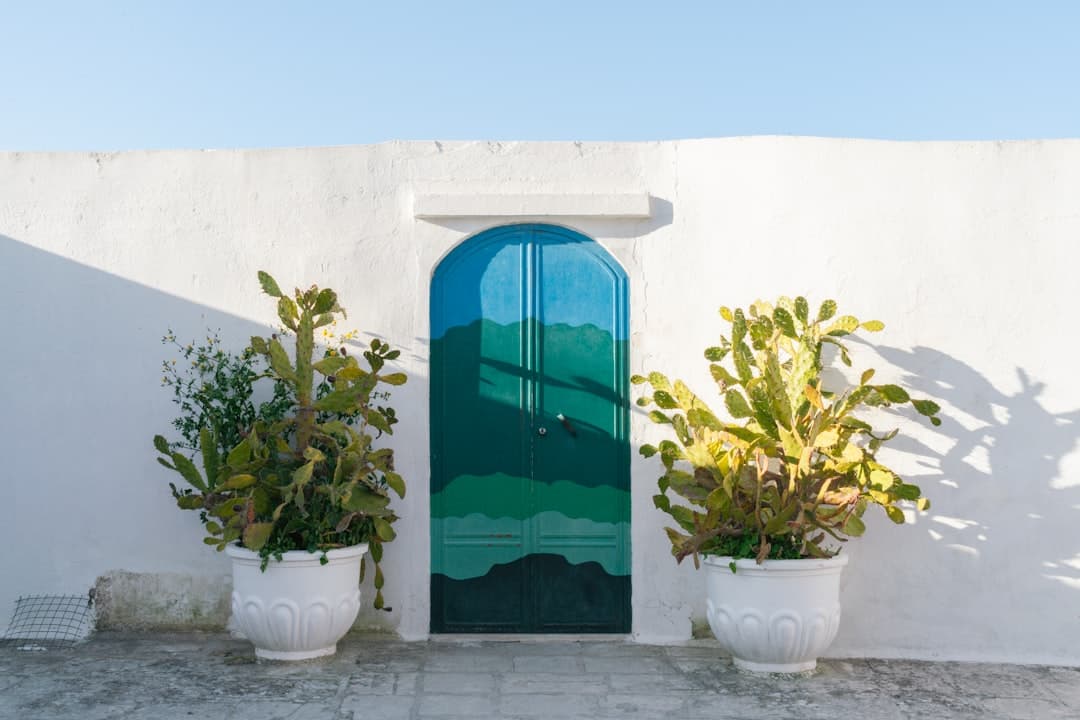
Martina Franca feels elegant, whitewashed, and quietly theatrical. It is a hilltown of Baroque balconies, narrow lanes, polished stone, ornate portals, café chatter, and sunlit piazzas. Its strongest atmosphere is a blend of refinement and intimacy: grand architecture sits side by side with ordinary local life.
The historic center is compact enough to explore on foot, but dense enough to keep revealing details: a carved mask above a doorway, a wrought-iron balcony, an unexpected arch, a small piazza, a glimpse of a church façade, laundry, flowers, stone stairways, and sudden bursts of light where a lane opens into a square.
The town is best approached slowly. It is ideal for travelers who enjoy:
- Historic centers and architecture.
- Baroque and Rococo churches and palaces.
- Wandering without a strict route.
- Food, wine, cheese, cured meats, and local markets.
- Evenings in piazzas.
- Using a charming inland town as a base for the Valle d’Itria.
- Opera, classical music, and cultural festivals in summer.
- Scenic countryside, cycling, walking, vineyards, and olive oil experiences.
It is less ideal if you are looking for:
- Heavy nightlife.
- Large museums on the scale of major cities.
- A beach-first holiday, since the coast requires a drive.
- A place where every attraction has predictable museum-style opening hours.
- Easy driving and parking directly inside the old town.
Essential Facts at a Glance
Main sights and experiences
The major places and experiences covered in this guide include:
- Centro Storico / Historic Centre
- Piazza Roma
- Palazzo Ducale / Palazzo Caracciolo
- Basilica di San Martino
- Piazza Plebiscito
- Piazza Maria Immacolata
- Fontana dei Delfini
- Porta Santo Stefano / Arco di Sant’Antonio
- Palace of Università
- Chiesa di San Domenico
- Chiesa del Carmine
- Chiesa di Sant’Antonio ai Cappuccini
- Tesoro della Basilica / MUBA
- Palazzo Stabile
- Palazzo Martucci
- Palazzo Blasi
- Palazzo Barnaba
- Palazzo Maggiulli Alfieri — uncertain / likely misidentified in Martina Franca
- Villa Garibaldi / Villa Comunale
- Villaggio Sant’Agostino / former Convent of the Augustinian nuns
- Cantina I Pàstini / I Pastini winery
- L’Acropoli di Puglia wine and food experience
- Bosco delle Pianelle
- Valle d’Itria countryside
- Walking and cycling routes
- Olive oil / frantoio experiences
- Local markets
- Festival della Valle d’Itria
- Day trips to Locorotondo, Cisternino, and Alberobello
Key review consensus
Travelers generally love Martina Franca for:
- Its Baroque and Rococo architecture.
- Its whitewashed historic center.
- Its authentic local feel.
- Its food and wine scene.
- Its use as a base for the Valle d’Itria.
- Its evening atmosphere, especially passeggiata in the old town.
Common complaints include:
- Driving and parking can be stressful.
- Some visitors find there are limited “big” sights if they prefer major museums.
- Midday can feel quiet due to siesta closures.
- Access to some churches and palaces can be irregular.
- Main piazza prices can be slightly higher than side streets.
The town has a low tourist-trap profile compared with Alberobello. Reviews do not show systematic scams, aggressive touts, or frequent restaurant bill problems. Normal urban precautions are enough.
Map-Oriented Attraction Snapshot
These are the top mapped attractions identified for Martina Franca, with ratings and locations where available.
| Attraction | Type | Rating | Reviews | Address / Location |
|---|---|---|---|---|
| Piazza Roma | Public square | 4.6 | 773 | Piazza Roma, 74015 Martina Franca TA |
| Palazzo Ducale | Palace / civic building / museum | 4.5 | 1,182 | Piazza Roma 28, 74015 Martina Franca TA |
| Basilica di San Martino | Church | 4.7 | 1,338 | Via Masaniello 1, 74015 Martina Franca TA |
| Piazza Maria Immacolata | Public square | 4.8 | 110 | Piazza Maria Immacolata, 74015 Martina Franca TA |
| Fontana dei Delfini | Fountain | 3.6 | 10 | Piazza Roma, 74015 Martina Franca TA |
| Palace of Università | Historic civic building | 4.4 | 14 | Piazza Plebiscito 20, 74015 Martina Franca TA |
| Cantina I Pàstini | Winery | 4.6 | 200 | Strada Cupa Rampone Zona A, 74015 Martina Franca TA |
| Porta Santo Stefano | Historic gate | 4.7 | 131 | Piazza XX Settembre, 74015 Martina Franca TA |
| Bosco delle Pianelle | Nature reserve / woodland | 4.6 | 1,297 | SS 581 km 14+900, 74015 Martina Franca TA |
Coordinates from mapped data:
- Piazza Roma: 40.7050545, 17.338933
- Palazzo Ducale: 40.7051387, 17.3391838
- Basilica di San Martino: 40.7057027, 17.336745
- Piazza Maria Immacolata: 40.7055054, 17.3359738
- Fontana dei Delfini: 40.7050815, 17.3388988
- Palace of Università: 40.7057093, 17.3365629
- Cantina I Pàstini: 40.7308199, 17.3279684
- Porta Santo Stefano: 40.7047918, 17.3391835
- Bosco delle Pianelle: 40.6427856, 17.2221555
The Story of Martina Franca
To understand Martina Franca properly, you need to see it as a town shaped by refuge, privilege, feudal power, agriculture, Baroque ambition, and modern cultural revival.
Its story begins long before the formal town existed.
Prehistoric and Ancient Roots
Human presence in the territory of Martina Franca predates the town by millennia. Archaeological evidence from karst caves and ravines shows settlement from the Neolithic period. Important sites include:
- Gravina del Vuolo
- Gravina delle Voccole
- Grotta della Breccia
- Grotta Parco della Vigna
- Grotta di Monte Fellone
These places show that small communities of hunters and herders used the plateau and ravines long before the medieval town took shape.
One of the most important archaeological sites in the area is Masseria Badessa Vecchia, formerly known as Sisignano. Excavations indicate continuous occupation from the Bronze Age to the Early Middle Ages. The settlement was centered on a fortified indigenous village along the ancient Isthmian Way, a route linking Taranto and Egnazia.
Martina Franca itself is not a Roman town in the way that some Italian cities are. There was no major Roman urban nucleus on the exact site of the present old town. But its territory belonged to a landscape already shaped by Roman and Late Antique roads, farms, and agricultural networks. The Isthmian Way, connecting Taranto with coastal hubs such as Egnazia, helped structure later rural and fortified settlements.
The Saracen Context and the Refuge on Monte San Martino
A decisive early turning point came in the 10th century, when the wider region around Taranto was reshaped by conflict. Arab-Saracen incursions devastated the coastal city, and survivors sought refuge in the safer Murgia highlands.
According to local tradition, some of these refugees settled on the hill of Monte San Martino. Greek monks are also said to have played a role in helping cultivate the otherwise arid land. This first nucleus of settlement is tied to the future town’s name.
The first part, “Martina,” derives from Saint Martin — San Martino — the patron associated with the hill and the early refuge community.
This origin gives Martina Franca one of its enduring historical themes: it was born not as a coastal trading town, but as a defensible inland refuge.
The Medieval Fortified Settlement
The earliest documented medieval mention of the site appears in 1260, in the Instrumentum executionis mandati regii, which refers to a Castrum Martinae. This was likely a small military installation, perhaps a tower with simple defensive works, standing on the hill overlooking the Valle d’Itria.
The formal foundation came later, in 1310, when Philip I of Anjou, Prince of Taranto, ordered the creation of a fortified settlement named Martina. The purpose was to encourage population growth and secure control over the highland routes.
To attract settlers, Philip granted broad privileges and tax exemptions. This explains the second part of the town’s name: “Franca,” meaning free from certain taxes and feudal burdens.
From that moment, the community became known as Martina Franca.
By 1359, Prince Robert of Anjou-Taranto expanded Martina’s territory by annexing lands from:
- Monopoli
- Ostuni
- Mottola
- Ceglie Messapica
In 1374, Martina was officially recorded as Terra di Martina, a walled town with towers and four gates. The 14th-century urban core roughly corresponds to the present historic center.
The Four Gates and the Walled Town
Medieval Martina Franca was protected by walls and gates. One of the most important surviving symbolic entrances is Porta Santo Stefano, today often called Arco di Sant’Antonio.
The four main gates historically included:
- Porta Santo Stefano
- Porta San Nicola
- Porta San Pietro / San Martino
- Porta Santa Maria
The street pattern inside the old center still reflects a defensive medieval logic: narrow alleys, dead ends, passageways, and confusing turns. These were not simply picturesque. They were designed to make defense easier and invaders’ movement harder.
The Caracciolo Dukes and the Feudal Era
In 1507, after conflicts involving the Aragonese crown and French ambitions in Italy, Ferdinand of Aragon sold Martina to Petracone III Caracciolo for 6,000 ducats.
This created the Duchy of Martina under the Caracciolo family.
The town moved from direct royal authority to feudal rule. That status deeply shaped its society, economy, and architecture.
The surrounding countryside specialized in:
- Cereal cultivation
- Olive groves
- Livestock
These supported the rise of the masseria system: large enclosed farm estates with dry-stone walls, stables, barns, chapels, and agricultural infrastructure. These estates still characterize the landscape of rural Puglia and helped make Martina an important agricultural hub.
Feudal control could be harsh. In the early 17th century, Francesco I Caracciolo is remembered for oppressive rule that strained relations between the ducal family and townspeople.
Yet under the Caracciolo dynasty, Martina Franca also entered its great architectural flowering.
The Golden Age: Baroque Martina Franca
Martina Franca’s “golden age” began in the late 17th century under Duke Petracone V Caracciolo.
In 1668, he commissioned the monumental Palazzo Ducale, built on the ruins of the medieval castle. The palace projected ducal power, refinement, and a new architectural ambition.
Throughout the 18th century, prosperity and close ties with Naples fostered a distinctive Neapolitan Baroque style in the town’s buildings. This period created the Martina Franca visitors experience today: noble palaces, churches, carved portals, balconies, whitewashed lanes, and Rococo ornament.
Major works from this era include:
- Basilica di San Martino
- Palazzo Ducale
- Chiesa del Carmine
- Chiesa di San Domenico
- Numerous noble palaces such as Palazzo Martucci, Palazzo Blasi, Palazzo Barnaba, and others
The historic center became one of southern Italy’s significant Baroque ensembles.
1529: Resistance Against French Troops
One of the town’s remembered military episodes occurred in 1529, when Martina Franca repelled French troops of Francis I during the conflict against the Holy Roman Emperor Charles V.
The episode is tied to civic memory and to the iconography of Saint Martin. According to tradition, the saint intervened miraculously during the siege of 16 June 1529 by the so-called “cappelletti,” mercenaries led by Fabrizio Marramaldo.
This memory is represented on Porta Santo Stefano, where the statue of Saint Martin on horseback stands above the arch as a protective emblem of the town.
Modern Transformation: 1806, 1861, and Beyond
The abolition of feudalism in 1806, under Napoleonic-influenced French rule, ended the Caracciolo dukes’ feudal rights and restored municipal autonomy.
In 1861, after Italian unification, the defensive walls were dismantled. This allowed urban expansion beyond the compact medieval core. Later growth, especially after the Second World War, was rapid and often unplanned, producing modern districts that contrast with the old Baroque center.
Martina Franca remained an agricultural center but also developed light industry, including hosiery manufacturing.
In the later 20th century, the town consolidated its reputation as a cultural center with the Festival della Valle d’Itria, an annual opera and classical music festival held from late July. Performances take place in venues such as Palazzo Ducale and the Basilica di San Martino.
Major Historical Events Timeline
- Neolithic period: Human presence in caves and ravines around Martina Franca.
- Bronze Age to Early Middle Ages: Continuous occupation at Masseria Badessa Vecchia.
- 10th century: Saracen attacks on Taranto push refugees inland to Monte San Martino.
- 1260: First documented mention of Castrum Martinae.
- 1310: Official foundation by Philip I of Anjou; tax privileges create the “Franca” identity.
- 1359: Territorial expansion under Robert of Anjou-Taranto.
- 1374: Recognition as Terra di Martina, a fortified walled town.
- 1507: Sale to Petracone III Caracciolo; Duchy of Martina established.
- 1529: Defense against French troops and mercenaries associated with Fabrizio Marramaldo.
- 1668: Construction begins on Palazzo Ducale under Petracone V Caracciolo.
- 1743: Earthquake damages major religious buildings, leading to rebuilding.
- 1747–1775/1785: Construction and completion phases of the current Basilica di San Martino.
- 1764: Baroque reconstruction of Porta Santo Stefano.
- 1806: Feudalism abolished.
- 1861: Walls dismantled after Italian unification.
- Late 20th century: Cultural revival and international visibility through the Festival della Valle d’Itria.
Understanding the Vibe: How Martina Franca Feels
Martina Franca is often presented as one of Puglia’s beautiful “white towns.” That label captures the first visual memory many visitors take away: pale façades, sunlit lanes, whitewashed houses, polished stone, and a historic center built for wandering.
The town’s atmosphere is not loud or aggressively touristic. It is more refined and local. Its charm grows gradually: a square, then a lane, then a church façade, then a café, then an evening stroll.
The sensory identity
Expect:
- Bright white walls reflecting southern light.
- Narrow lanes that create alternating shade and glare.
- Stone paving warmed by the day.
- Café chatter in piazzas.
- Church bells and footsteps in alleys.
- Aromas of coffee, cheese, grilled meat, olive oil, bread, and pastries.
- Flower-filled balconies and wrought iron.
- Local life, not just tourists.
The old town can feel like a lived-in stage set. It is theatrical, but not fake. Grand architecture sits beside bakeries, cheese shops, ordinary doorways, and residents talking from balconies.
Martina Franca after dark
Evenings are especially important. Reviews repeatedly praise the passeggiata atmosphere: locals walking, families out late in summer, children playing, restaurants filling, and piazzas becoming social spaces.
Night walks in the historic center are commonly described as pleasant and safe-feeling. As always, use normal precautions with valuables, especially in crowds, but there is no broad pattern of tourist scams or danger.
The Centro Storico: The Main Reason to Visit
The Centro Storico is not one attraction; it is the heart of Martina Franca. It is a compact, whitewashed, Baroque old town developed largely between the 14th and 18th centuries.
It can be visited freely at all hours because it is an open, lived-in urban district. Individual churches, palaces, and museums have separate opening times.
Why it matters
The historic center preserves:
- A medieval street pattern.
- Defensive lanes and cul-de-sacs.
- Whitewashed houses.
- Ornate Baroque and Rococo palaces.
- Wrought-iron balconies.
- Carved stone portals.
- Small squares.
- Churches and civic buildings.
- “Impossible” outside stairways.
- Secret gardens and hidden courtyards.
It is described as one of the most important historic centers in southern Italy for Baroque architecture.
Travelers love it because it feels authentic and less touristy than nearby Alberobello. Reviewers call it perfect for wandering without a fixed plan.
What people love
- Baroque and Rococo architecture packed into a compact center.
- Maze-like whitewashed alleys, archways, and small squares.
- Authentic local life, especially compared with more tourist-heavy nearby towns.
- Evening passeggiata, with families and locals in the streets.
- Restaurants, wine bars, trattorias, pasticcerie, and hidden food stops.
- Good base location for day trips in the Valle d’Itria.
What people dislike
- If you rush, you may feel you have “seen it” in a few hours.
- It does not have many huge standalone attractions.
- Parking near the center can be stressful.
- In low season or siesta hours, the old town can feel very quiet.
Practical information
- Admission: Free.
- Opening hours: The streets and piazzas are open 24/7.
- Best times: Morning for light and quiet; late afternoon and evening for atmosphere.
- Midday: Expect closures and quieter streets, especially outside peak season.
- Mobility: Expect uneven stones, steps, narrow lanes, and some slopes.
Piazza Roma: The Elegant Gateway Square
Piazza Roma is one of Martina Franca’s key civic spaces. It is a historic triangular square just inside the old town, entered after passing through Porta Santo Stefano / Arco di Sant’Antonio.
It is associated with:
- Palazzo Ducale
- Fontana dei Delfini
- Palazzo Martucci
- The old Castello Orsini area
- The town’s aristocratic and administrative past
Mapped rating: 4.6 / 5 from 773 reviews.
History and significance
Piazza Roma dates to 1668 and was formerly called Largo. It was also known as Piazza Castello because the Castello Orsini once stood in the area.
This makes the square important as a place where Martina Franca’s medieval and feudal past overlapped with its later Baroque development.
What to see
Palazzo Ducale
The main landmark on Piazza Roma, the former ducal residence of the Caracciolo family.
Fontana dei Delfini
The Fontana dei Delfini stands in Piazza Roma and serves as a focal point. It has a mapped rating of 3.6 / 5 from 10 reviews. It is not a major destination by itself, but it contributes to the square’s character.
Palazzo Martucci
Facing the Palazzo Ducale, this aristocratic palace is important for its Rococo façade and the symbolic rivalry between local noble families and the ducal power.
Atmosphere
Piazza Roma is often described as a kind of “living room” of Martina Franca. It is elegant and central, ideal for people-watching. It has a formal civic quality because of the Palazzo Ducale, but it remains part of daily life.
Expect:
- Café tables.
- People passing into the old town.
- Evening activity.
- Festival or event atmosphere at certain times.
- Slightly higher prices than side streets.
Practical information
- Admission: Free.
- Opening hours: Open public square, accessible at any time.
- Best time: Late afternoon or evening for atmosphere; daylight for architecture.
- Warnings: Main-square cafés and restaurants may be slightly more expensive than side-street options, but there are few reports of serious tourist gouging.
Porta Santo Stefano / Arco di Sant’Antonio
Porta Santo Stefano, today often called Arco di Sant’Antonio, is the most scenic of Martina Franca’s old gates and one of the symbols of its Baroque identity.
Mapped rating: 4.7 / 5 from 131 reviews.
It stands by Piazza XX Settembre, beside the entrance into the historic center and near Palazzo Ducale.
History
The original gate was built in the 14th century as part of the medieval defensive walls, which included a moat and many square and circular towers.
It was one of the four main gates of the fortified town.
The name “Santo Stefano” came from the area outside the walls. In the 15th century, a convent and church dedicated to Santa Maria delle Grazie were established there and later associated with Sant’Antonio da Padova, which explains the modern name Arco di Sant’Antonio.
The Baroque reconstruction of 1764
The gate was transformed in 1764, when its defensive appearance was replaced by a Baroque triumphal entrance.
A Latin inscription records:
AERE PUBLICO / A.D. MDCCLXIV
Meaning that it was built with public money in 1764.
1942 dismantling and reconstruction
In 1942, the arch was completely dismantled. The lower portion and internal passage were reconstructed, while the original Baroque upper fastigium was preserved.
The statue of Saint Martin
Above the arch is an equestrian statue of Saint Martin, patron of the city. It commemorates the saint’s alleged miraculous intervention during the siege of 16 June 1529 by mercenaries led by Fabrizio Marramaldo.
This makes the arch not only an architectural gateway but also a symbol of protection and civic gratitude.
What to look for
- The round arch.
- Two side pilasters with composite capitals.
- Sculpted entablature and cornice.
- Curved Baroque pediment.
- Large twisting volutes.
- Stone torch-like ornaments.
- The equestrian statue of Saint Martin.
- The 1764 inscription.
- Interior plaques:
- One commemorating the visit of Pope John Paul II in 1989.
- One commemorating the 700th anniversary of the refoundation of Martina Franca in 1310 by Philip I of Anjou.
Practical information
- Admission: Free.
- Opening hours: 24/7, as part of public urban space.
- Best time: Daylight for sculpture; evening for atmosphere.
- Access: No ticket, no booking.
- Possible exceptions: Temporary closures for works, events, or restorations.
Palazzo Ducale / Palazzo Caracciolo
The Palazzo Ducale, also called Palazzo Caracciolo, is one of the defining monuments of Martina Franca. It dominates Piazza Roma and today houses the town hall, a museum, the tourist office, cultural spaces, and in some accounts the Museo delle Pianelle.
Mapped rating: 4.5 / 5 from 1,182 reviews.
It is one of the grandest Baroque palaces in Puglia and the key building associated with the Caracciolo dukes.
History and significance
The palace was built in 1668 by order of Duke Petracone V Caracciolo. It replaced the previous 14th-century Orsini castle, associated with Raimondo Orsini del Balzo, Prince of Taranto.
It was intended as a “royal-style” residence that projected ducal prestige.
Some sources describe an original plan of 365 rooms, one for each day of the year. Political changes and high costs forced the project to be reduced, but it remained enormous, with around 300 rooms, chapels, stables, court areas, a theatre, and guesthouse.
The architect Andrea Carducci designed the building, and the project is traditionally linked to the influence or approval of Gian Lorenzo Bernini. The design was inspired by Roman palaces.
Construction was interrupted in 1692, when Petracone V had completed only the ground floor and mezzanine. Later, Duke Francesco III Caracciolo completed further phases and in 1776 commissioned decoration of the noble floor by Domenico Carella.
The palace marked Martina Franca’s transition from medieval fortified seat to Baroque aristocratic center.
Architecture
The palace combines:
- Renaissance symmetry.
- Baroque flourishes.
- Regional Salento details.
- Local limestone.
- A monumental street-front façade.
- Ornate balconies.
- Arches.
- Decorative sculpture.
- A long wrought-iron balcony.
- A monumental portal with apotropaic masks.
One description notes a U-shaped plan, open toward the countryside, reflecting its ceremonial yet semi-fortified origins.
Interior highlights
Only part of the palace is normally open to the public, but visitor areas can include:
- Frescoed halls
- Period furnishings
- Piano nobile
- Sala degli Specchi / Hall of Mirrors
- Sala del Trono / Throne Room
- Exhibition spaces
- Museo delle Pianelle
- Temporary exhibitions
- Municipal cultural rooms
The noble floor was decorated between 1771 and 1776 with Biblical, mythological, and Arcadian scenes by Domenico Carella. These are among the main artistic reasons to enter.
Visitors frequently praise the wall and ceiling paintings, even if they sometimes report that only a limited wing or number of rooms is open.
Cultural role
Today the Palazzo Ducale is not a “dead museum.” It is an active civic building: town hall, exhibition space, tourist office, library, and festival venue.
It is central to the Festival della Valle d’Itria, the town’s opera and classical music festival.
Since 2012, the Associazione Ecomuseale di Valle d’Itria has managed reception and guided tours in the noble halls in collaboration with the municipality.
Reviews: what travelers love
- Grand historic façade.
- Frescoed interior rooms.
- Chance to see inside a noble palazzo.
- Active civic atmosphere.
- Location on Piazza Roma.
- Modest or free access depending on conditions.
- Not usually crowded.
Reviews: common complaints
- Access can be variable.
- Only some rooms may be open.
- Explanations may be mostly in Italian.
- It may feel modest if you expect a large, fully curated palace museum.
- Hours and ticketing information can conflict online.
Practical information: tickets
There is conflicting information.
One current museum listing gives:
- Standard ticket: around €3
- Online/partner price: €2.40 instead of €3
- Guided tour discount: 20%, from €80 to €64 for certain guided experiences
Other traveler reports state that the palace can be visited free of charge, especially public or municipal areas.
Best working assumption for 2024/2025:
- Budget €0–€3 for basic entry depending on current policy.
- Special exhibitions or guided tours may cost extra.
- Confirm at the tourist office inside the palace.
Practical information: hours
The most systematic schedule reported for the museum wing is:
- Monday–Sunday
- 10:00–12:30
- 16:00–18:00
This applies daily, with no seasonal change noted in that listing.
Other older or general sources give variations, possibly referring to municipal offices rather than museum rooms.
Best advice:
- Visit between 10:00 and 12:00 or 16:00 and 18:00.
- Avoid lunchtime.
- Confirm locally, especially around holidays, events, exhibitions, or festival periods.
Basilica di San Martino
The Basilica di San Martino is the main religious symbol of Martina Franca and one of its essential sights.
Mapped rating: 4.7 / 5 from 1,338 reviews.
It stands in the heart of the historic center, in Piazza Plebiscito, at Via Masaniello 1.
It is a late Baroque / Rococo church built between 1747 and about 1785 on the site of a medieval mother church.
History
A mother church dedicated to San Martino is documented in a capitular parchment dated 20 November 1348. The earlier building was late Romanesque.
In 1587, the Holy See granted the church the canonical title of Collegiata.
A major earthquake on 20 February 1743 damaged the existing church and triggered the decision to rebuild.
On 5 May 1747, the first stone of the new church was laid on the foundations of the medieval building. The ceremony was presided over by Francesco II Caracciolo, duke of Martina Franca, and blessed by Archbishop Giovanni Rosa of Taranto.
The architect was Giuseppe Mariani of Milan.
The church was solemnly consecrated on 22 October 1775. Construction continued or was completed around 1785 in some accounts.
In 1842, it was recognized as an Insigne Collegiata.
On 22 April 1998, Pope John Paul II elevated it to the rank of Basilica Minore.
In 2000 — some sources give 2000/2002 — UNESCO declared it a “Monumento messaggero di una cultura di pace,” a monument messenger of a culture of peace.
Exterior
The façade is one of Martina Franca’s great Baroque images.
Features include:
- Local limestone.
- Height of about 37 meters.
- A semicircular staircase.
- Two architectural orders.
- Projecting and recessed elements.
- Rococo scrolls.
- Central high-relief of Saint Martin dividing his cloak with a poor man.
- Niches with statues of:
- Saint Comasia
- Saint Martina
- Saint Joseph
- A bell tower preserving Romanesque motifs and single-light windows.
Only the bell tower and part of the sacristy remain from the medieval church.
Interior
The interior is described as vast, luminous, and richly decorated.
It has:
- Latin cross plan.
- Single main nave.
- Side chapels.
- Polychrome marble inlays.
- Soft golden light.
- Statues.
- Wall paintings.
- Putti.
- Refined holy-water stoups.
- A large chapel, or Cappellone.
- Presbytery with the basilica treasure.
Important artworks and features include:
- Polychrome marble altars.
- Statues of Charity and Abundance by Giuseppe Sammartino.
- Cappellone del Santissimo Sacramento.
- Paintings by Domenico Carella, including:
- Adorazione dei pastori
- San Raffaele
- Madonna di Costantinopoli
- Cenacolo
- Silver statues of Saint Comasia and Saint Martin.
Reviews: what travelers love
- Striking Baroque façade.
- Relief of Saint Martin sharing his cloak.
- Rich interior.
- Marble altars and ornate chapels.
- Central location.
- Peaceful atmosphere.
- A cool, quiet break from heat.
- Even non-church-focused visitors find it worthwhile.
Reviews: common complaints
- Limited English interpretation.
- Accessibility may be imperfect due to steps and uneven historic paving.
- It may be busy during religious festivals or summer evenings.
Tourist-trap profile
Very low. Entry to the basilica is generally free, and reviews do not report aggressive donation pressure or commercialism.
Practical information: opening hours
There are multiple published schedules.
One regional listing gives:
- Daily
- 07:30–12:30
- 16:30–23:00
A more recent regional tourism portal listing for 2025 gives:
- Every day
- 09:30–12:00
- 17:00–18:00
Because the church is active, hours may vary by Mass, religious feasts, summer/winter season, or special events.
Best advice:
- Assume the basilica is usually open daily.
- Try morning or late afternoon.
- Avoid sightseeing during Mass.
- Check posted hours at the door.
- For confirmation, use the listed contact: +39 080 4306536.
Practical information: tickets
No institutional or travel source consistently lists a general entrance fee for the church.
Best assumption:
- Basilica nave entry: Free.
- Donations welcome.
- Guided tours, treasury access, concerts, or special events may cost extra.
Allow:
- 20–40 minutes for a normal visit.
- Longer if you appreciate ecclesiastical art.
Piazza Plebiscito
Piazza Plebiscito is one of the central squares of the old town and the setting of the Basilica di San Martino and Palace of Università.
It is a social and architectural heart of Martina Franca.
Atmosphere
Travelers experience Piazza Plebiscito as a place where architecture and daily life meet. It is not simply a square to cross. It is a place to linger, eat, watch people, and absorb the town’s rhythm.
Expect:
- Espresso aromas.
- Lunch tables.
- Warm paving stones.
- Conversation.
- Churches and civic façades.
- A graceful old-town setting.
- Evening softness as the white stone cools.
A recommended dining stop noted in local travel writing is Garibaldi Bistrot, located at or associated with Piazza Plebiscito.
Practical information
- Admission: Free.
- Opening hours: Always accessible as public space.
- Best time: Morning for architecture; evening for social life.
Piazza Maria Immacolata
Piazza Maria Immacolata is one of Martina Franca’s most atmospheric smaller squares.
Mapped rating: 4.8 / 5 from 110 reviews.
It is associated with local dining and everyday life, including Caseificio Gentile, a cheese-focused stop mentioned in travel writing.
Atmosphere
This piazza feels less monumental and more woven into ordinary local rhythms. It is the kind of place where visitors can feel the town feeding itself and socializing naturally.
Expect sensory impressions of:
- Fresh dairy.
- Bread.
- Coffee.
- Warm stone.
- Errands and conversation.
- Casual pauses.
The emotional quality here is comfort and belonging. It is not just about what you see, but about standing in a beautiful town where everyday life continues around you.
Practical information
- Admission: Free.
- Opening hours: Public square, always accessible.
- Best use: Pause, photograph, eat nearby, watch local life.
Palace of Università
The Palace of Università stands at Piazza Plebiscito 20.
Mapped rating: 4.4 / 5 from 14 reviews.
In old southern Italian civic terminology, “Università” often referred not to a university in the modern academic sense, but to the civic community or municipal body. In Martina Franca, the palace forms part of the civic and religious ensemble around Piazza Plebiscito.
Practical information
- It is best treated as part of a walking route through Piazza Plebiscito and the Basilica area.
- Check locally if interior access is possible.
- Exterior viewing is free from the public square.
Fontana dei Delfini
The Fontana dei Delfini is located in Piazza Roma.
Mapped rating: 3.6 / 5 from 10 reviews.
It is not one of the town’s most important monuments, but it contributes to the design of Piazza Roma and serves as a small visual focal point near Palazzo Ducale and the entrance to the historic center.
Practical information
- Admission: Free.
- Opening hours: Always visible in the public square.
- Best viewed with: Piazza Roma, Palazzo Ducale, Palazzo Martucci, and Porta Santo Stefano.
Chiesa di San Domenico
The Church of San Domenico is an important Baroque religious monument connected to the town’s post-earthquake rebuilding and Dominican/Friars history.
History
The site originally hosted an older church, identified in different sources as dedicated to Saint Peter Martyr or earlier as a Franciscan church dedicated to Saint Mary of Grace.
The current church was rebuilt after the 1743 earthquake.
Construction began on 23 May 1745 and was completed in 1753.
The project was led by Fra Antonio Cantalupi, a Dominican friar, and carried out by master builders Calmerio del Vecchio and Michele Cito.
One source notes that the monastery was transferred to the Reformed Minor Friars in 1599, with the religious community remaining until the 1866 suppression of religious orders.
Architecture
The church is Baroque but has layered origins and modifications:
- Earlier late Gothic elements.
- Baroque façade.
- Later 19th-century Neoclassical modifications.
- Adjoining convent or monastic complex.
Its façade is set within the dense historic streets rather than a vast square, which gives it an intimate urban presence.
Practical information
Access information conflicts.
- One visitor source reports opening hours:
- 07:30–12:30
- 16:30–20:30
- A recent guide states the church is currently closed to the public.
- No reliable standard admission fee was found.
Best advice:
- Treat access as uncertain.
- Check locally before planning a dedicated visit.
- If open, entry is likely free or donation-based.
- It remains worth viewing from the outside while walking the old town.
Chiesa del Carmine
The Church of Carmine is one of the notable Martinese Baroque landmarks, tied to the Carmelite presence and the town’s 18th-century artistic flowering.
History
The site’s history begins in 1614, when the Carmelite Order established a convent outside the city walls on the site of an earlier chapel dedicated to the Madonna della Misericordia.
A major rebuilding campaign began in 1727, reportedly initiated by Frate Pietro Tommaso Carbotti.
The church reached its present form around 1758.
It belongs to the period when Martina Franca’s ecclesiastical and civic architecture was strongly influenced by Neapolitan Baroque taste.
Architecture
It is described as:
- Baroque.
- Imposing and elegant.
- Smaller than the Basilica di San Martino but representative of local Baroque religious architecture.
- Noted especially for its façade composition and decorative sculptural treatment.
Practical information
- No reliable admission fee was found.
- Best 2024/2025 estimate: Free or donation-based.
- No dependable published weekday/weekend schedule was verified.
- Treat opening hours as variable and check locally.
- Good to include on a walking route rather than relying on guaranteed interior access.
Chiesa di Sant’Antonio ai Cappuccini
The Chiesa di Sant’Antonio ai Cappuccini is one of the most historically layered religious complexes in the Valle d’Itria.
History
The site was occupied in medieval times by Basilian monks who followed the Byzantine rite.
In the 16th century, Capuchin friars built the current church and convent, reusing the area of the earlier settlement.
The current building was completed in 1590, a date appearing on the entablature of the portal.
The church was originally dedicated to the Assunta. The title of Sant’Antonio derives from later devotional use and the religious life of the Capuchin complex.
In 1698, the façade was restored or remade, attributed in one source to Frate Angelo Bruni of Martina, described as an architect and stone-working master.
The convent remained inhabited by Capuchins for about three centuries, until 19th-century suppression. Later uses included:
- Lazzaretto.
- Concentration place.
- Postwar reception center.
Today it is run by the Somaschi fathers.
Architecture and interior
The exterior is sober, while the interior is rich in craftsmanship.
Exterior features:
- Simple façade.
- Stone statue of the Madonna in a niche above the portal.
- Two 19th-century ovoid windows.
- Baroque bell-gable on the left, dated 1757.
Interior features:
- Longitudinal plan.
- Three deep chapels on the left.
- One deep chapel on the right dedicated to Madonna dei Sette Dolori, dated 1756.
- Notable woodwork and cabinetmaking on the altars from the 17th and 18th centuries.
- Work by skilled artisans, including the so-called mastri Marangoni and, according to one source, Frate Daniele Desiati and Frate Giuseppe da Ostuni.
Important works include:
- Ancient Byzantine image of Madonna dell’Odegitria, transferred from the hypogean crypt.
- Canvas of San Giuseppe da Copertino, who according to tradition stayed here for several months.
- Statue of Madonna dell’Assunta, plausibly attributed to Nicola Fumo.
Practical information
No official public ticket information was found.
Best assumption:
- Entry appears free or without a standard public ticket.
- Verify locally before arrival.
Liturgical times reported by one updated source:
- Sunday Masses: 08:30, 10:30, 19:00
- Weekday celebrations: 07:30, 08:45, 17:30 for indicated periods
There is no separate tourist visiting schedule. Access is likely easiest during services or religious events. For visits outside those times, contact the parish or ask locally.
Tesoro della Basilica and MUBA
The Tesoro della Basilica di San Martino is the treasury linked to the Basilica di San Martino. It preserves precious liturgical silver, reliquaries, vestments, and documents. Much of it is associated with MUBA – Museo della Basilica di San Martino, housed in Palazzo Stabile near the basilica.
Why it matters
The treasury documents about five centuries of Martina Franca’s religious and civic history.
It contains masterpieces of Neapolitan goldsmithing, especially:
- Silver reliquary statues of San Martino and Santa Comasia.
- Works from the Neapolitan workshop of Andrea De Blasio.
- A Reliquary of San Martino made by Neapolitan goldsmith Antonio Attingendo in 1712.
- Chalices.
- Monstrances.
- Processional crosses.
- Textiles.
- Liturgical furnishings.
- Archival documents.
The treasury expresses the relationship between the town, its patron saints, local devotion, and artistic centers such as Naples.
MUBA in Palazzo Stabile
The MUBA museum is housed in the 18th-century Palazzo Stabile, beside the basilica. It displays:
- Liturgical silver.
- Objects of worship.
- Religious paintings.
- Vestments.
- Scrolls.
- Papal bulls.
- Illuminated manuscripts.
- Documents related to the basilica and local religious life.
Practical information: tickets
A Ministry of Culture listing gives:
- Full ticket: €3.00
- Reduced ticket: €1.50
However, the same page currently shows the museum as “Chiuso” / closed on all days in its schedule grid.
Best interpretation:
- The price is the best published reference.
- Access may be temporarily suspended, by guided tour only, or subject to staffing.
- Confirm on site at the basilica sacristy, parish office, or tourist office.
The basilica itself remains separate and is normally free to enter.
Practical information: hours
For the basilica, the 2025 visitor schedule listed is:
- Daily:
- 09:30–12:00
- 17:00–18:00
For MUBA / treasury:
- Official public hours are not reliably available.
- Ministry listing currently shows closed every day.
- Treat access as uncertain and verify shortly before or during your stay.
Palazzo Stabile
Palazzo Stabile is a modest but historically important noble residence in the historic center, just behind the Basilica di San Martino. It houses the MUBA museum.
History
It was the residence of the Stabile family, which included Francesco Savino Stabile, bishop of Venafro.
The building core is 18th-century, with later 19th-century remodeling.
It is described as the result of transforming a regular house into a palazzo. The most important intervention was the construction of a smooth ashlar ground-floor wall in the 19th century, designed to conceal the original entrance hall and staircase and give the façade a more monumental appearance.
Since 2001, Palazzo Stabile has hosted the Museo della Basilica di San Martino.
Architecture
Look for:
- Modest scale integrated into the historic fabric.
- Smooth ashlar ground floor.
- Balcony or railing of the piano nobile.
- Symmetrical decorative elements.
- Oval windows with 18th-century stone frames.
- Restrained late-Baroque / Rococo domestic style.
- Hidden internal staircase.
Practical information
No clearly reliable 2024/2025 hours or ticketing data specific to Palazzo Stabile/MUBA are available beyond the MUBA ticket references and closure uncertainty.
Best planning estimate, if open:
- Allow 30–60 minutes.
- Ticket could be around €3–€6, though Ministry listing says €3 full / €1.50 reduced.
- Hours may be limited, seasonal, weekend-focused, or by appointment.
- Ask first at the tourist office in Palazzo Ducale or at the basilica.
Palazzo Martucci
Palazzo Martucci is an 18th-century aristocratic residence facing Piazza Roma, directly opposite Palazzo Ducale.
It is a key example of Rococo / late Baroque civil architecture and is normally viewed from outside.
History and significance
The Martucci family is attested in Martina Franca from the 17th century.
In the 18th century, the family built their residence in Piazza Roma directly in front of the Caracciolo ducal palace.
Its façade was so ostentatious that the Caracciolo dukes reportedly viewed it as an affront and display of wealth rivaling their own residence.
The palace is also associated with the painter nun Suor Maria di Gesù Martucci, who was born there.
Interior decoration includes frescoes by Francesco Carella, restored in modern times by N. Cambursano.
The clock tower anecdote
The Martucci family built a small tower on the Piazza Roma side to hold a clock.
The clock was never installed because the duke forbade it, unwilling to accept that the building across from his own palace would display a clock when his did not.
This story captures the symbolic rivalry between the two palaces.
Architecture
Look for:
- Rococo façade opposite Palazzo Ducale.
- Balanced composition.
- Pilaster strips.
- Stone string courses.
- Lime-washed wall surfaces.
- Decorated portal at the far left.
- Mixed curved window profiles.
- Portal-balcony vertical axis.
- Clock turret at roofline.
- Second entrance with balcony at Via Ferrucci 14.
The palace has been extended and subdivided over time. It is partly restored and partly in need of conservation, reflecting split ownership.
Practical information
- Ownership: Private.
- Interior access: Not normally available.
- Ticket: No standard public ticket.
- Opening hours: No public opening schedule.
- Exterior viewing: Free from Piazza Roma at any time.
- Ask local guides or tourist office if special openings are scheduled.
Palazzo Blasi
Palazzo Blasi is a notable aristocratic palace in Martina Franca’s historic center, known for its elegant portal and wrought-iron balconies.
History
It is generally dated to the second half of the 18th century. One local source gives 1774 as the construction date, while another suggests possible 16th-century origins with substantial modifications in 1790.
It was built by the Blasi family and stands near the old San Nicola gate area, later known as San Francesco, along Via Mazzini.
Architecture
Look for:
- Late-Renaissance style portal.
- Stone framing.
- Wrought-iron balconies.
- Slightly asymmetrical façade.
- One small balcony on the left and three on the right.
- Its position on Via Mazzini, one of Martina Franca’s distinctive Baroque streets.
Practical information
- No reliable evidence of regular ticketed access.
- No confirmed public opening hours.
- Best treated as an exterior-view walking stop.
- Free to admire from the street.
Palazzo Barnaba
Palazzo Barnaba is an 18th-century noble palace on Via Mazzini 24, notable for stone balconies and a refined Baroque façade.
History
A historical image archive identifies it as an 18th-century building, built in 1719.
It belongs to the late Baroque and Rococo urban development of Martina Franca, when wealthy families constructed elegant palaces along streets such as Via Mazzini.
It is associated with the Barnaba family and is cited by Apulia tourism sources as one of the beautiful civil palaces of the historic center.
Architecture
Key features:
- 18th-century Baroque / late Baroque style.
- Symmetrical façade.
- Central main portal.
- Noble floor with balconies.
- Two sculpted stone balconies, especially praised.
- Carved stone portal.
- Continuous rhythm with other palaces on Via Mazzini.
The interior is not publicly documented and should not be assumed visitable.
Practical information
- No standard ticketed public access.
- No published public opening hours.
- Exterior viewing from Via Mazzini is free.
- Street access is effectively 24/7, though daylight is best.
- Ask at the tourist office if rare special openings exist.
Palazzo Maggiulli Alfieri: Important Clarification
There is no substantial public documentation for a historic building specifically called “Palazzo Maggiulli Alfieri” in Martina Franca in current online cultural, tourism, or heritage databases.
Available references instead point to Villa Maggiulli Alfieri – Dimora Storica in Lecce, not Martina Franca.
What can be said
- No dedicated entry for Palazzo Maggiulli Alfieri in Martina Franca appears in accessible Apulian heritage or tourism databases.
- The Maggiulli Alfieri name is documented in Lecce, where a historic villa operates as accommodation.
- If a building under that name exists in Martina Franca, it is likely private, undocumented as a major monument, or misidentified.
Practical advice
If you see this name in your accommodation notes, itinerary, or a local reference:
- Confirm the address carefully.
- Ask the Martina Franca tourist office.
- Make sure it is not referring to Villa Maggiulli Alfieri in Lecce.
- Do not plan a standard sightseeing visit unless you have a confirmed local contact.
For the verified Lecce accommodation:
- It is a B&B/historic residence, not a museum.
- Check-in after 14:00.
- Check-out before 12:00.
- Room rates vary by season.
Villa Garibaldi / Villa Comunale
Villa Garibaldi, also known as the Villa Comunale, is the main public garden in central Martina Franca.
What people love
- Shaded paths.
- Benches.
- Green respite from summer heat.
- Local life: families, elderly residents, dog-walkers.
- Good place for children to move around.
- Close to the old town.
What people dislike
- It is modest, not a major park.
- Some maintenance may vary.
- It is more a pleasant pause than a destination.
Practical information
- Admission: Free.
- Use: Rest stop, shade break, local-life observation.
- Safety: Normal city-park awareness, especially at night.
Villaggio Sant’Agostino / Former Convent of the Augustinian Nuns
The Villaggio Sant’Agostino, or former Convento delle Agostiniane, is a historic and cultural site in the old town.
What people appreciate
- Quiet historic atmosphere.
- Religious and monastic history.
- Community use.
- Cultural events.
- Photogenic cloisters and stone corners.
Limitations
- Limited independent sightseeing when no event is taking place.
- Access may be irregular.
- Opening hours depend on calendar and use.
Practical information
- Best treated as an extra stop if nearby.
- More meaningful if an event is happening.
- Check locally for access.
Cantina I Pàstini / I Pastini Winery
Cantina I Pàstini is one of the top wine experiences around Martina Franca.
Mapped rating: 4.6 / 5 from 200 reviews.
Location: Strada Cupa Rampone Zona A, 74015 Martina Franca TA.
Why go
I Pastini is especially recommended for travelers interested in local Puglian wines and the Valle d’Itria countryside.
Visitors praise:
- Vineyard tours.
- Explanations of local grape varieties such as Verdeca and Bianco d’Alessano.
- Cultivation methods.
- Structured tastings.
- Local snacks such as cheese and taralli.
- Scenic countryside setting.
- Friendly, passionate staff.
- Good value.
Practical limitations
- It is outside town.
- You need a car, taxi, or organized transport.
- Tastings may be at fixed times.
- Availability may be limited in low season or at short notice.
- As with any winery, there is a sales element, but reviews generally say it is not pushy.
Verdict
For wine-oriented travelers, I Pastini is clearly worthwhile. It is especially appealing if you want to understand lesser-known Puglian white wines rather than only reds.
L’Acropoli di Puglia
L’Acropoli di Puglia is a highly rated wine and food experience in Martina Franca.
What visitors love
- Curated tastings of regional wines.
- Olive oil and local specialties.
- Generous servings.
- Knowledgeable hosts.
- Friendly, intimate atmosphere.
- Explanation of terroir, grape varieties, and Puglian food culture.
- Good introduction for first-time visitors.
Possible downsides
- Reservations are recommended.
- Capacity may be limited.
- Walk-ins can be turned away in busy periods.
- Some staff language fluency may vary.
- A minority find it pricier than simply going to a wine bar, though most feel the explanation and quantity justify the cost.
Tourist-trap profile
Generally not described as a tourist trap. Staff are informative rather than pushy.
Verdict
Worth it if you want a guided tasting rather than just ordering a glass at a bar.
Bosco delle Pianelle
Bosco delle Pianelle is a major natural attraction in the Martina Franca area.
Mapped rating: 4.6 / 5 from 1,297 reviews.
Location: Strada Statale 581 km 14+900, 74015 Martina Franca TA.
It is the place to remember if you want nature, woodland, walking, shade, and a break from stone towns and Baroque streets.
Why include it
While Martina Franca’s old town is built of light, stone, and architecture, Bosco delle Pianelle offers the opposite sensation: trees, trails, natural quiet, and the rural ecosystem of the area.
It also connects with the Museo delle Pianelle inside Palazzo Ducale, which focuses on the naturalistic heritage of the protected area.
Practical advice
- Best reached by car.
- Wear proper shoes.
- Bring water, especially in warm months.
- Check local trail conditions and opening/access information.
- Combine with rural drives, masserie, or wine experiences.
The Valle d’Itria Around Martina Franca
Martina Franca is one of the best bases for exploring the Valle d’Itria, known for:
- Rolling hills.
- Olive groves.
- Vineyards.
- Dry-stone walls.
- Trulli.
- White towns.
- Scenic drives.
- Cycling and walking routes.
What travelers love
- Iconic trulli landscape.
- Countryside drives.
- Food and wine touring.
- Access to Locorotondo, Cisternino, and Alberobello.
- More authentic rural encounters outside the busiest tourist zones.
- Winery visits such as I Pastini.
- Olive oil experiences.
- Quiet rural roads in shoulder seasons.
What travelers dislike
- A car is very useful and often necessary.
- Public transit between villages can be limited.
- Rural roads can be narrow and confusing.
- Signs may be small.
- In winter or early spring, some agriturismi and seasonal venues may be closed.
- Summer heat can be intense.
Practical advice
If you have a car, Martina Franca works very well as a hub. If you do not, plan organized tours, taxis, or limited train/bus day trips carefully.
Walking and Cycling Routes
Outdoor platforms list many walking and cycling routes around Martina Franca, taking advantage of its location in the Valle d’Itria.
What active travelers love
- Stone walls.
- Trulli.
- Olive groves.
- Rolling hills.
- Quiet lanes.
- Routes toward Locorotondo and Cisternino.
- Variety of distances for different fitness levels.
Warnings
- Summer heat can be severe.
- Shade may be limited.
- Bring water and sun protection.
- Use GPS; signage can be limited.
- Some roads have fast cars.
- Occasional stray dogs may be encountered.
Verdict
Highly rewarding for active travelers, especially in spring, autumn, or cooler parts of the day. In high summer, consider scenic drives instead.
Food in Martina Franca
Martina Franca’s food scene is a major part of its appeal. Reviews consistently praise local restaurants, wine bars, salumerie, caseifici, pasticcerie, and trattorias.
Key local specialty: Capocollo di Martina Franca
Capocollo di Martina Franca is one of the town’s signature foods: a cured pork specialty frequently highlighted in food writing and traveler reviews.
Visitors often seek it out:
- In salumerie.
- As part of antipasti.
- With local wine.
- In traditional restaurants.
It is described as flavorful and distinctive.
Meat-focused cuisine
Like nearby Cisternino, Martina Franca is known for meat dishes and butcher-grill traditions.
Look for:
- Grilled meats.
- Bombette — stuffed meat rolls.
- Traditional Apulian meat dishes.
- Local cured pork.
Cheese and dairy
Caseificio Gentile, associated with Piazza Maria Immacolata, is mentioned as a local food stop. Cheese shops and caseifici are part of the town’s sensory life.
Pastries and gelato
Pasticcerie and gelaterie are popular after evening walks. Expect local sweets, cakes, and high-quality gelato.
Named food spots mentioned in travel writing
- Garibaldi Bistrot — associated with Piazza Plebiscito.
- Caseificio Gentile — associated with Piazza Maria Immacolata.
- Ristorante Four Seasons
- Osteria del Coco Pazzo
- L’Acropoli di Puglia — wine and food tasting.
What travelers love
- Good quality at fair prices.
- Better value than more famous tourist towns.
- Local atmosphere.
- Traditional Apulian cooking.
- Meat and cured-pork specialties.
- Wine and cheese.
What some travelers dislike
- Menus can be heavy and meat-centric.
- Vegetarians and vegans may find choices limited.
- Popular restaurants fill up in peak summer.
- Main-square restaurants can cost more and sometimes feel more generic.
Practical dining advice
- Book dinner in peak season.
- Look beyond Piazza Roma for better value.
- Try capocollo at least once.
- If vegetarian/vegan, check menus in advance.
- Don’t rush meals; Martina Franca is best experienced slowly.
Local Markets and Street Life
Markets and street life are part of Martina Franca’s local texture.
What to expect
- Seasonal fruit and vegetables.
- Cheese.
- Cured meats.
- Local produce.
- Clothing and household goods at larger weekly markets.
- Local shoppers rather than tourist spectacle.
What travelers like
- Non-touristy atmosphere.
- Fair prices.
- Sense of everyday Martina Franca.
- Good food discovery.
Warnings
- Market days can bring traffic and parking difficulties.
- Crowds require normal pickpocket awareness.
- English may be limited.
- Haggling is more common for non-food goods than food.
Verdict
Not essential for a short day trip, but worthwhile if you are staying longer and want local immersion.
Olive Oil and Frantoio Experiences
Olive oil experiences in the broader Martina Franca / Valle d’Itria area can be rewarding, especially for travelers interested in food culture.
What tours usually include
- Olive groves.
- Traditional vs. modern extraction explanations.
- Oil tastings.
- Learning how to identify quality extra-virgin olive oil.
- Sometimes visits to underground or historic mills.
One example from the wider region is Frantoio Rosso Ipogeo, though it is often associated with nearby towns rather than Martina Franca itself.
What travelers love
- Educational tastings.
- Better understanding of the landscape.
- Practical knowledge for buying olive oil.
- Connection between food and place.
Possible downsides
- Usually requires transport.
- There is often a sales element.
- High-quality oil is more expensive than supermarket oil.
- Bottles are heavy to carry home.
Verdict
Optional but rewarding if you have time and interest in food production.
Festival della Valle d’Itria
The Festival della Valle d’Itria is one of Martina Franca’s major cultural events: an annual summer opera and classical music festival based in the town.
It usually begins in late July and uses atmospheric venues such as:
- Palazzo Ducale courtyard.
- Basilica di San Martino.
- Other historic sites.
What makes it special
- High-quality performances.
- Rare or lesser-known operas.
- Historic outdoor settings.
- Cultural prestige surprising for a relatively small town.
- A strong link between Martina Franca’s Baroque heritage and contemporary performance.
Practical considerations
- Seasonal and schedule-dependent.
- Tickets may sell out.
- Some tickets can be expensive by local standards.
- Festival periods bring more crowds and noise.
- Restaurants and accommodation may need advance booking.
Verdict
Essential if you love opera or classical music. A memorable bonus for general travelers if your dates align.
Day Trips from Martina Franca
Martina Franca is widely recommended as a base for nearby towns.
Locorotondo
Close by and known for its white circular hilltop plan. Some hikers walk between Martina Franca and Locorotondo, around 6 km depending on route.
Cisternino
Known for white lanes and meat-focused food culture.
Alberobello
Famous for its dense trulli core and UNESCO status. However, many travelers find it much more touristy than Martina Franca.
Alberobello warning
Reviews often identify Alberobello, not Martina Franca, as the place with more tourist-trap risk:
- Souvenir shops.
- Photo-op commercialization.
- Higher prices.
- Crowds.
Many travelers prefer staying in Martina Franca for a more authentic base and visiting Alberobello briefly.
Practical Tips and Warnings
Driving and parking
This is the most common practical complaint.
Expect:
- Narrow streets.
- One-way systems.
- Limited parking near the old town.
- Stress if your accommodation is inside or near the historic center.
- Market-day congestion.
- Peak-season evening crowds.
Advice:
- Do not plan to drive deep into the old town unless your accommodation gives exact instructions.
- Ask your lodging where to park before arrival.
- Use public parking areas and walk in.
- Arrive before evening peak if staying overnight.
- Expect ZTL or restricted areas in historic centers.
Midday closures
Martina Franca can feel very quiet during siesta, especially in low season.
Plan:
- Morning sightseeing.
- Long lunch.
- Rest during midday.
- Return for late afternoon and evening.
Opening hours uncertainty
Several churches and smaller museums have uncertain or variable access.
Reliable or semi-reliable:
- Historic center: always open.
- Piazza Roma / public squares: always open.
- Porta Santo Stefano: always accessible.
- Palazzo Ducale: commonly listed daily 10:00–12:30 and 16:00–18:00, but confirm.
- Basilica di San Martino: generally open daily, but published schedules vary.
Uncertain:
- San Domenico: may be closed despite published hours.
- Chiesa del Carmine: no reliable schedule.
- Sant’Antonio ai Cappuccini: easiest around religious services.
- MUBA / Tesoro: ticket listed but official schedule may show closed.
- Private palaces: usually exterior only.
Language
Interpretation may be mostly in Italian, especially in smaller museums and churches. Consider a guided tour if you want deeper historical context.
Crowds
Martina Franca is not usually described as overrun, but it can be busy:
- Summer evenings.
- Festival periods.
- Religious feasts.
- Main piazzas.
- Popular restaurants.
Safety
Martina Franca is generally perceived as safe.
No widespread patterns of:
- Taxi scams.
- Restaurant bill fraud.
- Aggressive touting.
- Forced tourist menus.
- Major pickpocket problems.
Use normal precautions:
- Watch valuables in crowds and markets.
- Be aware at night in quieter areas.
- Lock cars and don’t leave valuables visible.
Tourist traps
Martina Franca itself has a low tourist-trap profile. The main mild tourist premium is on central squares. Side streets often offer better value.
The strongest tourist-trap warnings in traveler narratives relate to Alberobello, not Martina Franca.
Suggested Ways to Experience Martina Franca
If you have half a day
Focus on:
- Porta Santo Stefano.
- Piazza Roma.
- Palazzo Ducale exterior and, if open, interior.
- Wander the Centro Storico.
- Basilica di San Martino.
- Piazza Plebiscito.
- Piazza Maria Immacolata.
- Aperitivo or coffee in a square.
If you have one full day
Add:
- Palazzo Martucci exterior.
- Via Mazzini palaces: Palazzo Blasi and Palazzo Barnaba.
- Chiesa del Carmine exterior/interior if open.
- Chiesa di San Domenico if accessible.
- Lunch with capocollo.
- Evening passeggiata.
- Gelato or pasticceria stop.
If you have two or more days
Add:
- I Pastini winery.
- L’Acropoli di Puglia tasting.
- Bosco delle Pianelle.
- Local market if timing works.
- Olive oil experience.
- Day trip to Locorotondo, Cisternino, or Alberobello.
- Festival della Valle d’Itria performance if in season.
Hidden and Lesser-Known Corners
Via Mazzini
One of the best streets for appreciating Martina Franca’s noble architecture. Look for:
- Palazzo Blasi.
- Palazzo Barnaba.
- Other 18th-century palaces.
- Portals.
- Balconies.
- Stone details.
La Lama neighbourhood
Mentioned through a restaurant recommendation, La Lama represents a more local side of Martina Franca. It is likely quieter and more intimate than the main squares, with domestic sounds, cooking aromas, and local rhythms.
Palazzo Stabile and MUBA
If open, this is one of the best places to understand the religious-artistic depth behind the Basilica di San Martino.
Palace façades rather than interiors
Many of Martina Franca’s best palaces are private. The experience is architectural observation:
- Portal details.
- Balcony forms.
- Coats of arms.
- Stone carving.
- Relationship between palaces and streets.
Viewpoints over the valley
References to Terrazze Sulla Valle and the town’s position in the Valle d’Itria suggest that outward views are part of the Martina Franca experience. After enclosed lanes, valley views offer space, air, and context.
Final Verdict: Is Martina Franca Worth the Hype?
Yes — if you understand what kind of place it is.
Martina Franca is not about racing through a list of major attractions. It is about atmosphere, architecture, food, wine, and local rhythm. Its old town is the main attraction. Its Baroque churches and palaces give it grandeur, but its cafés, markets, lanes, and evening walks give it life.
Travelers who love it tend to appreciate:
- Slow wandering.
- Historic beauty.
- Whitewashed streets.
- Baroque details.
- Good food.
- Low-key authenticity.
- Cultural events.
- Countryside exploration.
Travelers who are less impressed usually want more large museums, easier driving, or a more obvious blockbuster itinerary.
For most visitors to the Valle d’Itria, Martina Franca is one of the most rewarding bases: elegant, walkable, atmospheric, and less commercially overwhelmed than some neighboring towns. It gives you the refined Baroque side of Puglia, the everyday life of a working town, and access to wine, olive oil, trulli landscapes, and summer music.
Go slowly. Look up at the balconies. Step into the basilica. Compare Palazzo Ducale and Palazzo Martucci across Piazza Roma. Eat capocollo. Book a wine tasting. Walk at dusk. Let the town reveal itself in layers.
That is how Martina Franca works best.