Ostuni Travel Guide: The Complete Pre-Trip Companion to Italy’s “White City”
You have already booked your trip to Ostuni, which means you are not asking, “Should I go?” You are asking the more useful question: How do I get the most out of it when I arrive?
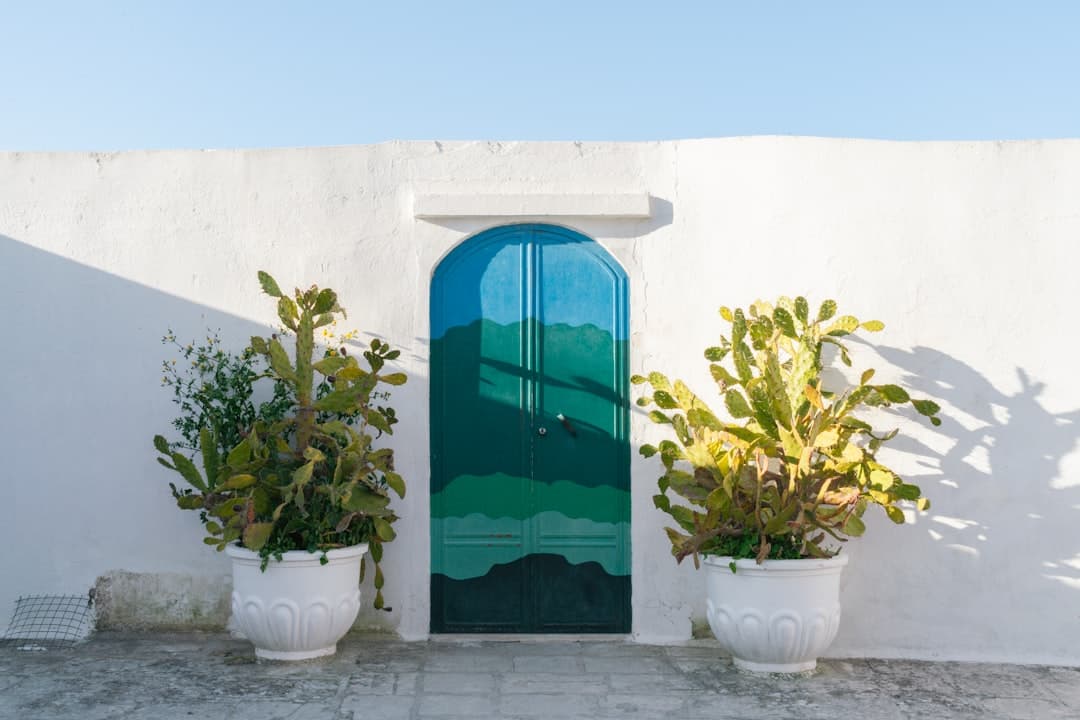
Ostuni, in Puglia’s province of Brindisi, is one of southern Italy’s most immediately recognizable hill towns: a whitewashed medieval core rising above ancient olive groves, with the Adriatic Sea shimmering beyond the coastal plain. It is called La Città Bianca — “The White City” — because its old houses, lanes, stairways, arches, and walls are traditionally coated in white limewash. The effect is dazzling, especially under the Puglian sun: the city seems to glow.
But Ostuni is not just a photogenic backdrop. It is a layered place: prehistoric sanctuary, Messapian hill settlement, Roman agricultural territory, Norman fortified town, Renaissance ducal center, Baroque religious city, agricultural market town, and now one of Puglia’s most loved travel bases. Its story reaches back tens of thousands of years, and its present-day appeal comes from the meeting of white stone, sea air, olive trees, food, evening life, and a strong local identity.
This guide is written for travelers who are visiting soon and want a detailed, practical, atmospheric guide before arrival. It combines attractions, history, cultural atmosphere, reviews, warnings, and on-the-ground insights.
Quick Orientation: What Ostuni Is Really Like
Ostuni sits on a hilltop roughly 200–218 meters above sea level, about 6–8 km from the Adriatic coast, depending on the route and coastal point. The historic center crowns the hill, while newer neighborhoods and services spread below. The town has roughly 31,000–32,000 inhabitants, but the population can triple in peak tourist season, especially in summer.
The old town is compact but steep. It is not a place for rushing. Its greatest pleasure is not one single monument but the cumulative experience of:
- wandering white alleys,
- climbing staircases,
- passing under arches,
- emerging suddenly into sea-and-olive-grove viewpoints,
- sitting in Piazza della Libertà with a gelato or aperitivo,
- visiting the cathedral and museums,
- eating orecchiette, seafood, burrata, pizza, and olive oil,
- exploring masserie and ancient olive groves,
- adding beach days along the nearby coast.
Ostuni suits travelers who enjoy atmospheric towns, photography, food, wine, slow wandering, history, and countryside experiences. It may feel less ideal for travelers expecting large museums, grand city-style nightlife, or a long checklist of blockbuster monuments. Reviews consistently praise it, but also warn about summer crowds, parking stress, tourist pricing in central cafés, ZTL restrictions, and steep uneven streets.
Essential Ostuni Map of Places Mentioned
Below are key places from the research, including major mapped attractions and practical identifiers where available.
| Place | Type | Approx. Rating / Reviews | Address / Location Notes |
|---|---|---|---|
| Museum of Preclassic Civilizations of the Southern Murgia | Archaeological museum | 4.1 / 151 | Via Cattedrale, 15, 72017 Ostuni BR |
| Porta Azzurra | Landmark / viewpoint-style doorway | 4.5 / 46 | Via de Landria Balsamo, 62 |
| Porta San Demetrio | Medieval city gate | 4.4 / 69 | Via Stefano Trinchera, 18 |
| Colonna di Sant’Oronzo | Baroque column / obelisk | 4.6 / 2,772 | Piazza della Libertà |
| Arco Scoppa | Baroque arch / loggia | 4.8 / 266 | Largo Arcid. Teodoro Trinchera, 26 |
| “Ostuni” listing | Place listing | 5.0 / 3 | Piazza Beato Giovanni Paolo II, 28 |
| Ape Calessino Ostuni Touring | Tour operator / tuk-tuk-style sightseeing | 4.8 / 227 | Piazza della Libertà, 34 |
| Ciuchino Birichino | Amusement/adventure park | 4.3 / 167 | SP17, outside town |
Other important places covered in this guide include:
- Centro Storico di Ostuni
- Cattedrale / Concattedrale di Santa Maria Assunta
- Piazza della Libertà
- Church of San Francesco d’Assisi
- Church of Santo Spirito
- Church of Annunziata
- Ancient city walls and bastions
- Museo Diocesano di Ostuni
- Santuario di Sant’Oronzo on Monte Morrone
- Masseria Brancati
- Parco Dune Costiere
- Lido Onda Blu
- Lido Morelli
- Torre Pozzelle
- Torre Canne coast
- Pilone
- Rosa Marina
- Saturday Market / Mercato del Sabato
- Via Cattedrale
- Jewish quarter / Giudecca area
- Quarry Amphitheatre San Giovanni
- Borgo Antico Bistrot
- Al Solito Posto
- La Pastasciutta
- Ostuni Bistrot
- Ape Calessino tours
- Ciuchino Birichino
1. The Story of Ostuni: From Paleolithic Caves to the White City
Ostuni’s history is unusually deep. The town you will walk through is medieval and Baroque in appearance, but human presence in its territory goes back tens of thousands of years.
Paleolithic and Neolithic Origins: Santa Maria di Agnano
The most ancient chapter of Ostuni’s story lies not in the whitewashed old town but in the caves of Santa Maria di Agnano, where archaeological research has revealed continuous human use from the Paleolithic through the Neolithic periods.
Excavations begun in 1991 uncovered two important Paleolithic burial sites. The most famous is the skeleton of a pregnant woman, often known as “Ostuni 1,” dating to around 24,000–25,000 BC in one historical account, and described elsewhere as about 28,000 years old. She was buried with a fetus still in her womb. This is one of the most significant prehistoric discoveries in Italy, not only because of its antiquity but because it suggests ritual, symbolic, and possibly fertility-related practices in the area.
The caves contained:
- burials,
- hearths,
- ritual objects,
- signs of long-term occupation,
- evidence of cultic use, likely connected with female figures and fertility.
You can connect with this deep history at the Museum of Preclassical Civilizations of the Southern Murgia, where a cast of this pregnant Paleolithic woman is one of the defining exhibits.
Messapian Ostuni: The First Hilltop Urban Nucleus
In protohistoric times, Ostuni became part of the territory of the Messapii, or Messapians, an indigenous pre-Roman people who occupied much of what is now Puglia.
The first true urban nucleus of Ostuni is generally attributed to the Messapians, who founded a fortified settlement on the hill between the 7th and 1st centuries BC. The site was strategic:
- elevated about 200 meters above sea level,
- defensible,
- connected to surrounding agricultural land,
- able to watch roads and routes between the Adriatic and inland Puglia.
The earliest walls protected this hilltop settlement. Later medieval and Aragonese walls would continue the same basic logic: Ostuni was a place built to be seen, to see from, and to defend.
Hannibal, Greek Rebuilding, and the Name “Ostuni”
During the Second Punic War between Rome and Carthage, sources report that the town was destroyed by Hannibal. Afterward it was rebuilt and Hellenized, taking the Greek name Astu Néon, meaning “New City.” This name is widely considered the origin of the modern name Ostuni.
This mix — indigenous Messapian roots, Greek influence, Roman control — is typical of ancient Puglia, a region shaped by the crossroads of the Mediterranean.
Roman Ostuni: Villas, Farms, Olive Oil, and Wine
Rome incorporated the Ostuni area by the 3rd century BC. Ostuni never became a major Roman city, but Roman occupation continued in the countryside. Traces survive in farms and masserie built on or near the foundations of Roman villas.
The surrounding land was fertile and productive. Olive trees, grapes, grain, and agricultural estates connected the area to the wider Roman economy. This ancient agricultural identity still matters today: the olive groves around Ostuni are not scenic decoration; they are part of the town’s economic and cultural backbone.
One local account states that Ostuni remained under Roman domination until 448 AD.
Late Antiquity and the Early Middle Ages: Ostrogoths, Lombards, Byzantines, Saracens
After the fall of the Western Roman Empire, Ostuni passed through a succession of rulers and influences:
- Ostrogoths
- Lombards / Longobards
- Byzantines
- Saracen / Arab raids and episodes of occupation or settlement
Ostuni was not a “Moorish city” in the way parts of Spain were under long-term Islamic rule, but coastal Puglia was affected by Saracen raids and maritime insecurity. Hilltop strongholds and coastal watchtowers developed partly in response to this unstable period.
This is one reason Ostuni feels defensive: the town’s architecture is not just picturesque; it reflects centuries of watching the sea and preparing for danger.
Norman Ostuni: Castle, Fortification, and Medieval Urban Form
The Normans arrived in the 11th century and were decisive in shaping medieval Ostuni. One account says the town was “first born” as a medieval town around a Norman fortification on the hill. Another emphasizes that the Normans created or consolidated the urban layout typical of a Puglian hill town:
- winding streets,
- compact houses,
- fortified acropolis,
- defensive gates,
- dense hilltop construction.
In 1148, the Normans built a castle at the highest point of the hill. It dominated Ostuni until the 18th century, when it was demolished by Duke Bartolomeo Zevallos.
The town’s current maze of alleys, stairways, and white houses owes much to these medieval foundations, though later rulers and centuries of building altered and enriched the fabric.
Late Medieval and Renaissance Ostuni: Angevins, Swabians, Aragonese
From the late Middle Ages into the Renaissance, Ostuni passed under several dynasties, including:
- Angevins
- Swabians
- Aragonese
The Aragonese were particularly important for fortifications. They reorganized the town’s defenses, creating four main gates into the village and constructing or reinforcing the Thirteen Towers along the walls. Remnants such as Porta Nova, Porta San Demetrio, and references to Porta San Domenico preserve this fortified identity.
A major fortification project was promoted by Alfonso II, Duke of Calabria, who personally drew the design of strengthened defenses in 1487. Excavations around Piazza della Libertà have revealed sections of ancient defensive walls tied to this phase.
Isabella d’Aragona and Bona Sforza: Culture, Walls, and Coastal Watchtowers
The 16th century brought a period of cultural and artistic growth under Isabella d’Aragona / Isabella of Naples. Sources describe this era as an age of culture and art for Ostuni.
Her daughter, Bona Sforza, continued shaping the city. She:
- enlarged the city walls,
- rebuilt the Tower of Villanova guarding the seaside access,
- built Torre Pozzella,
- built Torre San Leonardo.
These coastal towers were designed to protect the population from Turkish and Ottoman raids from the sea.
This matters to modern visitors because many of Ostuni’s beach and coastal names — Torre Pozzelle, Torre San Leonardo, Torre Canne — are tied to a landscape of watchtowers and maritime defense.
Spanish Rule, Zevallos, and the Plague Era
By 1506, Spanish sovereignty was established in southern Italy, and Ostuni enjoyed a period of relative splendor with privileges and favors from ducal authorities. Agriculture and trade supported the embellishment of churches, palaces, and civic spaces from the 1500s through the 1700s.
The 17th century, however, brought decline. Debts connected with the Thirty Years’ War strained Spanish finances, causing the sale of feudal holdings. In 1679, Ostuni was sold to Giovanni Zevallos, a Neapolitan merchant-duke. The Zevallos period is remembered locally as one of heavy-handed, tyrannical administration, economic oppression, and social strain.
During the same broad period, plague outbreaks devastated parts of Puglia. Ostuni is traditionally said to have been spared the worst, partly thanks to the use of lime whitewash on houses. Lime acted as a disinfectant coating, and the practice also reflected sunlight, helping with heat. Whether or not whitewashing alone explains the town’s relative protection, the tradition became central to Ostuni’s identity.
Today, local regulations in the historic center require buildings to remain whitewashed, preserving the visual legacy of practical hygiene, climate adaptation, and tourism identity.
Sant’Oronzo and the Plague
Ostuni’s devotion to Sant’Oronzo is inseparable from plague memory. The saint is credited with saving the city from the 1656 plague and other epidemics and famines.
This devotion appears in:
- the Colonna di Sant’Oronzo in Piazza della Libertà,
- the Santuario di Sant’Oronzo on Monte Morrone,
- the annual Cavalcata di Sant’Oronzo festival,
- local stories of protection, disease, and thanksgiving.
Bourbon Recovery, Expulsion of the Zevallos, and Italian Unification
In the 18th century, after the War of the Spanish Succession, Bourbon rule in the Kingdom of Naples brought more stable administration and gradual recovery. Architectural developments from the 1700s — Baroque façades, churches, palaces — still shape the visible town.
The early 19th century brought Napoleonic upheaval, followed by Bourbon restoration after Waterloo in 1815. Local accounts say that with the return of the Bourbons, Ostuni expelled the Zevallos family from control, ending feudal tyranny.
In 1860, during the Risorgimento, Ostuni joined the unified Italian state under Giuseppe Garibaldi’s movement.
Modern Ostuni: Agriculture, Tourism, and the White City Brand
In the late 19th and 20th centuries, Ostuni remained tied to:
- olive oil,
- viticulture,
- small-scale crafts,
- rural agriculture.
In the late 20th century and into the 21st, tourism became dominant. Ostuni’s hilltop skyline, white old town, panoramic olive-grove views, and beaches made it one of Puglia’s best-known destinations.
Modern Ostuni is therefore both:
- a real town with markets, schools, families, and local religious life,
- and a major tourism hub whose population swells dramatically in summer.
This dual identity creates much of its charm — and many of its visitor frustrations.
2. The Centro Storico: The Heart of the White City
The Centro Storico di Ostuni is the medieval old town and the reason most visitors come. It is free to enter, open at all times as a public urban district, and best experienced on foot.
What Makes It Special
The old town is a compact, hilltop maze of:
- whitewashed houses,
- stone lanes,
- arches,
- stairways,
- hidden courtyards,
- tiny chapels,
- small squares,
- walls,
- terraces,
- viewpoints,
- cats sleeping on warm doorsteps,
- flowerpots and bougainvillea,
- glimpses of the Adriatic.
It is often described as a white labyrinth, and this is not exaggeration. The streets twist and rise without obvious logic. You may think you are walking toward the cathedral and instead emerge at a viewpoint, a dead-end balcony, a tiny shrine, or a restaurant terrace.
The advice everyone gives — and it is correct — is to get lost.
The Sensory Experience
By day, Ostuni can be almost blinding. The limewashed walls reflect the sun so intensely that sunglasses are not just stylish; they are practical. The air smells of:
- warmed limestone,
- lime plaster,
- espresso,
- tomato sauce,
- focaccia,
- basil,
- laundry,
- jasmine,
- bougainvillea,
- occasionally cigarette smoke or scooter exhaust.
The soundscape changes through the day:
Early morning:
- shutters opening,
- a broom sweeping stone,
- footsteps,
- church bells,
- a radio playing Italian pop from an upper window.
Midday:
- tourists navigating maps,
- cutlery from lunch spots,
- scooters climbing steep streets,
- bursts of conversation in Italian, English, German, French, and local dialect.
Evening:
- laughter bouncing off white walls,
- glasses clinking,
- restaurant sounds,
- music from bars,
- families strolling,
- heels and sandals on stone.
The Centro Storico is not only visual. It is a full-body atmosphere.
Historical Layers in the Old Town
Within the old town, you can trace multiple historical phases:
- Messapian hill settlement origins,
- Norman medieval fortification,
- Swabian and Angevin development,
- Aragonese walls and gates,
- Renaissance and early modern religious life,
- Baroque palaces and churches,
- 19th-century civic redesign,
- modern tourism and preservation.
Key features include:
- Cattedrale di Santa Maria Assunta
- Piazza della Libertà
- Colonna di Sant’Oronzo
- Porta Nova
- Porta San Demetrio
- Aragonese walls
- Palazzo Vescovile
- Palazzo del Seminario
- Arco Scoppa
- Chiesa di San Francesco
- Museo Diocesano
- Museum of Preclassical Civilizations
- Via Cattedrale
- Giudecca / Jewish quarter area
- countless alleys, arches, and viewpoints.
Practical Information
- Admission to Centro Storico: Free.
- Access: Open 24/7 as a public district.
- Best time: Early morning, late afternoon, evening.
- Avoid if possible: Peak midday in summer, when the white glare and heat are intense.
- Footwear: Wear comfortable shoes. Streets are steep, uneven, and often slippery on smooth stone.
- Mobility: Challenging for wheelchairs, strollers, and anyone with knee or balance issues.
- Driving: Do not drive into the historic core unless your accommodation explicitly instructs you and confirms access. ZTL fines are a common complaint.
- Guided tours: Examples include approximately €25 per person for up to two people and €20 per person for groups of 3–10, with free admission for under-18s, though prices vary by operator.
3. Piazza della Libertà: Ostuni’s Social Heart
Piazza della Libertà is the main square and the hinge between the lower town and the rising medieval center. It is one of the places you will almost certainly pass through repeatedly.
History and Layout
The square was historically known as Piazza Sant’Oronzo and took its current shape after a major 19th-century redesign. In the 1800s, Ostuni renamed and radically transformed the square, commissioning architects:
- Ferdinando Ayroldi
- Domenico Ciraci
- Nicola De Anna
Older buildings were demolished, façades were rebuilt with more homogeneous and elegant fronts, and the square became a modern civic space. This redesign also symbolically distanced the town from its Bourbon past.
The square has an almost triangular shape, paved and largely pedestrianized, with cafés, restaurants, churches, civic buildings, and the monumental column of Sant’Oronzo.
The Vibe
Piazza della Libertà is Ostuni’s living room. In the evening, locals and travelers gather for the passeggiata. Children run, elderly men watch the world from benches or café tables, couples pass in linen, and tourists decide which lane to take uphill.
The smells are:
- espresso,
- grilled seafood,
- gelato,
- cigarette smoke,
- warm stone,
- aperitivo snacks.
The soundtrack is:
- waiters calling orders,
- children laughing,
- cutlery on plates,
- scooters at the edges,
- street musicians,
- church bells,
- festival sounds in summer.
A classic ritual is to come here for gelato, sit facing the square, and watch Ostuni move around you.
Key Monuments Around the Square
Colonna di Sant’Oronzo
The column dominates the piazza and is covered in detail below.
Palazzo Municipale / Former Franciscan Convent
The Town Hall was originally a Franciscan convent. The monks lived there from 1304 to 1809. The building has two important façades:
- a Neoclassical façade facing Piazza della Libertà, designed by Ferdinando Ayroldi in 1861;
- a Baroque rear façade built from 1739 based on engineer Pietro Magarelli’s design.
Church of San Francesco
The church sits on the square and forms part of the civic-religious ensemble. It was rebuilt around the mid-18th century by Carlo and Giuseppe Fasano after the 1743 earthquake damaged the original 14th-century church.
Ancient Wall Remains
The square area preserves sections of ancient city walls connected to the 1487 fortification project of Alfonso II, Duke of Calabria.
Practical Tips and Warnings
- Access: Free, public, 24/7.
- Best for photos: Golden hour and night, when the column and façades are illuminated.
- Best for atmosphere: Evening.
- Heat warning: Limited shade during summer afternoons.
- Food warning: Cafés and restaurants directly on the square are often more expensive and sometimes less good than places a few streets away.
- Check bills: Look for coperto / cover charge and service fees before sitting.
- Festival warning: During Sant’Oronzo celebrations in late August, the square becomes crowded and may have barriers, processions, and rerouted pedestrian flow.
4. Colonna di Sant’Oronzo: The Patron Saint Watching Over Ostuni
The Colonna di Sant’Oronzo, also called the Guglia di Sant’Oronzo, is one of Ostuni’s signature monuments. It stands in Piazza della Libertà and is approximately 20–21 meters high.
History and Meaning
The column was built in 1771 by local sculptor/architect Giuseppe Greco as a votive monument to Saint Oronzo, patron and protector of Ostuni.
It was erected in gratitude for the saint’s protection from:
- plague,
- epidemics,
- famine,
- disease.
Inscriptions on the monument explicitly thank the saint for ending famine and epidemic and restoring health to the city. The column was inaugurated with a major civic and religious celebration in 1771.
In the 19th century, road and square leveling works around 1870 caused the bottom base to be buried for about two-thirds of its height, changing its original proportions.
The column remains closely tied to the annual Sant’Oronzo festival, especially 25–27 August, when processions and the famous Cavalcata di Sant’Oronzo take place.
Architectural Details
The column is a rich Baroque stone monument, built in superposed levels that narrow upward.
Look for:
- putti holding cartouches,
- Latin inscriptions on each side,
- cornices,
- scrolls,
- small angels,
- a balustrade with four corner saints,
- the statue of Sant’Oronzo at the summit.
The four corner statues depict co-patron saints of Ostuni:
- Saint Biagio / Blaise
- Saint Irene
- Saint Augustine
- Saint Gregorio Armeno / Gregory the Armenian
Some sources mention variants such as Giorgio/Gregory the Armenian.
At the top, Sant’Oronzo is shown:
- dressed in bishop’s vestments,
- raising his right arm in blessing,
- holding the bishop’s crozier and Gospel in his left hand,
- oriented toward the old town.
Practical Information
- Cost: Free.
- Opening hours: Visible 24/7.
- Best time: Early morning, golden hour, or evening illumination.
- Festival note: Expect large crowds and possible barriers from 25–27 August.
5. Ostuni Cathedral: Concattedrale di Santa Maria Assunta
The Concattedrale di Santa Maria Assunta stands at the highest point of the old town and is Ostuni’s spiritual and architectural crown.
History
Construction of the present cathedral began around 1435–1463, during the episcopate of Bishop Nicola Arpone. It likely stands on the site of an earlier Romanesque cathedral.
It was substantially completed between 1470 and about 1500.
Important milestones:
- 1668: reconsecrated by Bishop Carlo Personè after works and restorations.
- 1902: declared an Italian national monument for its preserved and artistic façade.
- Until 1986: cathedral of the Diocese of Ostuni.
- From 1986: co-cathedral of the Archdiocese of Brindisi–Ostuni.
- 2011: received the title of basilica minore.
It is considered a masterpiece of late Gothic-Romanesque, sometimes described as gotico-romanico fiorito, in Puglia.
Exterior Architecture
The cathedral is built in local white Ostuni limestone, a compact calcarenite that is easy to carve but resistant to weathering.
The façade is the highlight. It is:
- tripartite,
- divided by slender pilaster strips,
- topped by a distinctive mistilinear gable — a waved profile made of intersecting curves,
- decorated with bands of interlaced ogival arches,
- marked by three portals,
- famous for three rose windows.
The central portal has a lunette with a bas-relief of the Madonna and Child with angel musicians, plus a kneeling male figure, probably Bishop Nicola Arpone as donor.
The central rose window is one of the most celebrated in Puglia. It has:
- three concentric frames,
- figurative and vegetal motifs,
- Christ blessing at the center,
- 24 small columns radiating around the center.
Interior
The interior has a three-aisled basilica plan, but it has been heavily reworked, especially in the 17th and 18th centuries. Expect a contrast between:
- the Gothic-Romanesque exterior,
- and a more Baroque interior with altars, stucco, side chapels, and paintings.
The cathedral is not enormous by Italian standards. Reviews often call it beautiful and atmospheric but smaller and simpler than some visitors expect.
Atmosphere
Approaching the cathedral is part of the experience. You climb through white lanes, then suddenly arrive in the cathedral square where the façade fills your view.
Inside, the mood is cool and quiet. You may smell:
- old wood,
- wax candles,
- incense,
- stone.
The sound changes: footsteps echo, pews creak, and outside noise fades. For many visitors, this is where Ostuni’s beauty becomes more than visual; it becomes historical and spiritual.
Practical Information
- Entry: Usually free or very low-cost; one source reports €1 entry, while others indicate free standard entry with possible donations or paid guided tours.
- Opening hours commonly listed:
Monday–Sunday:
10:00–12:00 and 15:00–18:00 - Important: It is an active church. Tourist access may be restricted during Mass, Sundays, feast days, weddings, funerals, and liturgical functions.
- Guided tours: Often included in broader city tours, approximately €10–€25 per person, depending on operator and group size.
- Photography: Be respectful; avoid flash and avoid photography during services.
- Dress: Cover shoulders; avoid beachwear.
Review Verdict
The cathedral is a must-see while in the old town, but most reviews frame it as part of the broader Ostuni experience rather than a standalone destination. The exterior and rose window are especially memorable. Interior signage may be limited, so history lovers may benefit from a guide.
6. Arco Scoppa: Ostuni’s Baroque Bridge of Sighs
Arco Scoppa stands opposite the cathedral in Largo Trinchera / Piazza della Cattedrale. It connects the Palazzo Vescovile and the Palazzo del Seminario.
History
Originally, this elevated connection was a wooden bridge. Because it was fragile and felt unsafe, Bishop or Archbishop Scoppa ordered it rebuilt in stone. A Latin inscription records the replacement and the date 1750, when Canon Cesi placed the inscription.
The arch is inspired by the Ponte dei Sospiri in Venice and is sometimes called “La Loggia.”
What to Look For
Arco Scoppa is a Baroque stone gallery with:
- four arched windows,
- an elevated passage,
- elegant geometry,
- decorative cartouche,
- putto,
- volutes,
- shells,
- torches,
- episcopal coat of arms.
It is an open-air artwork built into the street.
Practical Information
- Cost: Free.
- Opening hours: Visible 24/7.
- Best photo time: Daylight for details; evening for atmosphere.
- Combine with: Cathedral, Museo Diocesano, Palazzo Vescovile, Via Cattedrale.
7. Porta San Demetrio, Porta Nova, Porta Azzurra, and the City Gates
Ostuni’s gates are essential to understanding it as a fortified hill town.
Porta San Demetrio
Porta San Demetrio is the oldest surviving city gate in Ostuni and one of only two medieval gates still giving access to the historic White City.
History
It dates to the medieval period and formed part of the town’s defensive wall circuit. After the 1743 earthquake, only two gates survived:
- Porta Nova
- Porta San Demetrio
It stands on the eastern side of town near Via Stefano Trinchera.
What to See
Porta San Demetrio is a simple arched stone gate integrated into the walls. Its appeal lies in the threshold experience: passing through it feels like entering the old fortified town.
Look for:
- the stone arch,
- surrounding wall sections,
- whitewashed streets beyond,
- interpretive signage nearby,
- quieter atmosphere compared with main routes.
Practical Information
- Cost: Free.
- Opening hours: Always accessible.
- Best time: Daylight or golden hour.
- Access: Sloping streets and uneven pavements; comfortable footwear recommended.
Porta Nova
Porta Nova is another surviving gate, dating to the 12th century in one account. It is part of the old defensive circuit and is often combined with Porta San Demetrio on walking routes.
Porta Azzurra
Porta Azzurra appears in mapped attraction data as a well-liked point of interest:
- Rating: 4.5
- Reviews: 46
- Address: Via de Landria Balsamo, 62
It is not covered in the historical reports in the same depth as Porta San Demetrio, but its name and location suggest one of those photogenic small entries, doorways, or scenic thresholds in the old town. Add it to a wandering route if you enjoy atmospheric micro-landmarks and photos.
Ancient Four Gates
Historical sources describe four main gates:
- Porta San Francesco
- Porta del Ponte
- Porta Nova
- Porta San Demetrio
Only two of the original four survive clearly today.
8. Ancient City Walls and Bastions
Ostuni’s old town is encircled by a largely preserved defensive system of walls, bastions, and towers.
History
The first fortified nucleus goes back to the Messapian period, around the 7th century BC, when the hilltop settlement was protected by walls.
The current visible circuit largely reflects medieval fortifications, strengthened in the Angevin and Aragonese periods.
A major earthquake in 1456 damaged the defenses. Afterward, the Aragonese ordered restoration and enlargement of the defensive perimeter, adding or reinforcing bastions and towers.
The walls show evidence of adaptation to changing warfare:
- arrow slits,
- later firearm-related modifications,
- bastions for flanking defense.
Local accounts describe defenders throwing stones and boiling oil from the parapets onto attackers below.
The Thirteen Towers
The circuit historically included a series of towers sometimes referred to as the “Thirteen Towers.” These are associated with medieval and 13th-century phases of fortification, later reinforced by Aragonese works.
What to See
Walk along the lanes near the walls for views over:
- the olive plain,
- the Adriatic Sea,
- the white city descending the hill,
- bastion forms,
- old gates,
- wall sections integrated into houses.
The walls are not isolated ruins. They are woven into the city. Houses lean on them, streets run along them, and whitewash often unifies the walls with the dwellings above.
Practical Information
- Cost: Free.
- Opening hours: Public lanes and viewpoints; generally accessible at all times.
- Best time: Morning, golden hour, sunset.
- Summer warning: Exposed stretches can be brutally hot.
- Safety: Some alleys may be dim at night; use normal caution.
9. Church of San Francesco d’Assisi
The Church of San Francesco d’Assisi stands on Piazza della Libertà beside the former Franciscan convent, now the Town Hall.
History
The church was founded in 1304 by the Padri Minori Conventuali in the garden known as the orto del Colombro. The land was donated by Filippo / Philip I, Prince of Taranto, a powerful Angevin noble.
For about five centuries, the friars managed the church and convent until the suppression of religious orders in the early 19th century, locally indicated around 1813. Afterward, the church passed to the Arciconfraternita dell’Immacolata, which still oversees it.
Major phases:
- original Gothic church,
- deep restructuring in 1615,
- 18th-century renovation after the 1743 earthquake,
- work by Giuseppe Fasano, his son Carlo, and Nicolantonio Maldarella,
- present façade from 1883 by architect Gaetano Jurleo / Iurleo.
The façade was designed to harmonize with the adjacent Palazzo di Città.
Exterior
The façade:
- has two horizontal orders divided by a strong cornice,
- includes an atypical Romanesque-inspired window,
- bears a dedication to Gloriosae Reginae Mundi,
- features two Carrara marble statues:
- Saint Francis of Assisi,
- Saint Anthony of Padua.
The statues are by Francesco Bagnulo and were placed in 1935.
The bronze portal is by Roman sculptor Egidio Giaroli, nicknamed “Cavalluccio” because of one vivid relief scene connected to local history.
Interior
The church has:
- a single nave,
- columns and pilasters with Corinthian capitals,
- harmonious vaults,
- a dome,
- decoration dating largely from 1777 by Salvatore Trinchera and Francesco Greco.
Notable elements:
- 1882 organ by Tommaso Alvano of Naples,
- statues of the Misteri del Venerdì Santo carried in the Good Friday procession,
- painting attributed to the school of Luca Giordano,
- statue of the Immaculate Conception by Giacomo Colombo,
- half-bust of St Joseph with the Child Jesus, once in the chapel of the Zevallos dukes.
Practical Information
- Entry: Most likely free; donation appreciated.
- Hours: No fixed up-to-date timetable confirmed. Expect morning and late-afternoon opening, often around 09:00–12:00 and 16:00/17:00–19:00/20:00, but verify locally.
- Sunday Masses: Reviews mention 10:30 and 12:00.
- Best combined with: Piazza della Libertà, Palazzo Municipale, Sant’Oronzo column.
10. Church of Santo Spirito
The Church of Santo Spirito / Chiesa dello Spirito Santo is a small but important church just outside the historic center, in the valley below the white core.
Why It Matters
It is highlighted as a rare example of late-Gothic architecture in Puglia, a region more often associated with Romanesque and Baroque forms.
Its exact founding date, patron, and original builder are not clearly provided in accessible sources, but the late-Gothic characterization suggests a construction or major rebuilding in the late 14th or 15th century.
What to Expect
Because detailed architectural surveys are limited, visitors should expect:
- modest scale,
- simple façade,
- pointed Gothic vocabulary,
- possibly pointed arches or ribbed/pointed vaulting,
- plain but historically layered interior,
- side altars or devotional images from later periods.
It is less about grandeur and more about recognizing a rarer architectural layer of Ostuni.
Practical Information
- Entry: Likely free, with optional donation; estimate €0–€2.
- Hours: Not reliably published. Likely open around Mass times or local worship, often early morning or late afternoon/evening.
- Weekends: More likely open around Saturday evening and Sunday morning Masses.
- Tip: Check the church door for posted hours, or ask the tourist office or cathedral parish.
11. Church of Annunziata
The Church of Annunziata is a smaller, atmospheric Baroque church with medieval layers, appreciated for its cloister setting and intimate mood.
History
Descriptions suggest:
- a religious complex existed by the 15th century,
- the church may have been commissioned by the Ayroldi family in the 13th century,
- it was later remodeled in Baroque style in the 17th–18th centuries.
It is dedicated to the Annunciation, part of a wider Marian devotional tradition.
Atmosphere and Architecture
The church is described as Baroque and set in or beside a 15th-century cloister. Expect:
- intimate scale,
- quiet cloister atmosphere,
- soft filtered light,
- small nave,
- possible side altars,
- main altar connected to the Annunciation,
- Baroque stucco or decorative frames,
- monastic calm away from the busier lanes.
Reviews call it beautiful, mystical, and spiritually elevated.
Practical Information
- Entry: Very likely free; donation appreciated.
- Guided visits: If included in a tour, expect roughly €10–€25 per person for a multi-site route.
- Hours: Not reliably published. Try:
- weekdays late afternoon / early evening around 17:30–19:30,
- Sunday morning around 09:30–12:00.
- If closed: Ask at the cathedral, Diocesan Museum, tourist office, or nearby businesses.
12. The Non-Mystery of “Church of San Giacomo in Campo Martire”
There appears to be no clearly documented church in Ostuni officially known as “Chiesa di San Giacomo in Campo Martire” in accessible sources.
This name may be:
- a misidentification,
- an outdated or local toponym,
- a former church no longer standing,
- a confusion with another place,
- a confusion with San Vito Martire.
Standard listings of Ostuni’s churches mention:
- Cathedral of Santa Maria Assunta,
- San Francesco,
- San Vito Martire,
- Santo Spirito,
- Santa Maria delle Grazie,
- Carmine,
- and others,
but not San Giacomo in Campo Martire.
Possible Confusion: San Vito Martire
The Church of San Vito Martire, also called Monacelle, is a major Baroque/Rococo church built between 1750–1752, now deconsecrated and used as part of the archaeological museum since 1989.
Because Martire appears in both names, confusion is possible.
Practical Advice
If you encounter the name “San Giacomo in Campo Martire” in an itinerary, ask:
- Ostuni tourist office,
- Pro Loco,
- diocesan office,
- local guide,
- cathedral staff.
As of current accessible information:
- ticket prices cannot be confirmed,
- opening hours cannot be confirmed,
- the site cannot be reliably identified as a distinct visitor monument.
13. Museo Diocesano di Ostuni
The Museo Diocesano di Ostuni is a small but rich museum housed in the former Episcopal Palace beside the cathedral.
History
The museum is located on the ground floor of the Palazzo dell’Episcopio, historically home to the bishops of Ostuni. It was inaugurated in 2017 to preserve and present the historical-artistic heritage of the local Church.
It gathers works from:
- the Cathedral Chapter Treasury,
- the Capitular Archaeological Collection,
- local churches,
- Benedictine convent founded in 1519,
- Carmelite convent founded in 1730.
Collection Highlights
The museum is organized into six sections and spans Messapic archaeology through the 19th century.
Highlights include:
- Messapic archaeological finds from the 5th–3rd century BC,
- vases, ceramics, and artifacts from pre-Roman culture,
- 17th-century silver ostensorium,
- 18th-century liturgical vestments,
- rare anatomical wax Christ from late 17th–early 18th century with visible internal organs through an abdominal opening,
- late 17th-century Madonna viva statue,
- religious paintings from the 16th–19th centuries,
- medieval parchments from 1163,
- material documenting Benedictine monastic life.
The museum is small but dense, quiet, and useful for adding context to the cathedral and old town.
Practical Information
- Address: Piazza Beato Giovanni Paolo II, 72017 Ostuni, beside the cathedral.
- Website: museodiocesanoostuni.it
- Phone contacts listed: +39 333 4284209 and +39 346 3931859
- Email: info@museodiocesanoostuni.it
Opening Hours — Best Available Pattern
June–September:
- Every day
- 10:00–24:00
October–May:
- Wednesday, Thursday, Friday
- 10:00–13:00
Always verify, especially outside summer.
Tickets
- Full ticket: approximately €4
- Reduced ticket: approximately €2
Review Verdict
Worthwhile for history, art, and archaeology enthusiasts. Some visitors find it small and lacking a “wow factor,” but it is calm, inexpensive, and a good sun/crowd break.
14. Museum of Preclassical Civilizations of the Southern Murgia
The Museo delle Civiltà Preclassiche della Murgia Meridionale is one of the most important cultural stops in Ostuni.
Location and Building
The museum is housed in the former Carmelite monastery of Santa Maria Maddalena dei Pazzi and the adjoining Baroque church of San Vito Martire, also called Monacelle.
The monastery was affected by the suppression of religious orders in 1866, became state property, and was later bought back thanks to contributions from a Mother Abbess. It is now owned by the Municipality of Ostuni.
The museum opened on 14 May 1989, promoted strongly by archaeologist Prof. Donato Coppola.
Why It Matters
It documents human occupation in the Ostuni and Southern Murgia area from:
- Paleolithic,
- Neolithic,
- Metal Age,
- Messapian and early historic periods.
The museum’s signature exhibit is the cast of Ostuni 1, the pregnant Paleolithic woman discovered in 1991 in the Grotta-Santuario of Santa Maria di Agnano.
What to See
Expect:
- stone tools,
- flints,
- Paleolithic implements,
- Neolithic ceramics,
- Metal Age artifacts,
- Messapian tomb trousseaux,
- ceramics and ornaments,
- Messapic and Greek inscriptions from the sanctuary of Agnano,
- exhibits from Ostuni, Villa Castelli, Francavilla Fontana, and surrounding Southern Murgia.
The setting — archaeology displayed inside a Baroque church and monastic complex — adds to the experience.
Practical Information
Mapped attraction data:
- Rating: 4.1
- Reviews: 151
- Address: Via Cattedrale, 15
Opening Hours
Recent visitor data indicates:
- Monday: Closed
- Tuesday: 10:00–13:00
- Wednesday: 10:00–13:00
- Thursday: 10:00–13:00
- Friday: 10:00–13:00
- Saturday: 10:00–13:00 and 16:00–19:00
- Sunday / public holidays: 10:00–13:00 and 16:00–19:00
Seasonal changes possible.
Tickets
Precise current prices were not clearly listed, but paid entry is indicated. Realistic estimate:
- Full ticket: €4–€6
- Reduced ticket: €2–€4
Visit Length
Allow 1–1.5 hours if you want to read and absorb the displays.
15. Santuario di Sant’Oronzo on Monte Morrone
The Santuario di Sant’Oronzo is a rural sanctuary on Monte Morrone, about 3 km from Ostuni.
History
A small church dedicated to Saint Oronzo existed here by 1567, above a natural cavity believed to be the saint’s refuge.
The current sanctuary was built between 1656 and 1657 on land donated by the Palmieri family and financed by the people of Ostuni. It was built to thank Sant’Oronzo for sparing Ostuni and Salento from the devastating 1656 plague.
Local tradition says Sant’Oronzo hid here in 68 AD to escape persecutions under Emperor Nero.
What to See
The sanctuary includes:
- rural church,
- annexed residence of oblates,
- grotto or crypt beneath the presbytery,
- Basilian crypt with frescoes,
- natural cavity associated with the saint,
- miraculous spring reached by stairs to the left of the church,
- panoramic views over the olive plain and Adriatic.
On the summit of Monte Morrone stands a statue of Sant’Oronzo, probably by Orazio Greco, son of Giuseppe Greco. It was erected in 1836 by Paolo Tanzarella in memory of the 1831 cholera epidemic.
Practical Information
- Distance: about 3 km northwest of Ostuni.
- Transport: car, bike, taxi, or hill walk.
- Entry: likely free; donation possible.
- Hours: not officially fixed; outdoor areas likely accessible, church and crypt often open by day, especially summer and feast times, but not guaranteed.
- Best time: sunset for views.
- Combine with: Santuario di San Biagio if you are exploring the countryside.
16. Sant’Oronzo Festival and Cavalcata di Sant’Oronzo
Ostuni’s patronal feast takes place around 25–27 August and is one of the most important cultural experiences in town.
What Happens
The Cavalcata di Sant’Oronzo features costumed riders, often in red-and-white, accompanying the saint. The town fills with:
- processions,
- music,
- food stalls,
- religious devotion,
- concerts,
- fireworks,
- illuminations,
- crowds.
The emotional power comes from Sant’Oronzo’s role as plague protector. The festival is not just entertainment; it is a public act of memory and thanksgiving.
Atmosphere
Expect smells of:
- fried sweets,
- grilled meats,
- roasted nuts,
- smoke from fireworks,
- festival food.
Expect sounds of:
- brass bands,
- drums,
- church singing,
- loudspeakers,
- fireworks,
- crowds.
The white city becomes a glowing stage of devotion.
Practical Warnings
- Very crowded.
- Restaurants book out.
- Accommodation prices may be higher.
- Parking and traffic can be chaotic.
- Temporary stalls and bars may charge event prices.
- If you dislike crowds, this may be overwhelming.
Verdict
If you want local tradition at full intensity, it is one of the best times to be in Ostuni. If you want calm wandering, avoid these dates.
17. Via Cattedrale and the Shopping Lanes
Via Cattedrale is the main route from Piazza della Libertà uphill toward the cathedral. It is one of Ostuni’s busiest pedestrian arteries.
What You’ll Find
- cafés,
- wine bars,
- gelaterie,
- restaurants,
- ceramic shops,
- textile boutiques,
- leather goods,
- design stores,
- local food products,
- souvenir shops,
- side lanes with quieter artisan spaces.
Atmosphere
The shops are often carved into old stone rooms with arched ceilings. Inside, you may smell:
- cool stone,
- leather,
- wood shelves,
- candles,
- soaps,
- paper wrapping.
The colors of Puglian ceramics — blues, turquoise, whites, yellows — stand out against the white walls.
Warnings
- Prices are higher on the main tourist route.
- Some shops sell generic souvenirs.
- Better finds are often in side streets.
- Restaurant quality varies widely.
- Aggressive hosts and tourist menus with photos can be warning signs.
- In high season, foot traffic is slow and crowded.
Verdict
Walk it, enjoy it, but do not choose every purchase or meal purely by location.
18. Jewish Quarter / Giudecca Area and Quieter Viewpoints
Ostuni has a historically Jewish area often referred to as the Giudecca. It is not heavily interpreted, and many visitors miss it without a guide.
Why Visit
The appeal lies in:
- quieter residential lanes,
- subtle historical curiosity,
- fewer crowds,
- atmospheric corners,
- countryside views,
- a sense of Ostuni beyond the main tourist route.
Limitations
There are few explicit markers, museums, or signs. Without a guide, the Jewish history may feel vague. If this subject matters to you, consider a specialized walking tour — but check reviews to ensure it is substantive, not just a generic old-town route.
19. Food in Ostuni: What to Eat and Where the Vibe Is Best
Ostuni’s food scene is one of its major pleasures. The best meals combine Puglian ingredients with atmospheric settings: whitewashed courtyards, cave-like rooms, terraces over olive groves, and lively piazzas.
What to Try
Look for:
- orecchiette with cime di rapa,
- fresh tomato pasta,
- burrata,
- stracciatella,
- local cheeses,
- taralli,
- olives,
- extra-virgin olive oil,
- grilled vegetables,
- seafood,
- octopus,
- local wines such as Primitivo and Negroamaro,
- gelato,
- focaccia,
- pizza.
Food Scene Pros
Travelers love:
- local Puglian cuisine,
- atmospheric dining spaces,
- lower prices than northern Italy if you avoid prime tourist spots,
- strong wine and olive oil culture,
- varied restaurants for a small town.
Food Scene Cons
Reviews warn about:
- inconsistent quality in central restaurants,
- restaurants trading on location,
- reservations needed in peak season,
- late dinner hours,
- coperto charges,
- specials offered without clear prices,
- tourist menus.
Practical Dining Advice
- Reserve in summer.
- Check menu prices before sitting.
- Ask about coperto.
- Be cautious with restaurants directly on Piazza della Libertà if value matters.
- Walk one or two streets away for better quality-to-price ratio.
- Ask accommodation hosts for current recommendations.
Specific Food and Drink Spots Mentioned
Borgo Antico Bistrot
Known for some of the best sit-down views in the city, overlooking olive groves and the Adriatic.
The vibe is romantic, celebratory, and sunset-focused. Expect:
- grilled seafood aromas,
- herbs,
- wine,
- candlelight,
- multilingual terrace chatter,
- dramatic views.
Best for a memorable dinner or aperitivo with views.
Al Solito Posto
Described in one guide as “the best pizza in town.”
Expect:
- hot oven aroma,
- tomato,
- mozzarella,
- oregano,
- basil,
- casual noise,
- locals and travelers,
- comforting, communal atmosphere.
Best when you want a satisfying, unpretentious meal.
La Pastasciutta
Mentioned as a place for honest, no-frills pasta.
Expect:
- steam,
- garlic,
- tomato sauce,
- generous portions,
- simple surroundings,
- everyday trattoria energy.
Best for practical comfort food rather than elegance.
Ostuni Bistrot
Mentioned as a favored lunch spot on a main piazza, tied closely to the atmosphere of Piazza della Libertà.
Expect:
- coffee,
- pasta or salads,
- olive oil,
- people-watching,
- shade,
- relaxed pace.
Wine Bars and Enotecas
Ostuni’s wine bars are often tucked into stone rooms or terraces. Try:
- Primitivo,
- Negroamaro,
- local whites and rosati,
- small plates with olives, taralli, cheeses, cured meats.
The atmosphere is intimate and convivial, especially after the harsh sun softens into evening.
20. Olive Groves, Masserie, and Masseria Brancati
The countryside around Ostuni is one of the most meaningful parts of a visit. The town rises from an ocean of olive trees, many ancient and sculptural.
The General Experience
In the olive groves, the sensory world changes:
- crushed olive leaves,
- dry soil,
- cicadas,
- sunlight on stone,
- resinous tree scent,
- dust on shoes,
- distant tractors,
- farm voices.
At a masseria, expect:
- white walls,
- shaded courtyards,
- terracotta pots,
- bread,
- olive oil,
- cheese,
- grilled vegetables,
- cool interior rooms.
Masseria Brancati
Masseria Brancati is one of the top-rated Ostuni-area experiences, especially for olive oil tours and ancient olive trees.
What People Love
Reviews praise:
- passionate guiding,
- ancient olive trees, some thousands of years old,
- historic mill,
- olive oil education,
- tasting techniques,
- DOP and extra-virgin standards,
- authentic family-farm feel,
- no pressure to buy.
What to Know
- It is outside town.
- You need a car, taxi, or arranged transport.
- Booking is recommended.
- Harvest season in late autumn/winter is best if you want to see pressing, though tours are worthwhile year-round.
- It is structured, not a quick casual stop.
Verdict
One of the most universally praised experiences near Ostuni. Strongly recommended if you care about food, agriculture, history, or landscape.
21. Saturday Market / Mercato del Sabato
The Saturday market is one of the best ways to experience Ostuni as a working town rather than only a tourist destination.
Location and Character
It is held outside the prettiest part of the historic center, on Via Nino Sansone according to review material. It sprawls through a more everyday setting rather than a postcard piazza.
What You’ll Find
- fresh fruit,
- vegetables,
- cheeses,
- cured meats,
- olives,
- herbs,
- citrus,
- tomatoes,
- clothing,
- shoes,
- household items,
- antiques,
- handmade goods,
- bric-à-brac.
Atmosphere
It is loud, colorful, practical, and local. Expect:
- vendors calling prices,
- dialect,
- plastic crates,
- bags rustling,
- scooters,
- radio music,
- haggling,
- food smells,
- crowd movement.
Warnings
- Busy and chaotic.
- Hot in summer.
- Not especially picturesque.
- Limited English among many vendors.
- Watch wallets and phones, as in any crowded market.
- Prices are generally local, but tourists may occasionally get slightly higher quotes on unlabeled items.
Verdict
Worth it if you enjoy markets, food, and local life. Less essential if your time is short and you only want scenic old-town wandering.
22. Beaches Near Ostuni and Parco Dune Costiere
Ostuni is a hill town, but the coast is close enough for easy beach days by car.
General Beach Character
The nearby Adriatic coast offers:
- sandy beaches,
- lidos,
- free beach areas,
- dunes,
- clear water,
- beach clubs,
- family-friendly zones,
- natural stretches.
Beaches mentioned include:
- Lido Morelli
- Parco Dune Costiere
- Torre Pozzelle
- Torre Canne coast
- Lido Onda Blu
- Pilone
- Rosa Marina
- other Torre San Leonardo / coastal park areas.
Parco Dune Costiere
The Parco Naturale Regionale Dune Costiere da Torre Canne a Torre San Leonardo protects a coastal landscape of:
- dunes,
- wetlands,
- farms,
- olive groves,
- beaches,
- trails,
- bike routes.
Pros
Visitors like:
- natural beaches,
- cleaner, less built-up stretches,
- cycling and walking,
- ecological and rural feel,
- farms and conservation projects.
Cons
Complaints include:
- unclear signage,
- limited public transport,
- confusion about protected vs developed zones,
- crowded lido areas in August,
- limited services in natural sections.
Practical Tips
- Best with a car or bike tour.
- Bring water, sun protection, and patience.
- Natural areas have fewer toilets and bars.
- Check parking rules carefully.
Lido Onda Blu
A popular beach club / beach area.
Pros
- clean water,
- clean sand,
- umbrellas and sunbeds,
- bar/restaurant,
- showers,
- lifeguards,
- family-friendly,
- organized.
Cons
- expensive sunbeds/umbrellas, especially in August,
- crowded,
- tightly spaced umbrellas,
- less wild or local character.
Verdict
Good for a comfortable serviced beach day, not a must-see cultural experience.
General Beach Warnings
- August beaches are crowded.
- Parking can be difficult.
- Public transport is limited; a car helps greatly.
- Lido prices can cause sticker shock.
- Check umbrella/lounger tariffs before committing.
- Watch for unofficial parking “helpers” expecting tips.
- Some beaches have variable cleanliness, especially after storms or near parking.
Verdict
The beaches near Ostuni are pleasant and flexible rather than world-famous paradise beaches. They are best enjoyed as a complement to the old town.
23. Quarry Amphitheatre San Giovanni
Quarry Amphitheatre San Giovanni is a lesser-documented local landmark and cultural venue near Ostuni.
What Is Known
It appears in travel and accommodation listings as a local historic/cultural landmark, often mentioned alongside Ostuni Cathedral, Piazza della Libertà, and other heritage places.
Detailed English-language documentation is limited. The name suggests a former stone quarry adapted into an amphitheatre, likely with:
- natural rock backdrop,
- open-air configuration,
- carved or terraced seating,
- stage area,
- possible event use.
This quarry-to-cultural-venue transformation is common, but exact dates, architect, and conversion history are not clearly documented in accessible sources.
Practical Information
- Ticket prices: No standard daily admission confirmed. Likely free if publicly accessible outside events, or accessible only with event tickets.
- Event tickets: If concerts or performances are held, prices may be set by organizers; general small-venue regional estimates might be €10–€30, but not confirmed for this site.
- Opening hours: Not published. It may be closed outside events or open as an outdoor public area.
- Transport: Likely easier by car or taxi than on foot.
- Advice: Ask the tourist office or your accommodation before making a special trip.
24. Ape Calessino Ostuni Touring
Ape Calessino Ostuni Touring is a sightseeing/tour operator based at Piazza della Libertà, 34.
Mapped data:
- Rating: 4.8
- Reviews: 227
These tours typically use small three-wheeled Ape-style vehicles, useful for travelers who want:
- a guided overview,
- help navigating hills,
- a fun photo-friendly ride,
- a short introduction to viewpoints and monuments,
- less walking in the heat.
They can be especially helpful if:
- you have limited mobility,
- you are visiting in summer heat,
- you want a quick orientation before wandering independently.
Ask locally about routes, duration, pricing, and whether the tour enters areas accessible only to permitted vehicles.
25. Ciuchino Birichino
Ciuchino Birichino is listed as an amusement/adventure park outside Ostuni on SP17.
Mapped data:
- Type: amusement park
- Rating: 4.3
- Reviews: 167
This is not one of the core historic attractions, but it may be useful for families or travelers looking for outdoor activities beyond old-town wandering and beaches. Check current opening hours, seasonal operation, prices, and age/height requirements before going.
26. “Ostuni” Listing at Piazza Beato Giovanni Paolo II
A mapped place listed simply as “Остуни” appears at Piazza Beato Giovanni Paolo II, 28, with:
- Rating: 5.0
- Reviews: 3
This location is near the cathedral and Diocesan Museum area. Treat it as a map listing rather than a defined attraction. If you are in the cathedral square, you are already in the relevant area.
27. Panoramic Viewpoints: Where Ostuni Clicks
Viewpoints are one of Ostuni’s essential experiences. From terraces and wall-side lanes, you see:
- the white town cascading down the hill,
- olive groves stretching to the horizon,
- the Adriatic as a thin blue line,
- the surrounding countryside,
- sunset light shifting white walls to gold, peach, and pink.
This is often the moment visitors say Ostuni “clicks.” You understand the relationship between city, agriculture, and sea.
Best Times
- Sunrise for quiet and soft light.
- Late afternoon / golden hour for photography.
- Sunset for romance and atmosphere.
- Night for illuminated white lanes.
Sensory Details
At viewpoints you may feel:
- stronger wind,
- salty Adriatic air,
- dry grass scent,
- wild herbs,
- distant grill smoke,
- clinking glasses if near a terrace bar,
- bells and restaurant noise below.
28. Evening Passeggiata and Nightlife
Ostuni’s nightlife is not club-heavy; it is social, open-air, and centered on walking, eating, drinking, and lingering.
What Happens
After sunset:
- families come out,
- children stay up late,
- couples stroll,
- older residents sit outside,
- tourists blend into the flow,
- restaurants fill,
- wine bars glow,
- street lamps soften the white walls.
The smell shifts to:
- perfume,
- cologne,
- grilled meat,
- seafood,
- gelato,
- cocktails,
- sea air.
The town feels safe and welcoming, though normal precautions still apply.
Best Places
- Piazza della Libertà
- Via Cattedrale
- cathedral area
- wine bars in the old town
- wall viewpoints
- side lanes for quieter atmosphere
29. Day Trips from Ostuni
Ostuni works well as a base for nearby Puglian towns.
Common day trips include:
- Alberobello — trulli houses and UNESCO fame.
- Locorotondo — circular white town and wine.
- Cisternino — charming old town and meat restaurants.
- Martina Franca — Baroque architecture.
- Monopoli — seaside old town.
- Torre Canne / coastal park — beaches and dunes.
The emotional rhythm many travelers describe is leaving in the morning after coffee and pastries, exploring different towns and landscapes, then returning at dusk to see Ostuni glowing white on its hill. After a few nights, it starts to feel like a home base.
30. Practical Warnings and Real-World Advice
Crowds
High season, especially July and August, brings heavy crowds. Bottlenecks occur around:
- cathedral,
- Via Cattedrale,
- Piazza della Libertà,
- main viewpoints,
- restaurants at dinner,
- beaches.
If your trip is already booked for summer, adjust by:
- exploring early,
- resting midday,
- booking dinners,
- visiting beaches early,
- using side streets,
- doing museums during heat.
Heat and Glare
Ostuni’s white stone reflects light intensely. In summer:
- wear sunglasses,
- use sunscreen,
- carry water,
- wear a hat,
- avoid long exposed walks midday,
- choose breathable clothing,
- plan steep climbs carefully.
Parking and ZTL
This is one of the main complaint areas.
- The historic core is a limited traffic zone.
- Do not follow GPS blindly into old lanes.
- Park outside and walk.
- Ask your accommodation exactly where to park.
- Look carefully at signs.
- Improper parking near beaches can lead to fines or towing.
- ZTL fines may arrive later by mail.
Mobility
Ostuni is steep and uneven. Expect:
- steps,
- slopes,
- cobblestones,
- polished stone,
- narrow lanes,
- limited vehicle access.
If mobility is a concern, consider:
- Ape Calessino tours,
- taxis to upper access points,
- staying near flatter edges,
- pacing yourself,
- avoiding midday heat.
Food and Tourist Pricing
Common complaints:
- overpriced piazza cafés,
- average food in prime locations,
- cover charges,
- aggressive restaurant touts,
- tourist menus,
- unclear prices for specials.
Advice:
- read menus before sitting,
- ask about coperto,
- reserve good places,
- walk off main routes,
- trust current local recommendations,
- do not assume a view means good food.
Safety
Ostuni is generally perceived as safe, including at night. Violent crime is rarely mentioned in travel reports.
Use normal precautions:
- watch belongings in markets and festivals,
- do not leave valuables visible in cars,
- avoid isolated dark areas very late,
- be cautious in crowds,
- ignore pushy touts.
Scams
There is little evidence of systematic scams targeting tourists in Ostuni. The main “tourist trap” dynamics are:
- high prices in prime locations,
- beach club sticker shock,
- parking confusion,
- aggressive restaurant hosts,
- possible unofficial beach parking helpers expecting tips.
31. Suggested Walking Route for First Arrival
If you arrive with limited time or want a first orientation, try this route:
- Start at Piazza della Libertà.
- Admire the Colonna di Sant’Oronzo.
- Look at Palazzo Municipale and San Francesco.
- Walk up Via Cattedrale.
- Browse shops but do not rush to buy.
- Continue to the Cathedral.
- Photograph the façade and rose window.
- Step across to Arco Scoppa.
- Visit the Museo Diocesano if open.
- Wander side lanes toward wall viewpoints.
- Loop toward Porta San Demetrio.
- Follow wall-side lanes for olive-grove views.
- Return toward Piazza della Libertà for gelato or aperitivo.
- Stay into evening for the passeggiata.
32. Best Experiences by Traveler Type
For First-Time Visitors
- Centro Storico
- Piazza della Libertà
- Cathedral
- Arco Scoppa
- viewpoints
- dinner in the old town
- beach half-day if weather allows
For History Lovers
- Museum of Preclassical Civilizations
- Museo Diocesano
- Cathedral
- walls and gates
- Santuario di Sant’Oronzo
- San Francesco
- Santo Spirito
- Annunziata
- guided tour focusing on Messapian, Norman, Aragonese, and Baroque layers
For Food Lovers
- Saturday market
- Masseria Brancati
- olive oil tasting
- wine bars
- cooking class in Ostuni/Cisternino countryside
- La Pastasciutta
- Al Solito Posto
- Borgo Antico Bistrot
- side-street trattorie
For Photographers
- sunrise lanes
- Porta San Demetrio
- Porta Azzurra
- Via Cattedrale details
- cathedral façade
- Arco Scoppa
- walls from below
- olive-grove viewpoints
- sunset terraces
- nighttime Piazza della Libertà
For Families
- beach clubs such as Lido Onda Blu
- Ciuchino Birichino
- Ape Calessino tour
- gelato in Piazza della Libertà
- short old-town walks with breaks
- beaches outside peak midday
For Couples
- sunset viewpoints
- Borgo Antico Bistrot
- wine bars
- evening passeggiata
- quiet side lanes
- masseria dinner or olive oil experience
- coastal sunset
For Active Travelers
- Parco Dune Costiere cycling
- olive-grove bike tours
- countryside jeep tours
- walking to Monte Morrone sanctuary
- beach walks in dune areas
33. Final Verdict: How to Experience Ostuni Well
Ostuni is absolutely worth the hype if you approach it correctly.
Do not treat it only as a list of monuments. Its deepest appeal lies in:
- wandering,
- atmosphere,
- light,
- views,
- meals,
- evening life,
- olive groves,
- history under the surface.
The best version of Ostuni is not rushed. It is discovered slowly: in the brightness of morning lanes, the cool hush of the cathedral, the earthy quiet of olive groves, the salt air of the coast, the noise of the Saturday market, the glow of Piazza della Libertà at night.
At the same time, be realistic. Ostuni is popular. In summer it can be crowded, expensive in prime spots, difficult to park near, and steep under intense sun. Some visitors find it too polished or tourist-oriented compared with smaller Puglian towns. But even critics usually agree that the visual and atmospheric power of the old town is real.
To make your booked trip better:
- reserve restaurants in advance,
- plan parking before arrival,
- avoid driving into the ZTL,
- explore early and late,
- build in rest during summer afternoons,
- go beyond the main lanes,
- visit at least one museum if you care about context,
- see the countryside and olive groves,
- add a beach day if weather allows,
- experience the evening passeggiata,
- and leave time simply to get lost.
Ostuni’s spirit is the sum of sun on white stone, salt in the air, olive trees on the horizon, bells above narrow lanes, and the hum of a small southern city that knows exactly who it is.