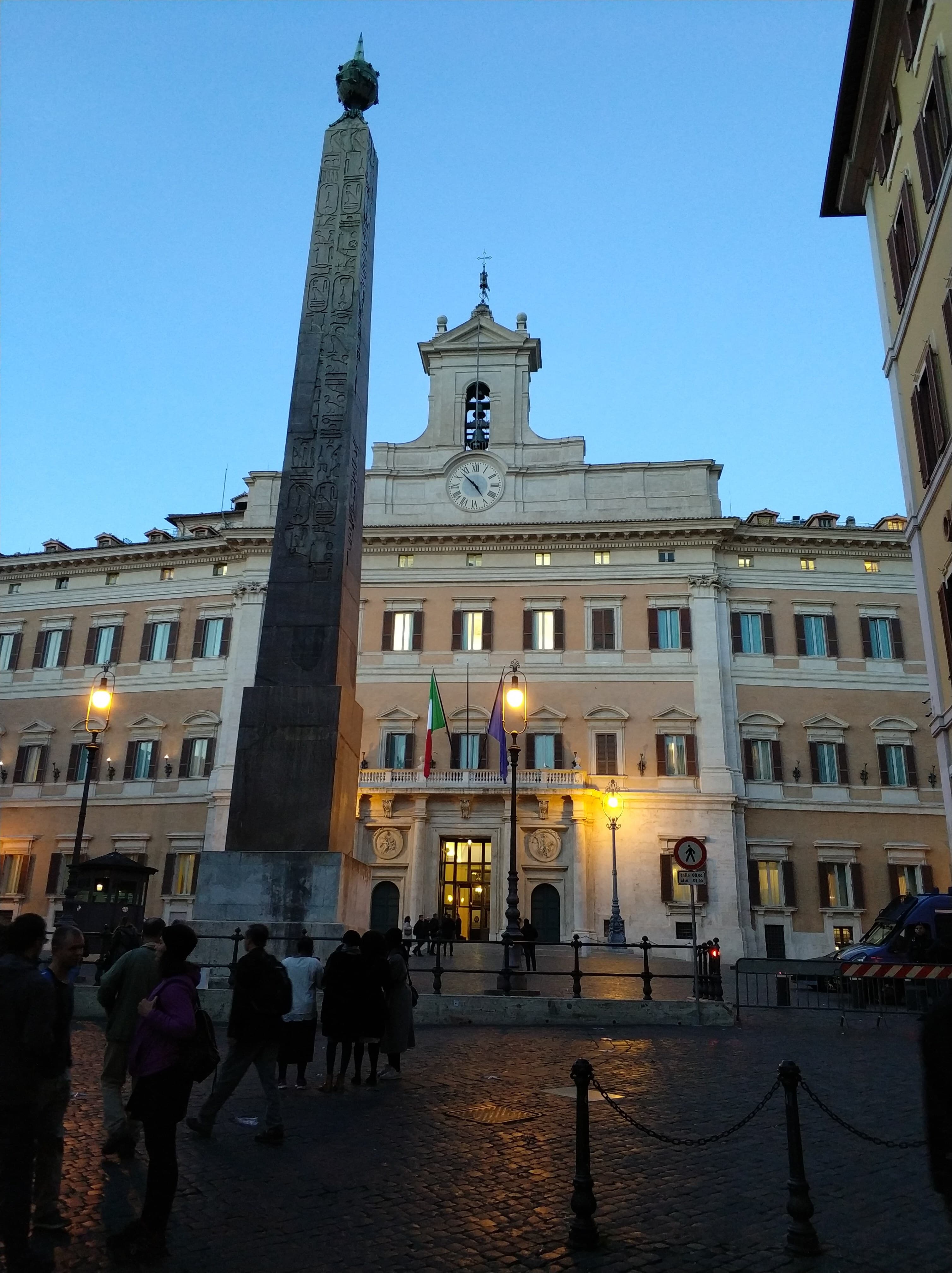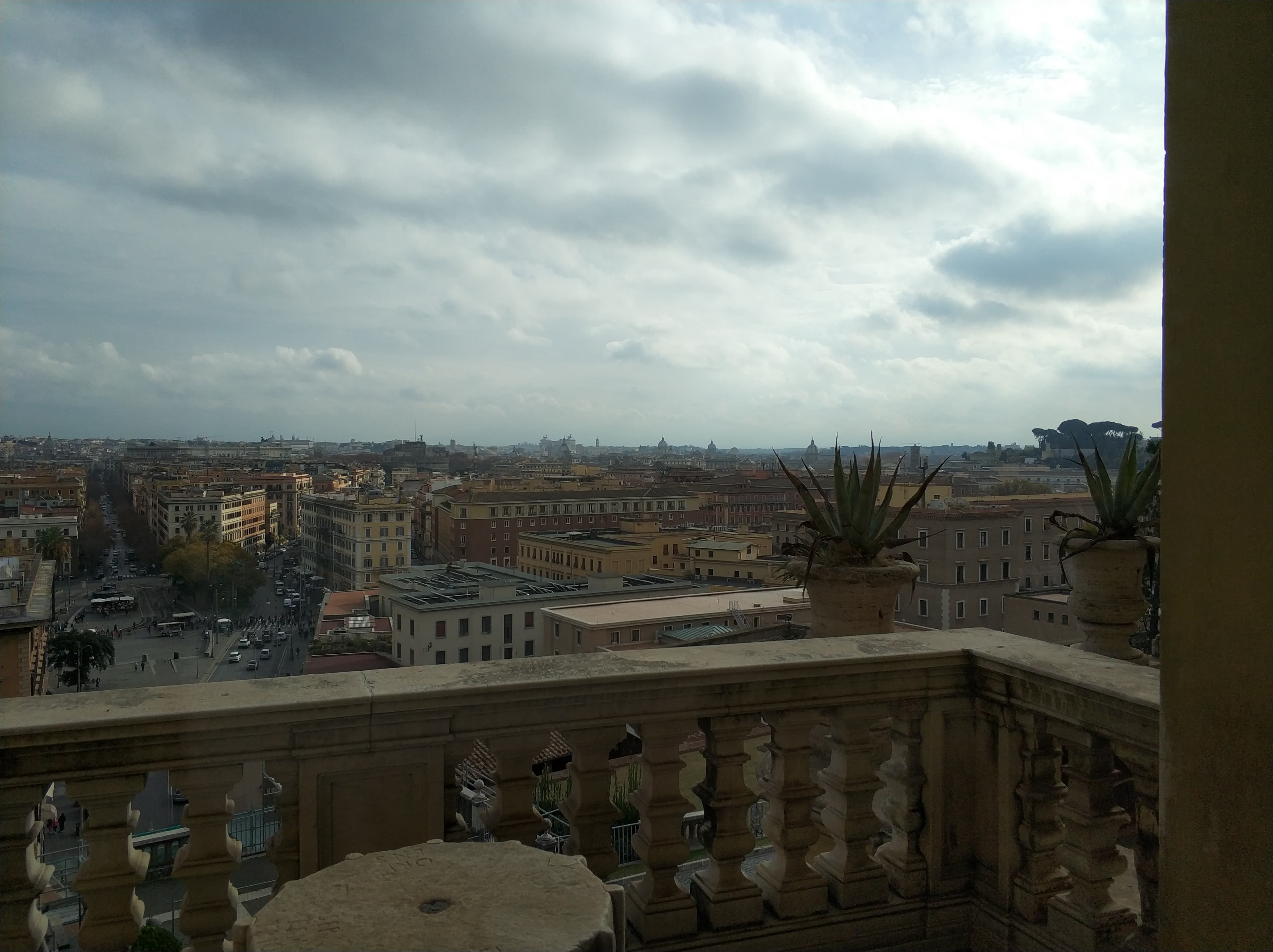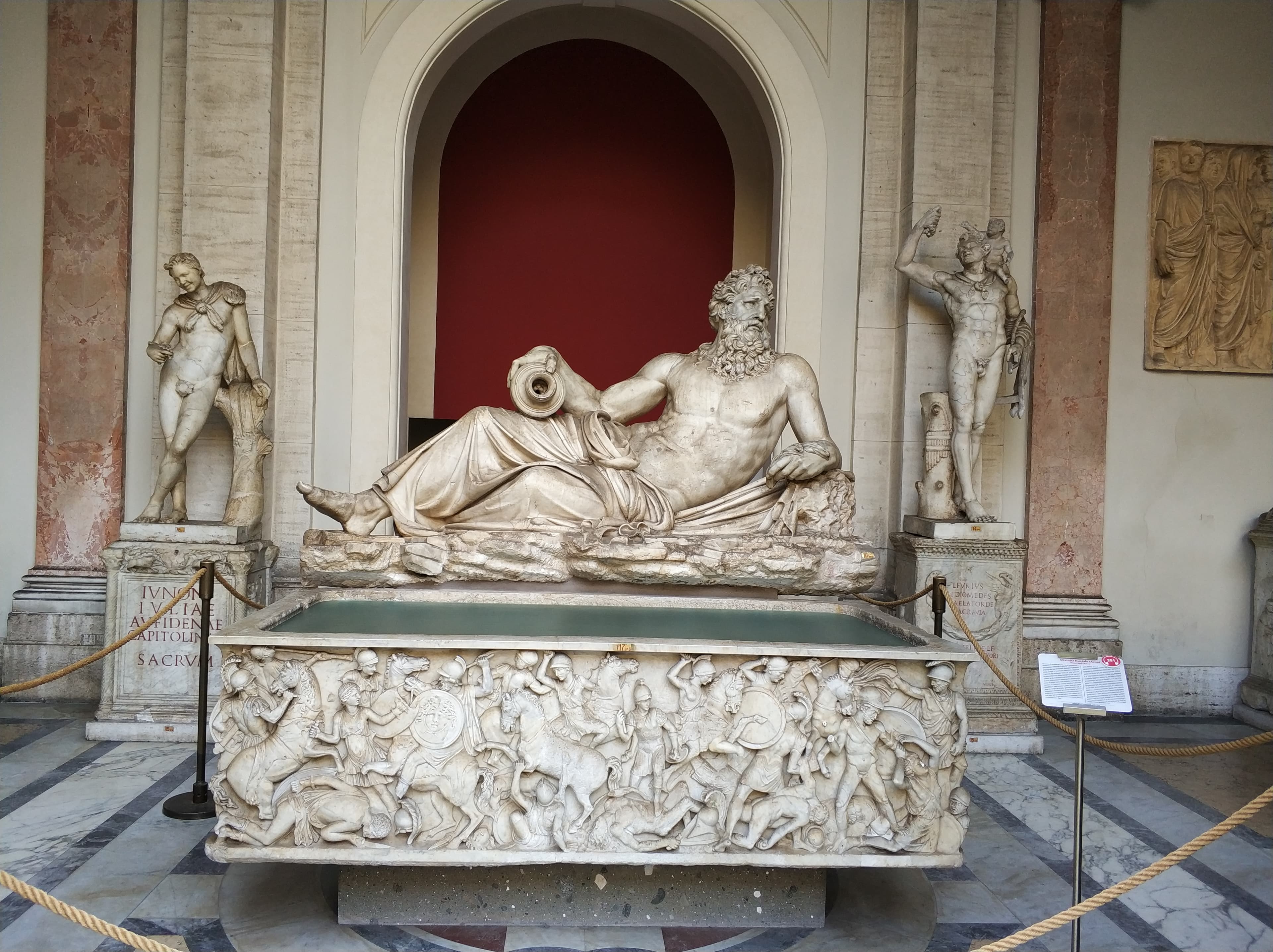
Rome
Rome

Rome

Show Notes

Comprehensive Travel Guide: Rome

Rome, Already Booked: The Massive, Practical, Deep-Dive Guide for Your Upcoming Trip

You’ve already booked Rome—so this isn’t the “why go” article. This is the how to do Rome well in the coming weeks/months: how to move through the city’s greatest hits without getting flattened by crowds, how to feel the city beyond the checklist, and how to connect what you’re seeing to the long, layered story beneath your feet. It’s also a guide that preserves every detail from four different research lenses:

  • Geo Agent: concrete, high-signal list of top attractions (with ratings, review counts, coordinates, addresses, and place IDs).
  • Historian Agent: a huge factual backbone—history, architecture, site significance, and practical ticket/hour guidance (with 2024–2026-style estimates and caveats).
  • Vibe Agent: the sensory Rome—smells, sounds, light, emotions, and neighborhood atmospheres.
  • Critic Agent: real-world review patterns—what frustrates travelers, what’s “worth it,” and what to watch for (crowds, heat, queues, tourist traps, pickpockets, scams).

You’ll see contradictions in prices/hours across sources (e.g., Pantheon ticket figures). Per your instructions, nothing is filtered out. Instead, you’ll get the full picture, including conflicting reports and what they imply for planning.


Table of Contents

  1. Introduction: How to Use This Guide
  2. The Story of Rome (A Layered Timeline You’ll See in the Streets)
  3. Top Experiences (Narrative + Practical + Sensory)
  4. Hidden Gems & “Second-Tier” Stops That Often Become Favorites
  5. Culture & Atmosphere (The Rome You’ll Feel)
  6. Food & Local Experiences (Neighborhoods, Markets, and Rituals)
  7. Practical Tips & Warnings (Crowds, Scams, Tickets, Heat, and Sanity)
  8. Conclusion

Introduction: How to Use This Guide

Rome is simultaneously:

  • Ancient monumentality (amphitheaters, forums, mausoleums),
  • Papal and baroque theater (fountains, domes, mosaics, processions),
  • Modern capital reality (traffic, bureaucracy, crowds, grit, tourism economy).

The Vibe Agent puts it perfectly: Rome is a “layered mix of ancient monumentality, lived-in grit, and sensual overload”incense and exhaust, espresso and wet stone, shouted greetings and church bells, all happening around 2,000-year-old ruins. Travelers describe it as romantic and chaotic, nostalgic yet vividly alive.

The Critic Agent adds the grounded truth: major sights are very highly rated, but reviews constantly mention crowds, queues, heat, tourist-trap pricing, and petty theft. The trick isn’t avoiding these realities—it’s planning around them so you get the best version of Rome.

The “Already Booked” Mindset

You don’t need inspiration—you need execution:

  • When to go early vs late.
  • Where to book official tickets vs avoid touts.
  • Which areas will feel overstimulating and where to find quiet.
  • How to balance the big five with neighborhoods like Testaccio and Trastevere that deliver “lived-in Rome.”

The Story of Rome: A Layered Timeline You’ll See in the Streets

Rome’s history spans more than two and a half millennia, beginning as a small settlement on the Tiber River and becoming the center of a world empire, the seat of the papacy, and the capital of modern Italy. Its past is not a single “rise and fall,” but reinventions—a sequence of transformations in government, religion, population, and urban form.

Founding and Early Rome

  • Traditional founding date: 753 BCE, by Romulus, after the legendary story of Romulus and Remus.
  • Archaeology suggests the region was occupied long before 753 BCE by small Latin, Sabine, and other Italic settlements on hills around the Tiber.
  • The site mattered because it controlled river crossings and trade routes between inland Italy and the coast.

Rome’s early political era is traditionally the Roman Kingdom, ruled by kings (seven are named in tradition, though partly legendary). This era is tied to early religious institutions, public works, and social structure. The last king, Tarquin the Proud, was expelled in 509 BCE, leading to the Roman Republic.
Roman Republic → Roman Empire

The Republic transformed Rome from a city-state into a Mediterranean power through expansion across Italy, the Punic Wars, conflicts with Hellenistic kingdoms, and civil wars. By the first century BCE, competition among elite families and military leaders destabilized the system.

  • The transition to empire begins with Augustus in 27 BCE, Rome’s first emperor.
  • Imperial Rome became a monumental metropolis: aqueducts, baths, temples, forums, and entertainment venues like the Colosseum.
  • Population estimates for imperial Rome range into the hundreds of thousands and sometimes over a million at its peak (debated).

Christianity and Late Antiquity

  • Christianity emerges and spreads during the imperial era.
  • 313 CE: Edict of Milan legalizes Christianity.
  • By the late 4th century, Christianity becomes the dominant religion of the empire.
  • Rome remains important, though administration increasingly shifts elsewhere—especially to Constantinople after its foundation in 330 CE.

Decline, Sackings, and Medieval Rome

Rome’s political prominence declines in Late Antiquity:

  • 410 CE: Visigoth sack.
  • 455 CE: Vandal sack.
  • 476 CE: last western emperor deposed (conventional end of the Western Roman Empire).

Medieval Rome is smaller but massively important as a papal city. Ancient infrastructure declines—aqueducts fail, large areas become pastureland or are quarried. The Forum becomes a “cow field” (later called Campo Vaccino). Yet Rome remains a pilgrimage center (tombs of Saints Peter and Paul), and the papacy becomes central.

A key turning point: the papal return from Avignon in the 14th century, restoring Rome as the main papal residence.

Renaissance & Baroque Papal Rome

From the 15th century onward, Rome is remade by popes through huge building campaigns: new churches, palaces, and squares—and the rebuilding of St. Peter’s Basilica. Artists/architects like Michelangelo, Raphael, Bernini become inseparable from the city’s identity.

  • 1527: Sack of Rome by imperial troops—devastating, but followed by rebuilding.

Modern Rome: Capital of Italy

In the 18th–19th centuries: Enlightenment, Napoleonic disruptions, Italian nationalism. The decisive turning point:

  • 1870: Rome captured by Italian troops and becomes capital of the Kingdom of Italy.

In the 20th century: Fascist urban projects reshape the city; WWII disruption occurs but Rome avoids the worst destruction. Postwar Rome becomes capital of the Italian Republic and an international hub of religion, diplomacy, tourism, film, and culture. Vatican City becomes an independent state in 1929—a city-within-a-city that shapes Rome’s global role.

Major Events That Shaped Rome (Quick List)

  • 753 BCE: Legendary founding.
  • 509 BCE: End of monarchy; Republic begins.
  • Republic expansion across Mediterranean.
  • 27 BCE: Augustus; Empire begins.
  • Spread/legalization of Christianity (313 CE).
  • Sackings: 410 and 455.
  • 476: End of Western Empire (convention).
  • Papal Rome rises in Middle Ages.
  • Renaissance and Baroque rebuilding under popes.
  • 1527: Sack of Rome.
  • 1870: Rome becomes capital of Italy.
  • 20th-century fascist projects; postwar modernization.

Top Experiences (Narrative + Practical + Sensory)

What follows combines: the Geo Agent’s list of 20 attractions (with ratings/review counts/addresses/place IDs), the Historian Agent’s site-by-site detail (architecture, history, ticketing/hour estimates), the Vibe Agent’s sensory portrait, and the Critic Agent’s “what people actually complain about.”


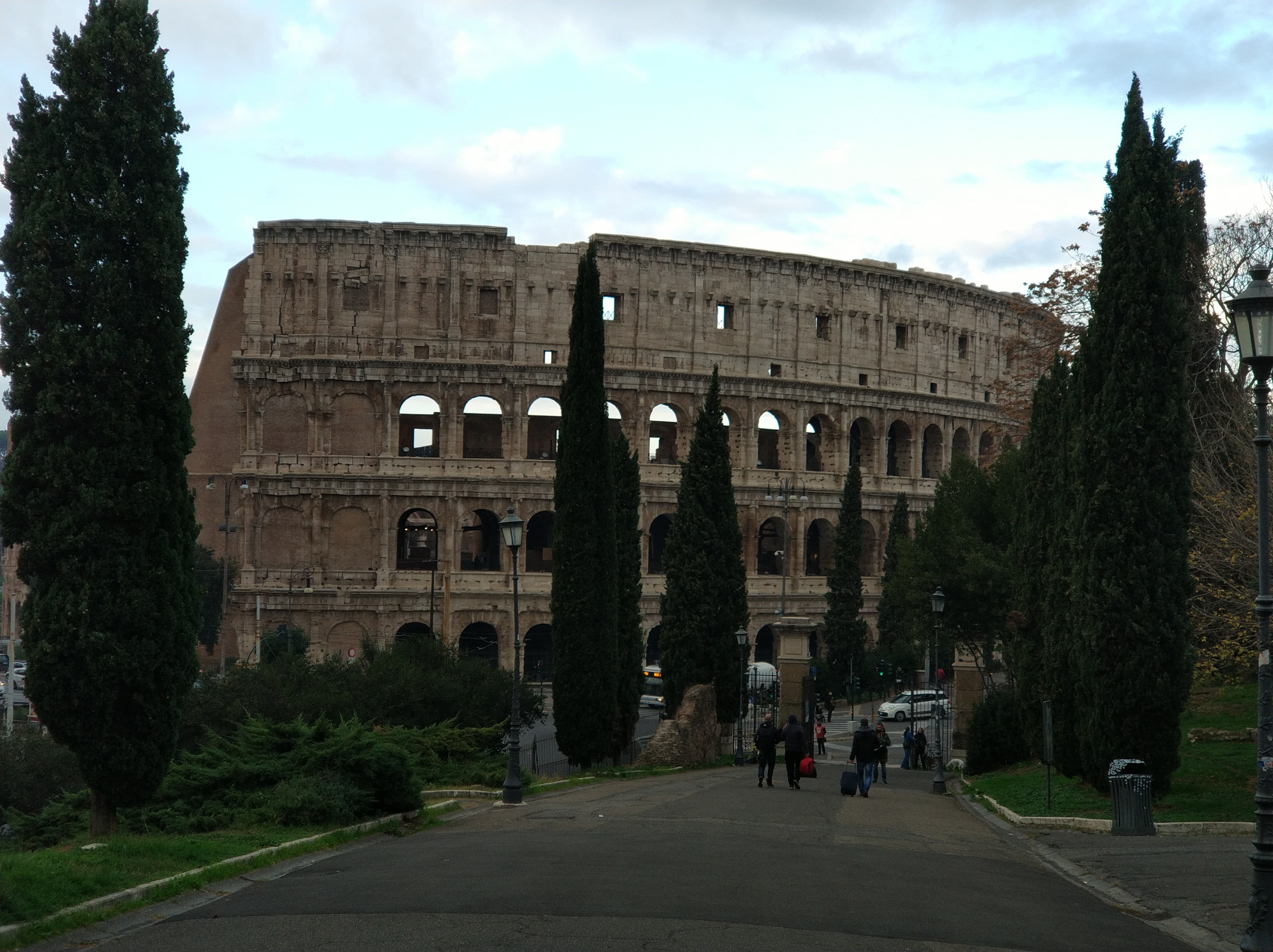
The Colosseum

Geo Agent data

  • Name: Colosseum
  • Type: establishment
  • Rating: 4.8
  • User ratings total: 504,444
  • Address: P.za del Colosseo, 1, 00184 Roma RM, Italy
  • Lat/Lng: 41.8902102, 12.4922309
  • Place ID: ChIJrRMgU7ZhLxMRxAOFkC7I8Sg

The story you’re standing inside

The Colosseum is the largest ancient amphitheatre ever built—constructed under the Flavian emperors:

  • Started under Vespasian around 70–72 AD, on land that had been part of Nero’s Golden House (Domus Aurea).
  • Dedicated/opened in 80 AD under Titus with games reportedly lasting 100 days.
  • The fourth storey and modifications completed under Domitian (around 82–90 AD).

Funding and labor:

  • Plunder from Titus’s sack of Jerusalem (70 AD) is noted as financing the arena.
  • Enslaved Jewish people from Judaea were used in construction.

What happened here:

  • Gladiatorial contests, wild animal hunts, executions, re-enactments of battles, mythological dramas.
  • Capacity estimates range roughly 50,000–80,000 spectators (some estimates 50,000–87,000).
  • Games continued from 80 AD until the early 5th century (around 404 AD).

Later centuries: Earthquakes, stone robbing, partial collapse. Today: UNESCO-listed, symbol of Rome, masterpiece of Roman architecture.

Architecture & key features to look for (with intention)

  • Elliptical form: about 189 × 156 meters (620 × 513 feet); rises to roughly four stories.
  • Built mainly of travertine, tuff, and brick-faced Roman concrete.
  • Roughly 100,000 cubic meters of travertine used (plus bricks, cement, tuff).
  • Façade shows stacked arches with engaged columns:
    • Doric (lowest), Ionic (middle), Corinthian (upper), plus pilasters above.
  • Originally 80 entrances (many numbered) for fast crowd flow.
  • Inside: corridors, staircases, and vomitoria (exit passages), a lesson in crowd engineering.
  • Seating strictly by social rank.
  • The arena: wooden floor covered with sand.
  • Beneath: the hypogeum, a two-level network of corridors, cages, lifts, trapdoors for animals/scenery—stage effects like sudden beast appearances.

Vibe: what it feels like in real life

Approaching via Via dei Fori Imperiali: traffic roar blends with tour-guide mics, camera shutters, multilingual chatter. Smell: hot pavement, street food carts (panini, roasted nuts), dry dust of ruins. Up close: pitted honeycombed stone; wind can carry grass and wild plants from inside and from Palatine. Emotional tone: awe plus discomfort—bucket-list thrill meets awareness of violence.

Early morning or night: shadows lengthen, the vibe turns ghostly and reflective.

Critic Agent: review patterns (pros/cons/scams)

Pros: breathtaking, surreal; guided tours/audio guides praised; arena/underground/night tours especially memorable.
Cons: crowds/queues (1–2 hours without tickets), heat, confusion with ticketing and multiple lines/vendors; some find it underwhelming without context; toilets/water can feel insufficient.
Warnings: avoid pushy “skip-the-line” touts; beware gladiator-costumed photo guys demanding high tips; pickpockets near entrances/metro.

Practical info (Historian Agent — with estimates and caveats)

Tickets (2024/2025 estimates):

  • Standard “Parco” ticket (Colosseum + Roman Forum + Palatine): often cited around €18 adult.
  • Reduced/free eligibility exists (under 18, disability categories, etc.)—check official list.
  • Free days (e.g., first Sunday of the month) have different rules; open-date tickets may not work.
  • Special itineraries (arena, hypogeum, night) cost more than the base.

Hours (pattern; verify on official Parco site):

  • Many sources list 08:30–19:15 daily in spring/summer, last entry ~18:15.
  • Autumn/winter: closure can be around 16:30, last entry ~15:30.
  • Some pages say opens at 09:00 with seasonal closing variation.
  • Closed typically 25 Dec and 1 Jan; occasional extraordinary closures possible.

Roman Forum

Geo Agent data

  • Name: Roman Forum
  • Type: establishment
  • Rating: 4.8
  • User ratings total: 145,796
  • Address: 00186 Rome, Metropolitan City of Rome Capital, Italy
  • Lat/Lng: 41.8920906, 12.4864378
  • Place ID: ChIJ782pg7NhLxMR5n3swAdAkfo

Why it matters

The Forum was the political, religious, legal, and commercial heart of ancient Rome, lying between Palatine and Capitoline hills. Originally marshy, drained traditionally via the Cloaca Maxima (regal period, 7th–6th century BCE). By the 7th century BCE, it becomes a central gathering space.

In the Republic: assemblies, elections, law courts, triumphal processions, speeches (Cicero), commercial activity. In the Empire: monumental temples, basilicas, arches—symbolic showcase of power, while new imperial forums arise nearby.

Key moments:

  • Public display of Julius Caesar’s body; Mark Antony’s funeral oration.

After empire’s fall: ruins quarried; medieval Campo Vaccino; excavations 18th–20th centuries reveal modern archaeological park.

What to see (key features list)

  • Via Sacra (processional road)
  • Curia Julia (Senate House rebuilt by Caesar/Augustus)
  • Rostra (speakers’ platform; decorated with ship prows)
  • Temple of Saturn (state treasury, aerarium; iconic columns)
  • Temple of Castor and Pollux (three Corinthian columns)
  • Temple of Vesta + House of the Vestal Virgins
  • Basilica Julia + Basilica Aemilia
  • Arch of Septimius Severus (triple arch; eastern victories)
  • Temple of Antoninus and Faustina (later church; reuse)

Vibe

Compared with the Colosseum: quieter, introspective. Smell: sun-warmed stone, dry grass, sometimes flowering shrubs. Sound: gravel crunch, distant guides, birds nesting in columns. Traffic noise drops, creating an acoustic “buffer.” Palatine adds pine resin smell under umbrella pines. Emotionally: contemplation—rise/fall, fragility of power, time passing; surprisingly calm like a park.

Critic Agent review patterns

Pros: many find it more evocative than the Colosseum; views from Palatine.
Cons: confusing/poor signage; “just rocks” without guide; heat and little shade; tiring, uneven surfaces; limited toilets/water.
Warnings: avoid unofficial tour sellers outside; watch surrounding touristy eateries.

Practical info (Historian Agent)

Forum is part of the combined Colosseum–Forum–Palatine park.

Hours (typical schedule, opens daily 09:00; last entry 1 hour before close):

  • 2 Jan–15 Feb: 09:00–16:30 (last 15:30)
  • 16 Feb–15 Mar: 09:00–17:00 (last 16:00)
  • 16 Mar–last Sat of Mar: 09:00–17:30 (last 16:30)
  • Last Sun of Mar–30 Sep: 09:00–19:15 (last 18:15)
  • 1 Oct–last Sat of Oct: 09:00–18:30 (last 17:30)
  • Last Sun of Oct–31 Dec: 09:00–16:30 (last 15:30)

Closures: 25 Dec, 1 Jan; some sources also list 1 May closure for combined complex.

Tickets (estimates):

  • Official combined: around €18–€22 adult (often time-slotted).
  • Third-party packages: ~€29 (self-guided) / €35 (skip line) / €49–€55 (guided group) / €49–€69+ (special/private).

Palatine Hill

Historian Agent essentials

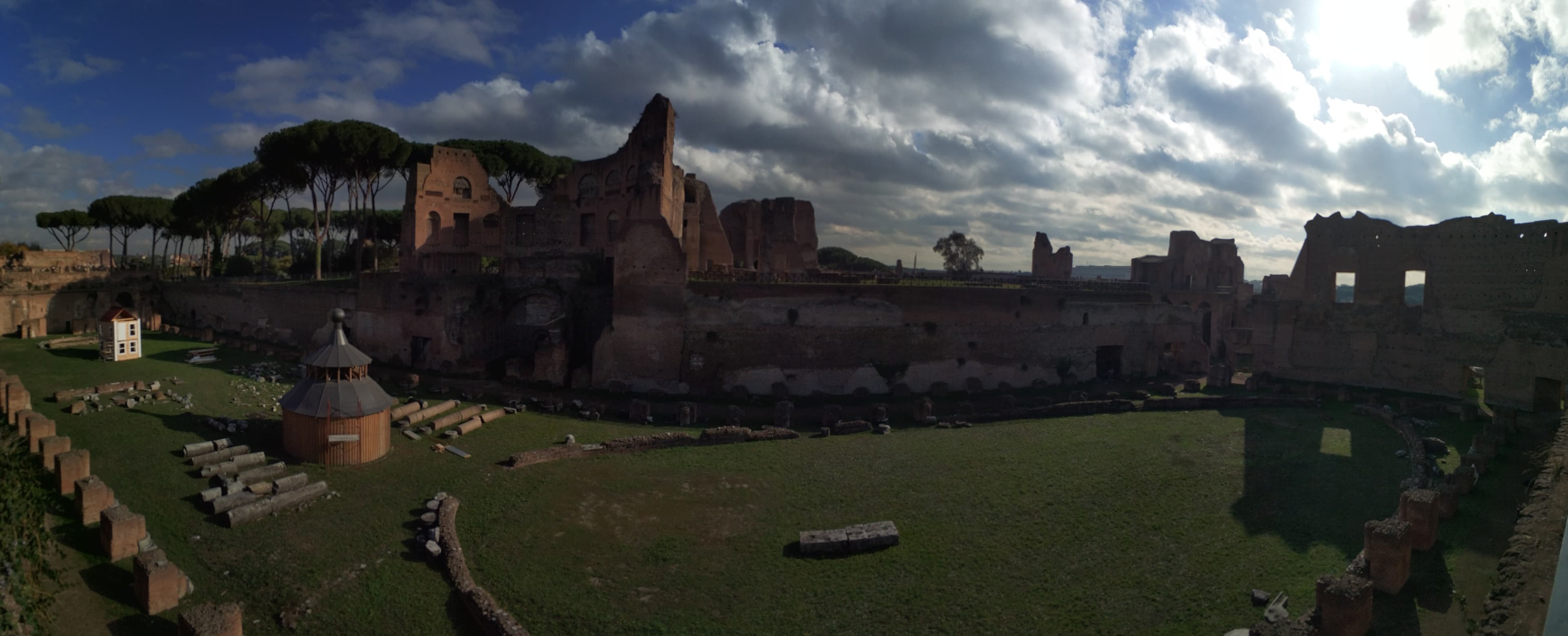
Palatine (Palatino) is the centremost of the seven hills—widely regarded as birthplace of the city and “first nucleus of the Roman Empire.” Overlooks Forum and Circus Maximus.

Earliest occupation: huts from Iron Age around 1000–800 BCE. Myth links Romulus founding (753 BCE) and she-wolf legend (Lupercal cave).

Republic: elite neighborhood; aristocratic houses; House of the Griffins with wall paintings/pavements.

Empire: seat of emperors—Augustus’ House of Augustus and House of Livia; later palaces: Domus Tiberiana, Domus Transitoria, parts of Domus Aurea, and vast Domus Flavia / Domus Augustana under Domitian. Religious importance: cult of Magna Mater (Cybele); cultural activity with libraries/gardens.

What to see:

  • Terraces/viewpoints over Forum and Circus Maximus
  • Domus Flavia/Augustana remains
  • Houses of Augustus and Livia (sometimes special ticket routes, “super” tickets)
  • Early hut remains layers

Practical (Historian Agent)

Tickets: typically via combined ticket.

  • Full combined: about €18 (24 hours)
  • EU 18–24: €2
  • Under 18: free
  • Roma Pass holders: ~€11.50
  • Special categories ~€14 in niche cases Commercial tours: €29–€69+

Hours: shared with Forum: open around 09:00, close seasonally 16:30–19:15, last entry ~1 hour before. Holidays/maintenance may change.

Vibe

Pine resin, sun heat, layered skyline of ruins + domes + apartment blocks—the “Eternal City” image. Calm compared to streets outside.


Pantheon

Geo Agent data

  • Name: Pantheon
  • Type: establishment
  • Rating: 4.8
  • User ratings total: 285,653
  • Address: Piazza della Rotonda, 00186 Roma RM, Italy
  • Lat/Lng: 41.8986108, 12.4768729
  • Place ID: ChIJqUCGZ09gLxMRLM42IPpl0co

History & meaning

  • First built by Agrippa around 27–25 BCE as a temple to “all gods.”
  • Destroyed in fire around 80 CE; second version damaged later.
  • Current building: rebuild ordered by Hadrian, roughly 118–128 CE (some summaries compress phases as 27 BCE–c. 121 CE).
  • 609 CE: consecrated as church Santa Maria Rotonda / Santa Maria ad Martyres—a key reason it survives.
  • Contains tombs: Raphael and several Italian kings.
  • Dome: about 43 m (142 ft) diameter/height; often cited as largest unreinforced concrete dome ever built.

Architecture highlights

  • Portico with massive Corinthian columns and inscription: “M·AGRIPPA·L·F·COS·TERTIVM·FECIT”
  • Rotunda drum; niches/exedrae rhythm
  • Dome with coffers; oculus as only direct natural light
  • Marble floor/walls; later Christian chapels/altars

Vibe

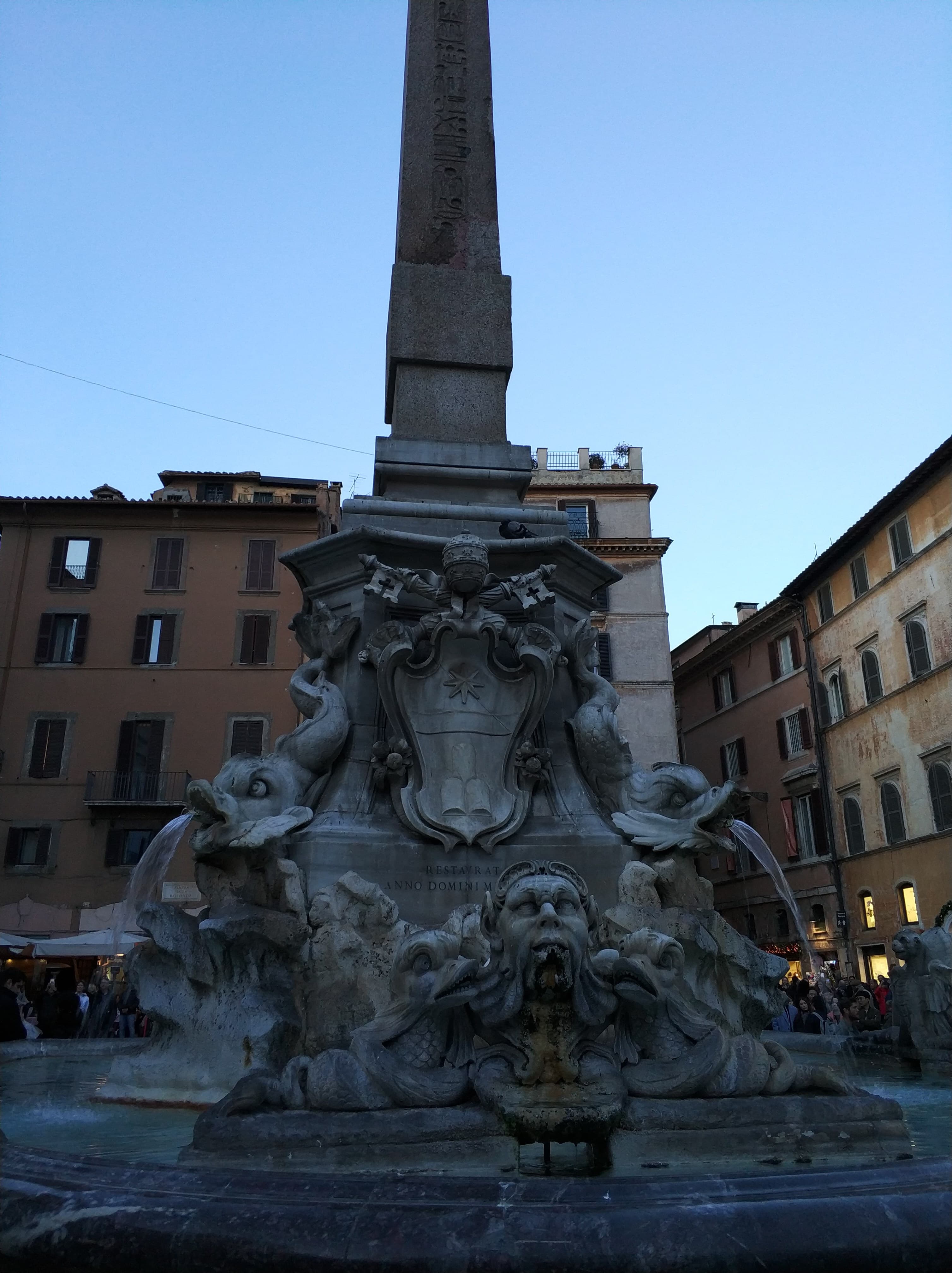
Outside: cafés, musicians, fountain trickle, coffee/pastry smell. Inside: temperature drops; stone dust and candle wax; hush. Oculus creates spotlight effect; rain can fall through and splash on marble—an unforgettable sensory moment. Visitors often describe a shared “gasp” when looking up.

Critic Agent review patterns

Pros: best-preserved ancient building; dome/oculus; short visit still satisfying; central location invites repeat visits.
Cons: crowds, queues; ticketing confusion; piazza can feel touristy and noisy; some surprised by Christian additions.
Food warning: cafés on Piazza della Rotonda often called overpriced/mediocre; eat a few streets away.

Practical info (Historian Agent—note conflicting ticket data preserved)

Hours (common agreement):

  • Many sources: open daily 9:00–19:00.
  • Last entry reported as 18:30 (ticket office closes 18:00) OR 18:45 depending on source.
  • Some guides note earlier closures on Sundays/public holidays—may be outdated vs “every day 9–19” statements.

Tickets (conflicting reports preserved):

  • One booking page indicates €2.00 base ticket, €0.00 for ages 0–18 and other eligible categories.
  • Another unofficial guide reports €5 adults, €3 ages 18–25, free for children.
  • Official sources emphasize tickets via Italian museum portal/app or on-site machines; portal registration may be required.
  • As an active basilica, services can change access.

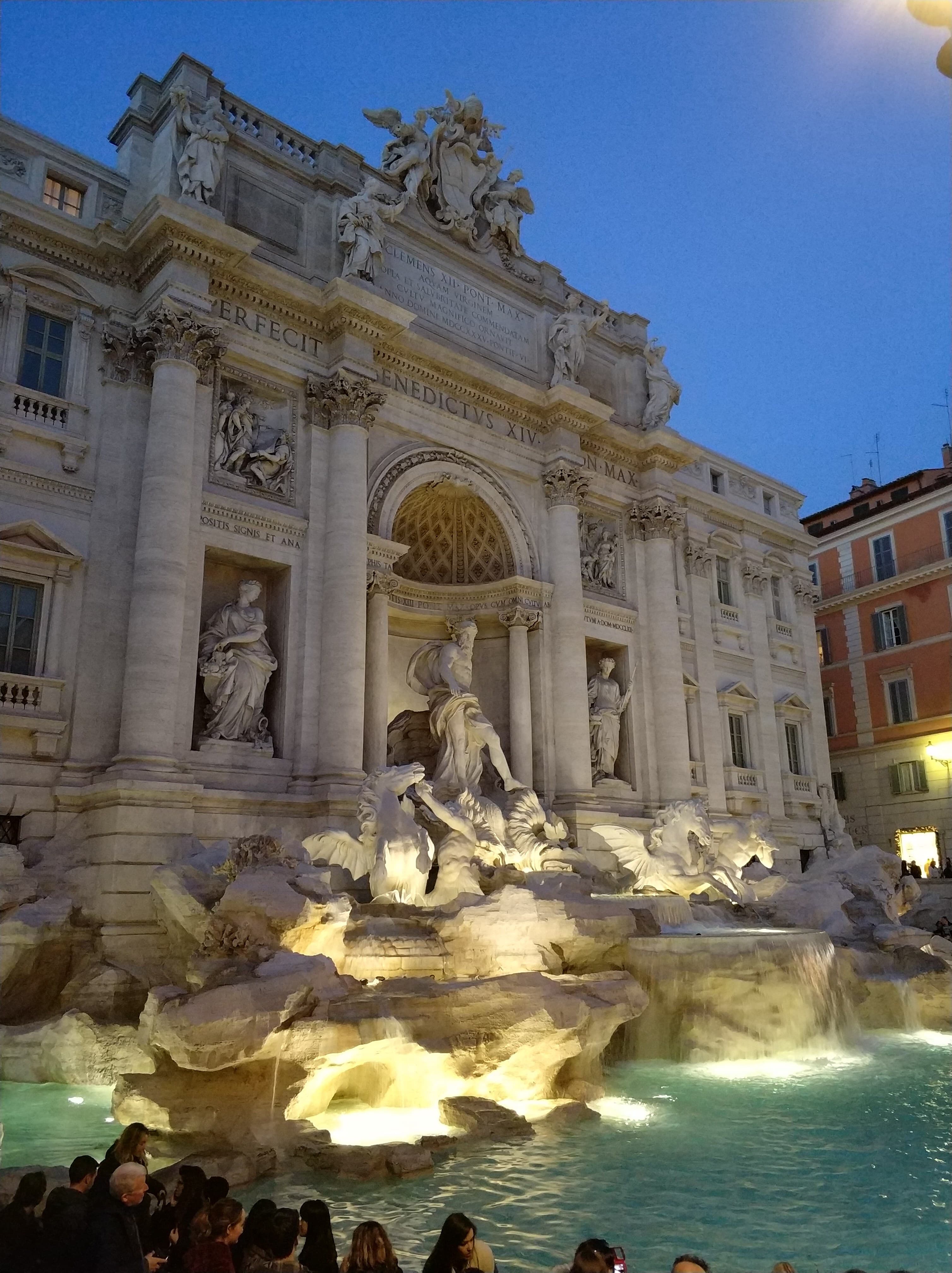
Trevi Fountain

Geo Agent data

  • Name: Trevi Fountain
  • Type: establishment
  • Rating: 4.7
  • User ratings total: 519,926
  • Address: Piazza di Trevi, 00187 Roma RM, Italy
  • Lat/Lng: 41.9009325, 12.483313
  • Place ID: ChIJ1UCDJ1NgLxMRtrsCzOHxdvY

Vibe

You hear it before you see it: a continuous roar of water. Smell: fresh water/stone, plus gelato sweetness nearby. The scene is dense—coin clinks, cameras clicking, guides directing. At night: it’s lit; water glows blue-white.

Critic Agent review patterns

Pros: magical, especially lit at night; beautiful; central; coin ritual feels romantic.
Cons: extreme crowds; pickpocket risk in “packed like sardines” conditions; vendors (polaroid photographers, roses, bracelets) can be aggressive; summer heat + no shade.
Tourist-trap warning: restaurants/gelato immediately around are often overpriced and mediocre.

Verdict: worth it, but treat as quick iconic stop; best early morning or late at night.


Piazza Navona

Geo Agent data

  • Name: Piazza Navona
  • Type: establishment
  • Rating: 4.7
  • User ratings total: 217,182
  • Address: Piazza Navona, 00186 Roma RM, Italy
  • Lat/Lng: 41.8991633, 12.4730742
  • Place ID: ChIJPRydwYNgLxMRSjOCLlYkV6M

Vibe

A baroque stage set: fountains splashing, painters and canvases, buskers, café cutlery clinking. Smell: perfume, roasted chestnuts (cooler months), overlapping pasta sauces and pastries. Step into side lanes and light/sound change fast: damp stone, laundry detergent, cigarette smoke, espresso bars, scooters buzzing inches away.

At dusk: warm façades, dramatic fountain lighting, constant soft roar of voices and water.

Critic Agent review patterns

Pros: one of Rome’s most beautiful squares; elongated ancient-stadium footprint; fountains (esp. Bernini’s Four Rivers); night atmosphere.
Cons: restaurants on the square are classic tourist traps; expensive + mediocre; coperto/extra fees complaints; hawkers, caricaturists; crowding/pickpockets.

Verdict: absolutely visit; don’t assume the best meal is on the piazza—walk a few blocks.


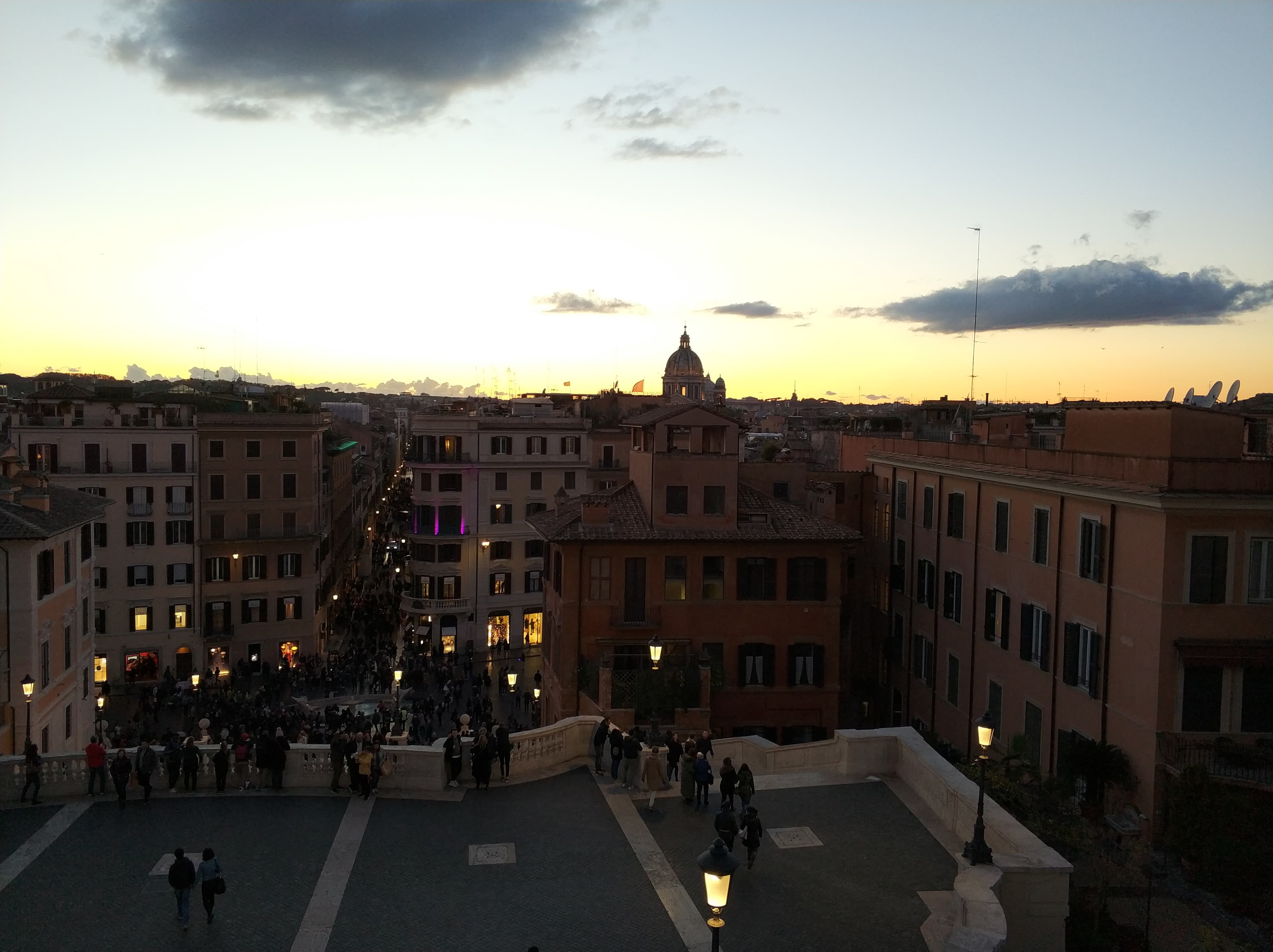
Spanish Steps & Piazza di Spagna

Geo Agent data (two separate entries—preserved)

  • Spanish Steps

    • Rating: 4.6 | User ratings: 111,444
    • Address: Piazza di Spagna, 00187 Roma RM, Italy
    • Lat/Lng: 41.90599, 12.482775
    • Place ID: ChIJda54FlRgLxMRD2muipfUwH8
  • Piazza di Spagna

    • Rating: 4.7 | User ratings: 152,074
    • Address: Piazza di Spagna, 00187 Roma RM, Italy
    • Lat/Lng: 41.9056978, 12.482327
    • Place ID: ChIJ4_TEG1VgLxMROFkd29jWdug

Vibe

Elegance plus chaotic people-watching: perfume/leather from luxury shops, coffee/pastries, seasonal flowers. Stone warm from sun. Stories of the Grand Tour and modern fashion-film glamour. Best early morning/late evening when it calms down.

Critic Agent review patterns

Pros: iconic staircase, views, romance at sunset, lively.
Cons: many call it overrated when crowded; rules enforcement surprises (no sitting/eating; fines possible); pricey area; solicitation.

Warnings: bracelet/rose “gift” scam; pickpockets; pricey cafés right there.

Verdict: quick visit for photos/views; don’t build your day around lingering there unless off-peak.


Piazza del Popolo

Geo Agent data

  • Name: Piazza del Popolo
  • Type: establishment
  • Rating: 4.7
  • User ratings total: 124,769
  • Address: Piazza del Popolo, 00187 Roma RM, Italy
  • Lat/Lng: 41.9107038, 12.4763579
  • Place ID: ChIJhxbo5fhgLxMRUEPO_f-f7kM

Critic Agent review patterns

Pros: grand open square, obelisk, twin churches; good gateway to Pincio terrace and Villa Borghese; less claustrophobic.
Cons: some find it less distinctive; events can block parts.
Warnings: minor overpriced cafés/vendors; general pickpocket precautions.

Verdict: pleasant, especially as part of a walk up for views and into green space.


Vatican Museums

Geo Agent data

  • Name: Vatican Museums
  • Type: establishment
  • Rating: 4.6
  • User ratings total: 209,163
  • Address: 00120, Vatican City
  • Lat/Lng: 41.9064878, 12.4536413
  • Place ID: ChIJKcGbg2NgLxMRthZkUqDs4M8

History & significance (Historian Agent)

Origins traced to 1506, when Pope Julius II acquired and displayed the Laocoön Group. Over 500 years, papal collections expanded into one of the world’s great museum complexes.

Key layers:

  • Renaissance sculpture display in Belvedere Courtyard (Bramante).
  • Pio-Clementine Museum and Museo Chiaramonti (classical sculpture).
  • Later additions: Egyptian, Etruscan, Christian, ethnological, modern religious art (Van Gogh, Matisse noted in summary).

Highlights:

  • Cortile del Belvedere
  • Pio-Clementine Museum: Laocoön, Apollo Belvedere, Belvedere Torso
  • Raphael Rooms: School of Athens
  • Gallery of Maps
  • Gregorian Egyptian and Etruscan Museums
  • Modern Religious Art Collection
  • Sistine Chapel (covered separately)

Critic Agent review patterns

Pros: overwhelming masterpieces; “lifetime’s worth of art”; guides/audio help; Sistine Chapel unmissable.
Cons: overcrowding, congestion, exhaustion, limited seating; visitor flow can feel rushed; Sistine Chapel strict no photo/talking and “keep moving.”
Warnings: aggressive “skip-the-line” sellers; fake guides; pickpockets on transport/near entrance.

Practical info (Historian Agent)

Ticket prices (official 2024 tariffs):

  • Full: €20 (as of 1 Jan 2024)
  • Reduced: €8
  • Reservation fee: €5 if booking online (ticket becomes ~€25 for full; reduced ~€13)

Hours (multiple official formulations preserved):

  • Generally Monday–Saturday: 08:00–19:00 (last entry ~17:00) per one notice.
  • Another updated schedule lists 08:00–20:00 with last entry 18:00.
  • Fridays and Saturdays (high season from March): late openings until 20:00 with last entry 18:00 on some calendars.
  • Sundays: closed most Sundays.
  • Last Sunday of month: 09:00–14:00, last entry 12:30, free—except major feast days (Easter, 29 Jun, 25 Dec, 26 Dec, 31 Dec).

Sistine Chapel

Geo Agent data

  • Name: Sistine Chapel
  • Type: church
  • Rating: 4.7
  • User ratings total: 96,361
  • Address: 00120, Vatican City
  • Lat/Lng: 41.9029468, 12.4544835
  • Place ID: ChIJ268jxWVgLxMRIj61f4fIFqs

History & art (Historian Agent)

Built under Pope Sixtus IV (1473–1481), replacing Cappella Magna; design attributed to Baccio Pontelli, supervised by Giovanni de’ Dolci. Side walls painted by Botticelli, Perugino, Ghirlandaio, Rosselli—life of Moses and life of Christ cycles (1481–1482), continuity of covenants.

Michelangelo:

  • Ceiling: 1508–1512 under Julius II (Genesis scenes, prophets, sibyls, ignudi).
  • Last Judgment: 1536–1541 under Paul III (later modest coverings of nudes in Counter-Reformation period).

Conclave: site of papal elections, especially consistently from 1878 onward.

Architecture: rectangular hall, proportions linked to Solomon’s Temple symbolism. Approx dimensions: 40.9 m long, 13.4 m wide, 20.7 m high.

Critic Agent review patterns

Pros: one of the most impressive rooms in the world; moving despite crowding.
Cons: extreme crowding; rushed; strict no photos/talking; comes after long museum route.
Warnings: same as Vatican Museums (touts, pickpockets).

Practical

Access only through Vatican Museums; no separate ticket/entrance. Ticket: included in Vatican Museums ticket (full €20 + possible €5 reservation fee; reduced €8 + fee). Hours: follow Vatican Museums; last Sunday free access is short and crowded.


St Peter’s Basilica & St Peter’s Square

Historian Agent (site overview)

Built over the traditional tomb of Saint Peter.

Old St Peter’s: commissioned by Constantine I in 4th century; built c. 320s; completed around 349–360 depending on sources.

New basilica:

  • Foundation stone laid 18 April 1506 by Julius II.
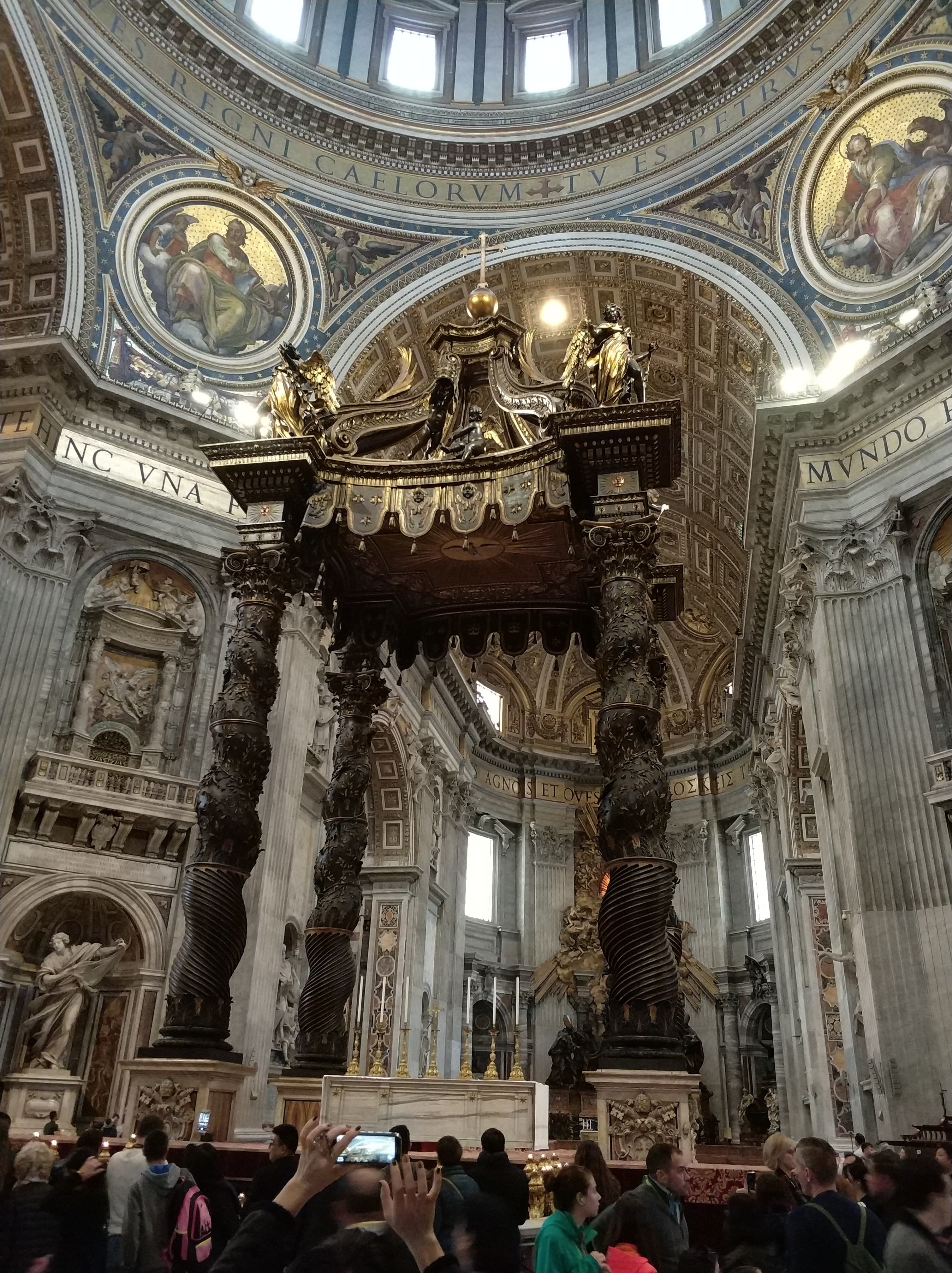
  • Architects: Bramante, Raphael, Sangallo, Peruzzi; Michelangelo (dome); della Porta + Fontana finished dome (1588–1590, ~800 laborers); Maderno (façade/nave); Bernini (square, baldachin).
  • Built 1506–1626; consecrated by Urban VIII.

Style: Renaissance + Baroque. Plan: three-aisled Latin cross; dome at crossing.

Key interior features:

  • Papal altar and confessio over Peter’s tomb
  • Bernini bronze baldachin (twisting columns)
  • Michelangelo’s Pietà
  • Portals, bronze doors, papal tombs

St Peter’s Square: Bernini colonnades (completed 1667), obelisk, fountains.

Vibe

Ceremonial and spiritual plus mass tourism. Smell: faint incense and candle wax mixed with sun-warmed stone and perfume. Sounds: footsteps, crowd direction calls, queues; papal audiences add song, clapping, prayers. Under colonnades: shade, cool stone smell, echoing steps. Inside: sound drops to low murmur, occasional “Silenzio.”

Emotion: dwarfed by size and accumulated significance; sometimes unexpectedly moving, sometimes logistically stressful due to security and crowds.

Critic Agent review patterns

Pros: awe-inspiring; free entry; dome climb views exceptional; mass or organ music can be highlight.
Cons: long security lines; strict dress code; dome climb narrow and strenuous; crowds can reduce spiritual atmosphere.
Warnings: pushy “helpers” selling tours; overpriced cafés around Vatican.

Practical info (Historian Agent—estimates)

  • Basilica entry: free (functioning church), but security lines can be long.
  • Dome tickets: often €8–€10 stairs, €10–€12 elevator+stairs (estimates; verify).
  • Hours: often around 07:00–07:30 opening; closing 18:30–19:00; dome opens ~08:00; last entry ~16:45–17:00; closures possible for ceremonies/weather.
  • Avoid late morning on Wednesdays and Sundays due to papal audiences/Mass logistics; check papal calendar.

Castel Sant’Angelo

Geo Agent data

  • Name: Castel Sant'Angelo
  • Type: establishment
  • Rating: 4.7
  • User ratings total: 110,548
  • Address: Lungotevere Castello, 50, 00193 Roma RM, Italy
  • Lat/Lng: 41.9030632, 12.466276
  • Place ID: ChIJ0aTnEYeKJRMRiUF95xwRbDY

History & layers (Historian Agent)

Originally Hadrian’s Mausoleum:

  • Commissioned around 123–130 CE, completed under Antoninus Pius 135–139 CE.
  • Hadrian’s ashes deposited 139 CE; later Antonine emperors buried until at least Caracalla.

Converted to fortress by late 4th–5th centuries; strategically near Aurelian Walls. Papacy acquires in 1277, develops into fortified stronghold with Passetto di Borgo (secret corridor nearly 800m to Vatican). Upgraded for gunpowder warfare under Alexander VI. During 1527 Sack of Rome, Clement VII famously escapes via Passetto.

Also served as tribunal and prison; later became Italian state monument after 1870; opened as museum around 1901 (with further structuring through 1920s).

Name legend: Archangel Michael appears sheathing sword to signal plague end; statue placed atop.

Architecture & key features

  • Core drum-shaped mausoleum on square base
  • Layers of bastioned walls, ramparts, battlements
  • Spiral ramps, inner corridors, central funerary chamber
  • Papal apartments with frescoes/stuccoes/heraldry
  • Prison cells and tribunal rooms
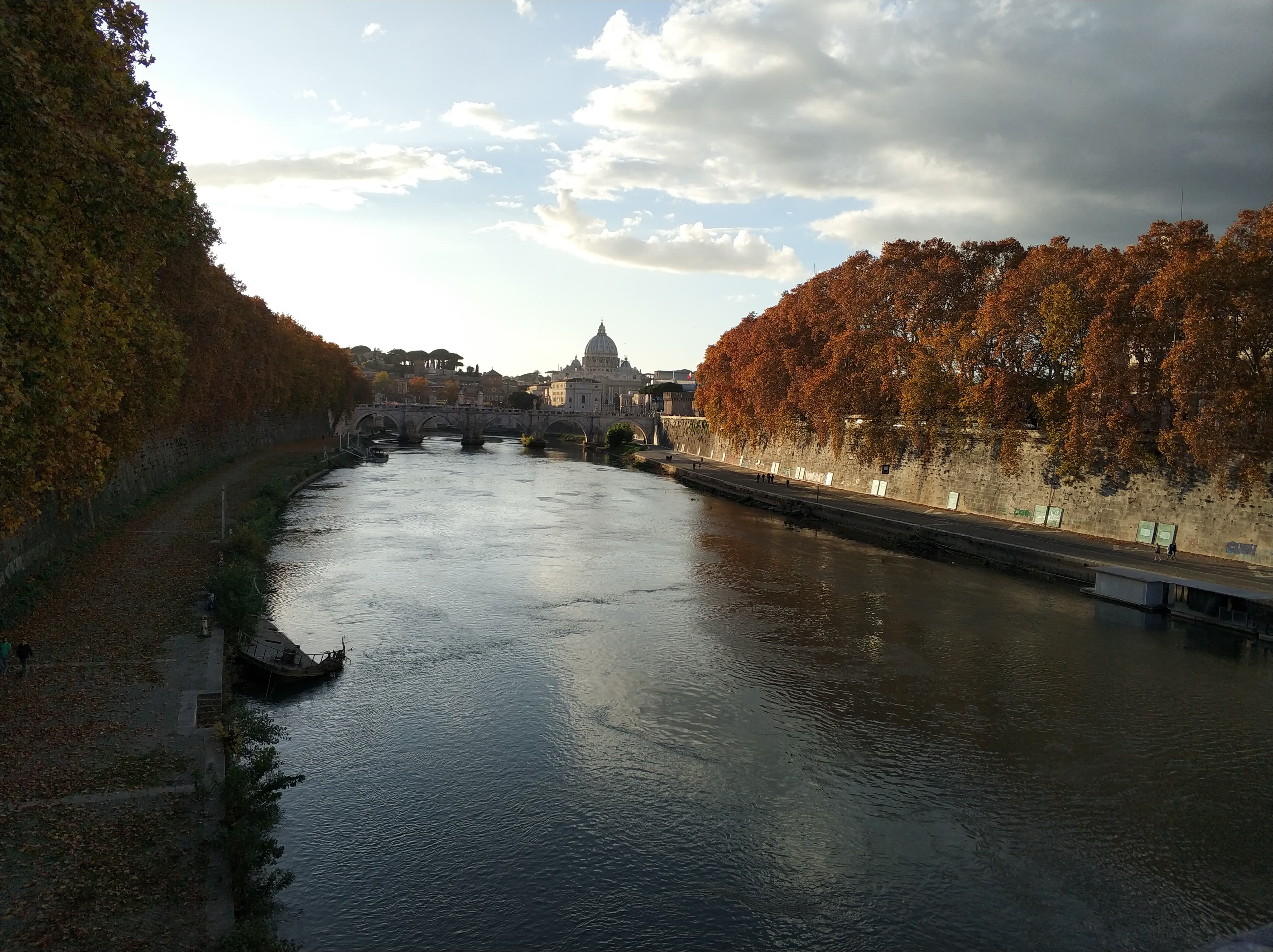
  • Roof terrace views (Tiber, St Peter’s dome)
  • Ponte Sant’Angelo with angel statues as dramatic approach
  • Passetto di Borgo (visible/interpretive sections)

Critic Agent review patterns

Pros: views, layered history, atmospheric rooms/corridors; bridge walk adds to experience.
Cons: signage can be sparse; fortress-like interiors might disappoint those expecting “palace”; climb/uneven floors hard for mobility-limited; lines in peak season (usually less than Vatican/Colosseum).
Warnings: overpriced cafés/souvenir stands near bridge; general pickpocket caution.

Practical info (Historian Agent)

  • Hours: Tue–Sun 09:00–19:30, last entry ~18:30; closed Mondays; closed 25 Dec and 1 Jan.
  • Tickets: about €13–€15 adult; reduced €2–€5 typical; free entry categories and national free days may apply; third-party bundles cost more.

Monument to Victor Emmanuel II (Vittoriano)

Geo Agent data

  • Name: Monument to Victor Emmanuel II
  • Type: establishment
  • Rating: 4.8
  • User ratings total: 77,241
  • Address: Piazza Venezia, 00186 Roma RM, Italy
  • Lat/Lng: 41.8945976, 12.4831269
  • Place ID: ChIJ412AG01gLxMR4T-4pwdIFSE

Critic Agent review patterns

Pros: massive white marble, terraces, views (elevator to top), Tomb of Unknown Soldier adds solemnity; central connector.
Cons: polarizing “wedding cake/typewriter” aesthetics; traffic chaos; elevator fee seen as expensive.
Warnings: cross streets carefully—Roman traffic; tourist shops/mediocre restaurants nearby.


Papal Basilica of Saint Mary Major (Santa Maria Maggiore)

Geo Agent data

  • Name: Papal Basilica of Saint Mary Major
  • Type: church
  • Rating: 4.8
  • User ratings total: 56,958
  • Address: P.za di Santa Maria Maggiore, 00100 Roma RM, Italy
  • Lat/Lng: 41.8975986, 12.4984084
  • Place ID: ChIJ1zB926RhLxMRejWMj_tUs_c

Critic Agent review patterns

Pros: beautiful basilica; mosaics, gilded ceilings, chapels; less crowded than St Peter’s; peaceful spiritual atmosphere; often called underrated.
Cons: area near Termini can feel less charming; petty crime worries; limited info in English; service-time restrictions.
Warnings: pickpockets near Termini.


Largo di Torre Argentina

Geo Agent data

  • Name: Largo di Torre Argentina
  • Type: establishment
  • Rating: 4.5
  • User ratings total: 38,544
  • Address: Largo di Torre Argentina, 00186 Roma RM, Italy
  • Lat/Lng: 41.8954088, 12.4768494
  • Place ID: ChIJQ_PWjE5gLxMRzwPbBqolerU

Critic Agent review patterns

Known for temple ruins and commonly cited as site of Julius Caesar’s assassination, plus cat sanctuary—cats lounging among stones.

Pros: quick free stop; cat lovers love it; adds historical flavor.
Cons: viewed from street level feels inaccessible/neglected (though access improvements noted as ongoing in some narratives); traffic noise.
Warnings: general central pickpocket awareness; avoid overpriced cafés nearby.


Mouth of Truth (Bocca della Verità)

Geo Agent data

  • Name: Mouth of Truth
  • Type: establishment
  • Rating: 4.3
  • User ratings total: 25,546
  • Address: Piazza della Bocca della Verità, 18, 00186 Roma RM, Italy
  • Lat/Lng: 41.8882378, 12.4814441
  • Place ID: ChIJm1_ZezVgLxMR57Hw653cZoI

This is classic “ritual tourism” Rome—short, photo-driven, but fun if you accept it as a quick folkloric stop.


Domus Aurea

Geo Agent data

  • Name: Domus Aurea
  • Type: establishment
  • Rating: 4.6
  • User ratings total: 3,942
  • Address: Vle della Domus Aurea, 00184 Roma RM, Italy
  • Lat/Lng: 41.8910517, 12.4952136
  • Place ID: ChIJp-3oaLdhLxMRS_bYIp1GB8w

History & significance (Historian Agent)

Nero’s “Golden House,” built after Great Fire of 64 AD, largely completed before Nero’s death in 68 AD. Huge scale: up to 80 hectares with gardens, pavilions, forests, vineyards, and a large artificial lake (where the Colosseum later stands). Linked to earlier Domus Transitoria.

Architects: Severus and Celer; innovations in Roman concrete vaulting; influences later emperors. After Nero: palace dismantled/filled in; Flavians build Colosseum on Nero’s lake. Rediscovered in Renaissance; artists like Raphael explored “grottoes” and copied frescoes.

What you’ll see

Underground Oppian Hill section: vaulted rooms/corridors, frescoes/stucco, reinforcement traces, and VR reconstructions restoring color/light/gardens.

Practical info (Historian Agent)

Guided tour only; site is conservation-active.

Tickets (official structure cited from Parco Archeologico, 2026 data usable as 2024/2025 estimate):

  • Educational tour + VR: €26 full
  • Only ticket (no educational tour, no VR): €18 full
  • EU 18–25 reduced: €2 (applies to €18 base; reservation fee may add)
  • Free categories: under 18 (or under 6 in some listings), disabled + companion, licensed guides, accredited journalists, certain military/law enforcement, etc.
  • Reseller tours: €26–€50; some €39–€40.

Hours:

  • Closed Mon–Thu
  • Open Fri–Sun only, timed guided tours
  • Tours typically 9:15–17:00; last entry around 15:30–15:45
  • Holiday closures include Dec 25, Jan 1, May 1 (as per some listings)

Tips: book in advance; VR ticket strongly boosts comprehension; combine with Colosseum area.


Baths of Caracalla

History & scale (Historian Agent)

One of Rome’s grandest bath complexes (Thermae Antoninianae):

  • Begun under Septimius Severus around AD 206/212
  • Completed/dedicated under Caracalla in AD 216
  • Operated until around 6th century (decline of aqueduct system and late antique disruptions)
  • Capacity: around 1,600 bathers at once (some summaries suggest larger daily use)

Classic sequence: frigidarium, tepidarium, caldarium; plus exercise spaces, courtyards, libraries, service areas. Notable for huge vaults, symmetrical plan, brick-and-concrete engineering. Setting between Aventine and Caelian Hills emphasizes scale.

Practical info (Historian Agent)

  • Tickets: €8 standard; EU 18–25 €2; under 18 generally free.
  • Hours: Tue–Sun, open around 09:00, close seasonally (~16:30 winter to ~19:15 summer); closed Mondays.
  • Last admission: 1 hour before closing.

Capitoline Museums

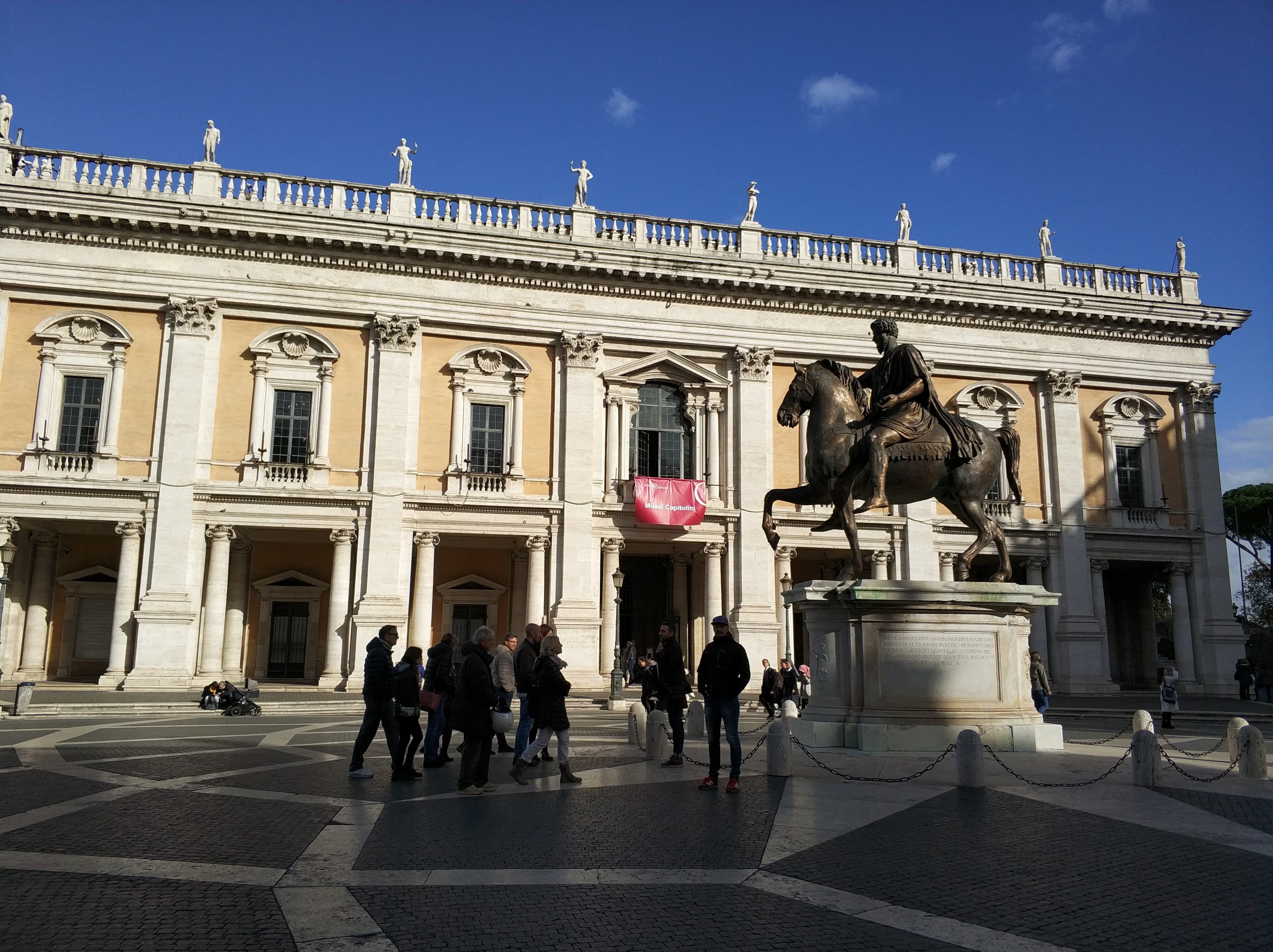
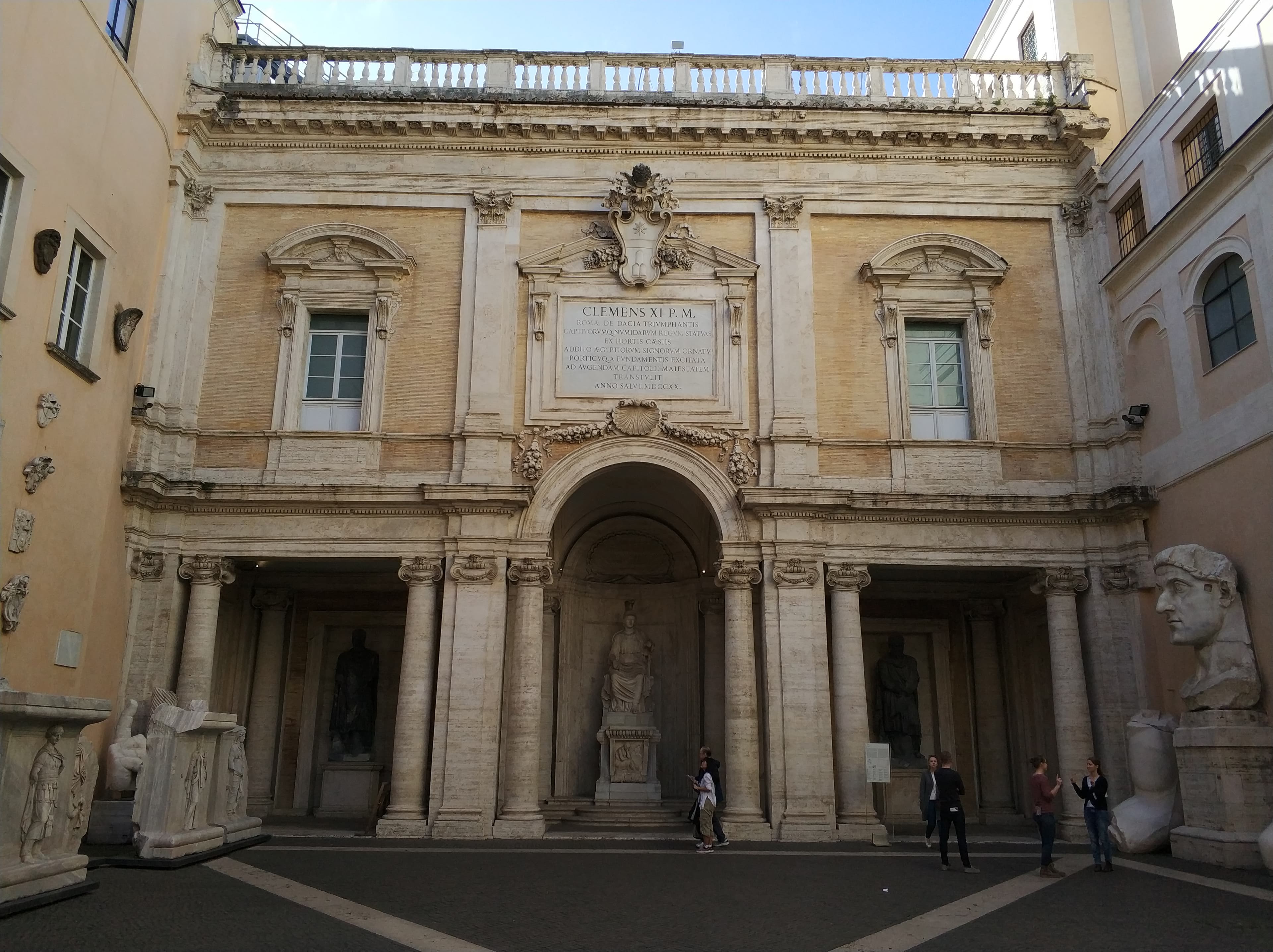
History & significance (Historian Agent)

Among the oldest public museums in the world:

  • 1471: Pope Sixtus IV donates bronze statues from Lateran to people of Rome—foundation of civic collection.
  • 1734: Pope Clement XII opens museums to public—often described as the first public museum. Located on Capitoline Hill in Piazza del Campidoglio 1, square redesigned by Michelangelo (trapezoidal layout).

Complex includes Palazzo dei Conservatori, Palazzo Nuovo, Palazzo Senatorio. Exhibition space: 12,997 m² (nearly 13,000 m²). Underground passages connect palaces.

Highlights noted:

  • Equestrian statue of Marcus Aurelius (original inside, copy outside)
  • Capitoline She-Wolf
  • Capitoline Venus and other sculpture masterpieces
  • Epigraphic/archaeological collections
  • Renaissance/Baroque art and civic rooms
  • Views over the Forum

Practical info (Historian Agent)

Hours:

  • Daily 9:30–19:30, last admission 1 hour before close (~18:30)
  • 24 & 31 Dec: 9:30–14:00
  • 1 Jan: special hours (e.g., 11:00–19:30/20:00)
  • Closed: 1 May, 25 Dec

Tickets (ranges preserved):

  • Base museum only: ~€15 full / €9.50 reduced
  • When exhibitions running: ~€20.50 full / €15 reduced
  • Online booking fee often ~€1
  • Third-party packages: ~€20–38; examples: €38 for admission + multimedia + exhibition; €21.50 admission + exhibition; “only museum online” from €13 reported in aggregator.
  • Some guides report free admission up to age 5; ages 6–25 tiering.

Info line: +39 060608 (daily 9:00–19:00).


National Roman Museum (4 sites)

What it is

A major classical antiquities network across four venues:

  • Baths of Diocletian
  • Palazzo Massimo alle Terme
  • Palazzo Altemps
  • Crypta Balbi

Founded as national institution in late 19th century (post-unification) to preserve Rome’s archaeological heritage amid modern development.

Venue notes:

  • Baths of Diocletian: built 298–306 CE; later reused with Michelangelo’s adaptation for Santa Maria degli Angeli and charterhouse; epigraphy and daily life displays.
  • Palazzo Massimo: neo-Renaissance late 19th-century building; sculpture, wall paintings (Villa of Livia), mosaics, numismatics.
  • Palazzo Altemps: Renaissance palace near Piazza Navona; noble family sculpture collections (e.g., Ludovisi); collecting history.
  • Crypta Balbi: Augustan-age theater complex remains; stratigraphy from antiquity through Middle Ages; crafts/trade/daily life across centuries.

Practical info (Historian Agent)

E-ticketing system update (effective May 1, 2024):

  • Electronic payment only (no cash) at on-site totems or online via Italian Museums portal.

Tickets:

  • Combined ticket (3 venues): €12 full / €6 reduced (18–25 and Roma Pass holders); valid one admission to each of three venues within one week from first entry.
  • Single venue (Terme di Diocleziano / Palazzo Massimo / Palazzo Altemps): €8 full / €2 reduced (18–25 and Roma Pass holders).
  • Museo in Rete ticket (Villa Farnesina ticket holders and AmEx card holders): combined €10; single €6.
  • MNR CARD annual pass: €25, named, unlimited entry for 1 year.
  • Free entry: under 18, ICOM members, and other categories.

Hours (slight variation preserved):

  • General page: Tue–Sun 9:00–19:00, last entry 18:00, closed Monday.
  • Venue pages: Palazzo Massimo and Palazzo Altemps: Tue–Sun 9:30–19:00, last admission 18:00, closed Monday. Closures: 1 Jan, 1 May, 25 Dec; occasional special openings.

Basilica of San Clemente

A uniquely layered complex:

  • 12th-century basilica over a 4th-century church, over 1st–2nd-century Roman buildings, including a Mithraic temple and Roman house.

History:

  • Upper basilica built early 12th century; groundbreaking ~1108; completed ~1123 under Pope Paschal II.
  • Lower basilica restored 8th and 9th centuries; hosted councils in 5th century.
  • 1084 Norman sack fire destroys/buries older basilica.
  • Rediscovered in 19th century; Father Joseph Mullooly begins excavations in 1857.

Key features:

  • Upper basilica: Cosmatesque floor, reused ancient columns, three-naved plan, three apses.
  • 18th-century façade alterations by Carlo Stefano Fontana; atrium with ancient columns.
  • Lower basilica: frescoes (early medieval to ~11th century).
  • Roman level: horrea, domus/insula, and mithraeum with altar to Mithras.

Practical (Historian Agent):

  • Upper basilica: free
  • Underground: adult €10, reduced around €5 (students under 26, school groups, sometimes seniors); free for children under 16 with paying adult; free for disabled + companion.
  • Booking: online booking required for excavations (timed entry, limited capacity).
  • Hours:
    • Mon–Sat: 09:00–12:30 (last ~12:00) and 14:00–18:00 (last ~17:30)
    • Sun/holidays: 12:00–18:00 (last ~17:30)
  • Underground closes strictly at 12:30 and 18:00; plan accordingly.

Catacombs of Rome

Networks of underground Christian cemeteries (2nd–4th centuries CE), outside city walls along roads like Via Appia. Reasons: communal burial needs; burial laws; tufa excavation ease; Christian preference for inhumation.

Pilgrimage importance grows after 313 legalization; later declines; rediscovered systematically 16th–19th centuries (Antonio Bosio, Giovanni Battista de Rossi).

Key art: fish, chi-rho, Good Shepherd, orants; epitaphs Latin/Greek.

The big three visited today (per Historian Agent)

  • San Callisto (Crypt of the Popes; Crypt of St Cecilia)
  • Domitilla (oldest/extensive; underground basilica; frescoes)
  • San Sebastiano (mixed pagan/Christian; ad catacumbas tradition; surface basilica)

Architecture features:

  • galleries, loculi, cubicula, arcosolia, lucernaria shafts
  • modern stairs/lighting; only limited safe areas open
  • visits guided only; no wandering

Practical info (Historian Agent—detailed) San Callisto:

  • Adult €10; reduced €7; children up to 6 free
  • Online via ORP often €12 (adds ~€2 booking fee)
  • Hours: Mon/Tue/Thu/Fri/Sat/Sun 09:00–12:00 and 14:00–17:00; closed Wednesdays
  • Closed major holidays; annual maintenance closure usually mid-Jan to mid-Feb

Domitilla:

  • Full €10; reduced €7; free for children 0–6; disability ≥74% + caregiver; certain students/teachers
  • Online ORP often €12 full / €9 reduced
  • Hours: every day except Tuesday, 09:00–12:00 and 14:00–17:00

San Sebastiano:

  • Adult €10; reduced €7 (children 7–16/17)
  • Hours: every day except Monday; approx 09:15–17:15; last tour ~16:45

Extra notes:

  • Photography often restricted/forbidden
  • Accessibility challenging (stairs, narrow passages)
  • Temperature cool ~15–17°C—bring light jacket
  • Bus access: 118/218; Domitilla via Via delle Sette Chiese
  • Stay with guide; do not touch walls/frescoes

Via Appia Antica

One of Rome’s oldest roads: begun 312 BCE by Appius Claudius Caecus; extended from Rome to Capua, later to Brindisi. Built as military corridor; later commercial artery and imperial post route. Became funerary boulevard outside city walls.

In 2024, entire 540 km corridor Rome–Brindisi becomes UNESCO World Heritage: “Via Appia. Regina Viarum.”

Construction: layered foundation, basalt paving blocks, cambered drainage; bridges, culverts, milestones, way stations.

Key sites (Rome park area):

  • Mausoleum of Cecilia Metella (late 1st c BCE)
  • Villa dei Quintili (luxury villa)
  • Capo di Bove thermal/villa remains (external free; archive ticketed)
  • Catacombs of San Callisto and San Sebastiano
  • Complex of Maxentius (circus, mausoleum, villa; early 4th c CE; free external areas)
  • Churches: Domine Quo Vadis; San Sebastiano (free)

Practical (Historian Agent—preserved details):

  • Park entry is free; only some sites paid.
  • One listing suggests park “open 0.00–23.59” daily (outdoor access).
  • “Mia Appia Card”:
    • €8 valid 3 consecutive days (one entry each to Cecilia Metella, Villa dei Quintili, Capo di Bove archive)
    • Annual €15 unlimited entries
  • Infopoint ticket purchase at Casina Vignola Boccapaduli (Porta Capena):
    • 9:30–16:00 in standard time; 9:30–19:30 daylight saving; daily
  • Service Center Via Appia Antica 60: open daily 9:30–17:00/18:00 (seasonal)
  • Site hours vary seasonally (example Capo di Bove 1 Nov–end Feb 9:00–16:30)

Geo Agent’s Full Attraction List (All 20 Preserved)

Below is the complete Geo Agent dataset (names, types, ratings, user counts, coordinates, addresses, place IDs). Use it as an anchor for mapping, saving in Google Maps, and checking proximity clusters.

  1. Roman Forum — rating 4.8 (145,796)
    Address: 00186 Rome, Metropolitan City of Rome Capital, Italy
    Lat/Lng: 41.8920906, 12.4864378
    Place ID: ChIJ782pg7NhLxMR5n3swAdAkfo

  2. Trevi Fountain — rating 4.7 (519,926)
    Address: Piazza di Trevi, 00187 Roma RM, Italy
    Lat/Lng: 41.9009325, 12.483313
    Place ID: ChIJ1UCDJ1NgLxMRtrsCzOHxdvY

  3. Pantheon — rating 4.8 (285,653)
    Address: Piazza della Rotonda, 00186 Roma RM, Italy
    Lat/Lng: 41.8986108, 12.4768729
    Place ID: ChIJqUCGZ09gLxMRLM42IPpl0co

  4. Colosseum — rating 4.8 (504,444)
    Address: P.za del Colosseo, 1, 00184 Roma RM, Italy
    Lat/Lng: 41.8902102, 12.4922309
    Place ID: ChIJrRMgU7ZhLxMRxAOFkC7I8Sg

  5. Piazza Navona — rating 4.7 (217,182)
    Address: Piazza Navona, 00186 Roma RM, Italy
    Lat/Lng: 41.8991633, 12.4730742
    Place ID: ChIJPRydwYNgLxMRSjOCLlYkV6M

  6. Mouth of Truth — rating 4.3 (25,546)
    Address: Piazza della Bocca della Verità, 18, 00186 Roma RM, Italy
    Lat/Lng: 41.8882378, 12.4814441
    Place ID: ChIJm1_ZezVgLxMR57Hw653cZoI

  7. Fontana dei Tritoni — rating 4.3 (99)
    Address: Botanical Garden of Rome, Largo Cristina di Svezia, 23 A - 24, 00165 Roma RM, Italy
    Lat/Lng: 41.8921396, 12.4645069
    Place ID: ChIJ01wMQ0xhLxMRMdJzbTZKNcc

  8. Spanish Steps — rating 4.6 (111,444)
    Address: Piazza di Spagna, 00187 Roma RM, Italy
    Lat/Lng: 41.90599, 12.482775
    Place ID: ChIJda54FlRgLxMRD2muipfUwH8

  9. Piazza del Popolo — rating 4.7 (124,769)
    Address: Piazza del Popolo, 00187 Roma RM, Italy
    Lat/Lng: 41.9107038, 12.4763579
    Place ID: ChIJhxbo5fhgLxMRUEPO_f-f7kM

  10. Sistine Chapel — rating 4.7 (96,361)
    Address: 00120, Vatican City
    Lat/Lng: 41.9029468, 12.4544835
    Place ID: ChIJ268jxWVgLxMRIj61f4fIFqs

  11. Largo di Torre Argentina — rating 4.5 (38,544)
    Address: Largo di Torre Argentina, 00186 Roma RM, Italy
    Lat/Lng: 41.8954088, 12.4768494
    Place ID: ChIJQ_PWjE5gLxMRzwPbBqolerU

  12. Domus Aurea — rating 4.6 (3,942)
    Address: Vle della Domus Aurea, 00184 Roma RM, Italy
    Lat/Lng: 41.8910517, 12.4952136
    Place ID: ChIJp-3oaLdhLxMRS_bYIp1GB8w

  13. Castel Sant'Angelo — rating 4.7 (110,548)
    Address: Lungotevere Castello, 50, 00193 Roma RM, Italy
    Lat/Lng: 41.9030632, 12.466276
    Place ID: ChIJ0aTnEYeKJRMRiUF95xwRbDY

  14. Vatican Museums — rating 4.6 (209,163)
    Address: 00120, Vatican City
    Lat/Lng: 41.9064878, 12.4536413
    Place ID: ChIJKcGbg2NgLxMRthZkUqDs4M8

  15. Fountain of the Goddess Roma — rating 4.7 (218)
    Address: Piazza del Campidoglio, 00186 Roma RM, Italy
    Lat/Lng: 41.893145, 12.4832958
    Place ID: ChIJ8-ttWEtgLxMRnEG8ozlME3Q

  16. Le Domus Romane di Palazzo Valentini — rating 4.7 (2,009)
    Address: Foro Traiano, 85, 00186 Roma RM, Italy
    Lat/Lng: 41.895998, 12.4840381
    Place ID: ChIJr2C1NU1gLxMRAQ8Cfk1debk

  17. Welcome To Rome — rating 4.7 (1,942)
    Address: Corso Vittorio Emanuele II, 203, 00186 Roma RM, Italy
    Lat/Lng: 41.8973551, 12.4710878
    Place ID: ChIJv8KZdEVgLxMR6gjh6Oagua0

  18. Piazza di Spagna — rating 4.7 (152,074)
    Address: Piazza di Spagna, 00187 Roma RM, Italy
    Lat/Lng: 41.9056978, 12.482327
    Place ID: ChIJ4_TEG1VgLxMROFkd29jWdug

  19. Monument to Victor Emmanuel II — rating 4.8 (77,241)
    Address: Piazza Venezia, 00186 Roma RM, Italy
    Lat/Lng: 41.8945976, 12.4831269
    Place ID: ChIJ412AG01gLxMR4T-4pwdIFSE

  20. Papal Basilica of Saint Mary Major — rating 4.8 (56,958)
    Address: P.za di Santa Maria Maggiore, 00100 Roma RM, Italy
    Lat/Lng: 41.8975986, 12.4984084
    Place ID: ChIJ1zB926RhLxMRejWMj_tUs_c


Hidden Gems & “Second-Tier” Stops That Often Become Favorites

This section collects places that are either explicitly framed as “add-ons” by reviews, or are neighborhood experiences where travelers repeatedly report strong emotional connection.

Trastevere (Neighborhood + Piazza Santa Maria in Trastevere)

Vibe Agent calls it Rome’s most atmospheric neighborhood, especially evenings: cobblestones, ivy façades, ochre buildings, amber light, smells of garlic/tomatoes/frying olive oil/roasting meats drifting into lanes. Sound: clinking glasses, multilingual hum, chairs scraping stone, scooters, buskers.

Piazza Santa Maria in Trastevere becomes an open-air living room: fountain splash, teenagers on steps with beers, kids playing, older couples strolling. Basilica mosaics glow; inside smells like candles and centuries-old dust; outside shifts to pizza bianca and gelato.

Notes preserved:

  • Reputation: locals escape touristy center; “in a movie” feeling.
  • Legends: bohemian Rome of 1960s–80s film directors, writers, students.
  • Bittersweet: gentrification/tourism changed it.
  • After 10 pm: vibe becomes boisterous; anecdotes of sing-alongs and strangers chatting late.

Testaccio & Mercato di Testaccio

Described as “one of the last genuinely Roman neighborhoods”—working-class turned foodie hub. Market is the sensory heart: vendors shouting prices, neighbors greeting by name, fish on ice, knives chopping vegetables. Smell layers: basil, tomatoes, pecorino, cured meats, espresso, frying supplì/arancini, grilled artichokes, pastries.

Monte Testaccio: hill of broken amphora shards—literal mountain of imperial trade refuse; at night, clubs/bars in old warehouses; bass notes, cigarette smoke, late-night pizza/panini; locals come to eat and drink.

Emotional notes preserved:

  • Many travelers feel they encounter “real” city here compared to polished center.
  • Comforting, grounding; vendors remember your face; waiters joke like you’re a regular.
  • Cuisine rooted in offal/cucina povera.

Garbatella

Romantic “garden city” courtyards, low-rise buildings, village-like pace; smells of flowers, cooking from open windows, jasmine in season; domestic soundscape (kids, neighbors, dishes). Wander-without-a-plan neighborhood; murals, small bars, bakeries. Nostalgic, tender; a slower Rome layer.

Aventine Hill & Giardino degli Aranci (Orange Garden)

Quiet, contemplative; smells shift from exhaust to orange blossoms and pine; views over Rome; sunset glow; locals with wine, joggers, couples; nearby “keyhole view” of St Peter’s dome.

Emotion: serenity and wistfulness; decompress after chaotic streets.

Janiculum (Gianicolo) Hill

Breezy, expansive viewpoint; wind carries exhaust + pine + grass; sound washed out by distance; noon cannon blast; Garibaldi defense history; statues emphasize more recent Italy. Emotion: detachment, overview, mental mapping, freedom vs claustrophobic lanes.

Tiber River & Embankments

Smell: water, damp stone, algae, exhaust above; summer river events add grilled meat/beer/shisha. Twilight reflections create melancholic peace; river feels like “pressure valve.”

Largo di Torre Argentina (Again, as a “micro-gem”)

Cats among ruins; quick add-on; loved by cat people; traffic noise noted.


Culture & Atmosphere: The Rome You’ll Feel

Rome is not polished. Vibe Agent emphasizes: it’s gritty, worn, unapologetically old—cracked pavements, graffiti, chaotic traffic are part of the charm.

The smellscape (as you’ll actually experience it)

  • Exhaust on main roads, especially near big arteries.
  • Espresso and cornetti in bars where locals drink standing.
  • Damp stone + laundry detergent in narrow alleys.
  • Incense in churches.
  • Tomato sauce, fried artichokes, roasting meats from ground-floor kitchens.
  • In markets: basil, pecorino, cured meats, frying supplì.
  • In the Forum/Palatine: sun-warmed stone, dry grass, pine resin.
  • In the Pantheon: candle wax, stone dust, cool ancient dryness.
  • Along the Tiber: damp stone, algae.

The soundscape

  • Scooters whining through impossibly tight gaps.
  • Church bells marking time.
  • Shouted greetings across streets.
  • Dishes clattering in trattorias.
  • Suitcase wheels on cobblestones.
  • Buskers and fountain splashes in piazzas.
  • Sudden silence in courtyards and basilicas.

Emotional truth: romance + reality

You will likely feel:

  • Love: a shaft of light in the Pantheon; a perfect cacio e pepe; evening fountains.
  • Frustration: crowds, navigation, occasional disorganization.
  • Longing: specific sensory memories—orange blossoms, night fountain sound, worn cobblestones.

Rome is a living organism improvising on a very old structure: trendy cafés beside tagged walls; centuries-old markets adapting to modern tastes.


Food & Local Experiences (Neighborhoods, Markets, and Rituals)

The “two-tier” Rome dining reality (Critic Agent)

Rome’s food reputation is strong—but travelers experience it as two-tiered:

  • Outstanding if you research and choose well (Trastevere, Testaccio, Monti, Jewish Ghetto mentioned as typical strong zones).
  • Mediocre/overpriced if you eat by convenience near major landmarks (Trevi, Vatican, Colosseum, Navona often cited).

Common complaints:

  • tourist menus, reheated food, high prices, surprise charges (bread/water/coperto), rushed or rude service.

Practical dining advice preserved:

  • Walk a few blocks away from big monuments.
  • Check menus/prices posted outside (required by law).
  • Ask about unclear service fees.
  • Don’t follow strangers offering to “show you a great place.”

Mercato di Testaccio (signature local experience)

Sensory abundance; real grocery shopping; less tourist-oriented than many markets; interactions are the heart (tastes offered, advice shared, barista remembers your order). Evenings can bring aperitivo, cacio e pepe/carbonara/supplì counters, sometimes live music.

Campo de’ Fiori (the double-life square)

Morning: produce/herbs/flowers/fish, vendor shouts, espresso machine hiss. Night: beer, fried snacks, spilled drinks, rowdy bar scene; can feel touristy/generic; still memorable in sensory detail.

Classic rituals you’ll see everywhere

  • Espresso at the counter.
  • Aperitivo tables appearing around 7–9 pm, especially in Trastevere and Testaccio.
  • Coin toss at Trevi.
  • People-watching as a main event—steps, fountains, balustrades.

Practical Tips & Warnings (Crowds, Scams, Tickets, Heat, and Sanity)

This section preserves the Critic Agent’s most repeated warnings and adds the Historian Agent’s ticket/hours caveats.

Crowds & heat (core reality)

  • Trevi, Vatican Museums, Colosseum, Pantheon, Spanish Steps: crowding is the #1 complaint.
  • Summer heat + limited shade inside/around archaeological sites magnifies discomfort.
  • Forum/Palatine: sprawling, sunny, tiring; water and sun protection are crucial.

Strategy implied by reviews:

  • Go early morning or late evening for outdoor icons (Trevi, Navona, Spanish Steps).
  • Book timed entry and arrive early for Vatican/Colosseum.

Ticketing and booking: official vs reseller

Repeated advice: book major attractions via official channels when possible:

  • Colosseum/Forum/Palatine: Parco Archeologico del Colosseo official portal (verify time slots and ticket types).
  • Vatican Museums: official Vatican ticketing (and account for €5 reservation fee).
  • Pantheon: Italian museum portal/app or on-site machines (ticket required now; price reports conflict in sources).
  • Domus Aurea and catacombs: guided tours, limited capacity; book ahead.

The scam ecosystem (Rome-specific patterns)

Preserved warnings (Critic Agent):

  • Bracelet/rose/gift scam: someone hands/puts an item “for free,” then demands money aggressively. Advice repeated: ignore, don’t accept gifts, don’t engage.
  • Taxi scams: unofficial taxis at airports/major sites; use licensed taxis or reputable apps.
  • Helpers at ticket machines/train stations: insist on helping, then demand fee or distract for pickpocketing.
  • Tour hawkers: aggressive sellers near Vatican and Colosseum; some legit, some overpriced; do not accept unsolicited approaches—book yourself.
  • Gladiator-costumed photo guys: take picture, then demand high tips.
  • ATMs: use bank ATMs; independent Euronet-style ATMs called a “legal scam” due to bad exchange rates/fees.

Pickpockets: where to be extra alert

  • Crowded buses/trams/Metro, especially routes to Vatican or Termini.
  • Dense attractions: Trevi, Colosseum area, busy squares.
  • Advice: front pockets/money belt, limit cash, leave passports at accommodation, be vigilant on public transport.

Restaurant tourist traps

Most mentioned trap zones:

  • Immediately around Trevi, Vatican, Colosseum, Piazza Navona. Common issues:
  • inflated prices, mediocre food, surprise charges (bread, water, coperto). Fix:
  • walk a few blocks; read reviews; check menu outside; don’t be pressured into specials.

Dress codes & access rules

  • St Peter’s: shoulders and knees covered; people turned away if not compliant.
  • Sistine Chapel: no photography; keep moving; talking discouraged/enforced.
  • Spanish Steps: rules limiting sitting/eating; enforcement can surprise.

Hours & price variability (plan like a realist)

Historian Agent repeatedly warns: prices/hours change; treat figures as 2024–2025-style estimates; always verify official sites close to your date. This is especially true for:

  • Colosseum/Forum seasonal hours
  • Vatican schedule variants (8–19 vs 8–20; Friday/Saturday late openings)
  • Pantheon ticketing (conflicting €2 vs €5 reported)
  • Domus Aurea tour slots

Conclusion

Rome will give you postcard scenes—Trevi at night, Navona’s fountains at dusk, the Pantheon’s oculus spotlight, the Colosseum’s honeycombed arches. But the best Rome is usually the Rome you schedule smartly (to avoid the worst crush), and the Rome you enter through neighborhoods: the amber-lit lanes of Trastevere, the real-market noise and smells of Testaccio, the quiet orange-scented air of the Aventine, the wide-breath view from the Janiculum.

It’s a city of beautiful contradictions: sacred and profane, chaotic and contemplative, decayed and glamorous, deeply local and intensely global. You’re not going to “cover” Rome. You’re going to step into it—for a few days, your story runs alongside its 2,500-year one.


If you tell me your trip length, where you’re staying (neighborhood/hotel area), and your must-sees vs nice-to-haves, I can turn everything above into a day-by-day plan (with time slots, crowd-avoidance sequencing, and neighborhood meals) while still respecting the practical constraints and warnings preserved in the research.

Episode Info
47:40
Europe
CultureHistoryArchitectureFoodShopping

Join the journey

Get new episodes and travel notes delivered straight to your inbox.